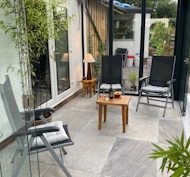
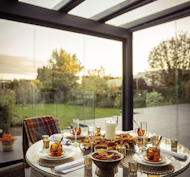
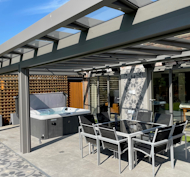
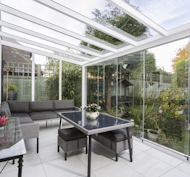
0% Interest FREE. SPRING SALE 25% Discount.
CLEARANCE OFFERS

Tag: glass-room

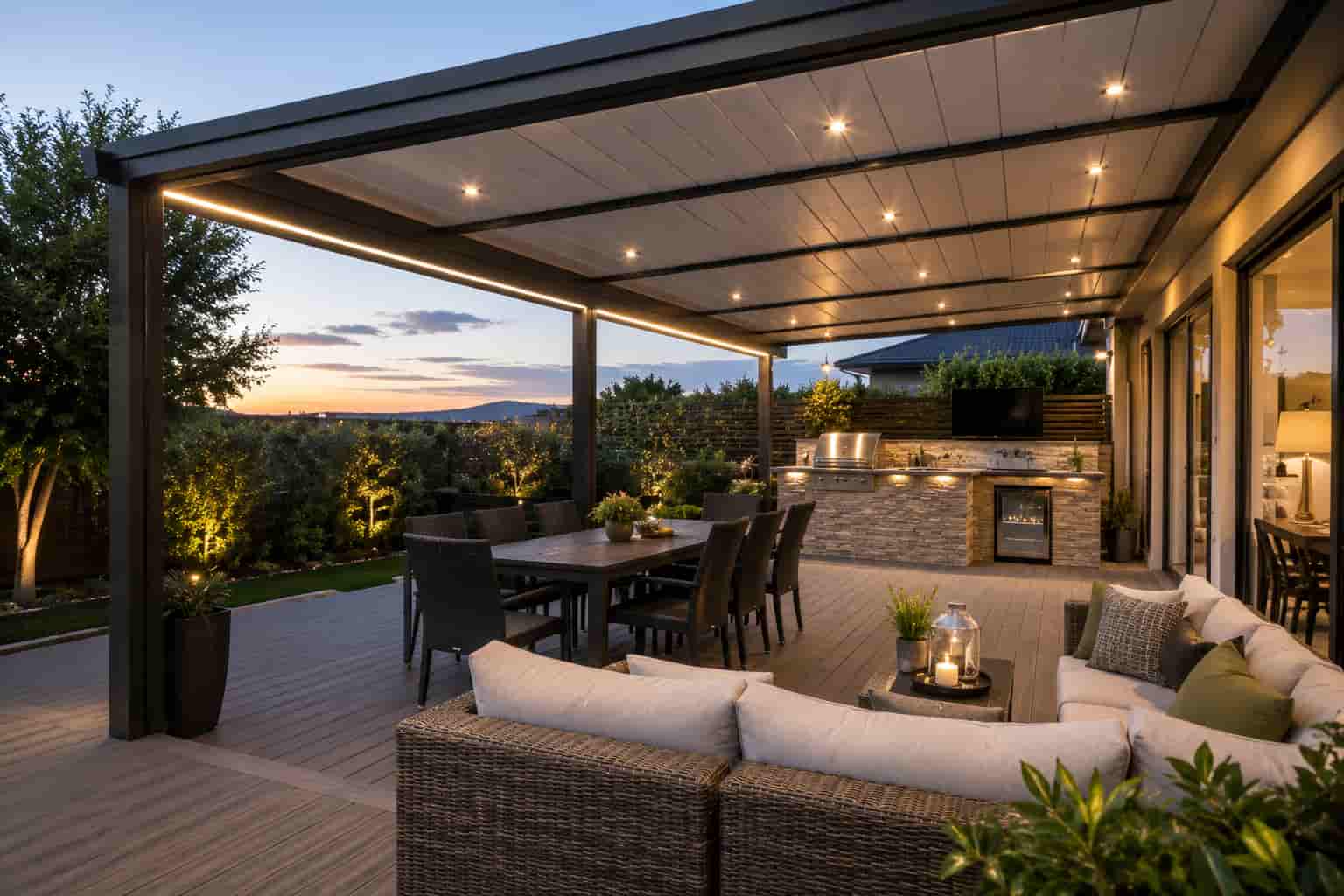
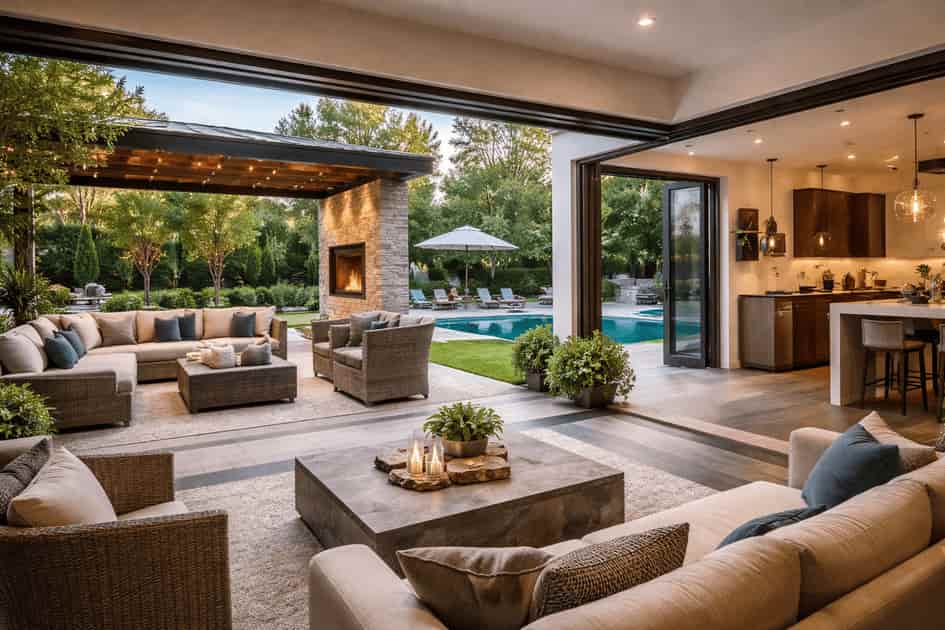
There’s something quietly magical about spaces that blur the line between inside and outside. You step out with your morning coffee and realise you’re still in the comfort of your home—just closer to the sky, the garden, and the light. Over the past decade, homeowners have become far more intentional about how they use their homes, and one trend that continues to stand out is the rise of luxury outdoor living spaces.

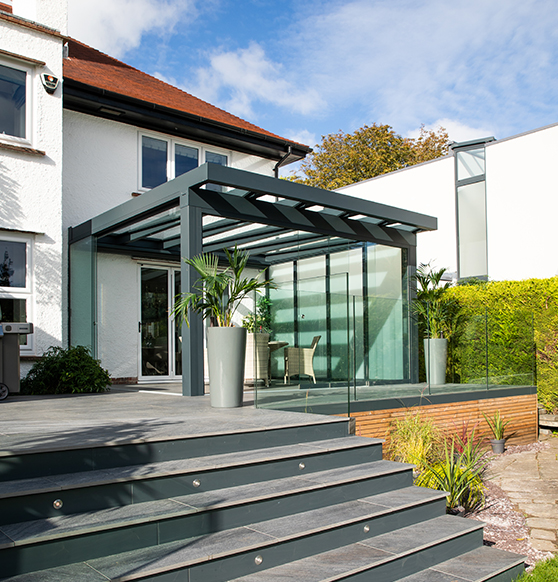
Whether it’s a refined glass extension, a beautifully designed glass veranda, or a fully enclosed glass room, modern homes are evolving. They’re no longer about strict boundaries. Instead, they’re about flow—how light moves, how spaces connect, and how daily living feels more open and effortless.

At the forefront of this shift is Sunspaces, a brand known for creating bespoke solutions that genuinely elevate how homes are experienced.

Why Outdoor Living Spaces Are More Than a Trend

A few years ago, outdoor living spaces were mostly seasonal luxuries—used mainly during summer barbecues or garden parties. Today, they’ve become year-round lifestyle upgrades.

This change didn’t happen overnight. It’s rooted in how people now value their homes. We want spaces that feel calm, adaptable, and emotionally uplifting. A well-designed outdoor living area offers exactly that.

Instead of viewing your garden as separate from your home, it becomes an extension of your daily life. A place where you work, unwind, entertain, and spend slow Sunday mornings. And because these spaces are thoughtfully engineered, they remain comfortable through changing seasons.

The Appeal of Seamless Indoor-Outdoor Living

What makes luxury outdoor living spaces so compelling isn’t just aesthetics—it’s the experience.

Imagine sliding open glass panels and stepping into a space where natural light floods in, greenery frames your view, and the air feels fresher. You’re technically outside, but without sacrificing comfort.

This seamless transition is especially powerful in the UK climate, where weather can be unpredictable. A smartly designed glass room or glass veranda gives you the best of both worlds: openness without exposure.

And it’s not just about lifestyle. These spaces also add real, tangible value to your home—both emotionally and financially.

Glass Extensions: Expanding Without Compromising

A glass extension is often the first choice for homeowners who want to expand their living area without disrupting the character of their home.

Unlike traditional brick extensions, glass extensions feel lighter and more contemporary. They allow natural light to pour in while maintaining a visual connection with the outdoors. Kitchens become brighter. Dining areas feel more inviting. Even smaller homes suddenly feel more spacious.

The beauty of a glass extension lies in its versatility. It can function as:

  • A light-filled kitchen extension
  • A garden-facing lounge
  • A statement dining area
  • A modern home office

Because glass extensions are highly customisable, they can be tailored to complement both period properties and modern builds. Done right, they don’t look like add-ons—they feel like they’ve always belonged.

Glass Verandas: Effortless Outdoor Elegance

If you’re looking for a more open structure that still offers shelter and sophistication, glass verandas are a natural choice.

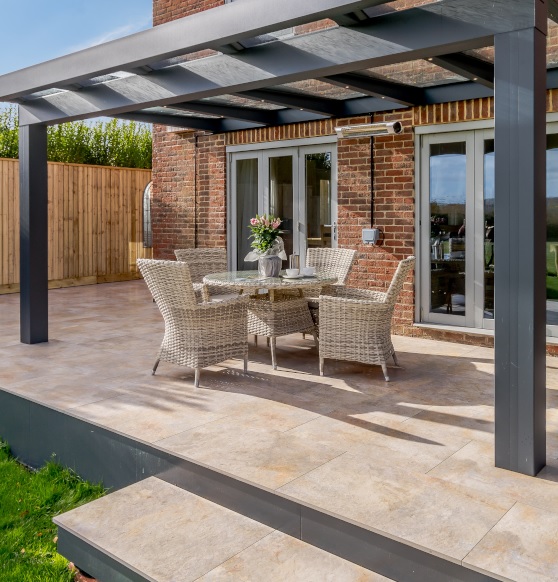
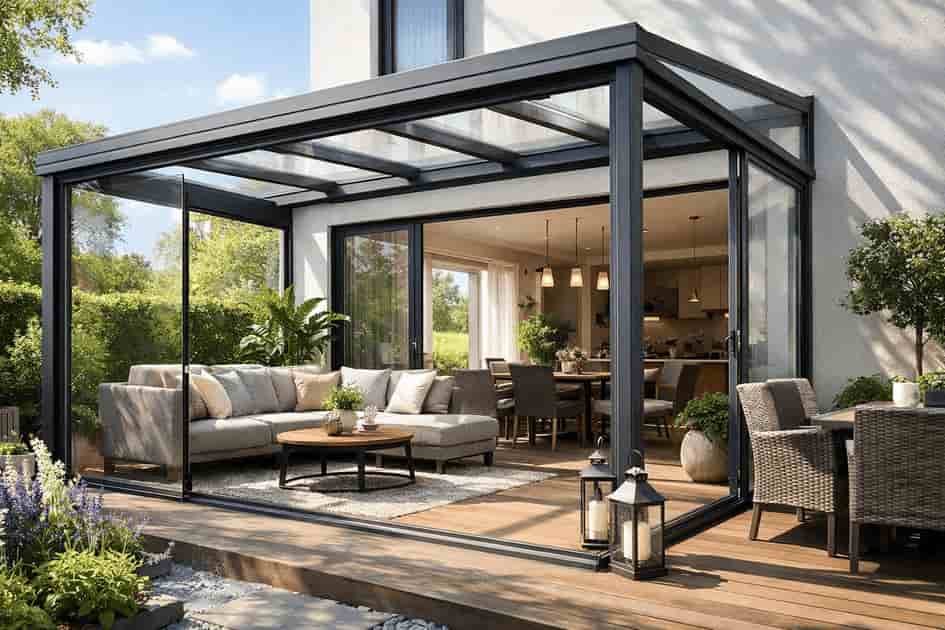
A glass veranda creates a refined outdoor living area that protects you from rain while keeping the space airy and open. It’s perfect for homeowners who want to enjoy their garden more often without committing to a fully enclosed build.

There’s a certain understated luxury to glass verandas. They don’t try too hard, yet they transform how you use your outdoor space.

Under a glass veranda, everyday moments feel elevated:

  • Morning tea feels calmer
  • Evening dinners feel more atmospheric
  • Rain becomes something you enjoy watching, not avoiding

And because of their minimalist design, glass verandas complement almost any architectural style.

Glass Rooms: Year-Round Outdoor Living

For those who want maximum usability, glass rooms offer the ultimate solution.

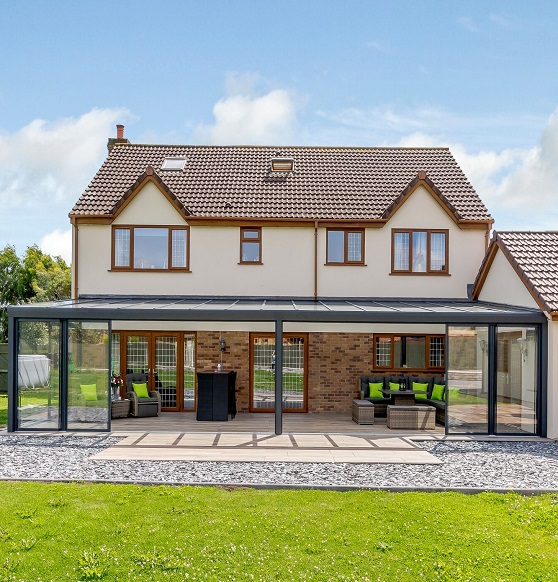
A glass room is essentially a fully enclosed outdoor living space that can be used throughout the year. With sliding glass panels, integrated lighting, and optional heating, these spaces remain functional even in colder months.

What sets glass rooms apart is their adaptability. One day it’s a cosy reading retreat. The next, it’s an entertaining hub. With the right design, it can even double as a wellness space or garden office.

More importantly, glass rooms create a sense of retreat without isolation. You’re still connected to nature—the changing light, the sound of rain, the view of the garden—but in total comfort.

The Emotional Value of Natural Light

One element that ties all outdoor living spaces together is natural light.

We often underestimate how much light shapes our mood and energy. Dark interiors can feel heavy, especially during long winters. By introducing glass structures—whether a glass extension or glass veranda—you invite light back into your daily life.

Brighter spaces tend to feel:

  • More uplifting
  • More spacious
  • More welcoming

And this isn’t just anecdotal. Many homeowners report spending more time in areas that receive abundant daylight. It subtly changes how a home is lived in.

Design That Balances Beauty and Practicality

Luxury doesn’t always mean extravagant. Often, it’s about thoughtful design that balances form and function.

High-quality outdoor living spaces are engineered to last. From powder-coated aluminium frames to precision glazing, every detail contributes to durability and performance.

Modern designs also incorporate practical features like:

  • Integrated drainage systems
  • Weather-resistant materials
  • Energy-efficient glazing
  • Low-maintenance finishes

This means your investment isn’t just visually appealing—it’s built for real-life use.

Adding Value Without Overcomplicating Renovations

One of the reasons outdoor living spaces have gained popularity is their relatively straightforward installation compared to traditional renovations.

A glass veranda or glass room can often be installed faster than a full structural extension. Yet the visual and functional impact is immediate.

From a property perspective, well-designed glass additions can:

  • Increase kerb appeal
  • Improve perceived space
  • Enhance resale value

Buyers are increasingly drawn to homes that offer flexible living areas, and outdoor living spaces tick that box beautifully.

Tailored Solutions for Modern Lifestyles

No two homes—or homeowners—are exactly alike. That’s why bespoke design plays such a big role in luxury outdoor living.

Some families want open entertaining spaces. Others want quiet retreats. Some prioritise modern aesthetics, while others prefer something more classic.

The best solutions aren’t off-the-shelf—they’re tailored. From frame finishes to glazing options, every detail can be customised to reflect how you actually live.

This approach aligns closely with what Google emphasises in its EEAT (Experience, Expertise, Authoritativeness, Trustworthiness) principles: authentic, experience-driven solutions built on real expertise.

In other words, thoughtful design matters. And homeowners are increasingly choosing brands that prioritise craftsmanship and credibility.

Sustainability and Smarter Living

Another factor driving the popularity of glass outdoor living spaces is sustainability.

Modern glazing technology has evolved significantly. Today’s glass structures are designed to maximise insulation and minimise energy loss. This means you can enjoy brighter spaces without dramatically increasing heating costs.

By improving natural light and passive warmth, glass extensions and glass rooms can even reduce the need for artificial lighting during the day.

And because many systems use durable, recyclable materials like aluminium and glass, they align well with environmentally conscious home improvements.

Creating a Lifestyle, Not Just a Space

Perhaps the biggest shift we’re seeing is how homeowners think about value.

It’s no longer just about square footage. It’s about how a space feels.

Luxury outdoor living spaces encourage slower living. They invite you to pause, step outside, and reconnect with simple pleasures—fresh air, greenery, natural light.

It’s the difference between having a house and truly enjoying your home.

Choosing the Right Outdoor Living Solution

If you’re considering investing in an outdoor living upgrade, the best starting point is clarity. Think about how you want to use the space.

Ask yourself:

  • Do I want something open and airy? (Glass veranda)
  • Do I need a fully usable year-round space? (Glass room)
  • Am I looking to expand my interior living area? (Glass extension)

Once you know your priorities, the design process becomes much more intuitive.

Working with experienced specialists ensures every detail—from structural integrity to aesthetic harmony—is handled with care.

Final Thoughts: Where Indoors and Outdoors Meet

Homes are evolving, and so are the ways we experience them. The rise of outdoor living spaces reflects a deeper shift toward comfort, flexibility, and meaningful design.

Whether it’s a sleek glass extension that transforms your kitchen, a minimalist glass veranda that elevates your garden, or a serene glass room that becomes your personal retreat, these spaces redefine what modern living looks like.

They don’t just add square metres—they add moments. Morning light across the table. Rain tapping gently on glass. Evenings that linger a little longer.

And that’s the real luxury: spaces that feel as good as they look, bringing indoors and outdoors together in a way that feels effortless, natural, and timeless.

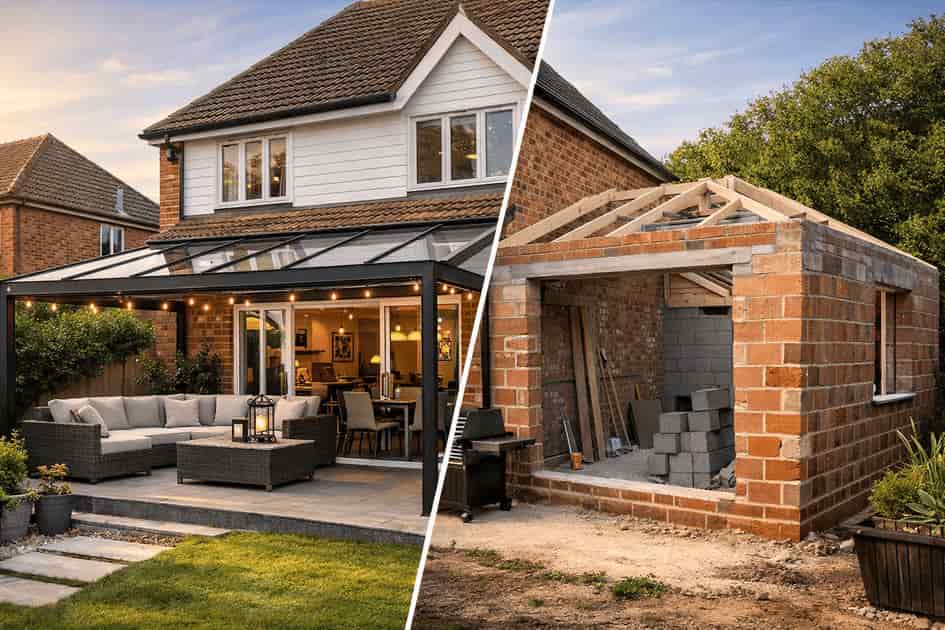
If you’re thinking about expanding your living space, you’re probably weighing up two options: a full extension or a glass veranda. It’s a common dilemma for UK homeowners who want more usable space without diving headfirst into a lengthy, expensive build.

Over the past decade, I’ve worked with countless homeowners navigating this exact decision. And one thing is clear — the rise of the modern glass veranda isn’t just a trend. It’s a practical response to changing lifestyles, tighter budgets, and a growing desire for seamless indoor-outdoor living.

In this guide, we’ll break down how glass verandas compare with traditional extensions, including real-world cost insights, design flexibility, and what makes them such a compelling garden extension option in the UK.

Why More UK Homeowners Are Choosing Glass Verandas

Ten years ago, most people looking to expand their home defaulted to a brick-built extension. Today, that assumption is shifting.

The modern glass room aluminium veranda offers something traditional builds often can’t — speed, flexibility, and visual openness. Instead of enclosing space entirely, it creates a sheltered outdoor area that still feels connected to your garden.

This matters more than ever. Outdoor living has become a priority for many households, and homeowners are increasingly looking for ways to enjoy their gardens year-round without committing to structural changes that disrupt the property.

That’s where glass veranda solutions stand out — they sit somewhere between a patio cover and a full conservatory, delivering usable space without the usual trade-offs.

Glass Verandas vs Extensions: The Key Differences

Before diving into costs and benefits, it helps to understand what sets these two options apart.

1. Planning Permission and Regulations

A traditional extension almost always involves:

  • Planning approval (depending on size and location)
  • Building regulations compliance
  • Structural inspections

In contrast, many glass verandas fall under permitted development, particularly when installed at the rear of the property. That doesn’t mean rules don’t apply — height, projection, and boundary limits still matter — but the process is typically far simpler.

For homeowners who want a hassle-free garden upgrade, this alone can be a deciding factor.

2. Installation Timeline

If you’ve ever lived through a home extension build, you’ll know the reality: weeks (sometimes months) of dust, disruption, and tradespeople.

A professionally installed glass room aluminium veranda can often be completed in a matter of days.

That speed changes everything. Instead of a long-term construction project, it becomes a relatively straightforward home improvement — closer to installing premium glazing than rebuilding your property.

3. Cost Comparison: Verandas UK Prices vs Extensions

Let’s talk numbers, because this is where decisions often get made.

A modest rear extension in the UK can easily run into five figures per square metre once you factor in labour, materials, and finishing.

By comparison, verandas UK prices are typically far more accessible. While premium systems vary based on size and customisation, most homeowners find they can achieve a high-end outdoor structure for a fraction of extension costs.

And importantly, there are fewer hidden expenses — no structural reinforcements, fewer approvals, and reduced professional fees.

The Lifestyle Benefits of a Glass Veranda

Cost savings are compelling, but the real value of a glass veranda is how it changes the way you use your home.

A True Indoor-Outdoor Living Experience

Unlike a brick extension, a glass veranda doesn’t separate you from the outdoors — it frames it.

You get:

  • Natural daylight without compromise
  • Rain protection without losing fresh air
  • A seamless transition from kitchen to garden

For families who love entertaining, this is a game changer. Barbecues don’t get cancelled because of drizzle, and summer evenings stretch comfortably into cooler nights.

A Smarter Garden Extension

If your goal is simply “more space,” a full extension might be overkill. Many homeowners don’t actually need another enclosed room — they need flexibility.

A garden extension in the form of a glass veranda gives you a multi-use space:

  • Morning coffee area
  • Outdoor dining zone
  • Sheltered play space for children
  • Relaxed work-from-home setting

It adapts with the seasons, which is something fixed extensions struggle to do.

Adds Value Without Overbuilding

From an estate perspective, over-extending can sometimes reduce appeal, especially if it eats into valuable outdoor space.

A well-designed glass veranda installation enhances kerb appeal without overwhelming the property footprint. It feels like an upgrade, not an alteration — and that distinction matters when it comes to resale.

Design Flexibility: Where Glass Verandas Shine

One of the biggest misconceptions I hear is that verandas are visually basic. That might have been true years ago, but modern systems are anything but.

Contemporary Aluminium Frames

The shift towards aluminium has transformed veranda aesthetics. Powder-coated frames offer:

  • Slim sightlines
  • Exceptional durability
  • Colour customisation to match windows or doors

A high-quality glass room aluminium veranda integrates naturally with both modern and traditional homes.

Integrated Features

Today’s premium glass verandas can include:

  • LED lighting strips
  • Infrared heating panels
  • Retractable glass sides
  • Sliding doors or screens

These additions blur the line between veranda and glass room — creating something far more versatile than a simple canopy.

Are Glass Verandas Suitable for the UK Climate?

Short answer: yes — if you choose the right system.

The UK’s unpredictable weather is exactly why glass verandas have grown in popularity. With laminated safety glass roofing and robust aluminium structures, they’re designed to withstand:

  • Heavy rainfall
  • Wind exposure
  • Seasonal temperature shifts

Many homeowners find they use their veranda more in autumn and spring than peak summer — simply because it creates a sheltered microclimate that feels comfortable even when the weather turns.

When an Extension Still Makes Sense

To keep this balanced, glass verandas aren’t the answer for every situation.

A traditional extension may be better if you:

  • Need additional bedrooms
  • Want to expand kitchen square footage permanently
  • Require fully insulated, year-round internal space

In those cases, a structural build provides functionality a veranda simply isn’t designed to replace.

But for lifestyle-driven upgrades, the balance often tilts the other way.

Understanding Verandas UK Prices in Context

One mistake I see often is comparing raw price tags without considering long-term value.

Yes, verandas UK prices are typically lower than extensions — but that’s only part of the story.

You should also factor in:

  • Reduced installation disruption
  • Minimal ongoing maintenance
  • Faster enjoyment of the investment
  • Greater flexibility for future upgrades

When viewed holistically, many homeowners find verandas deliver a higher satisfaction-to-cost ratio.

The Rise of the Glass Room Hybrid

An interesting shift in recent years is the demand for hybrid solutions — essentially enclosed verandas.

By adding sliding glass panels or vertical glazing, a glass room aluminium veranda can evolve into a semi-enclosed outdoor room.

This gives homeowners the best of both worlds:

  • Open in summer
  • Sheltered in winter
  • Adaptable all year

It’s a modular approach that aligns perfectly with modern renovation trends — start simple, upgrade later.

Maintenance and Longevity

Another overlooked factor when comparing verandas and extensions is upkeep.

Brick extensions require:

  • Roof maintenance
  • Gutters and flashing checks
  • Repainting or rendering over time

Glass verandas, particularly aluminium-framed ones, are refreshingly low maintenance. Occasional glass cleaning and basic inspections are usually all that’s needed to keep them looking pristine.

For busy homeowners, this simplicity is a major win.

Choosing the Right Supplier Matters

Not all glass verandas are created equal. Quality varies dramatically depending on materials, engineering, and installation standards.

When researching options, look for:

  • Structural-grade aluminium systems
  • Certified safety glazing
  • Transparent pricing
  • Proven installation experience

This is where working with specialists makes a difference — especially if you’re aiming for a long-term garden extension rather than a short-term upgrade.

Final Thoughts: Is a Glass Veranda Worth It?

If you’re deciding between a full extension and a veranda, the real question isn’t just about space — it’s about how you want to live.

A traditional extension offers permanence and enclosure. A glass veranda offers flexibility, speed, and a stronger connection to your outdoor space.

For many UK homeowners, that balance makes all the difference.

The modern glass veranda isn’t just a stylish addition — it’s a practical way to expand your living environment without the cost, complexity, and commitment of structural building work.

And with evolving verandas UK prices and increasingly sophisticated glass room aluminium veranda designs, it’s no surprise more homeowners are choosing this smarter, more adaptable alternative.

If your goal is a beautiful, functional garden extension that enhances both lifestyle and property appeal, a glass veranda might just be the upgrade that makes the most sense.

If you’ve lived in a British home long enough, you’ll know the familiar tug-of-war between wanting more space and not wanting the upheaval that comes with building work. Dust in every room, endless trades coming and going, weeks (or months) of disruption, and a budget that seems to stretch further every time you blink. After more than a decade working with homeowners on outdoor living solutions, I’ve seen that frustration first-hand.

That’s exactly why glass verandas – and in particular the Aspire Glass Veranda range from Sunspaces – have become such a popular choice. They offer a way to create a bright, usable living area that feels like a true extension of your home, without the stress and cost usually associated with traditional extensions.

This article takes a proper, honest look at how Aspire Glass Verandas work, why they’re different, and how they can deliver the light-filled living space many homeowners are craving – all without major building work.

The Changing Way We Add Space to Our Homes

Not so long ago, if you wanted extra room, your options were fairly limited: build out, build up, or move. Today, homeowners are far more considered. Budgets are tighter, planning rules can be restrictive, and people want flexible spaces that work across the seasons.

Traditional brick extensions certainly have their place, but they’re not always the most practical or cost-effective route. For many households, a well-designed glass veranda or glass room can achieve the same lifestyle benefits as cheap house extensions – and often with far less compromise.

The Aspire range sits squarely in this modern mindset: smart design, minimal disruption, and maximum daylight.

What Is an Aspire Glass Veranda?

An Aspire Glass Veranda is a sleek, aluminium-framed structure with a high-performance glass roof, designed to attach seamlessly to your home. Unlike older-style canopies or basic lean-tos, Aspire verandas are engineered to feel like a permanent, architectural feature rather than an afterthought.

Key characteristics include:

  • Clean-lined aluminium framework
  • Toughened or laminated glass roofing
  • Integrated guttering and drainage
  • Options for LED lighting and heating
  • Compatibility with side glazing to create a glass room or sunroom

The result is a structure that enhances your home visually while creating a practical, usable space just outside your existing walls.

Light Comes First – And That Changes Everything

The biggest difference homeowners notice immediately is light. Solid-roof extensions, even when well designed, inevitably block daylight from the rear of the house. A glass veranda does the opposite.

Because Aspire Glass Verandas use high-quality glazing overhead, natural light continues to flood into adjacent rooms. Kitchens, dining areas, and living spaces feel brighter, more open, and more welcoming year-round.

Over time, I’ve noticed that this has a knock-on effect: people use these spaces more. Morning coffee feels different under a glass roof. Evening meals stretch a little longer. Even in winter, that connection to the outdoors matters.

No Major Building Work – What That Really Means

“Without major building work” isn’t just a throwaway line. In practical terms, it means:

  • No deep foundations
  • No weeks of internal disruption
  • No loss of existing rooms during construction
  • Faster installation times

Most Aspire Glass Verandas can be installed in a matter of days rather than months. For homeowners working from home or juggling family life, that difference is huge.

In many cases, these structures fall within permitted development, reducing the need for planning permission. Of course, every property is different, but compared to traditional extensions, the process is usually far more straightforward.

A Flexible Step Towards a Glass Room or Sunroom

One of the smartest aspects of the Aspire system is flexibility. Many homeowners start with an open glass veranda and, over time, choose to enclose it.

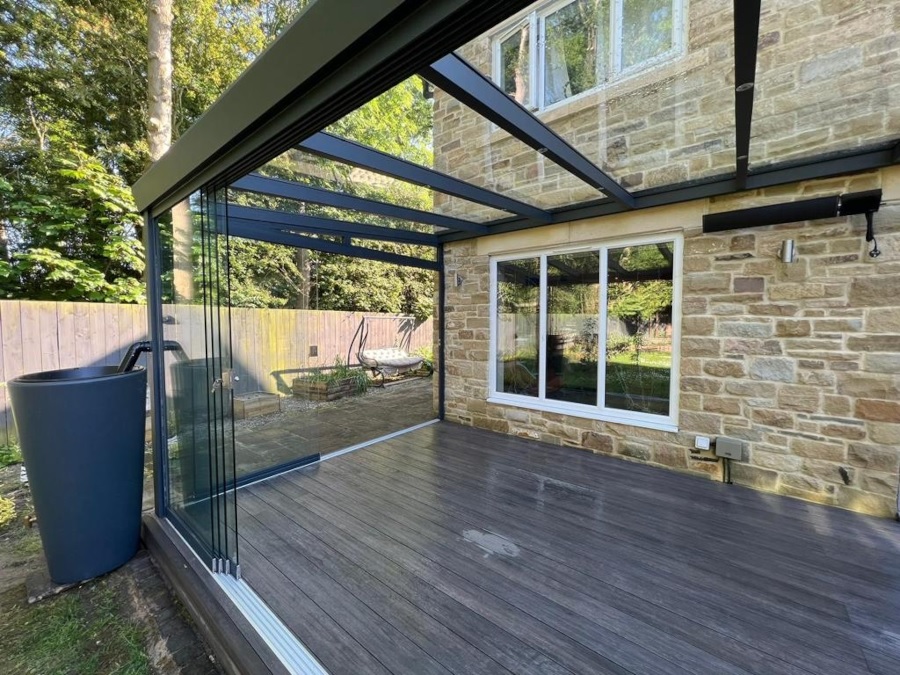
Add frameless or sliding side glazing, and suddenly you’re edging into glass room territory. Include heating and lighting, and you’ve got a comfortable sunroom that can be enjoyed through most of the year.

This staged approach makes Aspire verandas particularly appealing to those who want the benefits of a sunroom but aren’t ready to commit to a full build from day one.

A Genuine Alternative to Cheap House Extensions

Let’s be honest: “cheap house extensions” is a phrase that often comes with compromises. Lower-grade materials, rushed workmanship, or designs that don’t quite age well.

Aspire Glass Verandas offer a different value proposition. While not “cheap” in the bargain-basement sense, they provide excellent value for money when you consider:

  • Reduced construction costs
  • Minimal disruption
  • Long-term durability
  • Improved natural light
  • Increased usable space

For many households, the cost-to-benefit ratio simply makes more sense than a traditional extension.

Built for the British Climate

There’s no point creating a beautiful space if it only works on the odd sunny afternoon. Aspire Glass Verandas are designed specifically for UK conditions.

The aluminium frames are powder-coated for durability, resisting corrosion and fading. The glass roofing is engineered to handle wind loads, heavy rain, and seasonal temperature changes. Integrated drainage ensures water is channelled away efficiently, even during downpours.

In short, these aren’t fair-weather structures. They’re built to be lived with.

Design That Respects Your Home

After years in this industry, one thing is clear: homeowners care deeply about how additions look. A poorly designed structure can drag down the appearance of an otherwise lovely home.

Aspire verandas are intentionally understated. Slim sightlines, neutral finishes, and proportional design mean they complement both modern and traditional properties. Rather than shouting for attention, they quietly enhance.

That design restraint is part of why they sit so comfortably alongside existing architecture.

EEAT in Practice: Why Experience Matters

Google’s EEAT guidelines – Experience, Expertise, Authoritativeness, and Trust – are about more than ticking boxes. They’re about real-world credibility.

Sunspaces brings decades of experience designing and installing outdoor living solutions across the UK. Aspire Glass Verandas are the result of that accumulated knowledge: what works, what lasts, and what homeowners actually use.

From compliant structural engineering to clear warranties and professional installation teams, the emphasis is on long-term trust, not short-term sales.

Planning, Regulations, and Peace of Mind

One common worry is red tape. While planning rules can vary, many glass verandas fall within permitted development limits. Even when approval is required, the process is typically far simpler than for full extensions.

Reputable suppliers will guide you through:

  • Site surveys
  • Structural considerations
  • Local authority requirements
  • Installation timelines

That guidance is invaluable, particularly if this is your first home improvement project of this scale.

Real-Life Use: How Homeowners Actually Live With Them

In practice, Aspire Glass Verandas tend to become multi-purpose spaces. I’ve seen them used as:

  • Outdoor dining areas
  • Quiet reading spots
  • Covered play spaces for children
  • Informal entertaining zones
  • Transitional spaces between house and garden

Because they sit between indoors and out, they adapt naturally to changing needs.

Long-Term Value, Not Just Extra Space

While lifestyle is often the main driver, it’s worth mentioning value. Well-designed glass verandas can enhance a property’s appeal, particularly as buyers increasingly look for flexible living space and strong indoor-outdoor connections.

They won’t replace a full extension in terms of square footage, but they often punch above their weight when it comes to perceived value.

Is an Aspire Glass Veranda Right for You?

If you want more light, more usable space, and less disruption, the answer is often yes. Aspire Glass Verandas suit homeowners who value quality, thoughtful design, and flexibility.

They’re especially appealing if you’ve been put off by the cost, mess, or complexity of traditional extensions but still want a meaningful improvement to how your home works.

Final Thoughts

After more than ten years working around home improvement projects, I’ve learned that the best solutions are often the simplest. Aspire Glass Verandas don’t try to be everything at once. They do one thing exceptionally well: create light-filled living spaces that feel natural, comfortable, and genuinely useful.

Without major building work, without unnecessary compromise, and without losing sight of what homeowners actually want, they offer a compelling alternative to conventional extensions.

For many, that balance is exactly what makes them such a smart investment, especially for homeowners looking to enjoy a bright, versatile sunroom without the cost or disruption of a full extension.

There was a time when garden structures were purely functional. A shed for tools. A greenhouse for plants. Maybe a basic patio cover if you were lucky. Today, homeowners expect more. They want space that feels intentional, architectural, and genuinely liveable.

That’s where the Panorama Veranda steps in.

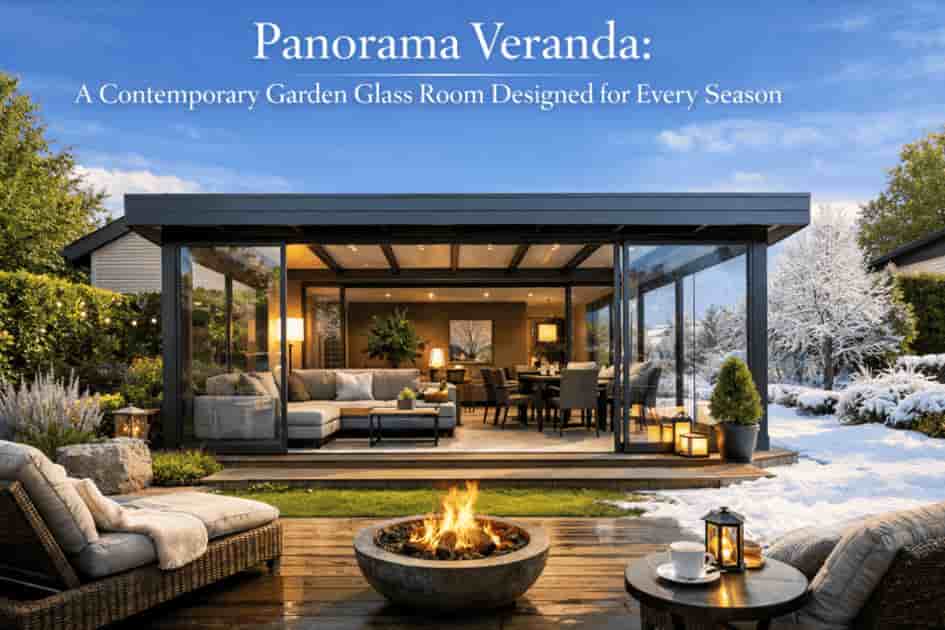
Designed with modern outdoor living in mind, the Panorama Veranda isn’t just another canopy or bolt-on roof. It’s a refined glass veranda that transforms how you use your garden—bringing light, shelter, and flexibility together in a way that works beautifully through all four seasons.

Whether you’re exploring the idea of a glass room in the garden, considering a premium veranda, or looking for a versatile sunroom that doesn’t feel boxed in, the Panorama system offers a smart, elegant solution.

The Shift Towards Glass Living Spaces

Across the UK, gardens are no longer treated as an afterthought. They’ve become extensions of the home—places to relax, work, entertain, and escape without leaving your property.

This shift has driven demand for adaptable structures that blur the line between indoors and outdoors. Traditional conservatories can feel heavy and enclosed. Basic pergolas lack protection. A well-designed glass veranda bridges that gap.

The Panorama Veranda sits right in this sweet spot. It provides protection from the elements without cutting you off from your surroundings, making it an ideal foundation for a modern glass room in the garden.

What Is the Panorama Veranda?

At its core, the Panorama Veranda is a contemporary aluminium veranda system with a sleek glass roof, engineered for durability, comfort, and visual impact.

Unlike temporary garden covers, this is a permanent architectural feature designed to integrate seamlessly with your home. Clean lines, minimal fixings, and high-quality materials give it a refined presence that feels intentional—not added on as an afterthought.

Key features include:

  • Powder-coated aluminium framework
  • High-performance safety glass roofing
  • Customisable sizes and configurations
  • Optional side glazing and upgrades

With the right additions, the Panorama Veranda can evolve from a simple open veranda into a fully enclosed sunroom or a stylish glass room in garden.

Designed for British Weather (All of It)

Let’s be honest. British weather isn’t predictable. That’s why any outdoor structure needs to handle far more than sunshine alone.

The Panorama Veranda is designed with year-round use in mind. The glass roof allows natural daylight to pour through even on grey days, while still offering reliable protection from rain, wind, and UV exposure.

In summer, it provides shade without blocking the sky. In winter, it creates a sheltered space where you can still enjoy your garden without retreating indoors.

Add optional features such as:

  • Sliding or fixed glass sides
  • Integrated lighting
  • Infrared heaters

…and suddenly, your veranda becomes a genuinely usable sunroom—not just something you admire from the kitchen window.

A Glass Room in the Garden That Feels Open, Not Closed

One of the biggest concerns homeowners have when considering a glass structure is feeling boxed in. The Panorama Veranda avoids that entirely.

Thanks to its minimalist frame and expansive glass surfaces, it maintains an open, airy feel—even when fully enclosed. The structure doesn’t dominate the garden; it complements it.

This makes it an ideal option for anyone wanting a glass room in the garden that feels connected to nature rather than separated from it.

You still hear the rain. You still see the sky. You’re just not standing in the middle of it.

How the Panorama Veranda Compares to a Traditional Sunroom

The word sunroom means different things to different people. For some, it brings to mind heavy brick bases and bulky frames. For others, it’s about light, openness, and flexibility.

The Panorama Veranda leans firmly toward the latter.

Compared to a traditional sunroom or conservatory:

  • It requires less structural disruption
  • It feels lighter and more contemporary
  • It offers better airflow and modular upgrades
  • It integrates more naturally with outdoor spaces

If you want a sunroom without the permanence and visual weight of a full extension, a Panorama Veranda is a smart alternative.

Built with Longevity in Mind

A veranda isn’t something you replace every few years. It needs to last—and look good while doing so.

The Panorama Veranda uses high-grade aluminium that won’t warp, rot, or corrode. The glass roofing is engineered for strength and safety, meeting modern building standards and handling the load of wind, rain, and snow.

Low maintenance is a big advantage here. There’s no repainting every summer, no swelling timber, no peeling finishes. Just occasional cleaning to keep everything looking its best.

From an EEAT perspective, this matters. Products that demonstrate quality, durability, and thoughtful engineering build trust—and trust is exactly what homeowners look for when making a long-term investment.

Tailored to Your Home, Not the Other Way Around

No two homes are the same, and the Panorama Veranda reflects that.

It can be:

  • Wall-mounted or free-standing
  • Sized to suit compact patios or large terraces
  • Finished in a range of colours to match existing architecture

Whether your property is a modern new build or a character home, the design remains subtle enough to enhance rather than overpower.

This flexibility also makes it easy to future-proof. Many homeowners start with an open veranda, then later add glass sides, heating, or lighting as their needs evolve.

Everyday Uses That Go Beyond Entertaining

While entertaining guests is a popular reason for installing a glass veranda, everyday use is where the Panorama truly shines.

Homeowners use their space as:

  • A sheltered dining area
  • A quiet morning coffee spot
  • A home office with garden views
  • A play area protected from weather
  • A relaxing retreat at the end of the day

Because it functions as both outdoor and semi-indoor space, it adapts to your lifestyle rather than dictating it.

That adaptability is what turns a structure into a habit—and habits are what justify the investment.

A Smart Upgrade That Adds Real Value

Beyond lifestyle benefits, a well-designed glass room in the garden can add genuine appeal to your property.

Potential buyers increasingly look for flexible outdoor living spaces, especially those that don’t require major renovation. A Panorama Veranda offers exactly that: a premium feature that enhances how the home is used without complicating its layout.

While no upgrade guarantees a specific return, properties with thoughtfully designed verandas often stand out in a competitive market.

Why Panorama Veranda Works So Well with Modern Living

Modern living is about balance. Time indoors. Time outdoors. Spaces that transition smoothly between the two.

The Panorama Veranda supports that balance by creating a sheltered environment that still feels connected to the garden. It doesn’t ask you to choose between inside comfort and outdoor freedom—you get both.

As a glass veranda, it provides light without glare. As a sunroom, it offers comfort without confinement. And as a glass room in the garden, it delivers usability without compromising aesthetics.

Final Thoughts: A Veranda That Grows With You

The best home improvements aren’t just about today. They’re about how you’ll live in the space years from now.

The Panorama Veranda is designed to evolve. Start simple. Add features over time. Adjust the space as your lifestyle changes.

It’s not a trend-driven structure that will feel outdated in five years. It’s a clean, contemporary solution rooted in quality materials and practical design.

If you’re considering a veranda, dreaming of a glass room in the garden, or looking for a refined sunroom that feels genuinely modern, the Panorama Veranda offers a thoughtful, well-balanced answer—one that fits real homes and real lives.

Outdoor living has changed dramatically over the past decade. What was once a simple patio table and umbrella has evolved into fully functional outdoor spaces that blend comfort, design, and durability. At the centre of this shift is the patio veranda — a structure that offers shelter, style, and year-round usability without disconnecting you from your garden.

At SunSpaces, verandas are not treated as add-ons or afterthoughts. They are carefully engineered architectural features designed to enhance how people actually use their outdoor spaces. Whether you’re looking for a sleek, open structure or a fully enclosed solution with glass, the veranda range is built to suit modern UK lifestyles and unpredictable weather.

This guide explores what makes a quality veranda, how glass rooms elevate outdoor living, and why garden verandas in the UK are becoming a long-term investment rather than a seasonal upgrade.

What Is a Patio Veranda — and Why It Matters

A veranda is more than a roof over your patio. Done properly, it becomes a transitional space between indoors and outdoors, offering protection from rain, harsh sunlight, and wind while keeping your garden visually open.

In the UK, where weather patterns can change by the hour, a patio veranda provides flexibility. Morning coffee outside doesn’t need to be cancelled because of drizzle. Evening gatherings don’t end early when temperatures drop. Over time, homeowners often find that their veranda becomes one of the most used areas of the house.

A well-designed veranda should:

  • Integrate seamlessly with the home’s architecture
  • Use materials suited to long-term UK weather conditions
  • Offer the option to expand into enclosed glass rooms
  • Enhance, not dominate, the garden space

SunSpaces verandas are built with these priorities in mind, combining European engineering with design principles that suit British homes.

The Rise of Garden Verandas in the UK

Garden verandas in the UK have grown in popularity for good reason. Homeowners are increasingly focused on making the most of their existing space rather than moving house. A veranda offers a high-impact upgrade without the disruption of a full extension.

Unlike temporary structures, modern garden verandas are designed to last. Powder-coated aluminium frames resist corrosion, while laminated glass roofing offers durability and clarity. These materials ensure the veranda looks as good in ten years as it does on installation day.

More importantly, a veranda adapts to changing needs. It can start as a simple patio cover and later evolve into a more enclosed glass room as your lifestyle changes.

Glass Rooms: Extending Comfort Beyond the Seasons

One of the biggest advantages of the SunSpaces veranda range is its compatibility with glass rooms. Glass rooms take the concept of a veranda further by adding frameless or minimally framed glass panels, transforming an open structure into a sheltered, usable space throughout the year.

Unlike traditional conservatories, glass rooms feel lighter and more connected to the outdoors. They don’t overpower the home or block natural views. Instead, they provide:

  • Protection from wind and rain
  • Improved thermal comfort
  • Reduced noise from outside
  • Increased usability in colder months

Glass rooms are especially popular with homeowners who enjoy entertaining. They offer shelter without making guests feel boxed in, and they maintain a strong visual connection to the garden.

Design That Respects the Home and the Garden

One of the most common mistakes with outdoor structures is poor integration. A veranda that doesn’t suit the house can feel intrusive, no matter how well built it is.

SunSpaces verandas are designed to be understated yet refined. Clean lines, slim profiles, and neutral colour options allow the structure to complement both traditional and contemporary homes. The focus is on balance — enough presence to feel substantial, without overwhelming the outdoor space.

Roof options are designed to maximise light while offering protection. Laminated safety glass allows daylight to pass through, avoiding the gloomy feel that solid roofs can sometimes create. The result is a bright, comfortable area that still feels open.

Built for UK Weather, Not Just Summer Days

A veranda in the UK must handle more than sunshine. Wind, heavy rain, frost, and fluctuating temperatures all place demands on outdoor structures. This is where experience and engineering matter.

SunSpaces verandas are developed with northern European weather in mind. Structural strength, drainage systems, and material quality are all designed to perform year-round. Rainwater is efficiently channelled away, preventing pooling or leaks, while the aluminium framework remains stable and corrosion-free.

This attention to detail ensures the veranda isn’t just attractive on day one, but reliable for years to come.

Customisation Without Complication

No two homes are the same, and a one-size-fits-all approach rarely works. The SunSpaces veranda range offers flexibility in size, configuration, and finish, allowing homeowners to tailor the structure to their space and needs.

Options include:

  • Different projection depths and widths
  • Choice of frame colours
  • Integration with glass side panels or sliding systems
  • Compatibility with lighting and heating accessories

This modular approach means you can start with a basic veranda and upgrade over time. Many homeowners appreciate this flexibility, as it allows the space to evolve without requiring a complete redesign.

Adding Real Value to Your Property

A well-installed veranda doesn’t just improve day-to-day living — it can also add measurable value to a property. Buyers increasingly look for outdoor spaces that feel usable rather than decorative.

A modern patio veranda or glass room signals thoughtful investment and enhances curb appeal. It shows that the home has been designed with lifestyle in mind, not just square footage.

While no improvement guarantees a specific return, verandas consistently rank among upgrades that increase buyer interest, particularly in family homes with gardens.

Why Experience Matters in Veranda Design

There’s a noticeable difference between verandas designed by specialists and those treated as secondary products. Experience shows in the small details: how components fit together, how water is managed, how the structure responds to movement over time.

SunSpaces has built its reputation on understanding how people actually use their outdoor spaces. This practical insight influences everything from structural proportions to optional upgrades.

It’s the difference between a structure that looks good in a brochure and one that genuinely improves everyday life.

Planning, Regulations, and Peace of Mind

In many cases, a veranda does not require planning permission, especially when installed within permitted development guidelines. However, every property is different, and it’s important to consider factors such as height, projection, and proximity to boundaries.

Working with an experienced supplier reduces uncertainty. Clear guidance, compliant designs, and professional installation all contribute to a smoother process. Homeowners should feel confident that their investment meets both aesthetic and regulatory expectations.

A Space That Adapts to How You Live

Perhaps the biggest advantage of a patio veranda or glass room is adaptability. It’s not a space with a single purpose. It might be a quiet reading spot in the morning, a shaded play area in the afternoon, and a social hub in the evening.

As lifestyles change, the space changes with you. Furniture layouts shift. Glass panels are added. Heating extends usability into winter. This flexibility is what makes garden verandas in the UK such a practical long-term choice.

Choosing the Right Veranda for Your Home

When selecting a veranda, it’s worth considering more than just appearance. Ask practical questions:

  • Will it still feel comfortable in poor weather?
  • Can it be adapted into a glass room later?
  • Are the materials proven for long-term outdoor use?
  • Does the design suit the house, not just current trends?

The SunSpaces veranda range answers these questions with thoughtful design and proven engineering, offering homeowners confidence as well as comfort.

Final Thoughts: Outdoor Living Done Properly

A veranda isn’t about following a trend. It’s about making everyday life more enjoyable. Whether you’re shielding your patio from rain, creating a space for family gatherings, or adding a refined architectural feature to your home, the right veranda makes a noticeable difference.

With expertly designed patio veranda solutions, adaptable glass rooms, and a deep understanding of UK outdoor living, SunSpaces offers garden verandas that feel purposeful rather than decorative.

It’s outdoor living done properly — designed to be used, not just admired.

If you’re considering adding a veranda to your home, you’re probably picturing long summer evenings, a bit of shelter from our famously unpredictable weather, and a smarter way to enjoy the garden year‑round. Before you get carried away with designs and finishes, there’s one question that always comes up first: Do I need planning permission?

After more than a decade writing about home improvements and working closely with UK installers, planners, and manufacturers, I can say this with confidence—planning rules around verandas aren’t as intimidating as they sound. But they do need to be handled properly.

In this guide, I’ll walk you through everything you need to know about veranda planning permission in the UK, how it applies to modern solutions like a glass room or aluminium veranda, and how to move forward with confidence.

What Is a Veranda in Planning Terms?

In everyday language, a veranda is a covered outdoor structure attached to the house, typically open at the sides or partially enclosed. From a planning perspective, however, things are a little more specific.

Local authorities usually class a veranda as an extension or ancillary structure. That classification matters because it determines whether your project falls under permitted development or requires formal planning permission.

Modern designs—especially those using slim aluminium frames and glass roofing—often blur the line between a traditional veranda and a glass room. The more enclosed the structure becomes, the more closely planners will scrutinise it.

Do You Need Planning Permission for a Veranda?

In many cases, no planning permission is required—but only if certain conditions are met.

Under permitted development rights, homeowners in England can usually install a veranda without submitting a full planning application, provided:

  • The structure is single storey
  • It does not exceed 4 metres in height (or 3 metres if close to a boundary)
  • It does not cover more than 50% of the land around the original house
  • It is not located on the front elevation facing a highway
  • The property is not listed or in a designated area

If your veranda ticks all these boxes, you’re typically in the clear.

That said, every site is different. Even a beautifully designed aluminium veranda can trigger planning requirements if it’s positioned incorrectly or built to the wrong scale.

When Planning Permission Is Required

There are a few situations where you’ll almost certainly need approval:

1. Listed Buildings

If your home is listed, planning permission is required for almost any external alteration—verandas included. This applies whether the structure is traditional or a modern glass room.

2. Conservation Areas

In conservation areas, permitted development rights are often restricted. Councils may require permission to ensure the veranda doesn’t impact the character of the area.

3. Front-Facing Verandas

Any veranda installed at the front of the property, especially one visible from the road, usually needs planning permission.

4. Fully Enclosed Designs

Once you move beyond an open-sided structure and start adding walls or sliding doors, the veranda may be considered a full extension. At that point, planning approval becomes much more likely.

Verandas vs Glass Rooms: Why the Difference Matters

Homeowners often ask whether a glass room needs different permission than a veranda. The answer lies in how enclosed the space is.

A traditional veranda is open, airy, and clearly secondary to the main house. A glass room, on the other hand, is designed for year‑round use and often includes:

  • Fixed or sliding glass walls
  • Integrated drainage and lighting
  • Solid or insulated roofing options

From a planning standpoint, a glass room sits closer to an extension than a canopy. Some designs still fall under permitted development, but it’s far more important to check dimensions, proximity to boundaries, and usage.

Why Aluminium Verandas Are Easier to Approve

Over the years, aluminium veranda systems have become the go‑to choice for homeowners and planners alike.

Here’s why:

  • Slim sightlines keep the structure visually light
  • Neutral finishes blend well with modern and traditional homes
  • Engineered strength allows wider spans with fewer posts

Planners tend to respond more favourably to designs that don’t dominate the building. A well‑proportioned aluminium veranda often looks intentional rather than intrusive, which can make all the difference in borderline cases.

Building Regulations: A Separate Consideration

Planning permission and building regulations are not the same thing.

Even if your veranda doesn’t require planning approval, it may still need to comply with building regulations—particularly if:

  • It is fully enclosed
  • It has fixed heating
  • It affects drainage or structural integrity

Most open verandas and many glass room designs are exempt, but it’s always worth confirming with your installer or local authority building control.

How to Check Before You Build

Before committing to a design, take these practical steps:

  1. Review your permitted development rights (they differ slightly across England, Scotland, and Wales)
  2. Speak to your local planning authority—a quick pre‑application enquiry can save months of stress
  3. Work with an experienced supplier who understands UK regulations

Established manufacturers of aluminium veranda systems usually design with compliance in mind, which reduces risk from the outset.

Planning Permission Myths—Cleared Up

“All verandas need permission”

Not true. Most rear verandas fall under permitted development.

“Glass rooms are always extensions”

Also false. Some glass room designs remain classed as ancillary structures.

“If my neighbour built one, I can too”

Unfortunately, each application is assessed individually.

Real‑World Advice From the Industry

After years of speaking with planners and installers, one thing is clear: problems usually arise from poor preparation, not bad intentions.

Homeowners who choose quality systems, keep dimensions sensible, and ask the right questions early rarely run into trouble. A well‑designed veranda should feel like a natural continuation of your home, not an afterthought.

Choosing the Right Veranda System

If you’re investing in a veranda, look beyond appearance alone. Consider:

  • Structural certification
  • Wind and snow load ratings
  • Long‑term maintenance
  • Warranty and aftercare

High‑quality aluminium veranda systems paired with optional glass room upgrades give you flexibility—start open, enclose later, and adapt as your needs change.

Final Thoughts

Planning permission doesn’t need to be a barrier to creating a beautiful outdoor space. With the right knowledge, the right product, and a bit of forward planning, adding a veranda to your home is usually straightforward.

Whether you opt for a classic open veranda, a contemporary aluminium veranda, or a light‑filled glass room, the key is understanding where you stand before work begins.

Get that right, and you’ll be enjoying your new space long before the next British summer decides to show up.

When investing in a veranda, durability is one of the most important factors to consider. A veranda is not just an outdoor enhancement; it is a long-term structural addition designed to withstand changing weather conditions, daily wear, and seasonal variations. Whether you are looking at traditional verandas or modern glass verandas, the materials used by different brands directly impact lifespan, performance, and maintenance requirements.

In today’s market, dozens of manufacturers claim superior craftsmanship, but not all verandas are built with the same attention to quality. Some prioritize aesthetics over longevity, while others focus on engineering-grade materials that deliver decades of reliability. This guide explores which veranda brands offer the most durable materials, what sets them apart, and how you can make an informed decision based on structural quality, engineering standards, and long-term performance.

Understanding Veranda Durability: What Actually Matters?

Before comparing brands, it is crucial to understand the core components that determine veranda durability. The most important elements include:

1. Aluminium Framework Quality

High-grade aluminium is the most durable and widely used veranda frame material. The highest-performing brands typically use:

  • T6 or T66 architectural-grade aluminium
  • Powder-coated or anodised finishes
  • High tensile strength beams
  • Corrosion-resistant alloys

High-grade aluminium ensures the frame does not rust, warp, or weaken over time.

2. Roof Material

The roof is one of the most exposed and critical components of a veranda.

Durable options include:

  • Laminated safety glass (premium, long-lasting, weather-resistant)
  • Polycarbonate with UV protection (good but slightly less premium than glass)

Glass verandas typically outperform polycarbonate systems in durability, clarity, and long-term value.

3. Structural Reinforcement

Top brands include engineering-grade reinforcements, such as:

  • Integrated steel cores inside aluminium beams
  • Tested load-bearing capacities
  • Snow-load and wind-load certifications

Verandas with structural certification last significantly longer.

4. Protective Coatings

Powder coating plays a major role in appearance and resistance to weather.

Premium brands use:

  • Qualicoat-certified powder coating
  • Marine-grade coatings for coastal areas

This prevents fading, corrosion, and deterioration.

5. Accessories and Hardware

Durability also depends on:

  • Stainless steel screws and fittings
  • Heavy-duty brackets
  • Reinforced connectors

These small components contribute massively to structural integrity.

Top Veranda Brands Known for Using the Most Durable Materials

Below is a review of some leading brands recognized for producing long-lasting verandas and glass verandas with high-grade materials. The selection is based on material quality, engineering standards, customer experience, and overall reputation in the market.

1. VerandaHaus

VerandaHaus is known for premium-grade aluminium constructions and German-engineered durability.

Key Material Features

  • T6 aluminium frames for superior strength
  • Storm-resistant load capacity
  • Laminated 8mm or 10mm safety glass roofing
  • Modular components engineered for long-term performance

Why It Stands Out

VerandaHaus focuses on full structural certification, including wind-load and snow-load calculations. Their verandas are designed to last 25–40 years with minimal maintenance.

2. SunSpaces (UK)

SunSpaces is widely known for offering robust verandas, garden rooms, and glassrooms made with high-grade aluminium and engineered roofing systems.

Material Quality

  • Premium powder-coated aluminium
  • Reinforced beams suitable for large span verandas
  • Toughened or laminated glass options for enhanced durability
  • Integrated drainage and weather-sealing systems

Why It Stands Out

SunSpaces verandas are designed for long-term reliability with built-in weatherproofing, structural strength, and low maintenance. Their range includes both classic verandas and glass verandas, each engineered for performance, aesthetics, and longevity.

3. Weinor

Weinor is a well-established German brand known for high-quality outdoor living structures.

Material Features

  • Extruded aluminium profiles
  • High-grade powder coating (Qualicoat certified)
  • Laminated glass roof options
  • Structural reinforcement built into posts and beams

Why It Stands Out

Weinor combines durability with a strong design sensibility and offers advanced engineering features for resistance against strong winds and heavy snow.

4. Renson

Renson is highly respected for their innovative outdoor living solutions, including pergolas and verandas.

Material Quality

  • High-strength aluminium frames
  • Architectural-grade coatings designed for harsh climates
  • Optional laminated, tempered, and UV-protected roofing systems

Why It Stands Out

Renson verandas are engineered for extreme durability and premium architectural aesthetics, often chosen for luxury installations.

5. Lumon

Lumon specializes in glass-based outdoor structures, including glass verandas and balcony glazing.

Material Features

  • High-grade tempered and laminated glass panels
  • Slim, reinforced aluminium frames
  • Fully tested systems for impact and weather resistance

Why It Stands Out

Lumon is especially popular for its frameless glazing systems, offering durability with maximum visibility.

How to Identify the Most Durable Veranda—Regardless of Brand

Even if you are comparing multiple manufacturers, the following factors will help you determine which veranda offers the best long-term value.

1. Aluminium Grade Matters

Look for:

  • T6 aluminium (strongest)
  • Thicker wall profiles
  • Reinforced beams for larger spans

Avoid thin aluminium frames often found in low-cost veranda systems.

2. Choose Laminated Glass Over Polycarbonate

Laminated glass verandas offer:

  • Higher durability
  • Better clarity
  • Enhanced UV resistance
  • Longer lifespan with minimal degradation

While polycarbonate is economical, it scratches, discolors, and may require replacement sooner.

3. Check Load Ratings

A durable veranda should have:

  • Certified wind-load resistance
  • Snow-load performance certificates
  • Verified engineering calculations

Brands that publish their load tests are generally trustworthy.

4. Look for Marine-Grade Coatings (Especially in Coastal Areas)

If you live near the sea, make sure the veranda frame includes:

  • Marine-grade powder coating
  • Corrosion-resistant finishes

This dramatically increases lifespan.

5. Hardware Quality Is Just as Important

A veranda is only as strong as its fasteners. Look for:

  • Stainless steel hardware
  • Reinforced bracket systems
  • Rust-resistant connecting plates

These ensure long-term stability.

Veranda vs Glass Veranda: Which Is More Durable?

Traditional Verandas

Typically include:

  • Aluminium frame
  • Polycarbonate or glass roof

Durability depends heavily on the roof material and frame strength.

Glass Verandas

A glass veranda generally has:

  • Laminated or toughened glass
  • High-grade aluminium

Glass verandas are usually more durable because:

  • Glass retains clarity over time
  • It resists UV damage
  • It does not discolor
  • It handles temperature fluctuations better

If long-term durability is your priority, a glass veranda is the superior choice.

Maintenance Requirements for Long-Lasting Verandas

Even the most durable verandas benefit from basic maintenance.

1. Frame Cleaning

  • Wipe aluminium frames every 3–6 months
  • Avoid abrasive cleaners

2. Glass Or Polycarbonate Roof Care

  • Use mild soap and water
  • Rinse thoroughly to remove dirt

3. Check Screws and Fittings

A quick annual inspection helps maintain structural integrity.

4. Gutter and Drainage Check

Clear leaves and debris to prevent overflow and staining.

With basic care, a high-quality veranda can last 25–40 years or more.

Common Questions About Veranda Durability

1. How long does a veranda typically last?

High-quality aluminium verandas can last 20–40 years depending on material quality and climate conditions.

2. Are glass verandas stronger than polycarbonate verandas?

Yes. Glass verandas typically offer better durability, clarity, and weather resistance.

3. Do aluminium verandas rust?

No. Aluminium does not rust, making it a superior choice for outdoor structures.

4. What is the strongest roof for a veranda?

Laminated or toughened glass roofs offer the best long-term performance.

Conclusion

Choosing the right veranda brand is essential for long-term durability, safety, and performance. Brands such as SunSpaces, Weinor, Renson, VerandaHaus, and Lumon stand out because they use high-grade aluminium, reinforced engineering, and premium glass materials to ensure their verandas and glass verandas remain strong for decades.

When evaluating any veranda system, focus on structural materials, load ratings, glass quality, aluminium grade, and protective coatings. These features ultimately determine how long your veranda will last and how well it performs in different weather conditions.

By understanding the material standards used by leading veranda manufacturers, homeowners can make an informed decision and invest in a structure that enhances their outdoor space with long-lasting beauty and reliability.

If you’re thinking of expanding your living space while maximizing light, comfort, and resale value — a glass room, veranda, or sun room might be your ideal solution. In 2025, home improvement trends across the UK show a surge in interest for garden rooms and glass-based extensions. 

At Sunspaces, we’ve helped countless homeowners create stunning, functional glass rooms that feel both modern and timeless. In this guide, we’ll walk you through what you can expect in terms of cost, explore key benefits, and share smart ways to save — so you can plan confidently, stay within budget, and enjoy a beautiful new space all year round.

Why Glass Rooms Are Trending in the UK

Recent years have seen major shifts in how people use their homes — and those shifts are fueling demand for glass rooms, verandas, and sun rooms.

  • Desire for more space without moving: Many UK homeowners feel their homes are too small or have underutilised space. Nearly 30% say their property feels too constraining, and a significant portion have considered extensions or garden rooms.

  • Changing lifestyles: With remote and hybrid work becoming more common, people want versatile spaces — home offices, dining areas, exercise zones, or leisure spots. Glass rooms offer flexibility and can adapt over time.

  • Demand for natural light and connection with nature: Biophilic design (bringing nature into living spaces) is a top trend in 2025 — and glass rooms, with large glazed walls and roofs, allow maximum daylight, views of gardens, and seamless indoor-outdoor living.

  • Sustainability and energy efficiency: Modern glass rooms use improved glazing, materials, and insulation to reduce heat loss and improve energy performance, aligning with growing eco-consciousness in UK homeowners. 
  • Growing property value & resale appeal: Adding a well-designed glass room can significantly up the value and attractiveness of your home — buyers increasingly see such spaces as lifestyle upgrades.

Given these factors, it’s no surprise that glass rooms — from sleek modern verandas to fully enclosed sun rooms — are among the hottest home-improvement trends in the UK in 2025.

What Affects the Cost of a Glass Room / Veranda / Sun Room

Cost is often the first concern for homeowners — and for good reason. But “cost” can vary widely depending on what you want. Below are the main factors that influence price:

1. Size and Footprint

The larger the footprint, the more materials, labour, foundation work (if needed), glazing panels, and finishing touches. A compact veranda might cost much less than a full-sized glass room.

2. Type of Glass Structure

  • Simple veranda canopy (roof + minimal side glazing): generally the most affordable.

  • Semi-enclosed veranda / glass canopy with side panels: mid-range cost, offers more protection and usability.

  • Fully enclosed glass room / sun room / garden room: highest cost, especially if insulated, with glazing walls and roof, proper foundation, heating/ventilation, etc. As highlighted recently — glass garden rooms are among the fastest growing home-improvement investments in 2025.

3. Materials & Glazing Quality

High-spec, energy-efficient glazing (e.g. low-E glass, triple glazing, insulated frames) can drive up costs, but they offer benefits in durability, comfort, energy bills, and resale value.

  1. Foundation / Floor / Structural Work

If the glass room requires a new base, leveling, drainage, or connection to the existing building — foundation work and structural modifications add to the cost.

5. Additional Features (Heating, Ventilation, Blinds, Lighting, Smart Integration)

If you plan to use the space year-round — for a home office or living space — you might need heating, ventilation, blinds or shades, integrated lighting, maybe even smart-home integration. All that enhances comfort — but also adds to cost. 

  1. Labour & Permits / Building Regulations

Depending on your local council, size, and whether you’re modifying the house structure, you may need permits or compliance with building regulations — which influences cost and timeline.

Typical Cost Ranges (Indicative)

Because of these variables, cost can vary a lot. But as a rough guide:

  • A simple veranda canopy or small glass veranda might be among the lower-cost options.

  • A mid-range semi-enclosed veranda / veranda with side glazing generally costs more, but remains more budget-friendly than full rooms.

  • A fully enclosed glass room / garden sun room — with full glazing, insulation, possibly heating, bespoke design — represents a premium investment.

At Sunspaces, we often recommend balancing size, glazing quality, and purpose (seasonal use vs. year-round use) to optimise both cost and long-term value.

Key Benefits of Choosing Glass Rooms, Verandas & Sun Rooms

Investing in a glass room — whether a veranda, garden room, or full sun room — brings multiple tangible benefits. Here’s why many UK homeowners are deciding it’s worth it:

1. Seamless Indoor-Outdoor Living

Glass rooms blur the boundary between inside and outside. Floor-to-ceiling windows, transparent roofs, and minimalist frames mean you get panoramic views of gardens, natural light, and a sense of openness — all while staying protected from the elements. Many modern verandas offer this seamless transition, making them ideal for relaxing evenings, family time, or entertaining guests. 

2. Versatility & Multifunctional Use

Whether you want a peaceful home office with garden views, a dining area bathed in daylight, a yoga/meditation room, a playroom for kids, or a cosy sitting room — glass rooms are versatile. With changing lifestyle needs, such flexibility is invaluable. 

3. Natural Light & Well-Being

More natural light has been linked to improved mood, productivity, and general well-being. Glass rooms maximize daylight and reduce reliance on artificial light during the day. They align with biophilic design trends — bringing nature and natural elements into daily living spaces. 

  1. Energy Efficiency & Sustainability (if built well)

With modern glazing technologies — low-E glass, insulated frames, energy-efficient windows — glass rooms can be surprisingly efficient. They retain heat better, reduce energy loss compared to older conservatories, and help meet rising demand for sustainable, eco-conscious homes in the UK. 

5. Increased Property Value & Resale Appeal

Adding a quality glass room or veranda can raise a property’s value and make it more attractive to potential buyers. In 2025, garden rooms and glass extensions remain among the top home-improvement investments UK homeowners consider before selling or renovating. 

  1. Year-Round Usability (with proper design)

Unlike open patios or simple pergolas, modern glass rooms can be made weather-tight, insulated, and comfortable for use throughout the year — even in cold, rainy, or windy UK weather. That makes them a much more flexible addition than seasonal garden structures. 

Smart Ways to Save — Get Affordable Glass Rooms Without Breaking the Bank

If cost is a concern (as it is for many), there are several strategies to enjoy the benefits of glass rooms or verandas without overspending:

1. Choose the Right Type of Structure

If you don’t need a fully enclosed year-round room, a semi-enclosed veranda or a glass veranda canopy with side panels can deliver many of the benefits (light, garden connection, extra space) at a lower cost.

2. Optimize Size & Scope

Instead of going for a large structure, start small — a compact glass veranda or modest garden room — then expand later when budget allows. This staged approach helps manage cost.

3. Use High-Efficiency Glazing & Materials Wisely

Investing in good-quality glazing and thermal insulation may cost more upfront — but over time, reduced heating costs and better energy efficiency make it worthwhile. It’s a long-term saving.

4. Prioritise What You Need — Heating, Blinds, Extras Later

If you just want extra light and space for parts of the year, skip full heating or luxury features initially. Add these later when they become essential.

5. Smart Planning & Permits

Work with a trusted provider (like Sunspaces) who can advise whether your project needs building permits or falls under permitted development rights. Minimising regulatory complications cuts both cost and delay.

6. Think Long-Term Value & Resale Benefit

Remember: a well-built glass room adds value to your home. Consider it not just as a cost, but as an investment in property value — which often pays off if you decide to sell.

What to Look for When Choosing a Glass Room or Veranda Provider

Given the growing popularity of glass rooms in the UK, many providers claim to offer the best deals. But to truly benefit, you should prioritise quality, transparency, and long-term performance. Here’s what to check:

  • Use of high-quality glazing (low-E, insulated, energy-efficient) rather than thin, cheap glass.

  • Durable and weather-resistant frame materials (aluminum, treated timber, etc.) that withstand UK weather year-round.

  • Good insulation, proper foundations or floor solutions, especially if you want all-season usability.

  • Optional extras like thermal glazing, blinds, integrated lighting, and heating capability for comfort.

  • Compliance with UK building standards and regulations (especially if modifications to the main house are involved).

  • Clear cost breakdowns — materials, labour, installation, finishing — so you avoid surprise expenses.

  • After-sales support and warranty — important to maintain durability and add resale value.

At Sunspaces, we emphasise these points in every project. That’s why many homeowners trust us for their glass rooms and verandas — because we deliver on comfort, quality, and long-term value.

Real-World Use Cases: How Homeowners Use Glass Rooms & Verandas

Here are some of the most common ways UK homeowners are enjoying their new glass rooms or verandas in 2025:

Use Case

Why It Works

Home Office with Garden View

Natural light improves productivity; glass walls offer peace and separation from main house.

Dining / Family Room

A bright, open space for meals and gatherings; easy access to garden — ideal for entertaining.

Relaxation / Reading / Lounge Space

Panoramic views, sunlight, and connection with nature create a calming environment.

Guest Room / Spare Room

With proper glazing and insulation, convertible for occasional guests — adds flexible space.

Children’s Playroom / Hobby Room

Cheaper and more flexible than building a full brick extension, yet connected to main house.

Garden Living Room / Sun Room

Great for year-round garden enjoyment, even in rainy UK weather — blurs inside/outside.

These examples show just how versatile a well-designed glass room can be — satisfying needs from work to leisure, socialising to quiet reflection.

Addressing Common Concerns & Misconceptions

Even with the popularity of glass rooms rising, some homeowners hesitate — often due to misunderstandings. Here’s what we commonly hear — and what the facts show.

“Glass rooms get too hot in summer / too cold in winter.”

With the right glazing, insulation, and ventilation/heating, a glass room can be comfortable year-round. Modern materials and designs are much better than old-school conservatories. 

“They cost almost as much as a full extension.”

That depends — but by choosing a scaled-back veranda or semi-enclosed structure, you can get many benefits at a fraction of the cost. Smart planning helps manage costs effectively.

“They don’t add as much value as a brick extension.”

Many buyers today value good glass rooms, especially if they are well-built, insulated, and integrate naturally with the house and garden — making them a sought-after feature.

“Maintenance must be high — glass cleaning, heating, etc.”

High-quality glazing and materials are designed to be low-maintenance and weather-resistant. And the benefits — natural light, usability, value — generally outweigh maintenance needs.

Why Choosing Sunspaces Makes Sense

At Sunspaces, we don’t just build glass rooms — we design living experiences. Here’s what sets us apart:

  • We use top-quality glazing and frame materials to ensure energy-efficiency, durability, and weather resistance.

  • Our designs incorporate modern building practices, insulation, and climate-appropriate solutions — so your glass room is usable year-round, not just in summer.

  • We help you balance cost, functionality, and future resale value, offering transparent cost breakdowns and tailored recommendations.

  • We stay up to date on UK home-improvement and design trends — including biophilic design, flexible living spaces, and sustainable upgrades.

Whether you need a light-filled veranda for occasional use or a fully-equipped glass room for daily living — we guide you end-to-end, from planning to installation, with a focus on quality and value.

Planning Your Glass Room: Step-by-Step Guide 

To help you get started, here’s a simple step-by-step roadmap for planning and building your glass room or veranda:

  1. Define your purpose — seasonal garden lounge, home office, full living room, dining area, etc.

  2. Assess available space & layout — garden size, property boundaries, ground level, proximity to house.

  3. Set a budget & priorities — size, glazing quality, insulation, extras (heating, blinds, lighting), foundation work, finishing.

  4. Choose type of structure — veranda canopy, semi-enclosed veranda, fully enclosed glass room / sun room.

  5. Get professional advice & quote — working with experienced providers ensures compliance, durability, and transparent cost breakdown.

  6. Check permits / building regulations — some projects may need permits depending on UK local authority rules.

  7. Plan for insulation, ventilation, heating & finishing touches — to ensure usability year-round.

  8. Execute construction & installation with quality materials — using proper glazing, frames, flooring, drainage, sealing.

  9. Add finishing touches — blinds/curtains, heating, lighting, furniture, décor — make the space livable and comfortable.

  10. Maintain & enjoy — minimal maintenance if built properly; enjoy enhanced living space, natural light, and improved home value.

Final Thoughts: Is a Glass Room Worth It?

If you value light, flexibility, connection with nature, and long-term property value — yes, a glass room, veranda, or sun room can absolutely be worth it. Given the UK’s rising trend toward home upgrades, sustainability, and flexible living spaces, glass rooms represent an investment not just in your home — but in your lifestyle.

When approached thoughtfully — balancing design, materials, insulation, and cost — they deliver unmatched benefits: a bright, airy space; closer contact with your garden; a versatile “extra room”; and increased appeal to future buyers.

At Sunspaces, we believe in quality, transparency, and creating spaces that enhance daily living. If you’re considering adding a glass room to your home — we’re here to help design something beautiful, functional, and cost-effective.

Call to Action

Ready to explore how a glass room, veranda, or sun room could transform your home? Visit our Panorama page now at Sunspaces Panorama or contact us for a free consultation. Let’s build your perfect glass space together!