

Are Glass Verandas the Smart Alternative to Extensions? What UK Homeowners Should Know
If you’re thinking about expanding your living space, you’re probably weighing up two options: a full extension or a glass veranda. It’s a common dilemma for UK homeowners who want more usable space without diving headfirst into a lengthy, expensive build.
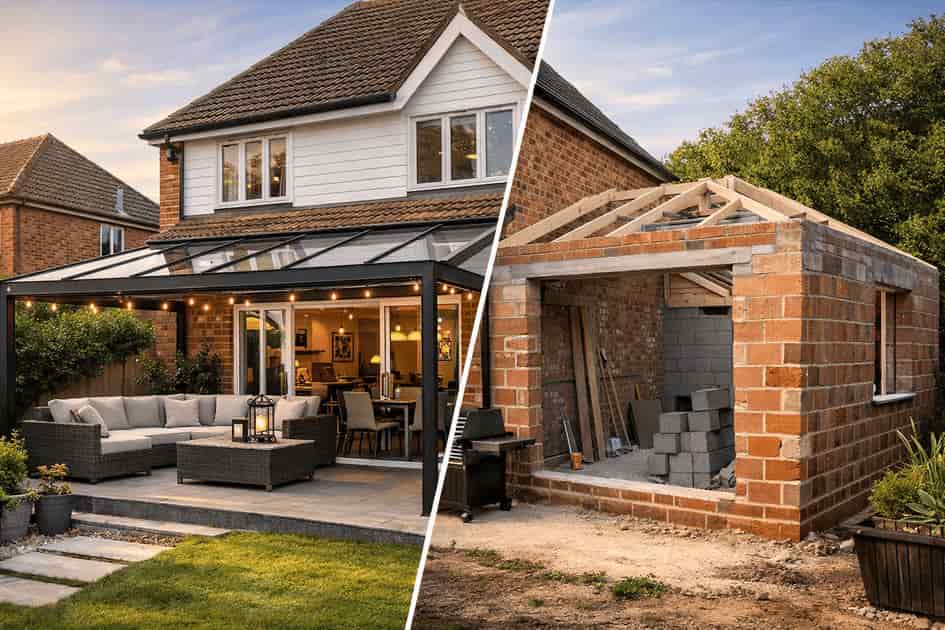
Over the past decade, I’ve worked with countless homeowners navigating this exact decision. And one thing is clear — the rise of the modern glass veranda isn’t just a trend. It’s a practical response to changing lifestyles, tighter budgets, and a growing desire for seamless indoor-outdoor living.
In this guide, we’ll break down how glass verandas compare with traditional extensions, including real-world cost insights, design flexibility, and what makes them such a compelling garden extension option in the UK.
Why More UK Homeowners Are Choosing Glass Verandas
Ten years ago, most people looking to expand their home defaulted to a brick-built extension. Today, that assumption is shifting.
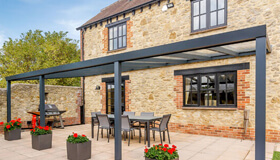
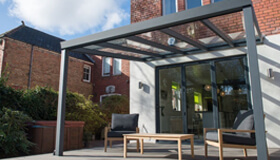
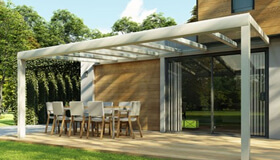
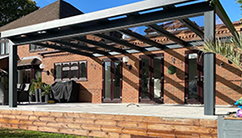
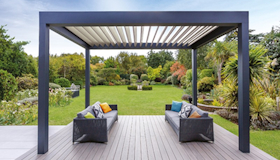
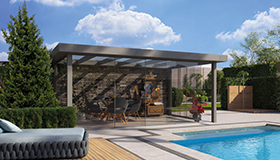
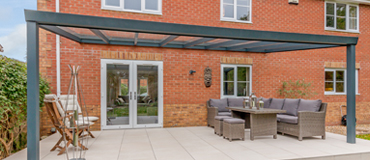
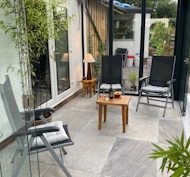
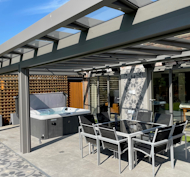
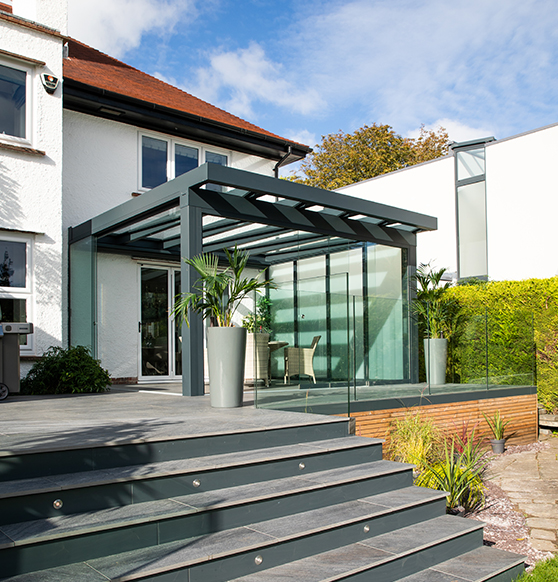
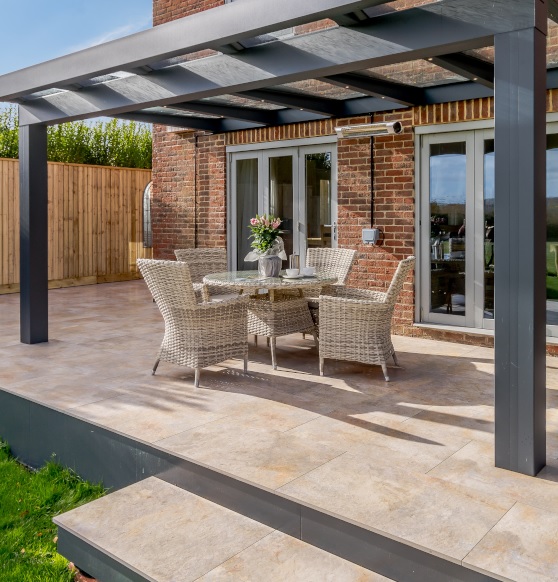
The modern glass room aluminium veranda offers something traditional builds often can’t — speed, flexibility, and visual openness. Instead of enclosing space entirely, it creates a sheltered outdoor area that still feels connected to your garden.
This matters more than ever. Outdoor living has become a priority for many households, and homeowners are increasingly looking for ways to enjoy their gardens year-round without committing to structural changes that disrupt the property.
That’s where glass veranda solutions stand out — they sit somewhere between a patio cover and a full conservatory, delivering usable space without the usual trade-offs.
Glass Verandas vs Extensions: The Key Differences
Before diving into costs and benefits, it helps to understand what sets these two options apart.
1. Planning Permission and Regulations
A traditional extension almost always involves:
- Planning approval (depending on size and location)
- Building regulations compliance
- Structural inspections
In contrast, many glass verandas fall under permitted development, particularly when installed at the rear of the property. That doesn’t mean rules don’t apply — height, projection, and boundary limits still matter — but the process is typically far simpler.
For homeowners who want a hassle-free garden upgrade, this alone can be a deciding factor.
2. Installation Timeline
If you’ve ever lived through a home extension build, you’ll know the reality: weeks (sometimes months) of dust, disruption, and tradespeople.
A professionally installed glass room aluminium veranda can often be completed in a matter of days.
That speed changes everything. Instead of a long-term construction project, it becomes a relatively straightforward home improvement — closer to installing premium glazing than rebuilding your property.
3. Cost Comparison: Verandas UK Prices vs Extensions
Let’s talk numbers, because this is where decisions often get made.
A modest rear extension in the UK can easily run into five figures per square metre once you factor in labour, materials, and finishing.
By comparison, verandas UK prices are typically far more accessible. While premium systems vary based on size and customisation, most homeowners find they can achieve a high-end outdoor structure for a fraction of extension costs.
And importantly, there are fewer hidden expenses — no structural reinforcements, fewer approvals, and reduced professional fees.
The Lifestyle Benefits of a Glass Veranda
Cost savings are compelling, but the real value of a glass veranda is how it changes the way you use your home.
A True Indoor-Outdoor Living Experience
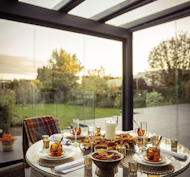
Unlike a brick extension, a glass veranda doesn’t separate you from the outdoors — it frames it.
You get:
- Natural daylight without compromise
- Rain protection without losing fresh air
- A seamless transition from kitchen to garden
For families who love entertaining, this is a game changer. Barbecues don’t get cancelled because of drizzle, and summer evenings stretch comfortably into cooler nights.
A Smarter Garden Extension
If your goal is simply “more space,” a full extension might be overkill. Many homeowners don’t actually need another enclosed room — they need flexibility.
A garden extension in the form of a glass veranda gives you a multi-use space:
- Morning coffee area
- Outdoor dining zone
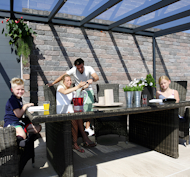
- Sheltered play space for children
- Relaxed work-from-home setting
It adapts with the seasons, which is something fixed extensions struggle to do.
Adds Value Without Overbuilding
From an estate perspective, over-extending can sometimes reduce appeal, especially if it eats into valuable outdoor space.
A well-designed glass veranda installation enhances kerb appeal without overwhelming the property footprint. It feels like an upgrade, not an alteration — and that distinction matters when it comes to resale.
Design Flexibility: Where Glass Verandas Shine
One of the biggest misconceptions I hear is that verandas are visually basic. That might have been true years ago, but modern systems are anything but.
Contemporary Aluminium Frames
The shift towards aluminium has transformed veranda aesthetics. Powder-coated frames offer:
- Slim sightlines
- Exceptional durability
- Colour customisation to match windows or doors
A high-quality glass room aluminium veranda integrates naturally with both modern and traditional homes.
Integrated Features
Today’s premium glass verandas can include:
- LED lighting strips
- Infrared heating panels
- Retractable glass sides
- Sliding doors or screens
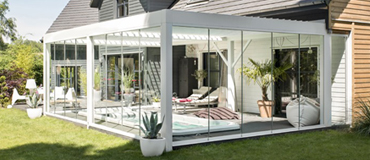
These additions blur the line between veranda and glass room — creating something far more versatile than a simple canopy.
Are Glass Verandas Suitable for the UK Climate?
Short answer: yes — if you choose the right system.
The UK’s unpredictable weather is exactly why glass verandas have grown in popularity. With laminated safety glass roofing and robust aluminium structures, they’re designed to withstand:
- Heavy rainfall
- Wind exposure
- Seasonal temperature shifts
Many homeowners find they use their veranda more in autumn and spring than peak summer — simply because it creates a sheltered microclimate that feels comfortable even when the weather turns.
When an Extension Still Makes Sense
To keep this balanced, glass verandas aren’t the answer for every situation.
A traditional extension may be better if you:
- Need additional bedrooms
- Want to expand kitchen square footage permanently
- Require fully insulated, year-round internal space
In those cases, a structural build provides functionality a veranda simply isn’t designed to replace.
But for lifestyle-driven upgrades, the balance often tilts the other way.
Understanding Verandas UK Prices in Context
One mistake I see often is comparing raw price tags without considering long-term value.
Yes, verandas UK prices are typically lower than extensions — but that’s only part of the story.
You should also factor in:
- Reduced installation disruption
- Minimal ongoing maintenance
- Faster enjoyment of the investment
- Greater flexibility for future upgrades
When viewed holistically, many homeowners find verandas deliver a higher satisfaction-to-cost ratio.
The Rise of the Glass Room Hybrid
An interesting shift in recent years is the demand for hybrid solutions — essentially enclosed verandas.
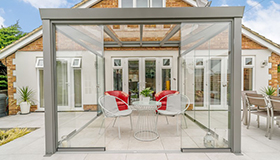
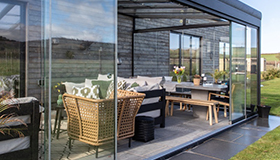
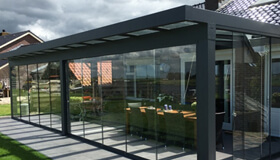
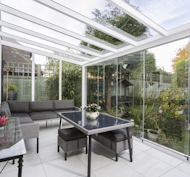
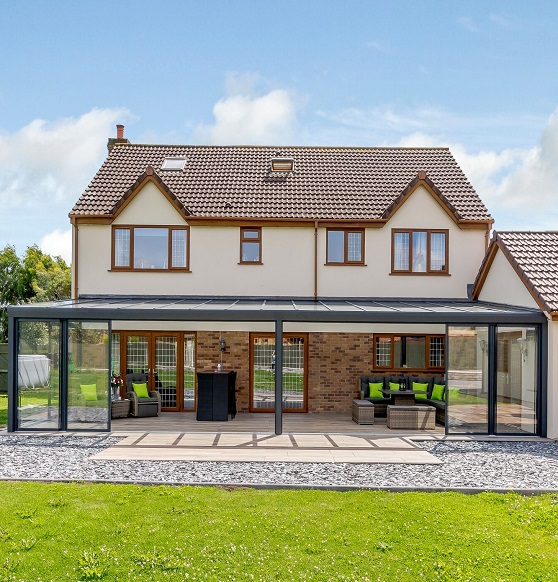
By adding sliding glass panels or vertical glazing, a glass room aluminium veranda can evolve into a semi-enclosed outdoor room.
This gives homeowners the best of both worlds:
- Open in summer
- Sheltered in winter
- Adaptable all year
It’s a modular approach that aligns perfectly with modern renovation trends — start simple, upgrade later.
Maintenance and Longevity
Another overlooked factor when comparing verandas and extensions is upkeep.
Brick extensions require:
- Roof maintenance
- Gutters and flashing checks
- Repainting or rendering over time
Glass verandas, particularly aluminium-framed ones, are refreshingly low maintenance. Occasional glass cleaning and basic inspections are usually all that’s needed to keep them looking pristine.
For busy homeowners, this simplicity is a major win.
Choosing the Right Supplier Matters
Not all glass verandas are created equal. Quality varies dramatically depending on materials, engineering, and installation standards.
When researching options, look for:
- Structural-grade aluminium systems
- Certified safety glazing
- Transparent pricing
- Proven installation experience
This is where working with specialists makes a difference — especially if you’re aiming for a long-term garden extension rather than a short-term upgrade.
Final Thoughts: Is a Glass Veranda Worth It?
If you’re deciding between a full extension and a veranda, the real question isn’t just about space — it’s about how you want to live.
A traditional extension offers permanence and enclosure. A glass veranda offers flexibility, speed, and a stronger connection to your outdoor space.
For many UK homeowners, that balance makes all the difference.
The modern glass veranda isn’t just a stylish addition — it’s a practical way to expand your living environment without the cost, complexity, and commitment of structural building work.
And with evolving verandas UK prices and increasingly sophisticated glass room aluminium veranda designs, it’s no surprise more homeowners are choosing this smarter, more adaptable alternative.
If your goal is a beautiful, functional garden extension that enhances both lifestyle and property appeal, a glass veranda might just be the upgrade that makes the most sense.