0% Interest FREE. SPRING SALE 25% Discount.
CLEARANCE OFFERS

Author: anna

There’s something quietly magical about spaces that blur the line between inside and outside. You step out with your morning coffee and realise you’re still in the comfort of your home—just closer to the sky, the garden, and the light. Over the past decade, homeowners have become far more intentional about how they use their homes, and one trend that continues to stand out is the rise of luxury outdoor living spaces.

Whether it’s a refined glass extension, a beautifully designed glass veranda, or a fully enclosed glass room, modern homes are evolving. They’re no longer about strict boundaries. Instead, they’re about flow—how light moves, how spaces connect, and how daily living feels more open and effortless.

At the forefront of this shift is Sunspaces, a brand known for creating bespoke solutions that genuinely elevate how homes are experienced.

Why Outdoor Living Spaces Are More Than a Trend

A few years ago, outdoor living spaces were mostly seasonal luxuries—used mainly during summer barbecues or garden parties. Today, they’ve become year-round lifestyle upgrades.

This change didn’t happen overnight. It’s rooted in how people now value their homes. We want spaces that feel calm, adaptable, and emotionally uplifting. A well-designed outdoor living area offers exactly that.

Instead of viewing your garden as separate from your home, it becomes an extension of your daily life. A place where you work, unwind, entertain, and spend slow Sunday mornings. And because these spaces are thoughtfully engineered, they remain comfortable through changing seasons.

The Appeal of Seamless Indoor-Outdoor Living

What makes luxury outdoor living spaces so compelling isn’t just aesthetics—it’s the experience.

Imagine sliding open glass panels and stepping into a space where natural light floods in, greenery frames your view, and the air feels fresher. You’re technically outside, but without sacrificing comfort.

This seamless transition is especially powerful in the UK climate, where weather can be unpredictable. A smartly designed glass room or glass veranda gives you the best of both worlds: openness without exposure.

And it’s not just about lifestyle. These spaces also add real, tangible value to your home—both emotionally and financially.

Glass Extensions: Expanding Without Compromising

A glass extension is often the first choice for homeowners who want to expand their living area without disrupting the character of their home.

Unlike traditional brick extensions, glass extensions feel lighter and more contemporary. They allow natural light to pour in while maintaining a visual connection with the outdoors. Kitchens become brighter. Dining areas feel more inviting. Even smaller homes suddenly feel more spacious.

The beauty of a glass extension lies in its versatility. It can function as:

  • A light-filled kitchen extension
  • A garden-facing lounge
  • A statement dining area
  • A modern home office

Because glass extensions are highly customisable, they can be tailored to complement both period properties and modern builds. Done right, they don’t look like add-ons—they feel like they’ve always belonged.

Glass Verandas: Effortless Outdoor Elegance

If you’re looking for a more open structure that still offers shelter and sophistication, glass verandas are a natural choice.

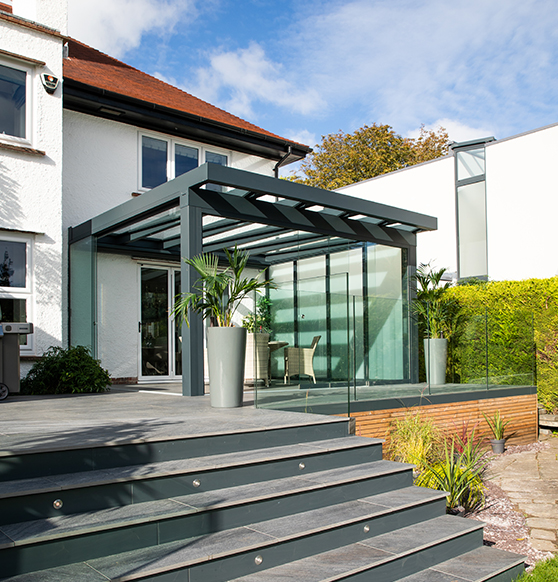
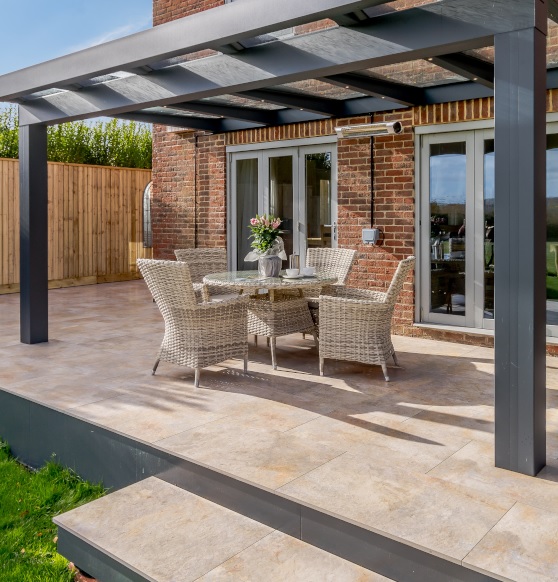
A glass veranda creates a refined outdoor living area that protects you from rain while keeping the space airy and open. It’s perfect for homeowners who want to enjoy their garden more often without committing to a fully enclosed build.

There’s a certain understated luxury to glass verandas. They don’t try too hard, yet they transform how you use your outdoor space.

Under a glass veranda, everyday moments feel elevated:

  • Morning tea feels calmer
  • Evening dinners feel more atmospheric
  • Rain becomes something you enjoy watching, not avoiding

And because of their minimalist design, glass verandas complement almost any architectural style.

Glass Rooms: Year-Round Outdoor Living

For those who want maximum usability, glass rooms offer the ultimate solution.

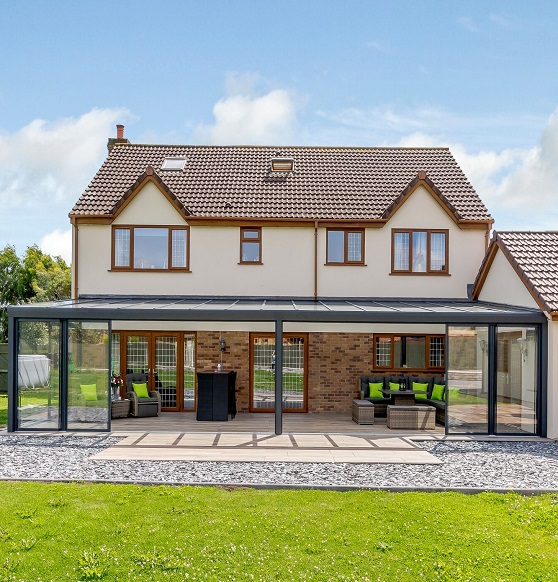
A glass room is essentially a fully enclosed outdoor living space that can be used throughout the year. With sliding glass panels, integrated lighting, and optional heating, these spaces remain functional even in colder months.

What sets glass rooms apart is their adaptability. One day it’s a cosy reading retreat. The next, it’s an entertaining hub. With the right design, it can even double as a wellness space or garden office.

More importantly, glass rooms create a sense of retreat without isolation. You’re still connected to nature—the changing light, the sound of rain, the view of the garden—but in total comfort.

The Emotional Value of Natural Light

One element that ties all outdoor living spaces together is natural light.

We often underestimate how much light shapes our mood and energy. Dark interiors can feel heavy, especially during long winters. By introducing glass structures—whether a glass extension or glass veranda—you invite light back into your daily life.

Brighter spaces tend to feel:

  • More uplifting
  • More spacious
  • More welcoming

And this isn’t just anecdotal. Many homeowners report spending more time in areas that receive abundant daylight. It subtly changes how a home is lived in.

Design That Balances Beauty and Practicality

Luxury doesn’t always mean extravagant. Often, it’s about thoughtful design that balances form and function.

High-quality outdoor living spaces are engineered to last. From powder-coated aluminium frames to precision glazing, every detail contributes to durability and performance.

Modern designs also incorporate practical features like:

  • Integrated drainage systems
  • Weather-resistant materials
  • Energy-efficient glazing
  • Low-maintenance finishes

This means your investment isn’t just visually appealing—it’s built for real-life use.

Adding Value Without Overcomplicating Renovations

One of the reasons outdoor living spaces have gained popularity is their relatively straightforward installation compared to traditional renovations.

A glass veranda or glass room can often be installed faster than a full structural extension. Yet the visual and functional impact is immediate.

From a property perspective, well-designed glass additions can:

  • Increase kerb appeal
  • Improve perceived space
  • Enhance resale value

Buyers are increasingly drawn to homes that offer flexible living areas, and outdoor living spaces tick that box beautifully.

Tailored Solutions for Modern Lifestyles

No two homes—or homeowners—are exactly alike. That’s why bespoke design plays such a big role in luxury outdoor living.

Some families want open entertaining spaces. Others want quiet retreats. Some prioritise modern aesthetics, while others prefer something more classic.

The best solutions aren’t off-the-shelf—they’re tailored. From frame finishes to glazing options, every detail can be customised to reflect how you actually live.

This approach aligns closely with what Google emphasises in its EEAT (Experience, Expertise, Authoritativeness, Trustworthiness) principles: authentic, experience-driven solutions built on real expertise.

In other words, thoughtful design matters. And homeowners are increasingly choosing brands that prioritise craftsmanship and credibility.

Sustainability and Smarter Living

Another factor driving the popularity of glass outdoor living spaces is sustainability.

Modern glazing technology has evolved significantly. Today’s glass structures are designed to maximise insulation and minimise energy loss. This means you can enjoy brighter spaces without dramatically increasing heating costs.

By improving natural light and passive warmth, glass extensions and glass rooms can even reduce the need for artificial lighting during the day.

And because many systems use durable, recyclable materials like aluminium and glass, they align well with environmentally conscious home improvements.

Creating a Lifestyle, Not Just a Space

Perhaps the biggest shift we’re seeing is how homeowners think about value.

It’s no longer just about square footage. It’s about how a space feels.

Luxury outdoor living spaces encourage slower living. They invite you to pause, step outside, and reconnect with simple pleasures—fresh air, greenery, natural light.

It’s the difference between having a house and truly enjoying your home.

Choosing the Right Outdoor Living Solution

If you’re considering investing in an outdoor living upgrade, the best starting point is clarity. Think about how you want to use the space.

Ask yourself:

  • Do I want something open and airy? (Glass veranda)
  • Do I need a fully usable year-round space? (Glass room)
  • Am I looking to expand my interior living area? (Glass extension)

Once you know your priorities, the design process becomes much more intuitive.

Working with experienced specialists ensures every detail—from structural integrity to aesthetic harmony—is handled with care.

Final Thoughts: Where Indoors and Outdoors Meet

Homes are evolving, and so are the ways we experience them. The rise of outdoor living spaces reflects a deeper shift toward comfort, flexibility, and meaningful design.

Whether it’s a sleek glass extension that transforms your kitchen, a minimalist glass veranda that elevates your garden, or a serene glass room that becomes your personal retreat, these spaces redefine what modern living looks like.

They don’t just add square metres—they add moments. Morning light across the table. Rain tapping gently on glass. Evenings that linger a little longer.

And that’s the real luxury: spaces that feel as good as they look, bringing indoors and outdoors together in a way that feels effortless, natural, and timeless.

If you’ve ever looked out into your garden and thought, “I wish I could enjoy this space all year,” you’re not alone. Over the past decade, outdoor living has quietly evolved in the UK. Homeowners are no longer just adding conservatories or patios — they’re investing in sleek, modern extensions that blur the line between indoors and out.

Two options come up again and again: glass rooms and sunrooms. At first glance, they seem similar. Both bring in natural light, extend your living space, and enhance property value. But when you dig a little deeper, the differences become clear — especially when comparing premium solutions like Panorama glass rooms against traditional sunrooms.

As someone who’s spent years working with homeowners planning outdoor upgrades, I’ve seen how choosing the right structure can transform not just a home, but how people use it. This guide will walk you through the real differences, including costs, performance, and long-term value — without the fluff.

Understanding Modern Glass Rooms in the UK

Glass rooms have surged in popularity across the UK for a reason. They offer a contemporary aesthetic that works beautifully with both new builds and older homes. Unlike conservatories of the past, today’s glass rooms are minimal, architectural, and designed to feel seamless.

Premium glass rooms — especially modular systems — use aluminium frameworks paired with expansive glazing. The goal isn’t just shelter; it’s clarity. You’re essentially creating a refined outdoor room that still feels open to the elements.

Many homeowners searching for glass rooms UK options are drawn to their versatility. They can function as:

  • Covered outdoor lounges
  • Dining spaces that work year-round
  • Spa or hot tub enclosures
  • Garden offices with a difference

One of the biggest advantages is flexibility. Depending on the design, you can keep them open in summer and enclosed during cooler months.

What Defines a Sunroom?

Sunrooms, on the other hand, have been around for decades. Traditionally, they’re closer in style to conservatories, often fully enclosed and integrated more directly into the house structure.

In the UK, sunrooms are typically:

  • Fully insulated
  • Built as permanent extensions
  • Heavier in construction
  • More traditional in appearance

They’re ideal for homeowners who want a fully indoor environment that feels like a bright extra room rather than a hybrid indoor-outdoor space.

When people search for sunrooms today, they’re usually prioritising warmth and comfort over flexibility. A sunroom behaves more like a living room with extra glazing than an outdoor structure.

Key Design Differences: Minimalism vs Integration

This is where Panorama glass rooms and sunrooms really diverge.

Glass rooms are designed around transparency and minimal framing. You get slimmer sightlines, uninterrupted garden views, and a distinctly modern feel. If your home leans contemporary — or you want to modernise it — glass rooms naturally complement that look.

Sunrooms, meanwhile, feel more integrated into the house itself. They’re often built with dwarf walls, tiled roofs, or more visible framing. While many modern sunrooms have improved aesthetically, they still tend to feel like extensions rather than outdoor living zones.

If design cohesion matters to you, consider how you want the space to feel. Do you want a stylish garden retreat, or a traditional extra room?

Cost Comparison: Glass Rooms vs Sunrooms

Let’s talk about what most homeowners really want to know — cost.

Glass Room Costs in the UK

The glass veranda cost varies depending on size, glazing options, and features like sliding panels or heating. Entry-level glass verandas can start lower, but high-end systems with frameless glazing and premium finishes naturally sit at the upper end.

Panorama-style glass rooms often cost more upfront because they’re engineered systems rather than custom-built structures. However, they typically come with:

  • Precision engineering
  • Faster installation
  • Lower structural disruption

For many homeowners researching verandas UK prices, the appeal lies in predictability. You’re buying a refined system rather than navigating a complex build.

Sunroom Costs

Sunrooms are usually more variable in price. Because they’re closer to traditional extensions, costs can fluctuate based on:

  • Foundations and groundwork
  • Insulation requirements
  • Planning permissions
  • Roofing systems

In some cases, a fully insulated sunroom may exceed the cost of a premium glass room, especially when factoring in labour and build time.

So while it’s tempting to assume sunrooms are cheaper, the reality is more nuanced.

Installation Time and Disruption

This is an underrated factor, but it matters.

Glass rooms — especially modular designs — are typically installed far quicker. Many can be completed within days rather than weeks. That means less disruption, less noise, and fewer surprises.

Sunrooms, by contrast, often involve a more traditional construction process. Think groundwork, brickwork, roofing, plastering — the full build cycle. For some homeowners, that’s perfectly acceptable. For others, the idea of a lengthy build is a dealbreaker.

If speed and convenience are priorities, glass rooms have a clear edge.

Year-Round Usability

One of the biggest myths I hear is that glass rooms are only for summer. That might have been true a decade ago, but modern systems have evolved dramatically.

Today’s high-quality glass rooms can include:

  • Sliding glass walls
  • Infrared heating
  • Weather-resistant roofing
  • Integrated lighting

With the right setup, they become genuinely usable year-round.

Sunrooms still hold an advantage in insulation. Because they’re built like extensions, they’re naturally warmer in winter. If you want a space that behaves like a fully internal room in January, a sunroom may still come out ahead.

But if you’re looking for flexibility — open in summer, cosy in winter — glass rooms offer something unique.

Planning Permission Considerations

Planning rules in the UK can be confusing, but here’s a simple breakdown.

Many glass rooms fall under permitted development, particularly when they’re freestanding or minimally attached. This can streamline the process significantly.

Sunrooms, depending on size and design, are more likely to require permissions or building regulations approval. Because they’re often treated as extensions, compliance becomes more involved.

Of course, every property is different, but if simplicity matters, glass rooms often present fewer hurdles.

Maintenance and Longevity

Another practical factor homeowners often overlook is upkeep.

Modern aluminium and glass systems are remarkably low-maintenance. Powder-coated finishes resist weathering, and high-quality glazing stays clear with minimal effort.

Traditional sunrooms can require more upkeep over time, particularly if they incorporate mixed materials like timber or tiled roofs.

If you’re investing for the long term and want minimal maintenance, this is worth factoring into your decision.

Which Option Adds More Value?

Both options can enhance property value — but in slightly different ways.

Glass rooms tend to add lifestyle value. They create a wow factor that appeals strongly in modern property markets, especially where outdoor entertaining is desirable.

Sunrooms may add more measurable square footage value, particularly if they’re fully insulated and classified as usable internal space.

Ultimately, the right choice depends on what kind of value you’re prioritising: lifestyle or traditional resale metrics.

Who Should Choose a Panorama Glass Room?

From my experience, Panorama-style glass rooms are ideal for homeowners who:

  • Love contemporary design
  • Want a seamless indoor-outdoor feel
  • Prefer faster installation
  • Value flexibility across seasons

They’re particularly popular among design-conscious homeowners who see outdoor space as an extension of their lifestyle rather than just extra square footage.

Who Should Choose a Sunroom?

Sunrooms are still an excellent choice for many households, especially if you:

  • Want a fully insulated extension
  • Prefer a traditional aesthetic
  • Need an all-weather living space
  • Prioritise internal room functionality

If your goal is essentially “another living room with more light,” a sunroom remains a strong contender.

Final Thoughts: Making the Right Choice for Your Home

Choosing between a Panorama glass room and a sunroom isn’t about which is objectively better — it’s about alignment with your lifestyle.

If you’re drawn to sleek architecture, flexibility, and modern outdoor living, glass rooms offer a compelling, future-forward solution. They’re designed for how people live today: fluid, open, and connected to nature.

If your priority is insulation, permanence, and traditional comfort, sunrooms still hold their ground as a practical, proven option.

The key is to step back and ask one simple question: how do you actually want to use the space?

Because once you answer that honestly, the right choice usually becomes clear.

Homeowners and businesses across the UK are increasingly investing in verandas, glass verandas, and outdoor living structures to maximise their usable space throughout the year. Whether the goal is to enhance property aesthetics, create functional outdoor areas, or add value to a commercial space, choosing the right veranda supplier is critical.

Not all veranda companies offer the same level of craftsmanship, turnaround time, warranty support, or custom features such as integrated lighting and heating systems. This guide brings together the key factors you must evaluate—including how to find providers offering lighting-ready structures, heating options, free quotes, and long-term warranties.


  1. Which Companies Offer Verandas with Integrated Lighting and Heating?

One of the most in-demand features for modern homeowners and businesses is a veranda that remains usable day and night, and throughout all four seasons. That means choosing a provider that offers lighting-ready structures, LED ambient lighting, and built-in or compatible heating solutions.

A. What to Look for in Lighting-Enabled Verandas

When evaluating UK veranda suppliers, ensure they offer:

  • Integrated LED strips fitted into rafters
  • Dimmable lighting systems for ambiance
  • Spot lighting in posts or beams
  • Smart controls (remote or mobile app)
  • Energy-efficient lighting for long-term use

These features help transform a simple outdoor shelter into a luxurious living area.

B. Heating Options to Ask for

Modern veranda systems can support various heating solutions, including:

  • Infrared heaters
  • Wall-mounted electric heaters
  • Ceiling-mounted warm air systems
  • Smart thermostat integration

This makes the veranda comfortable even during the winter months.

C. Recommended UK Companies Offering Lighting & Heating Integration

Based on product offerings from leading providers in the UK veranda market, here are companies known for offering fully integrated lighting and heating features:

  1. SunSpaces
    • Offers ambient LED lighting built into the structure
    • Compatible with infrared heating systems
    • Known for robust aluminium frames and premium design
  2. Nationwide Windows & Doors / Bespoke Outdoor Living Providers
    • Provide optional LED strips and heater installation support
    • Specialise in high-spec aluminium verandas
  3. Awnings UK & Glass Room Specialists
    • Provide lighting and heating installation during fabrication
    • Offer premium outdoor living packages for both homes and businesses

No matter which supplier you choose, always confirm whether the lighting and heating can be factory-integrated or installed on-site.

2. Where Can I Get a Free Quote for a Bespoke Veranda Installation?

High-quality veranda companies in the UK know that homeowners and commercial buyers need clarity before committing to a major installation. For this reason, most reputable suppliers offer free, no-obligation quotes.

A. What Should a Good Free Quote Include?

When requesting a veranda quote, expect:

  • Site measurement / virtual design consultation
  • 3D visualisation or design plans
  • Material specifications (aluminium grade, glass types, roofing)
  • Lighting, heating & accessories breakdown
  • Installation schedule & timeline
  • Warranty details
  • Total cost estimate with optional upgrades

A transparent quote helps avoid unexpected costs and ensures you understand the scope before signing.

B. UK Companies Providing Free Veranda Quotes

  1. SunSpaces (UK)
    • Offers free design consultations and detailed quotations
    • Provides CAD visuals on request
    • Specialises in bespoke verandas, pergolas, and garden rooms
  2. Canopy & Shelter Providers (Various UK Brands)
    • Provide free on-site surveys
    • Include material, accessory, and installation costs in the quote
  3. Outdoor Living Retailers Across the UK
    • Many independent installers offer free quotes for glass verandas and canopy structures

If you’re planning a large commercial project (e.g., hospitality, retail extensions, outdoor dining), ask about bulk pricing or B2B packages.

3. Which Veranda Providers Include Warranties on Their Products?

A veranda is a long-term investment, so warranty protection is one of the most important factors when choosing a supplier. You want a structure that is durable, weather-resistant, and backed by manufacturer confidence.

A. Why Warranties Matter

A warranty ensures protection against:

  • Frame defects
  • Glass issues
  • Coating/finish deterioration
  • Structural faults
  • Electrical issues (when lighting/heating included)

A good warranty reflects product quality and supplier credibility.

B. What Warranty Duration Should You Expect?

Most high-quality UK veranda companies offer:

  • 10–25 years warranty on aluminium frames
  • 5–10 years warranty on glass or polycarbonate roofing
  • 2–5 years warranty on electrical components (lighting/heating)
  • Workmanship/installation warranty for 1–3 years

C. UK Companies Known for Strong Warranty Support

  1. SunSpaces UK
    • Known for industry-leading structural warranties
    • Aluminium frames come with long-term coverage
    • Electrical features and accessories carry manufacturer support
  2. Premium Glass Room Installers
    • Provide extended warranties on tempered glass and powder-coated aluminium
  3. Custom Outdoor Living Specialists
    • Offer warranties depending on material and installation type

Before finalising supplier selection, always request a written warranty document.

How to Choose the Best Veranda Supplier in the UK (Complete Checklist)

Use this checklist as a decision-making framework:

A. Structural Quality

  • Aluminium grade (6063-T6 recommended)
  • Glass thickness (8mm–10mm)
  • Wind/snow load compliance

B. Customisation Features

  • Lighting integration
  • Heating support
  • Roof type (glass, polycarbonate, opaque aluminium)
  • Side glazing options

C. Services Provided

  • Free quote
  • 3D design visualisation
  • Site survey
  • Installation timeline
  • Post-installation support

D. Warranty and Aftercare

  • Frame coverage
  • Roofing material warranty
  • Electrical/heating warranty
  • Installation workmanship warranty

E. Budget and Return on Investment

  • Bespoke verandas typically range from £3,000 to £15,000+
  • Commercial verandas may require custom pricing
  • Lighting/heating upgrades increase long-term usability

Conclusion: The Best Veranda Providers Offer More Than Just a Structure

Choosing a veranda supplier in the UK goes beyond selecting a basic outdoor canopy. Modern customers expect:

  • Integrated lighting
  • Heating solutions
  • Free bespoke quotes
  • Strong warranties
  • Durability and year-round functionality

Brands like SunSpaces and other premium UK outdoor living specialists stand out for offering fully customisable solutions, robust aluminium construction, and long-term product guarantees. Whether you are a homeowner enhancing your garden or a business upgrading your outdoor experience, evaluating these factors will ensure you invest in a veranda that is functional, elegant, durable, and future-proof.

If you’re thinking of expanding your living space while maximizing light, comfort, and resale value — a glass room, veranda, or sun room might be your ideal solution. In 2025, home improvement trends across the UK show a surge in interest for garden rooms and glass-based extensions. 

At Sunspaces, we’ve helped countless homeowners create stunning, functional glass rooms that feel both modern and timeless. In this guide, we’ll walk you through what you can expect in terms of cost, explore key benefits, and share smart ways to save — so you can plan confidently, stay within budget, and enjoy a beautiful new space all year round.

Why Glass Rooms Are Trending in the UK

Recent years have seen major shifts in how people use their homes — and those shifts are fueling demand for glass rooms, verandas, and sun rooms.

  • Desire for more space without moving: Many UK homeowners feel their homes are too small or have underutilised space. Nearly 30% say their property feels too constraining, and a significant portion have considered extensions or garden rooms.

  • Changing lifestyles: With remote and hybrid work becoming more common, people want versatile spaces — home offices, dining areas, exercise zones, or leisure spots. Glass rooms offer flexibility and can adapt over time.

  • Demand for natural light and connection with nature: Biophilic design (bringing nature into living spaces) is a top trend in 2025 — and glass rooms, with large glazed walls and roofs, allow maximum daylight, views of gardens, and seamless indoor-outdoor living.

  • Sustainability and energy efficiency: Modern glass rooms use improved glazing, materials, and insulation to reduce heat loss and improve energy performance, aligning with growing eco-consciousness in UK homeowners. 
  • Growing property value & resale appeal: Adding a well-designed glass room can significantly up the value and attractiveness of your home — buyers increasingly see such spaces as lifestyle upgrades.

Given these factors, it’s no surprise that glass rooms — from sleek modern verandas to fully enclosed sun rooms — are among the hottest home-improvement trends in the UK in 2025.

What Affects the Cost of a Glass Room / Veranda / Sun Room

Cost is often the first concern for homeowners — and for good reason. But “cost” can vary widely depending on what you want. Below are the main factors that influence price:

1. Size and Footprint

The larger the footprint, the more materials, labour, foundation work (if needed), glazing panels, and finishing touches. A compact veranda might cost much less than a full-sized glass room.

2. Type of Glass Structure

  • Simple veranda canopy (roof + minimal side glazing): generally the most affordable.

  • Semi-enclosed veranda / glass canopy with side panels: mid-range cost, offers more protection and usability.

  • Fully enclosed glass room / sun room / garden room: highest cost, especially if insulated, with glazing walls and roof, proper foundation, heating/ventilation, etc. As highlighted recently — glass garden rooms are among the fastest growing home-improvement investments in 2025.

3. Materials & Glazing Quality

High-spec, energy-efficient glazing (e.g. low-E glass, triple glazing, insulated frames) can drive up costs, but they offer benefits in durability, comfort, energy bills, and resale value.

  1. Foundation / Floor / Structural Work

If the glass room requires a new base, leveling, drainage, or connection to the existing building — foundation work and structural modifications add to the cost.

5. Additional Features (Heating, Ventilation, Blinds, Lighting, Smart Integration)

If you plan to use the space year-round — for a home office or living space — you might need heating, ventilation, blinds or shades, integrated lighting, maybe even smart-home integration. All that enhances comfort — but also adds to cost. 

  1. Labour & Permits / Building Regulations

Depending on your local council, size, and whether you’re modifying the house structure, you may need permits or compliance with building regulations — which influences cost and timeline.

Typical Cost Ranges (Indicative)

Because of these variables, cost can vary a lot. But as a rough guide:

  • A simple veranda canopy or small glass veranda might be among the lower-cost options.

  • A mid-range semi-enclosed veranda / veranda with side glazing generally costs more, but remains more budget-friendly than full rooms.

  • A fully enclosed glass room / garden sun room — with full glazing, insulation, possibly heating, bespoke design — represents a premium investment.

At Sunspaces, we often recommend balancing size, glazing quality, and purpose (seasonal use vs. year-round use) to optimise both cost and long-term value.

Key Benefits of Choosing Glass Rooms, Verandas & Sun Rooms

Investing in a glass room — whether a veranda, garden room, or full sun room — brings multiple tangible benefits. Here’s why many UK homeowners are deciding it’s worth it:

1. Seamless Indoor-Outdoor Living

Glass rooms blur the boundary between inside and outside. Floor-to-ceiling windows, transparent roofs, and minimalist frames mean you get panoramic views of gardens, natural light, and a sense of openness — all while staying protected from the elements. Many modern verandas offer this seamless transition, making them ideal for relaxing evenings, family time, or entertaining guests. 

2. Versatility & Multifunctional Use

Whether you want a peaceful home office with garden views, a dining area bathed in daylight, a yoga/meditation room, a playroom for kids, or a cosy sitting room — glass rooms are versatile. With changing lifestyle needs, such flexibility is invaluable. 

3. Natural Light & Well-Being

More natural light has been linked to improved mood, productivity, and general well-being. Glass rooms maximize daylight and reduce reliance on artificial light during the day. They align with biophilic design trends — bringing nature and natural elements into daily living spaces. 

  1. Energy Efficiency & Sustainability (if built well)

With modern glazing technologies — low-E glass, insulated frames, energy-efficient windows — glass rooms can be surprisingly efficient. They retain heat better, reduce energy loss compared to older conservatories, and help meet rising demand for sustainable, eco-conscious homes in the UK. 

5. Increased Property Value & Resale Appeal

Adding a quality glass room or veranda can raise a property’s value and make it more attractive to potential buyers. In 2025, garden rooms and glass extensions remain among the top home-improvement investments UK homeowners consider before selling or renovating. 

  1. Year-Round Usability (with proper design)

Unlike open patios or simple pergolas, modern glass rooms can be made weather-tight, insulated, and comfortable for use throughout the year — even in cold, rainy, or windy UK weather. That makes them a much more flexible addition than seasonal garden structures. 

Smart Ways to Save — Get Affordable Glass Rooms Without Breaking the Bank

If cost is a concern (as it is for many), there are several strategies to enjoy the benefits of glass rooms or verandas without overspending:

1. Choose the Right Type of Structure

If you don’t need a fully enclosed year-round room, a semi-enclosed veranda or a glass veranda canopy with side panels can deliver many of the benefits (light, garden connection, extra space) at a lower cost.

2. Optimize Size & Scope

Instead of going for a large structure, start small — a compact glass veranda or modest garden room — then expand later when budget allows. This staged approach helps manage cost.

3. Use High-Efficiency Glazing & Materials Wisely

Investing in good-quality glazing and thermal insulation may cost more upfront — but over time, reduced heating costs and better energy efficiency make it worthwhile. It’s a long-term saving.

4. Prioritise What You Need — Heating, Blinds, Extras Later

If you just want extra light and space for parts of the year, skip full heating or luxury features initially. Add these later when they become essential.

5. Smart Planning & Permits

Work with a trusted provider (like Sunspaces) who can advise whether your project needs building permits or falls under permitted development rights. Minimising regulatory complications cuts both cost and delay.

6. Think Long-Term Value & Resale Benefit

Remember: a well-built glass room adds value to your home. Consider it not just as a cost, but as an investment in property value — which often pays off if you decide to sell.

What to Look for When Choosing a Glass Room or Veranda Provider

Given the growing popularity of glass rooms in the UK, many providers claim to offer the best deals. But to truly benefit, you should prioritise quality, transparency, and long-term performance. Here’s what to check:

  • Use of high-quality glazing (low-E, insulated, energy-efficient) rather than thin, cheap glass.

  • Durable and weather-resistant frame materials (aluminum, treated timber, etc.) that withstand UK weather year-round.

  • Good insulation, proper foundations or floor solutions, especially if you want all-season usability.

  • Optional extras like thermal glazing, blinds, integrated lighting, and heating capability for comfort.

  • Compliance with UK building standards and regulations (especially if modifications to the main house are involved).

  • Clear cost breakdowns — materials, labour, installation, finishing — so you avoid surprise expenses.

  • After-sales support and warranty — important to maintain durability and add resale value.

At Sunspaces, we emphasise these points in every project. That’s why many homeowners trust us for their glass rooms and verandas — because we deliver on comfort, quality, and long-term value.

Real-World Use Cases: How Homeowners Use Glass Rooms & Verandas

Here are some of the most common ways UK homeowners are enjoying their new glass rooms or verandas in 2025:

Use Case

Why It Works

Home Office with Garden View

Natural light improves productivity; glass walls offer peace and separation from main house.

Dining / Family Room

A bright, open space for meals and gatherings; easy access to garden — ideal for entertaining.

Relaxation / Reading / Lounge Space

Panoramic views, sunlight, and connection with nature create a calming environment.

Guest Room / Spare Room

With proper glazing and insulation, convertible for occasional guests — adds flexible space.

Children’s Playroom / Hobby Room

Cheaper and more flexible than building a full brick extension, yet connected to main house.

Garden Living Room / Sun Room

Great for year-round garden enjoyment, even in rainy UK weather — blurs inside/outside.

These examples show just how versatile a well-designed glass room can be — satisfying needs from work to leisure, socialising to quiet reflection.

Addressing Common Concerns & Misconceptions

Even with the popularity of glass rooms rising, some homeowners hesitate — often due to misunderstandings. Here’s what we commonly hear — and what the facts show.

“Glass rooms get too hot in summer / too cold in winter.”

With the right glazing, insulation, and ventilation/heating, a glass room can be comfortable year-round. Modern materials and designs are much better than old-school conservatories. 

“They cost almost as much as a full extension.”

That depends — but by choosing a scaled-back veranda or semi-enclosed structure, you can get many benefits at a fraction of the cost. Smart planning helps manage costs effectively.

“They don’t add as much value as a brick extension.”

Many buyers today value good glass rooms, especially if they are well-built, insulated, and integrate naturally with the house and garden — making them a sought-after feature.

“Maintenance must be high — glass cleaning, heating, etc.”

High-quality glazing and materials are designed to be low-maintenance and weather-resistant. And the benefits — natural light, usability, value — generally outweigh maintenance needs.

Why Choosing Sunspaces Makes Sense

At Sunspaces, we don’t just build glass rooms — we design living experiences. Here’s what sets us apart:

  • We use top-quality glazing and frame materials to ensure energy-efficiency, durability, and weather resistance.

  • Our designs incorporate modern building practices, insulation, and climate-appropriate solutions — so your glass room is usable year-round, not just in summer.

  • We help you balance cost, functionality, and future resale value, offering transparent cost breakdowns and tailored recommendations.

  • We stay up to date on UK home-improvement and design trends — including biophilic design, flexible living spaces, and sustainable upgrades.

Whether you need a light-filled veranda for occasional use or a fully-equipped glass room for daily living — we guide you end-to-end, from planning to installation, with a focus on quality and value.

Planning Your Glass Room: Step-by-Step Guide 

To help you get started, here’s a simple step-by-step roadmap for planning and building your glass room or veranda:

  1. Define your purpose — seasonal garden lounge, home office, full living room, dining area, etc.

  2. Assess available space & layout — garden size, property boundaries, ground level, proximity to house.

  3. Set a budget & priorities — size, glazing quality, insulation, extras (heating, blinds, lighting), foundation work, finishing.

  4. Choose type of structure — veranda canopy, semi-enclosed veranda, fully enclosed glass room / sun room.

  5. Get professional advice & quote — working with experienced providers ensures compliance, durability, and transparent cost breakdown.

  6. Check permits / building regulations — some projects may need permits depending on UK local authority rules.

  7. Plan for insulation, ventilation, heating & finishing touches — to ensure usability year-round.

  8. Execute construction & installation with quality materials — using proper glazing, frames, flooring, drainage, sealing.

  9. Add finishing touches — blinds/curtains, heating, lighting, furniture, décor — make the space livable and comfortable.

  10. Maintain & enjoy — minimal maintenance if built properly; enjoy enhanced living space, natural light, and improved home value.

Final Thoughts: Is a Glass Room Worth It?

If you value light, flexibility, connection with nature, and long-term property value — yes, a glass room, veranda, or sun room can absolutely be worth it. Given the UK’s rising trend toward home upgrades, sustainability, and flexible living spaces, glass rooms represent an investment not just in your home — but in your lifestyle.

When approached thoughtfully — balancing design, materials, insulation, and cost — they deliver unmatched benefits: a bright, airy space; closer contact with your garden; a versatile “extra room”; and increased appeal to future buyers.

At Sunspaces, we believe in quality, transparency, and creating spaces that enhance daily living. If you’re considering adding a glass room to your home — we’re here to help design something beautiful, functional, and cost-effective.

Call to Action

Ready to explore how a glass room, veranda, or sun room could transform your home? Visit our Panorama page now at Sunspaces Panorama or contact us for a free consultation. Let’s build your perfect glass space together!

The modern home is constantly evolving, driven by a desire for spaces that blend luxury, functionality, and a deeper connection to nature. At the forefront of this architectural revolution is the glass veranda. Far from being a mere canopy, this elegant, transparent structure has transcended its traditional role as a simple covered porch to become a versatile, year-round extension of the home—a true bridge between the internal and external worlds.

For a brand operating on a global stage, trust is built on more than just product quality; it rests on shared vision, enduring reliability, and the ability to inspire. This deep dive explores how a glass veranda can be creatively utilised and extended, unlocking new dimensions of living and solidifying its position as an essential element in contemporary global home design. We’ll show how this single structure can transform a property, enhance a lifestyle, and represent a wise, lasting investment, effectively addressing the core concern of glass veranda cost by highlighting its monumental value addition.


The Evolution of the Veranda: From Porch to Panacea

Historically, the veranda served a pragmatic purpose: to provide shade and shelter at the home’s entry point. Its evolution into a sleek, aluminium-framed structure, topped with high-specification safety glass, marks a significant shift. Today’s glass verandas is an architectural statement, defined by clean lines, maximal natural light, and the ultimate versatility.  It is, by design, an invitation to enjoy the outdoors without compromise.

The modern glass veranda is engineered for longevity and effortless maintenance, using materials like durable, corrosion-resistant aluminium and robust laminated glass. This commitment to quality and lasting performance is the first pillar in building global brand trust: delivering a product that consistently exceeds expectations in diverse climates and conditions.

Phase 1: Creative Uses – Redefining the Open-Air Lifestyle

The inherent beauty of a glass veranda lies in its flexibility. Its roof—a transparent shield—offers protection from rain and harmful UV rays while preserving the expansive feeling of open-air living. This allows for a myriad of creative uses that dramatically extend the home's functional square footage.

1. The All-Season Al Fresco Dining Haven

A primary and most popular use is the transformation into a dedicated outdoor dining room. Unlike an uncovered patio, a veranda ensures that mealtime plans remain unaffected by unpredictable weather. It allows for the permanent placement of elegant dining sets, complete with outdoor rugs and stylish fixtures, turning a routine dinner into an immersive sensory experience. Imagine hosting a late-autumn dinner party, protected from the evening chill yet surrounded by the atmospheric beauty of the changing season. This is where the glass veranda delivers a priceless lifestyle upgrade.

2. The Sun-Drenched Relaxation Retreat

A veranda can easily become the ultimate outdoor living room. Furnish it with weather-resistant deep-seated sofas, plush cushions, and soft throws. Add atmospheric lighting—perhaps subtle integrated LED strips in the aluminium frame—to create an ambient space for unwinding. This sheltered area becomes a year-round haven: a tranquil spot for a morning coffee in the spring, a shaded reading nook in the summer, or a cosy shelter to watch a winter storm roll through. It becomes a functional, beautiful, and emotionally valuable space—a true extension of the home’s core living area.

3. The Artistic and Wellness Zone

For those with creative or wellness-focused pursuits, the veranda offers an inspiring setting.

  • Outdoor Studio: With ample light and shelter, it's the perfect space for painting, sketching, or crafting, allowing creative minds to draw inspiration from the garden.
  • Home Gym/Yoga Deck: Placing exercise equipment or a yoga mat beneath the glass roof offers a unique, naturally lit environment for a daily workout, turning routine exercise into a revitalising outdoor activity.
  • The Gourmet Grill Station: Moving the barbecue or an entire outdoor kitchen setup under the veranda roof means grilling is no longer weather-dependent. It protects expensive equipment and provides a social hub for the chef, making outdoor entertaining more seamless and enjoyable.


Phase 2: Extension Ideas – Building the Ultimate Outdoor Garden Room Ideas

The greatest long-term value of a glass veranda comes from its potential for seamless enclosure, creating a permanent, fully functional extension garden room ideas space. By adding retractable or fixed glass side walls, a simple covered area transforms into a structurally sound glass room—often referred to as a ‘Winter Garden’—that can be enjoyed regardless of the season, and is significantly more cost-effective and faster to install than a traditional brick-and-mortar extension.

1. The Seamless Glazed Living Room

Converting the veranda into a fully enclosed glass room creates a bright, highly insulated, and secure secondary living area. This space can be climate-controlled with integrated heating and cooling, effectively adding a luxurious, new room to the property. This is the pinnacle of the extension garden room ideas concept, providing a space that feels both outdoors and indoors simultaneously. It's a game-changer for homes where maximising natural light and garden views is paramount.

2. The Productive Home Office with a View

In an era of remote work, a dedicated, tranquil workspace is essential. A glass room extension offers the ideal setting: a quiet, light-filled office that provides an invigorating visual connection to the garden, far removed from the distractions of the main house. The psychological benefits of working in natural light and with a view of nature are undeniable, making the -turned-office a powerful selling point for global clientele.

3. The Horticultural Haven – A True Garden Room

For the green-thumbed enthusiast, an enclosed glass veranda becomes an exquisite orangery or sunroom. It offers a protective environment for delicate and exotic plants, extending the growing season and creating a stunning focal point within the home. This use underlines the veranda’s ability to cater to niche passions, appealing directly to a global segment of discerning homeowners.

The Global Trust Formula: Value, Quality, and Transparency

Building brand trust internationally requires a transparent discussion of value, particularly concerning the glass veranda cost. While the initial investment may be higher than a simple patio umbrella or wooden awning, the long-term ROI is vastly superior, making the glass veranda the smart, value-driven choice.

1. Long-Term Reliability and Warranty

A premium glass veranda is an engineered product, not just a structure. This includes robust aluminium frames, tested against high wind and snow loads, and safety-laminated glass. Global brands must offer an ironclad, decade-long warranty that speaks to the material quality and installation precision. This reliability across diverse global climates—from the snowy peaks of the Alps to the sun-drenched coasts of the Mediterranean—is the ultimate trust builder.

2. Property Value and Return on Investment

The veranda's ability to create usable, permanent, and visually stunning extra living space significantly boosts property value. It offers the aesthetic appeal of a modern conservatory with the structural simplicity and installation speed of a semi-permanent extension. Prospective buyers globally recognise the tangible benefit of year-round outdoor enjoyment, viewing the veranda as a major asset that justifies the initial glass veranda cost.

3. Sustainability and Energy Efficiency

Modern veranda designs incorporate thermal-break technology and solar-control glazing. This means that when enclosed, the glass room is energy efficient, retaining heat in winter and mitigating solar gain in summer. For a globally conscious clientele, the brand's commitment to sustainable, energy-saving design is a key differentiator and a pillar of ethical brand trust.

Final Thoughts: A Vision of Global Outdoor Living

The glass veranda is more than an architectural feature; it is a lifestyle investment that enriches daily living. By offering a deep understanding of its creative potential—from an all-season dining area to the ultimate extension garden room ideas—a brand can connect with homeowners on an aspirational level.

Highlighting the enduring quality, the robust warranty, and the clear return on investment directly addresses concerns around the glass veranda cost. The modern glass veranda is the definitive solution for homeowners seeking to maximise their property's enjoyment, blend indoor comfort with outdoor freedom, and make a globally recognised statement of quality and style. By consistently delivering this high-value, high-performance product, a brand solidifies its position as the trusted global leader in sophisticated outdoor verandas and luxurious outdoor living solutions.

How to Choose the Right Year-Round Outdoor Living Space

When you begin the journey of expanding your home, you quickly encounter a confusing array of terms, veranda, glass room, and enclosed veranda. These modern options promise beautiful, light-filled living, moving beyond the well-known compromises of the old-fashioned conservatory (a seasonal glasshouse often too hot or too cold).

For homeowners in the UK, understanding the differences between a fixed-roof extension, an open shelter, and an adaptive glass space is crucial to ensuring your investment delivers true year-round outdoor living comfort.


At Sunspaces UK, we specialise in premium, adaptable glass rooms and verandas designed for the modern home. Our ultimate goal is to offer a space that bridges the gap between your home and garden, without the structural compromises of older designs.

Here, we provide the definitive breakdown, helping you navigate the options and discover why a Glass Room is the perfect evolution for contemporary UK living.

1. The Fixed Extension: The Solid-Roof Sunroom

A solid-roof sunroom (often called a garden room or insulated extension) is the closest structure to a permanent home extension. It features a solid, insulated roof (often tiled or slated) and solid walls, punctuated by large windows and patio doors.

The Advantages:

  • Year-Round Usability: With fully insulated walls and a solid roof, a sunroom retains heat exceptionally well and is regulated by standard home heating systems. This makes it a true all-season living space that is functionally an extra room.
  • Seamless Integration: Sunrooms are usually built to match the existing house materials and blend seamlessly with the main property's architecture.

The Trade-Offs (The Missing Link):

  • Cost and Time: Because a sunroom is essentially a full extension, the cost is significantly higher, and the build time is much longer, often requiring complex, intrusive building work and deeper foundations.
  • Reduced Light: The solid roof, while excellent for insulation, sacrifices the beautiful, light-filled feeling of being fully outdoors. Crucially, a solid roof casts a permanent shadow on the adjacent main rooms of your home, reducing the natural light within your property.
  • Lack of Flexibility: Once built, it is a permanent, fixed room. You cannot open it up to enjoy the breeze on a perfect summer day; you are always indoors.

2. The Open Structure: The Veranda

A standard veranda is a robust, elegant structure attached to your home, offering overhead cover. It is defined by its open sides and provides a semi-outdoor seating area, perfect for al-fresco dining and relaxing under shelter.

The Advantages:

  • Open Air: Verandas offer an immediate connection to the outdoors, allowing constant airflow.
  • Protection: They provide excellent shelter from rain and direct sun glare (depending on the roof type).
  • Cost-Effective: As a simpler, open structure, the base veranda is the most cost-effective option and requires minimal intrusive construction work.

The Trade-Offs (The Exposure Problem):

  • Seasonal Use: Because the sides are open, verandas offer no protection from wind, sideways rain, or cool temperatures. This means they are highly seasonal, often only usable comfortably during the warmest, calmest weeks of the UK year.
  • Pests and Pollen: The open nature means no barrier against insects, leaves, or pollen.
  • Zero Thermal Retention: They act as an open shelter, not a living space, offering no thermal buffer to the main home.

3. Introducing the Glass Room: The Ultimate Adaptive Space (Enclosed Veranda)

If the solid-roof sunroom is too dark and the open veranda is too seasonal, the highly engineered Glass Room is the modern solution.

A Glass Room is not a fixed extension, nor is it just a shelter; it represents the perfect hybrid. It starts as a veranda structure and is then enclosed with high-quality, frameless-look glass sliding walls, converting it into a flexible Glass Room (or Enclosed Veranda).

The Glass Room Difference: The Power of the Sliding Roof

The true brilliance of a Glass Room, and what sets it apart from solid-roof sunrooms and seasonal verandas, is the option of our adaptive sliding glass roof. Unlike fixed roofs (solid or glass) or retractable fabrics (which lack durability), the Glass Room's sliding roof offers complete control and adaptability:

  1. Eliminate Greenhouse Effect: On a hot day, you can partially or fully slide the glass panels open to allow rising heat to escape and a fresh breeze to circulate, eliminating the stifling heat often found in fully fixed-glass structures.
  2. Maximum Light Penetration: In winter or on dull days, you can slide the panels back to flood your main house and the Glass Room itself with direct, natural light, avoiding the permanent gloom caused by solid sunroom roofs.
  3. Total Protection: Close the roof and sliding glass walls completely when the weather turns, giving you a warm, dry room that is perfectly protected from the UK’s unpredictable rain, wind, and insects.

This means your Glass Room is not limited to four months of the year; it is a dynamic extension that is comfortable and usable every single day of the year, regardless of the weather.

4. Why a Glass Room is the Smartest Home Investment

When looking for an addition that genuinely enhances your lifestyle and adds lasting value, a Glass Room offers several critical advantages over both simple verandas and full, fixed-roof extensions.

Unmatched Year-Round Comfort and Energy Efficiency

Our systems use high-performance, energy-efficient 8mm thick glass walls and robust, insulated aluminium frames. When closed, the Glass Room acts as a thermal buffer, creating a protective layer that helps your main home retain heat, potentially lowering your overall heating bills. The adaptability of the sliding roof and walls ensures you can always achieve the perfect temperature, whether you need maximum solar gain or quick ventilation.

Maximise Natural Light and Boost Well-being

The Glass Room design prioritises frameless-look glass over opaque materials. This ensures you benefit from an abundance of natural light throughout the day, which is proven to boost mood, productivity, and general well-being. Unlike a sunroom with a solid ceiling, our glass roof option ensures light pours in from above, providing a truly immersive, outdoor-yet-sheltered feel.

Significant Increase in Property Value

The UK property market places a high premium on modern, adaptable, and low-maintenance outdoor living spaces. A beautifully designed Glass Room is seen as a high-quality architectural feature, not a compromise or a temporary shelter. Its seamless blend of indoor elegance and outdoor accessibility immediately elevates the appeal and value of your home, providing an excellent return on investment.

Engineered for Durability and Aesthetics

Sunspaces UK uses only premium-grade, low-maintenance aluminium for our frames. This durable material is resistant to rust, warping, and fading, ensuring your Glass Room looks stunning for decades with minimal upkeep. Our designs feature sleek lines and concealed drainage, offering a modern, minimalist aesthetic that complements any contemporary UK home. We stand by our quality with a comprehensive 15-year warranty on our frames.

5. Making the Investment: Cost and Planning Permission

Is a Glass Room Cost-Effective?

A bespoke Glass Room with glass walls and a sliding roof is an investment, but it is often significantly more cost-effective than a large, fully integrated solid-roof sunroom extension (which often start from £45,000+). Because the installation is less structurally disruptive and often quicker (often installed in days, not months), labour costs are reduced. While every project is custom, we offer flexible finance options to make your dream Glass Room achievable.

Planning Permission in the UK

In most cases, a Glass Room (or enclosed veranda) falls under Permitted Development Rights, meaning full planning permission is often not required. However, rules vary depending on your location, if you live in a conservation area, or if the structure exceeds certain height and coverage limits. Our Sunspaces UK design consultants are experts in local regulations and will guide you through this process during your free design visit.

Your Perfect Outdoor Space Awaits

Choosing an outdoor structure is a big decision, but it doesn't have to be complicated. By moving beyond the limitations of the seasonal veranda and the high cost and darkness of the fixed solid-roof sunroom, the Glass Room offers a genuinely superior solution. It delivers maximum light, year-round comfort, total flexibility, and a stunning modern look that adds tangible value to your property.

Ready to explore how a Glass Room with a fully adaptive sliding roof can transform your home?

Contact Sunspaces UK today to request a free, no-obligation design visit and tailored quote.

The UK's engagement with outdoor living is stronger than ever. Our gardens and patios are no longer just patches of lawn for a brief moment of sunshine; they have become vital extensions of our homes, serving as additional rooms for relaxation, entertainment, and connection with nature. This transformation is driven by the veranda, which has evolved from a simple shelter into a sophisticated, architecturally integrated structure.

But with so many options available, which styles are truly defining the modern British garden? This comprehensive guide will explore the top trending veranda styles in UK outdoor living, delving into their aesthetics, functionality, and why they resonate with today's homeowner. Whether you're seeking inspiration for a new project or looking to upgrade your existing space, understanding these trends will help you choose a veranda that is both contemporary and enduring.

The Move Towards Minimalism and Modernity

The overriding trend in UK veranda design is a shift towards clean lines, uncluttered spaces, and a sleek, contemporary aesthetic. Homeowners are increasingly choosing structures that either complement modern architecture or create a striking contrast with more traditional properties.

  • The Seamless Glass Veranda: This is perhaps the most significant trend. British homeowners are increasingly drawn to the idea of expanding their living space into the garden without creating a visual or physical barrier.
    • Aesthetics: Characterized by slimline aluminium frames and expansive glass roofs, these verandas maximise natural light and provide an uninterrupted view of the sky. The focus is on transparency and an open feel, blurring the lines between indoor and outdoor environments.
    • Functionality: They provide all-weather protection without compromising on light, making them perfect for al fresco dining, sheltered relaxation, or simply enjoying the garden view on a rainy day.
    • Why it's trending: The desire for more natural light, a seamless indoor-outdoor transition, and a sophisticated, high-end finish aligns perfectly with contemporary home design. Sunspaces is a leading provider in this category, offering German-engineered glass verandas renowned for their elegant profiles and exceptional clarity.
  • The Flat Roof Veranda (with integrated drainage): A strong choice for modern homes, this style makes a clean, architectural statement.
    • Aesthetics: While appearing flat, these verandas feature a subtle internal pitch for effective water drainage, maintaining a minimalist, box-like structure. They often integrate effortlessly with modern extensions or contemporary new builds.
    • Functionality: The solid roof provides continuous shade, which is a major advantage for south-facing properties prone to overheating. It also offers a perfect canvas for integrated features like hidden LED lighting.
    • Why it's trending: Its clean lines and unobtrusive design appeal to those who favour a minimalist aesthetic, often complementing the geometric forms popular in modern architecture.

Versatility and All-Weather Adaptability

The unpredictable British weather has created a strong demand for verandas that offer genuine all-weather usability. Trends here lean towards dynamic systems that can be adjusted to suit changing conditions.

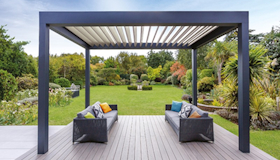
  • The Retractable Louvered Roof Veranda (Bioclimatic Pergola): This is a rapidly expanding trend, offering the ultimate in environmental control.
    • Aesthetics: These verandas feature adjustable aluminium louvers that can be tilted to allow sun or shade, or closed completely to create a waterproof roof. They typically boast a robust, contemporary look.
    • Functionality: Homeowners can instantly transform their outdoor space from an open-air sun trap to a sheltered rain retreat. Many systems are automated with remote controls, and some even feature rain sensors for automatic closure.
    • Why it's trending: The demand for year-round usability and complete control over sunlight and rain perfectly suits the UK climate. It's a premium solution for those who want maximum flexibility from their outdoor space.
  • Glass Rooms and Enclosable Verandas: Taking the concept of a veranda a step further, the trend towards full or partial enclosure is gaining momentum.
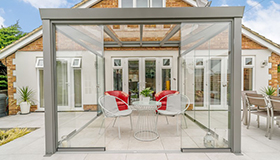
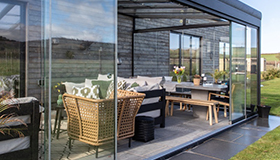
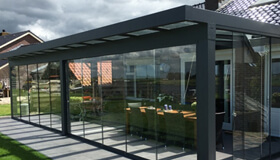
    • Aesthetics: These are essentially verandas that have been upgraded with frameless or slim-framed sliding glass doors, or fixed glass side panels. This creates a "glass room" that feels like a full extension but retains the light and open feel of a veranda.
    • Functionality: They offer superior protection from wind, rain, and cooler temperatures, effectively extending the usability of the space into autumn, winter, and early spring. The sliding doors allow the space to be fully opened on warmer days.
    • Why it's trending: This style offers the best of both worlds: the openness of a veranda and the protection of a conservatory. It's ideal for homeowners looking to create a true all-season outdoor living area without the full cost or complexity of a traditional extension. Many Sunspaces verandas are designed with this modularity in mind, allowing homeowners to add vertical glass elements at any time.

Integrated Technology and Smart Features

As smart home technology becomes more widespread, its integration into outdoor living spaces is a key trend. Trending verandas are no longer just structures; they are intelligent environments.

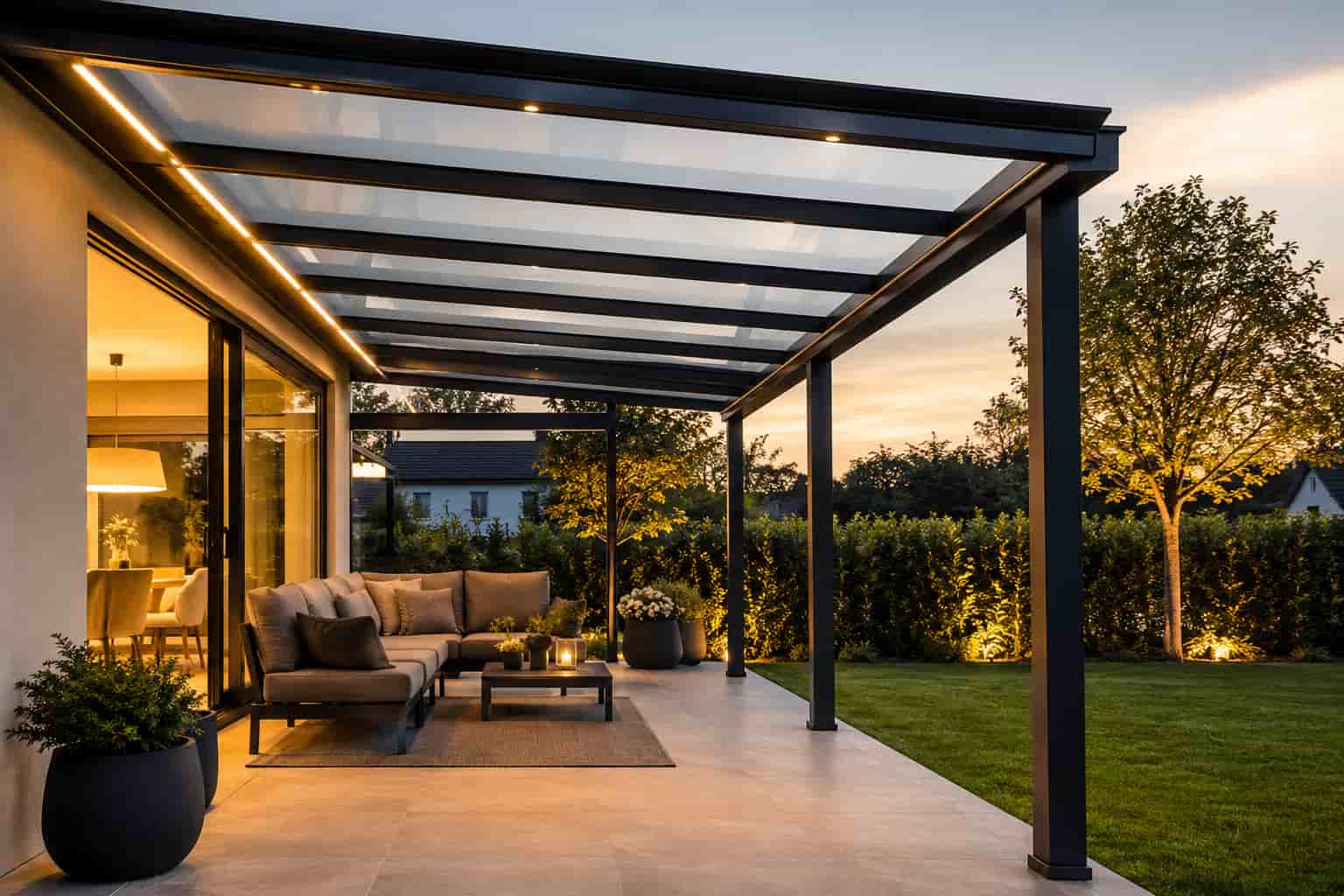
  • Integrated LED Lighting: Ambient and functional lighting is a must-have. Recessed LED strips or spotlights in the veranda beams are highly popular, offering discreet illumination that creates a warm, inviting atmosphere for evening use. Dimmable and color-changing options are particularly sought after.
  • Outdoor Heating Solutions: With cooler evenings being a staple of the British climate, integrated infrared heaters are trending. These provide instant, efficient warmth, allowing homeowners to comfortably use their verandas much later into the evening and earlier in the year.
  • Automated Awnings and Blinds: For glass verandas, integrated, remote-controlled awnings or external blinds are a key trend. They offer instant shade and solar protection, preventing the space from overheating on sunny days and adding an extra layer of comfort.
  • Smart Control Systems: The ability to control lighting, heating, awnings, and even louvered roofs from a single remote or a smartphone app is increasingly desired, simplifying the user experience and enhancing convenience.

Durable and Sustainable Materials

An awareness of environmental impact and a desire for longevity are influencing material choices.

  • High-Quality Aluminum Frames: While not new, the trend continues towards premium, powder-coated aluminum for veranda frames.
    • Why it's trending: Homeowners recognize its superior durability, rust-proof properties, and minimal maintenance requirements compared to wood or steel. Its strength allows for slender profiles, maximising glass area and light. The sustainability of aluminium, being highly recyclable, also aligns with eco-conscious choices.
  • Laminated Safety Glass: This remains the gold standard for veranda roofs.
    • Why it's trending: Its inherent safety (holding together if broken), excellent light transmission, UV protection, and superior sound insulation (reducing rain noise) make it the preferred choice for those seeking a premium finish and long-term peace of mind. Options like solar-control glass are particularly popular for managing heat gain.

Creating Destinations within the Garden

Beyond simply extending the house, verandas are being used to create distinct "zones" or destinations within larger gardens, often as freestanding structures.

  • Hot Tub Covers/Spa Enclosures: A trending application is using a freestanding veranda to create a dedicated, all-weather cover for a hot tub or swim spa. This offers privacy and protection, transforming a hot tub into a luxurious, year-round amenity.
  • Outdoor Kitchen & Dining Hubs: Verandas are increasingly being designed around sophisticated outdoor kitchens, providing a sheltered space for grilling, dining, and entertaining, regardless of the weather.
  • Tranquil Garden Retreats: For larger gardens, a freestanding veranda positioned at a scenic spot can create a peaceful sanctuary, separate from the main house, perfect for reading, meditation, or quiet contemplation.

Investing in Modern Outdoor Living with Sunspaces

The UK's trending veranda styles reflect a clear desire for elegance, versatility, and year-round usability. Homeowners are seeking sophisticated extensions that seamlessly blend with their property's architecture while offering maximum comfort and functionality. The emphasis is on high-quality, durable materials, clean designs, and smart integration of technology.

Whether you're drawn to the luminous transparency of a glass veranda, the sleek lines of a flat roof, or the dynamic control of a louvered system, the key is to choose a solution that aligns with your lifestyle and property. By investing in a premium veranda from a trusted provider like Sunspaces, you're not just buying a structure; you're investing in an elevated outdoor living experience that will be enjoyed for decades to come, perfectly in tune with the latest trends in British outdoor design.

Choosing to add a veranda to your home is a decision that elevates not just your outdoor space, but your entire lifestyle. A premium veranda is an architectural statement—a seamless extension of your home that offers beauty, functionality, and long-term value. But in a market flooded with options, from basic DIY kits to custom-built sunrooms, where do you even begin your search for a design that is truly exceptional?

This comprehensive guide is your roadmap to finding and commissioning a premium veranda design. We'll explore the key avenues for inspiration and collaboration, helping you identify a design that is not only visually stunning but also expertly engineered to stand the test of time. For homeowners who demand the best, a premium veranda is an investment in quality, and finding the right design partner is the first and most critical step.


Defining "Premium" in Veranda Design

Before you start looking, it's essential to understand what separates a premium veranda from a standard one. This isn't just about price; it’s about a combination of superior craftsmanship, high-quality materials, bespoke design, and a flawless installation process.

  • Architectural Integration: A premium design doesn't just look "stuck on" to your home. It's a cohesive part of the architectural language, with clean lines, complementary colors, and a roof pitch that harmonizes with your existing structure. It looks like it was always meant to be there.
  • Superior Materials: This means moving beyond standard options. For instance, the gold standard for a modern veranda is a high-grade, powder-coated aluminum frame, which offers incredible strength, rust-proof durability, and a sleek, minimalist aesthetic. Paired with laminated safety glass, a premium veranda is built to withstand extreme weather and a lifetime of use.
  • Bespoke Customization: A premium veranda is not a one-size-fits-all product. It is a tailor-made solution designed to fit your unique space, preferences, and lifestyle. This includes everything from custom dimensions and integrated lighting to automated sunscreens and heating systems.
  • Expert Engineering and Installation: A premium veranda is a precision-engineered system.1 The design accounts for critical factors like wind load, snow load, and proper drainage. The installation is carried out by a team of highly trained, in-house specialists who ensure every detail, from the foundations to the final sealant, is perfect.

Where to Look for High-End Veranda Designs

Once you have a clear idea of what constitutes a premium product, you can begin your search. The best designs are not found in big-box hardware stores; they are discovered through specialized channels that prioritize quality and expertise.

  • Specialist Veranda and Outdoor Living Companies: This is the most direct and reliable route. Companies that specialize exclusively in verandas, sunrooms, and garden rooms have an in-depth understanding of the product and its engineering. They offer a range of pre-designed premium systems that can be customized to your specifications. Look for companies with a strong portfolio of completed projects, glowing customer testimonials, and a focus on European-quality materials. A brand like Sunspaces, with its reputation for German-engineered, bespoke solutions, is a prime example of a specialist provider.
  • Architects and Landscape Architects: For a truly unique and custom-built solution, consulting with an architect or landscape architect is an excellent option. They can design a veranda that is integrated into a broader plan for your property, incorporating elements like patios, walkways, and landscaping. This approach is ideal for large-scale projects or for properties with complex architectural challenges. Be prepared for a more extended timeline and a higher cost, as you are commissioning a completely unique design from scratch.
  • High-End Home and Garden Shows: Attending a premium home and garden show is an invaluable source of inspiration. These events feature top-tier suppliers and builders who showcase their best work in person. You can see the quality of materials firsthand, feel the strength of the frames, and talk directly to designers and engineers. This allows you to compare different products side-by-side and get a real sense of what’s possible.
  • Online Design Platforms and Inspiration Sites: Websites like Houzz, Pinterest, and ArchDaily are treasure troves of high-quality architectural photography and design ideas. You can search for "premium veranda," "modern glass extension," or "luxury outdoor living" to create a mood board of styles you love. While these sites are fantastic for inspiration, remember that the photos often don’t tell the full story of the project's complexity or the quality of its materials. Use them as a starting point to define your aesthetic preferences before you engage with a professional.

The Collaborative Design Process - Partnering with a Specialist

Finding the right supplier is about more than just their product; it's about the quality of their design service. A premium experience involves a collaborative process that puts your needs first.

  • Initial Consultation and Site Survey: A reputable company will begin with a free, no-obligation consultation and a detailed on-site survey.2 This is where a designer truly listens to your vision and assesses the technical requirements of your space. They will measure your property, inspect the exterior walls, and discuss your lifestyle to recommend the best possible solution. At Sunspaces, for example, this consultation is the foundation for creating a perfectly tailored design.
  • 3D Visualizations and Design Schematics: A premium service will provide you with high-quality 3D renderings and detailed design schematics of your proposed veranda. This allows you to see exactly how the finished product will look on your home, from different angles and at different times of the day. This step is crucial for making informed decisions about the design, color, and optional features before any work begins.
  • Understanding the Materials and Features: The designer should walk you through every component, from the type of glass (e.g., solar-control, tinted, or laminated) to the finishes on the frame and the type of drainage system. They will explain the benefits of integrated lighting, heaters, or automated sunscreens and help you select the options that are right for you. A premium veranda is a system, and every part of that system must be of the highest quality.

The Investment in Quality - Why a Premium Veranda is Worth It

While the upfront cost of a premium veranda is higher than a standard model, the long-term financial and lifestyle benefits make it a superior investment.

  • Durability and Longevity: A high-end veranda is built to last. It won’t rust, warp, or fade, and it will withstand harsh weather conditions for decades. This saves you from the ongoing maintenance costs and the eventual expense of a full replacement.
  • Enhanced Property Value: A beautifully designed and professionally installed veranda is a highly desirable architectural feature that adds significant value to your home.3 It’s a powerful selling point that can justify a higher asking price and a quicker sale.
  • Lifestyle Improvement: The primary value of a premium veranda is the enhanced quality of life it provides. It transforms a simple patio into a comfortable, year-round living space. It gives you a place to relax, entertain, and connect with nature, no matter the season. This is the intangible return on investment that truly makes a premium veranda worthwhile.

Finding Your Perfect Veranda with Sunspaces

Finding a premium veranda design for your home is a journey that requires careful consideration and a focus on quality over cost. By defining what makes a veranda "premium," exploring the right sources for inspiration and design, and partnering with a specialist who offers a collaborative and transparent process, you can find a solution that not only meets but exceeds your expectations.

Whether you're drawn to the minimalist elegance of a flat-roof design, the classic charm of a pitched-roof glass extension, or the ultimate versatility of a louvered roof, the perfect design is out there. Companies like Sunspaces are at the forefront of this industry, offering a seamless blend of European engineering, custom design, and expert installation to help you create a timeless and luxurious outdoor living space that you and your family will cherish for years to come.