0% Interest FREE. SPRING SALE 25% Discount.
CLEARANCE OFFERS

Tag: glass-room

Outdoor living has evolved from a seasonal hobby into a year-round lifestyle choice — and at the heart of that change sits the humble Veranda. Whether you’re looking to create an all-weather dining spot, a snug garden retreat, or a seamless indoor-outdoor room for entertaining, modern verandas are now a high-value home upgrade. In this deep-dive guide we cover the hottest UK veranda trends, explain glass veranda cost, discuss glass verandas with sides, and compare the increasingly popular glass room veranda options so you can plan with confidence.

Below you’ll find an evidence-led overview of why veranda are trending in the UK right now, practical cost guidance, design ideas, planning and maintenance essentials, and an actionable checklist so you can take the next step with Sunspaces’ Aspire Verandas.

Why Verandas Are Trending in the UK (Quick Overview)

Several converging trends have driven the surge in veranda projects across the UK:

  • Post-pandemic lifestyle shifts: homeowners want flexible spaces for work, leisure and staycations.
  • Desire for year-round outdoor living: glass verandas and glass rooms blur the line between indoors and outdoors.
  • Sustainability and quality: people prefer durable, low-maintenance materials that add long-term value.
  • Permitted development clarity: many veranda and garden room builds fall under permitted development rights—making installation easier for homeowners. 

These trends mean a Veranda is not just stylish — it’s a strategic investment that increases living space and resale value.

Trending Veranda Styles in the UK (What People Are Choosing)

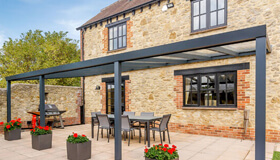
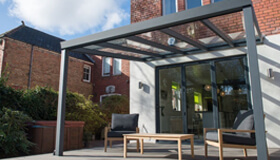
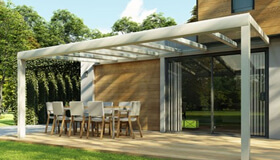
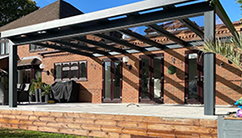
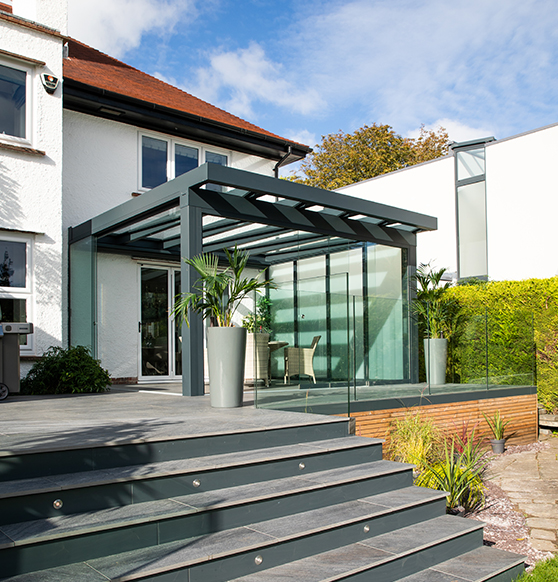
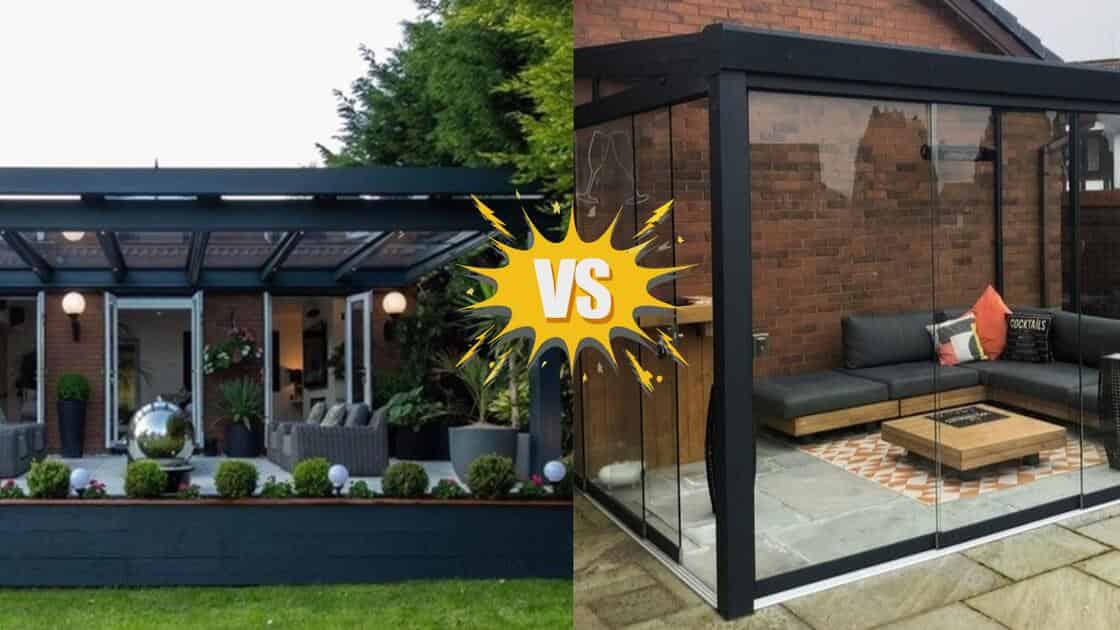
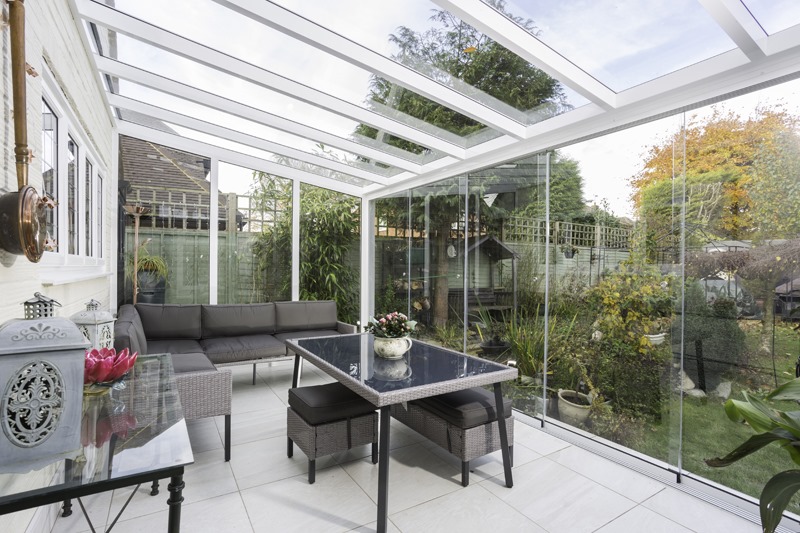
  1. Slimline Glass Veranda — Minimal aluminium frames with large glass panels for unobstructed views. Ideal for modern homes that emphasise light and openness.
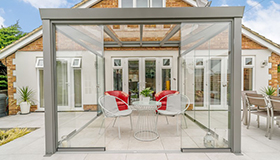
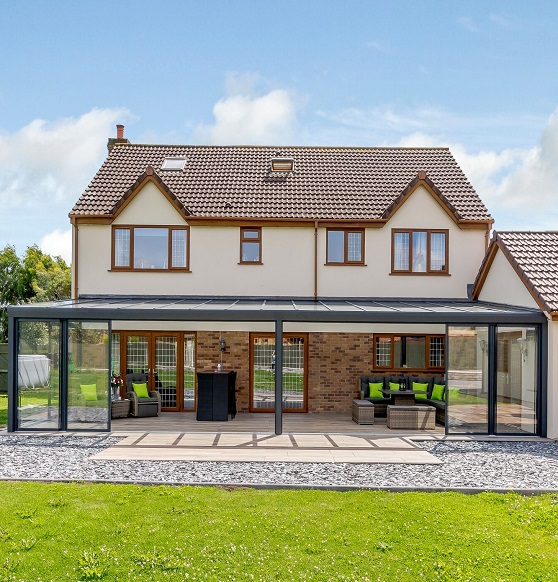
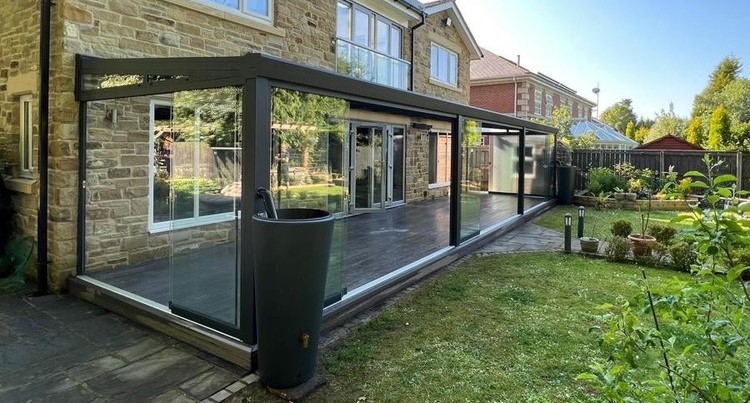
  2. Glass Verandas with Sides — For full-weather protection and privacy; these combine glazed roofs with optional glazed or insulated side panels. Perfect if you want a sheltered outdoor room.
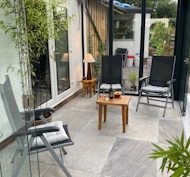
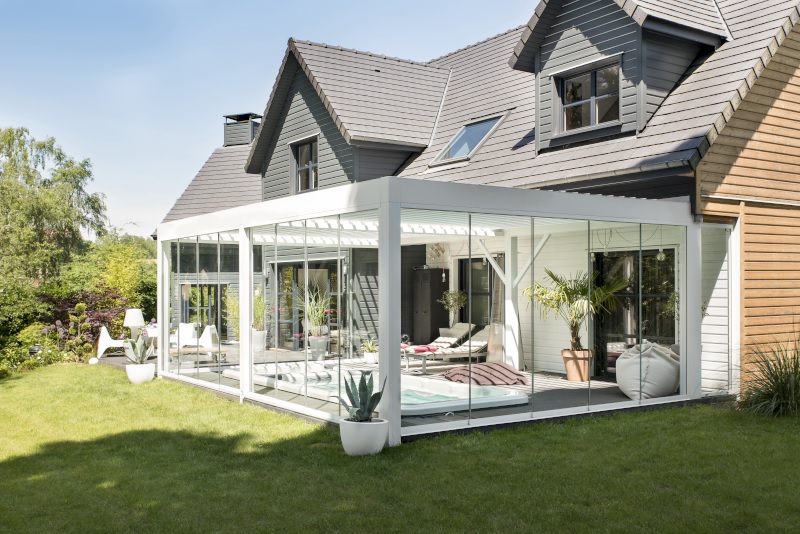
  3. Glass Room Veranda (Fully Enclosed) — Essentially a glass extension: insulated, often heated, and usable year-round. These are popular with homeowners who want a permanent living space rather than a seasonal canopy.
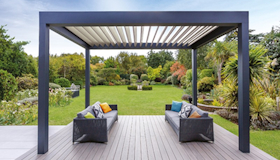
  4. Louvered Roof Veranda (Hybrid) — Adjustable slats for sun control and ventilation; often combined with glass side screens for maximum flexibility.
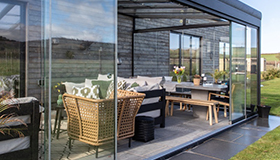
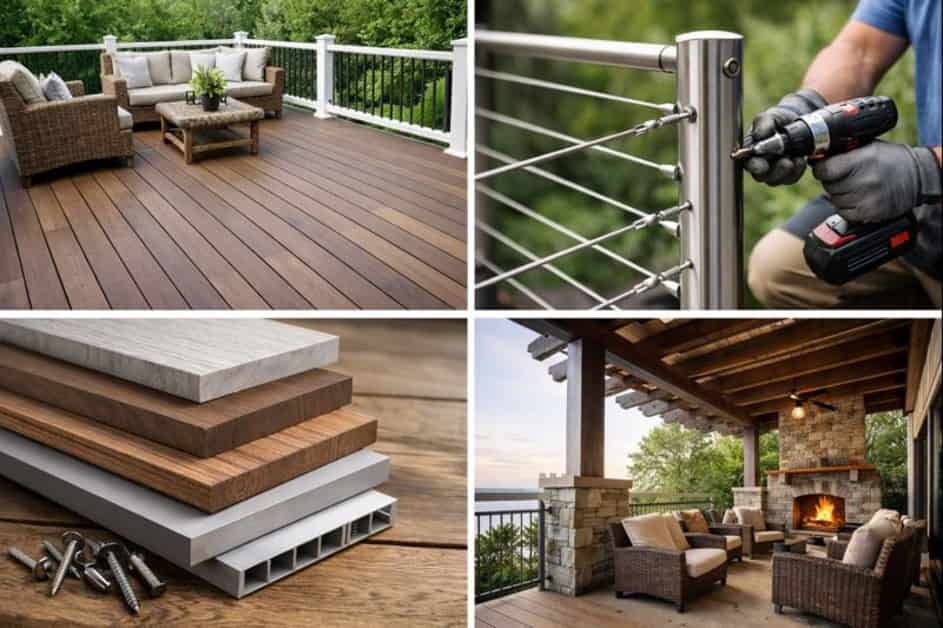
  5. Biophilic & Natural Finish Veranda — Timber look, rattan furniture, living walls and lots of plants to create a warm, natural outdoor room. 

Each style answers a different need: pure aesthetic, climate protection, thermally-efficient living space, or flexible sun control.

How Much Does a Glass Veranda Cost? (Realistic Price Signals)

If “how much is a glass veranda cost?” is on your mind, here’s a practical breakdown:

  • Basic glass canopy / small veranda (3m x 2m) — Entry-level glazed canopies begin around modest prices (supplier pricing varies), but always confirm whether supply-only or supply+install is quoted.
  • Mid-range veranda with partial sides — Expect a higher cost for integrated glass sides, upgraded glazing (e.g., toughened or laminated), and better aluminium finishes.
  • Glass room veranda (fully enclosed, insulated) — The most expensive option, because insulation, heating and structural work increase complexity and cost.
  • Bespoke, high-end verandas — Premium framing, slim sightlines, and fully glazed corners or structural glass elements can push the price higher, which many homeowners view as a long-term investment.

Sunspaces’ tailored Aspire Verandas options make it easy to compare quotes, choose glazing upgrades, and understand which features add the most value for your budget.

Practical tip: always request a fully itemised quote that separates fabrication, glazing type, groundwork, foundations and installation. This makes comparing glass veranda cost across suppliers apples-to-apples.

Glass Verandas with Sides — Benefits & When to Choose Them

Adding sides to your veranda converts an open canopy into an all-weather living area. Consider glass verandas with sides if you want:

  • Year-round protection from wind and rain
  • Thermal bridging reduction and improved comfort
  • Sound reduction from busy streets or neighbours
  • Privacy for evenings and intimate gatherings
  • Optional sliding or folding doors for flexible access

Glass sides can be full-height glazing, glazed screens, or double-glazed panels with thermal breaks. For many UK homeowners, this configuration offers the sweet spot between an open veranda and a fully enclosed extension. 

Glass Room Veranda — Turning a Patio into a New Room

When a glass room veranda is the goal, you’re effectively creating a year-round space that can function as:

  • A dining room or lounge
  • A home office or studio
  • A hobby room or garden retreat
  • A snug for colder months

Key considerations for a glass room veranda include thermal performance (double or triple glazing), ventilation, heating options (underfloor or electric), and foundations. Given the increased complexity, you may need to check permitted development rules or consult the local planning authority—especially if the structure is large, includes utilities, or changes the building’s footprint. 

Planning, Permitted Development & Practicalities in the UK

One of the reasons verandas remain accessible to many homeowners is that frequently they are acceptable under Permitted Development — provided certain size and siting limits are met. That said, rules vary depending on property type, conservation area status, and whether your home is listed. Always check the Planning Portal and local authority guidance before you start. 

Checklist before you build:

  • Confirm whether your veranda is within permitted development rules.
  • Check neighbours’ views if your design could affect daylight.
  • Factor in drainage, foundations and eaves details.
  • Ask your supplier for structural drawings and any warranty details.
  • Budget for site preparation and any electrical or heating installations.

Design & Build: Choosing Materials, Glazing & Finishes

For a veranda that lasts and performs:

  • Frames: powder-coated aluminium is popular for low maintenance; timber-effect finishes give warmth without intensive upkeep.
  • Glazing: choose safety glazing (tempered/laminated) for roof and side panels; consider low-E and gas fills for thermal efficiency.
  • Gaskets & seals: ensure robust seals to prevent water ingress and reduce drafts.
  • Roof pitch & drainage: even glass verandas require careful drainage planning to avoid pooling and leaks.
  • Smart add-ons: integrated lighting, heating, and motorised blinds elevate comfort and year-round use. 

How to Evaluate a Veranda Supplier (Questions to Ask)

When you compare suppliers for an Aspire Veranda, ask:

  1. Do you provide site visits and a written survey?
  2. Is the quote itemised (supply, groundwork, installation, glazing)?
  3. What warranties are provided on frames, glazing and installation?
  4. Can you show examples or case studies of similar installs?
  5. Do you handle planning or building control submissions if needed?

A reputable supplier will walk you through choices for glass veranda cost, glazing performance and build timelines.

Maintenance & Longevity — What Owners Need to Know

Modern verandas are designed for low maintenance, but a little care keeps them beautiful:

  • Clean glass regularly with manufacturer-approved products.
  • Check seals and gaskets annually for wear.
  • Inspect gutters and drainage after storms.
  • Re-tighten fixings and check for signs of timber decay if you have timber components.

With proper maintenance, a quality veranda will continue to add lifestyle value and appeal to future buyers.

Veranda Inspiration: Styling Ideas for 2025

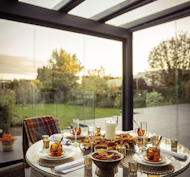
  • All-season dining: combined heating, underfloor rugs and biophilic accents for a cosy, evergreen feel.
  • Home workspace with a view: acoustic solutions, blinds and integrated lighting to create a productive garden office.
  • Entertainment hub: seating zones, integrated speakers and bi-fold doors to connect to decking and garden.
  • Wellness retreat: calming palettes, living walls, and natural finishes for a spa-like veranda.

Cost vs Value: Is a Veranda a Good Investment?

A carefully chosen veranda often scores highly in homeowner satisfaction and can increase market appeal—particularly where it creates usable square footage. While glass veranda cost varies, many homeowners recover a significant portion of their spend at resale because the space adds functional, attractive living area. Independent home improvement indexes show sustained investment in extensions, outdoor rooms and garden upgrades in 2024–2025.

Quick Buying Roadmap (3 Steps to Your Aspire Veranda)

  1. Define objective: Year-round room, sheltered patio, office or entertainment space?
  2. Get 2–3 site surveys: Compare itemised quotes, warranty terms and lead times.
  3. Check planning: Confirm permitted development or submit a planning application if required; schedule installation for a dry season if possible.

The Veranda has moved well beyond a decorative canopy — it’s a strategic extension that answers real UK homeowner needs: flexibility, year-round comfort, and a direct connection to the garden. Whether you’re comparing glass veranda cost, evaluating glass verandas with sides, or planning a full glass room veranda, the right design and supplier make all the difference. Ready to bring your Aspire Veranda to life? Visit the Aspire Verandas page to explore styles, download our price guide, and request a free on-site survey tailored to your home Or contact Sunspaces today for a free consultation and an itemised quote so you can compare glass veranda cost and design options with confidence. Transform your garden into a year-round living space — book your survey now.

Conclusion

In 2025, verandas have become a smart, stylish way to expand living space and enjoy the outdoors all year. Whether you choose a simple glass canopy, a veranda with sides, or a fully enclosed glass room, understanding cost, design options and planning rules helps you make the right choice. With a trusted supplier and a clear plan, your veranda can become a durable, comfortable and valuable extension of your home.

How to Choose the Right Year-Round Outdoor Living Space

When you begin the journey of expanding your home, you quickly encounter a confusing array of terms, veranda, glass room, and enclosed veranda. These modern options promise beautiful, light-filled living, moving beyond the well-known compromises of the old-fashioned conservatory (a seasonal glasshouse often too hot or too cold).

For homeowners in the UK, understanding the differences between a fixed-roof extension, an open shelter, and an adaptive glass space is crucial to ensuring your investment delivers true year-round outdoor living comfort.


At Sunspaces UK, we specialise in premium, adaptable glass rooms and verandas designed for the modern home. Our ultimate goal is to offer a space that bridges the gap between your home and garden, without the structural compromises of older designs.

Here, we provide the definitive breakdown, helping you navigate the options and discover why a Glass Room is the perfect evolution for contemporary UK living.

1. The Fixed Extension: The Solid-Roof Sunroom

A solid-roof sunroom (often called a garden room or insulated extension) is the closest structure to a permanent home extension. It features a solid, insulated roof (often tiled or slated) and solid walls, punctuated by large windows and patio doors.

The Advantages:

  • Year-Round Usability: With fully insulated walls and a solid roof, a sunroom retains heat exceptionally well and is regulated by standard home heating systems. This makes it a true all-season living space that is functionally an extra room.
  • Seamless Integration: Sunrooms are usually built to match the existing house materials and blend seamlessly with the main property's architecture.

The Trade-Offs (The Missing Link):

  • Cost and Time: Because a sunroom is essentially a full extension, the cost is significantly higher, and the build time is much longer, often requiring complex, intrusive building work and deeper foundations.
  • Reduced Light: The solid roof, while excellent for insulation, sacrifices the beautiful, light-filled feeling of being fully outdoors. Crucially, a solid roof casts a permanent shadow on the adjacent main rooms of your home, reducing the natural light within your property.
  • Lack of Flexibility: Once built, it is a permanent, fixed room. You cannot open it up to enjoy the breeze on a perfect summer day; you are always indoors.

2. The Open Structure: The Veranda

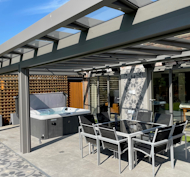
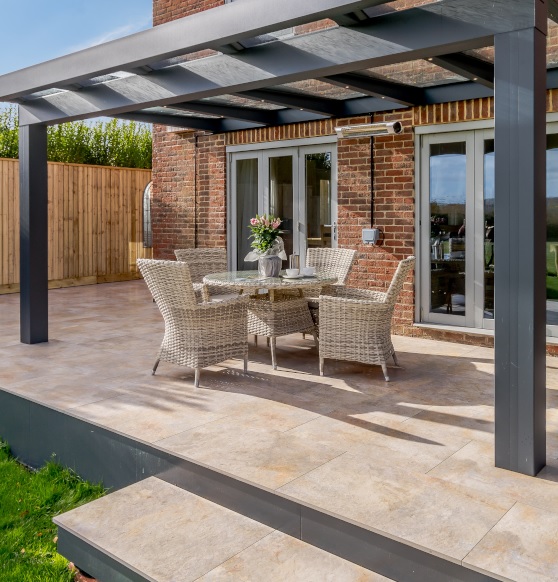
A standard veranda is a robust, elegant structure attached to your home, offering overhead cover. It is defined by its open sides and provides a semi-outdoor seating area, perfect for al-fresco dining and relaxing under shelter.

The Advantages:

  • Open Air: Verandas offer an immediate connection to the outdoors, allowing constant airflow.
  • Protection: They provide excellent shelter from rain and direct sun glare (depending on the roof type).
  • Cost-Effective: As a simpler, open structure, the base veranda is the most cost-effective option and requires minimal intrusive construction work.

The Trade-Offs (The Exposure Problem):

  • Seasonal Use: Because the sides are open, verandas offer no protection from wind, sideways rain, or cool temperatures. This means they are highly seasonal, often only usable comfortably during the warmest, calmest weeks of the UK year.
  • Pests and Pollen: The open nature means no barrier against insects, leaves, or pollen.
  • Zero Thermal Retention: They act as an open shelter, not a living space, offering no thermal buffer to the main home.

3. Introducing the Glass Room: The Ultimate Adaptive Space (Enclosed Veranda)

If the solid-roof sunroom is too dark and the open veranda is too seasonal, the highly engineered Glass Room is the modern solution.

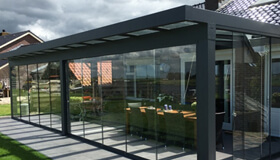
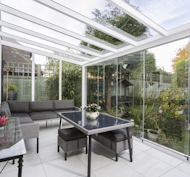
A Glass Room is not a fixed extension, nor is it just a shelter; it represents the perfect hybrid. It starts as a veranda structure and is then enclosed with high-quality, frameless-look glass sliding walls, converting it into a flexible Glass Room (or Enclosed Veranda).

The Glass Room Difference: The Power of the Sliding Roof

The true brilliance of a Glass Room, and what sets it apart from solid-roof sunrooms and seasonal verandas, is the option of our adaptive sliding glass roof. Unlike fixed roofs (solid or glass) or retractable fabrics (which lack durability), the Glass Room's sliding roof offers complete control and adaptability:

  1. Eliminate Greenhouse Effect: On a hot day, you can partially or fully slide the glass panels open to allow rising heat to escape and a fresh breeze to circulate, eliminating the stifling heat often found in fully fixed-glass structures.
  2. Maximum Light Penetration: In winter or on dull days, you can slide the panels back to flood your main house and the Glass Room itself with direct, natural light, avoiding the permanent gloom caused by solid sunroom roofs.
  3. Total Protection: Close the roof and sliding glass walls completely when the weather turns, giving you a warm, dry room that is perfectly protected from the UK’s unpredictable rain, wind, and insects.

This means your Glass Room is not limited to four months of the year; it is a dynamic extension that is comfortable and usable every single day of the year, regardless of the weather.

4. Why a Glass Room is the Smartest Home Investment

When looking for an addition that genuinely enhances your lifestyle and adds lasting value, a Glass Room offers several critical advantages over both simple verandas and full, fixed-roof extensions.

Unmatched Year-Round Comfort and Energy Efficiency

Our systems use high-performance, energy-efficient 8mm thick glass walls and robust, insulated aluminium frames. When closed, the Glass Room acts as a thermal buffer, creating a protective layer that helps your main home retain heat, potentially lowering your overall heating bills. The adaptability of the sliding roof and walls ensures you can always achieve the perfect temperature, whether you need maximum solar gain or quick ventilation.

Maximise Natural Light and Boost Well-being

The Glass Room design prioritises frameless-look glass over opaque materials. This ensures you benefit from an abundance of natural light throughout the day, which is proven to boost mood, productivity, and general well-being. Unlike a sunroom with a solid ceiling, our glass roof option ensures light pours in from above, providing a truly immersive, outdoor-yet-sheltered feel.

Significant Increase in Property Value

The UK property market places a high premium on modern, adaptable, and low-maintenance outdoor living spaces. A beautifully designed Glass Room is seen as a high-quality architectural feature, not a compromise or a temporary shelter. Its seamless blend of indoor elegance and outdoor accessibility immediately elevates the appeal and value of your home, providing an excellent return on investment.

Engineered for Durability and Aesthetics

Sunspaces UK uses only premium-grade, low-maintenance aluminium for our frames. This durable material is resistant to rust, warping, and fading, ensuring your Glass Room looks stunning for decades with minimal upkeep. Our designs feature sleek lines and concealed drainage, offering a modern, minimalist aesthetic that complements any contemporary UK home. We stand by our quality with a comprehensive 15-year warranty on our frames.

5. Making the Investment: Cost and Planning Permission

Is a Glass Room Cost-Effective?

A bespoke Glass Room with glass walls and a sliding roof is an investment, but it is often significantly more cost-effective than a large, fully integrated solid-roof sunroom extension (which often start from £45,000+). Because the installation is less structurally disruptive and often quicker (often installed in days, not months), labour costs are reduced. While every project is custom, we offer flexible finance options to make your dream Glass Room achievable.

Planning Permission in the UK

In most cases, a Glass Room (or enclosed veranda) falls under Permitted Development Rights, meaning full planning permission is often not required. However, rules vary depending on your location, if you live in a conservation area, or if the structure exceeds certain height and coverage limits. Our Sunspaces UK design consultants are experts in local regulations and will guide you through this process during your free design visit.

Your Perfect Outdoor Space Awaits

Choosing an outdoor structure is a big decision, but it doesn't have to be complicated. By moving beyond the limitations of the seasonal veranda and the high cost and darkness of the fixed solid-roof sunroom, the Glass Room offers a genuinely superior solution. It delivers maximum light, year-round comfort, total flexibility, and a stunning modern look that adds tangible value to your property.

Ready to explore how a Glass Room with a fully adaptive sliding roof can transform your home?

Contact Sunspaces UK today to request a free, no-obligation design visit and tailored quote.

For many UK homeowners, limited natural light is a persistent challenge. Narrow streets, tall buildings, and the often overcast British weather can make interiors feel dark and cramped. This is particularly true in urban areas where sunlight struggles to reach ground-level homes. But what if there was a way to bring the outdoors in and flood your living spaces with natural light, even on the gloomiest days?


Enter Sunspaces: A Bright Solution
Sunspaces are purpose-built to transform your home into a brighter, more inviting retreat. Our versatile glass garden rooms and sunrooms offer a seamless way to let the light pour in.


Why Natural Light Matters

Natural light isn’t just about aesthetics; it plays a crucial role in creating a healthy, comfortable home environment. A well-lit interior:

  • Improves mood: Sunlight stimulates serotonin production, boosting happiness and reducing stress.
  • Enhances functionality: Brighter spaces make daily tasks easier and more enjoyable.
  • Saves energy: By maximising sunlight, you can reduce the need for artificial lighting, lowering energy costs.


The Design Advantage of Sunspaces

Sunspaces are designed with expansive glass panels and minimal framing, ensuring maximum sunlight enters your home. Here’s how they work to brighten your space:

  1. Panoramic Views: A glass garden room features floor-to-ceiling windows, creating a sense of openness and connectivity with your garden.
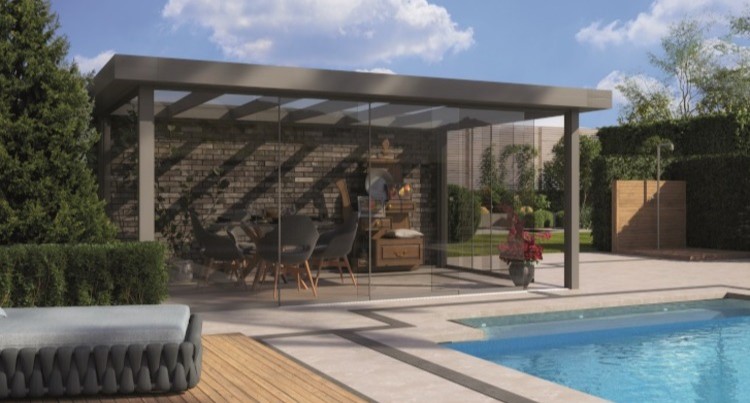
  2. Reflective Interiors: The glass amplifies daylight, bouncing it across the room and illuminating even the darkest corners.
  3. Optimised Roof Design: A sunroom or garden room often incorporates translucent roofing options, allowing soft, natural light to filter through while protecting you from the elements.


Perfect for Urban and Rural Homes Alike

In cities, Sunspaces can overcome the challenges of limited sunlight caused by narrow streets or nearby buildings. In rural settings, they offer an uninterrupted view of the surrounding nature while keeping your home bathed in light. 


Feel Larger, Live Better

Beyond brightness, Sunspaces create the illusion of more space. The influx of natural light combined with the open design makes rooms feel more expansive, airy, and connected to the outdoors.


Start Your Bright Living Journey

Don’t let the UK’s grey skies dim your home’s potential. Discover how a garden room can brighten your life while adding a stylish, functional space to your home.

Ready to embrace natural light? Contact us today to explore the perfect Sunspace for your property!


Are you dreaming of a tranquil oasis in your backyard? A place where you can escape the hustle and bustle of daily life, surrounded by the beauty of nature? Look no further than our bespoke garden rooms and verandas at SunSpaces...


In the quest to make the most of our outdoor spaces, garden verandas have become increasingly popular. Not only do they extend your living area into the garden, but they also provide shelter from the elements while offering a seamless connection with nature...

Home conservatory


Adding a conservatory to your home is a big investment. It costs a lot of money - tens of thousands of pounds - plus the building work will likely mean weeks of noise and disruption for your household.


Of course, you may feel that the results justify these sacrifices, but before you start planning your new conservatory, you may want to consider a streamlined glass sunroom as a possible alternative.