
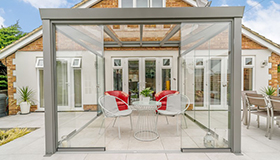
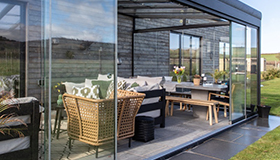
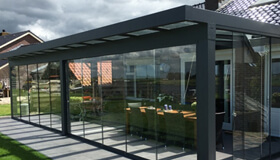
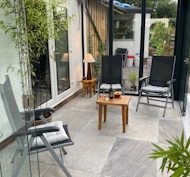
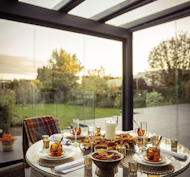

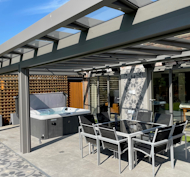
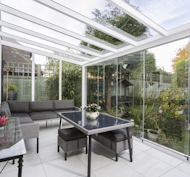
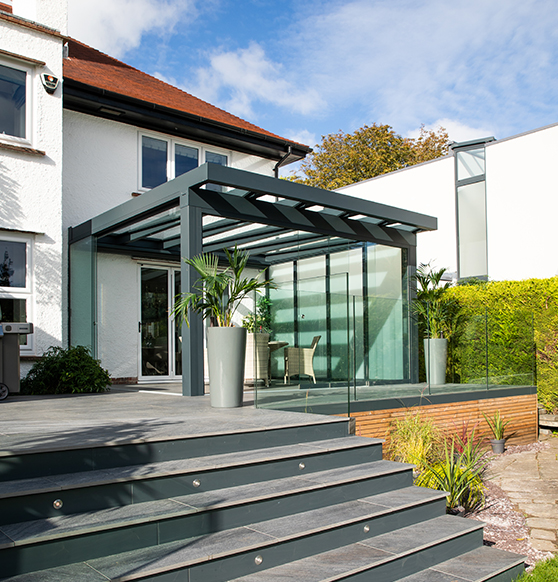
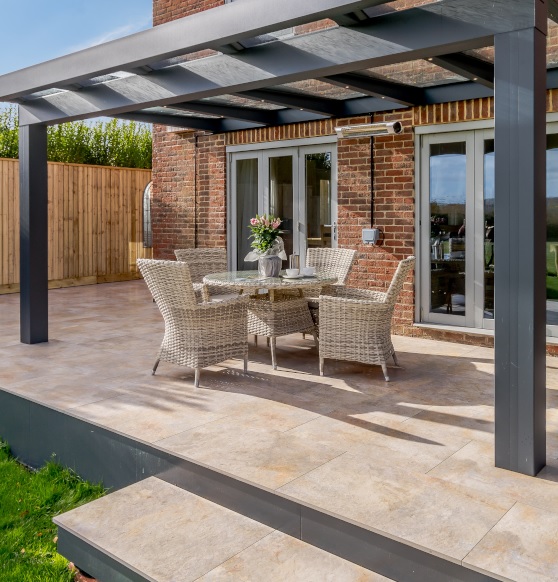
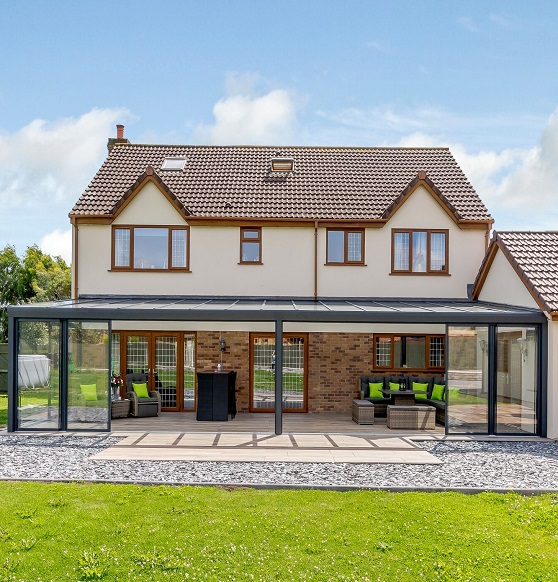
There’s something quietly powerful about the way a well-designed glass structure changes how a home feels. Not just in terms of space, but in how people actually live in it. A glass garden room is no longer a luxury add-on—it’s becoming a natural extension of modern British homes.
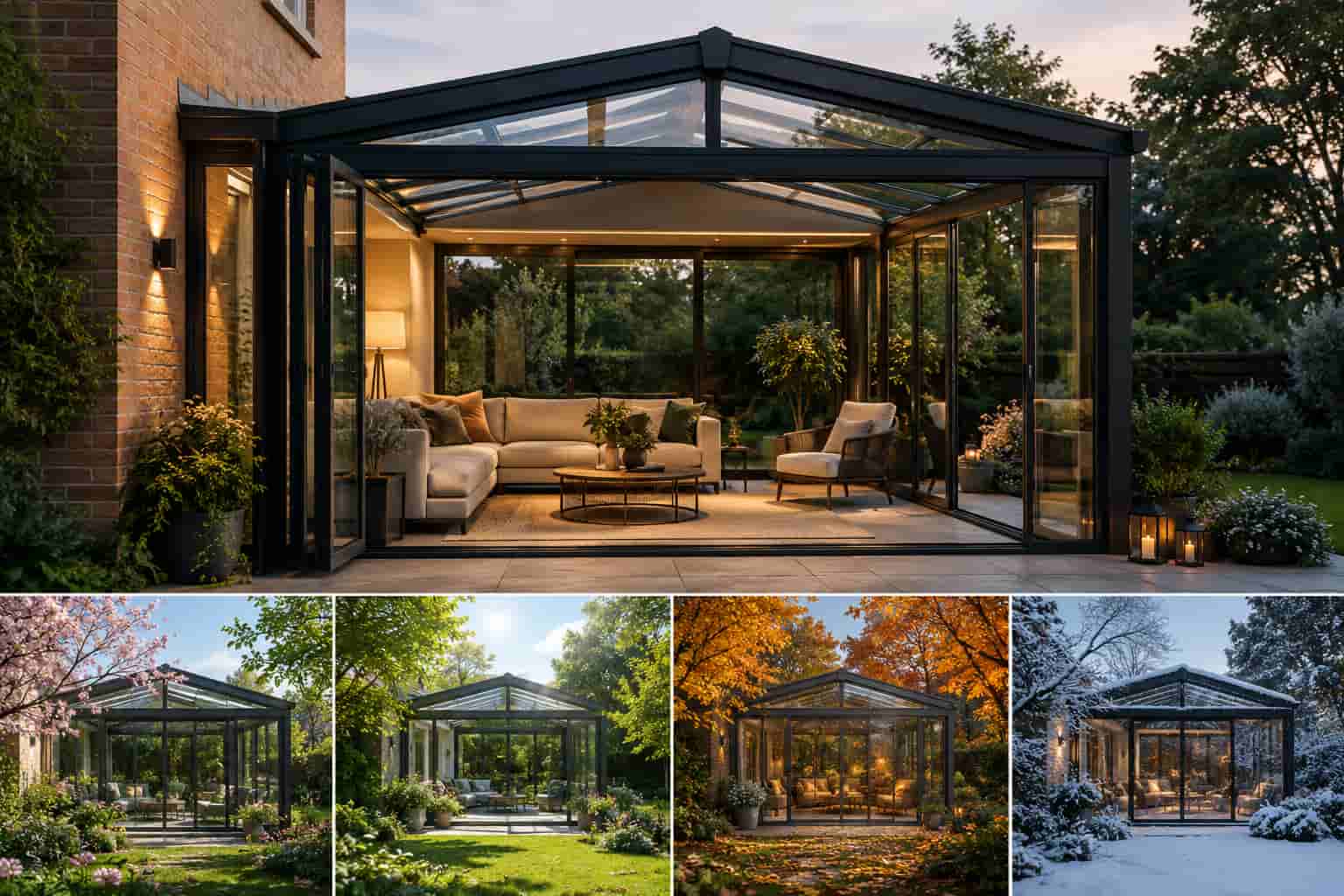
Homeowners are increasingly looking for ways to enjoy their gardens without being fully exposed to the unpredictable UK weather. That’s where outdoor glass rooms step in. They blur the line between inside and outside, offering comfort, light, and year-round usability without compromising the beauty of the garden itself.
This article explores how a thoughtfully designed glass extension—whether a full garden room or a refined patio veranda—can transform the way you experience your home across all four seasons.
The Rise of Glass Garden Living
Over the last decade, home design trends have shifted toward openness, light, and connection with nature. Traditional conservatories once served this purpose, but they often fell short in insulation, durability, and usability during extreme temperatures.
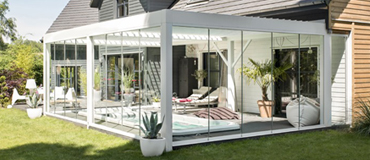
Modern glass garden room designs solve these issues with advanced glazing, thermal control, and architectural precision. The result is a space that doesn’t feel like an add-on—it feels intentional.
People now use these rooms as:
- Secondary lounges
- Dining areas with garden views
- Work-from-home offices
- Creative studios or reading spaces
The versatility is what makes them so appealing. Instead of limiting garden use to summer months, they extend it across the entire year.
Why Outdoor Glass Rooms Work in Every Season
The UK climate is famously unpredictable, but that doesn’t mean outdoor living has to stop when summer ends. Outdoor glass rooms are designed to adapt to seasonal changes while maintaining comfort and usability.
Spring
In spring, a glass space becomes a front-row seat to nature waking up. Light floods in, flowers bloom outside, and the space feels fresh without needing heating for most of the day.
Summer
During warmer months, ventilation systems and sliding glass panels help regulate airflow. The space feels open yet shaded, making it ideal for entertaining or relaxing without harsh sun exposure.
Autumn
This is arguably when a glass structure shines most. As leaves change colour, the room becomes a warm viewing gallery. Soft lighting and insulation keep it comfortable even as temperatures drop.
Winter
With proper glazing and thermal efficiency, a glass garden room remains usable even in winter. It becomes a cosy retreat where rain and frost are something to enjoy visually, not endure physically.
Design Flexibility: More Than Just a Room
One of the strongest advantages of modern glass extensions is design freedom. Unlike traditional builds, outdoor glass rooms can be tailored to suit both contemporary and traditional homes.
You can choose:
- Frameless minimalist designs for a modern aesthetic
- Black aluminium frames for architectural contrast
- Integrated heating and lighting systems
- Sliding or bi-fold door configurations
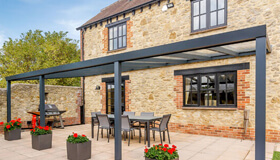
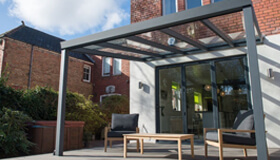
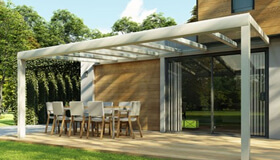
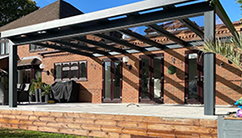
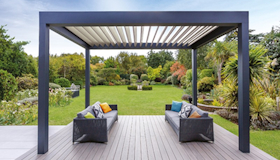
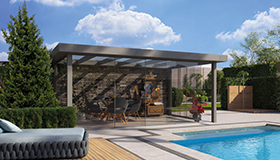
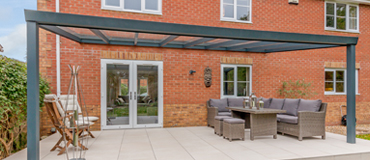
A well-planned patio veranda also offers a slightly different experience. It creates a transitional space between garden and interior, often partially covered while still open to the elements. This makes it perfect for homeowners who want shade and shelter without fully enclosing the space.
Adding Real Value to Your Home
Beyond lifestyle benefits, a glass extension can add measurable value to a property. Buyers today are not just looking for square footage—they’re looking for usable, flexible space.
A well-built glass garden room can:
- Improve property appeal in listings
- Increase perceived living space
- Enhance energy efficiency (when properly installed)
- Offer year-round usability that traditional extensions often lack
Estate agents often highlight these spaces as key selling features, particularly in suburban and semi-rural homes where garden access is a major advantage.
Comfort, Light, and Wellbeing
There’s also a less obvious benefit that homeowners often mention after installation: wellbeing.
Natural light has been linked to improved mood, productivity, and sleep patterns. Spending time in outdoor glass rooms allows people to stay connected to daylight even during colder months when time outside naturally decreases.
It’s not unusual for homeowners to shift daily routines into these spaces—morning coffee, remote work, or evening relaxation all feel different when surrounded by natural light and garden views.
A patio veranda, while simpler in structure, also encourages outdoor living habits. Even partial shelter creates a psychological shift—people naturally spend more time outside when comfort is removed as a barrier.
Practical Considerations Before Installation
While the appeal is clear, a successful project depends on good planning. A few key factors should always be considered:
Orientation
Where the structure faces affects sunlight exposure and temperature control. South-facing designs offer maximum light, while west-facing spaces capture evening sun.
Glazing Quality
Double or triple glazing is essential for year-round use. It helps regulate temperature and reduce noise from outside.
Ventilation
Good airflow prevents overheating in summer and condensation in colder months.
Planning Permission
In many cases, glass extensions fall under permitted development, but this depends on size, location, and property type.
Working with experienced installers ensures the design fits both regulatory requirements and practical use.
Outdoor Living, Reimagined
What makes glass structures so compelling is not just their appearance—it’s the way they change behaviour. A garden that was once seasonal becomes part of everyday living.
A glass garden room encourages slower mornings, longer evenings, and a deeper connection to outdoor space. Meanwhile, outdoor glass rooms and patio veranda designs offer flexible ways to experience the garden without weather limitations.
It’s less about adding a structure and more about redefining how space is used.
Conclusion
A glass extension is more than an architectural feature—it’s a lifestyle shift. Whether it’s a fully enclosed glass garden room, open outdoor glass rooms, or a functional patio veranda, each option brings the garden closer to daily life.
In a world where home comfort and flexibility matter more than ever, these spaces offer something simple but powerful: the ability to enjoy your garden in every season, without compromise.
For homeowners looking to invest in both property value and quality of life, glass living spaces are no longer just an option—they’re becoming the new standard.