
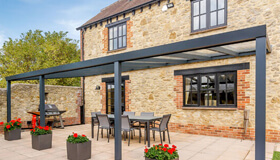
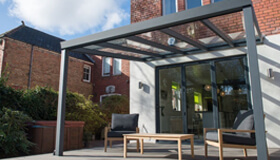
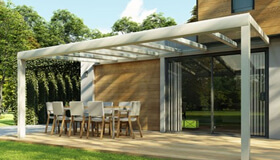
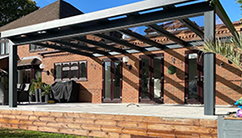
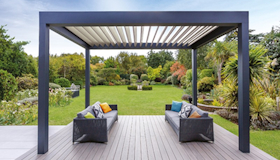
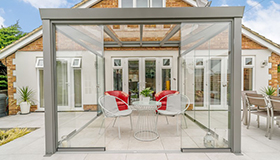
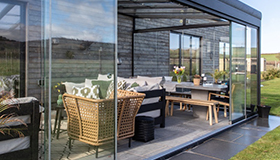
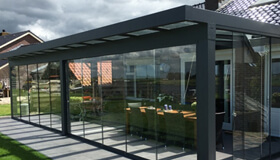
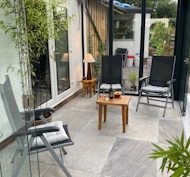
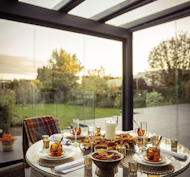

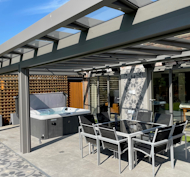
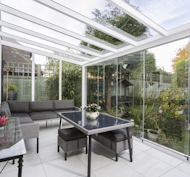
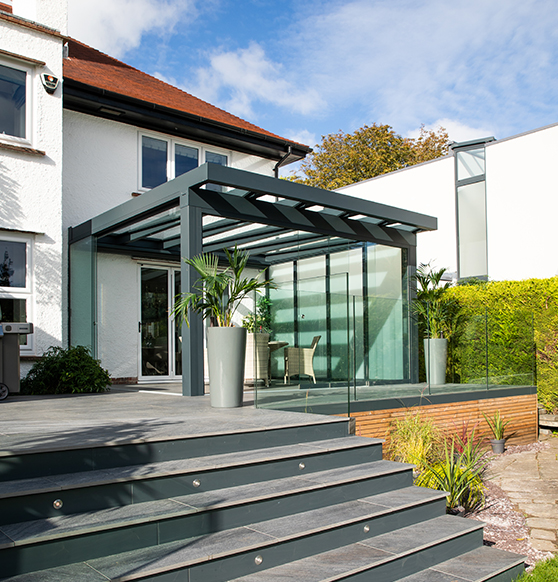
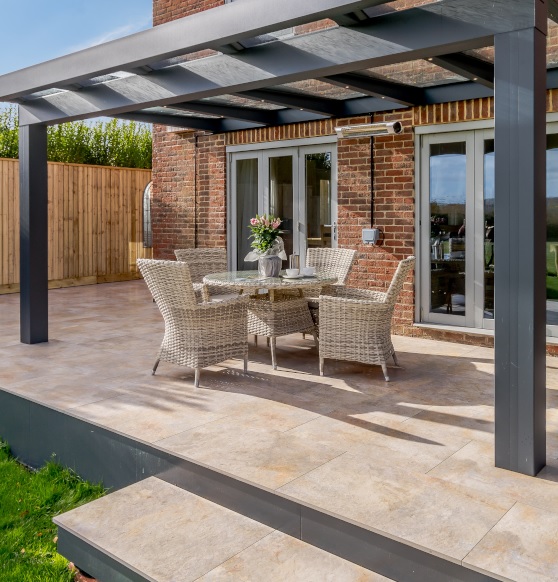
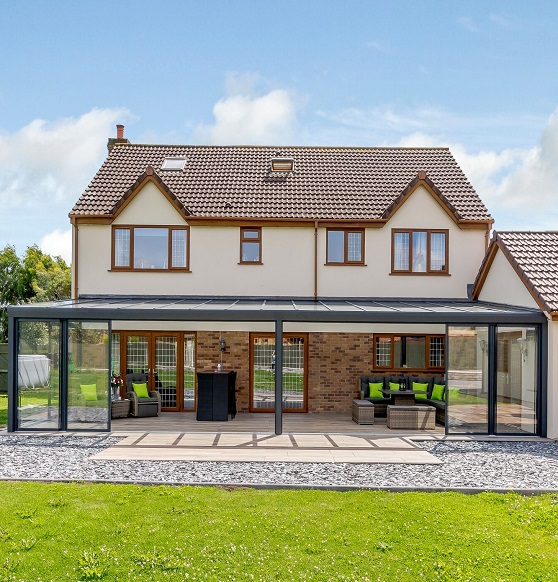
If you’re considering adding a veranda to your home, you’re probably picturing long summer evenings, a bit of shelter from our famously unpredictable weather, and a smarter way to enjoy the garden year‑round. Before you get carried away with designs and finishes, there’s one question that always comes up first: Do I need planning permission?
.jpg)
After more than a decade writing about home improvements and working closely with UK installers, planners, and manufacturers, I can say this with confidence—planning rules around verandas aren’t as intimidating as they sound. But they do need to be handled properly.
In this guide, I’ll walk you through everything you need to know about veranda planning permission in the UK, how it applies to modern solutions like a glass room or aluminium veranda, and how to move forward with confidence.
What Is a Veranda in Planning Terms?
In everyday language, a veranda is a covered outdoor structure attached to the house, typically open at the sides or partially enclosed. From a planning perspective, however, things are a little more specific.
Local authorities usually class a veranda as an extension or ancillary structure. That classification matters because it determines whether your project falls under permitted development or requires formal planning permission.
Modern designs—especially those using slim aluminium frames and glass roofing—often blur the line between a traditional veranda and a glass room. The more enclosed the structure becomes, the more closely planners will scrutinise it.
Do You Need Planning Permission for a Veranda?
In many cases, no planning permission is required—but only if certain conditions are met.
Under permitted development rights, homeowners in England can usually install a veranda without submitting a full planning application, provided:
- The structure is single storey
- It does not exceed 4 metres in height (or 3 metres if close to a boundary)
- It does not cover more than 50% of the land around the original house
- It is not located on the front elevation facing a highway
- The property is not listed or in a designated area
If your veranda ticks all these boxes, you’re typically in the clear.
That said, every site is different. Even a beautifully designed aluminium veranda can trigger planning requirements if it’s positioned incorrectly or built to the wrong scale.
When Planning Permission Is Required
There are a few situations where you’ll almost certainly need approval:
1. Listed Buildings
If your home is listed, planning permission is required for almost any external alteration—verandas included. This applies whether the structure is traditional or a modern glass room.
2. Conservation Areas
In conservation areas, permitted development rights are often restricted. Councils may require permission to ensure the veranda doesn’t impact the character of the area.
3. Front-Facing Verandas
Any veranda installed at the front of the property, especially one visible from the road, usually needs planning permission.
4. Fully Enclosed Designs
Once you move beyond an open-sided structure and start adding walls or sliding doors, the veranda may be considered a full extension. At that point, planning approval becomes much more likely.
Verandas vs Glass Rooms: Why the Difference Matters
Homeowners often ask whether a glass room needs different permission than a veranda. The answer lies in how enclosed the space is.
A traditional veranda is open, airy, and clearly secondary to the main house. A glass room, on the other hand, is designed for year‑round use and often includes:
- Fixed or sliding glass walls
- Integrated drainage and lighting
- Solid or insulated roofing options
From a planning standpoint, a glass room sits closer to an extension than a canopy. Some designs still fall under permitted development, but it’s far more important to check dimensions, proximity to boundaries, and usage.
Why Aluminium Verandas Are Easier to Approve
Over the years, aluminium veranda systems have become the go‑to choice for homeowners and planners alike.
Here’s why:
- Slim sightlines keep the structure visually light
- Neutral finishes blend well with modern and traditional homes
- Engineered strength allows wider spans with fewer posts
Planners tend to respond more favourably to designs that don’t dominate the building. A well‑proportioned aluminium veranda often looks intentional rather than intrusive, which can make all the difference in borderline cases.
Building Regulations: A Separate Consideration
Planning permission and building regulations are not the same thing.
Even if your veranda doesn’t require planning approval, it may still need to comply with building regulations—particularly if:
- It is fully enclosed
- It has fixed heating
- It affects drainage or structural integrity
Most open verandas and many glass room designs are exempt, but it’s always worth confirming with your installer or local authority building control.
How to Check Before You Build
Before committing to a design, take these practical steps:
- Review your permitted development rights (they differ slightly across England, Scotland, and Wales)
- Speak to your local planning authority—a quick pre‑application enquiry can save months of stress
- Work with an experienced supplier who understands UK regulations
Established manufacturers of aluminium veranda systems usually design with compliance in mind, which reduces risk from the outset.
Planning Permission Myths—Cleared Up
“All verandas need permission”
Not true. Most rear verandas fall under permitted development.
“Glass rooms are always extensions”
Also false. Some glass room designs remain classed as ancillary structures.
“If my neighbour built one, I can too”
Unfortunately, each application is assessed individually.
Real‑World Advice From the Industry
After years of speaking with planners and installers, one thing is clear: problems usually arise from poor preparation, not bad intentions.
Homeowners who choose quality systems, keep dimensions sensible, and ask the right questions early rarely run into trouble. A well‑designed veranda should feel like a natural continuation of your home, not an afterthought.
Choosing the Right Veranda System
If you’re investing in a veranda, look beyond appearance alone. Consider:
- Structural certification
- Wind and snow load ratings
- Long‑term maintenance
- Warranty and aftercare
High‑quality aluminium veranda systems paired with optional glass room upgrades give you flexibility—start open, enclose later, and adapt as your needs change.
Final Thoughts
Planning permission doesn’t need to be a barrier to creating a beautiful outdoor space. With the right knowledge, the right product, and a bit of forward planning, adding a veranda to your home is usually straightforward.
Whether you opt for a classic open veranda, a contemporary aluminium veranda, or a light‑filled glass room, the key is understanding where you stand before work begins.
Get that right, and you’ll be enjoying your new space long before the next British summer decides to show up.