0% Interest FREE. SPRING SALE 25% Discount.
CLEARANCE OFFERS

Archive

If you’re actively researching a glass roof veranda, chances are you’re not just browsing for inspiration — you’re weighing up a real home improvement decision.

Maybe you want to enjoy your patio more often. Maybe you’re comparing veranda kits to UK suppliers. Or perhaps you’re torn between a glass veranda UK installation and a fully enclosed option like glass rooms.

Whatever stage you’re at, this guide is written with buyer intent in mind. No vague design talk. No overpromising. Just practical insight into what makes a high-quality system, how it compares to alternatives, and what you should consider before committing.

Why Glass Roof Verandas Are Growing in Popularity in the UK

Outdoor living has shifted dramatically over the last decade. UK homeowners are investing more into usable garden spaces rather than purely decorative ones.

A glass roof veranda offers three core benefits that traditional patio covers struggle to match:

  • Protection from rain without blocking natural light
  • A permanent, architecturally clean structure
  • Seamless connection between indoors and outdoors

Unlike polycarbonate roofing or fabric awnings, glass allows daylight to filter through clearly. That matters in the UK climate, where maximising available light is important.

Premium aluminium-and-glass systems also complement modern and traditional properties alike. Slim frames, neutral finishes, and integrated drainage systems create a more refined look than timber pergolas or retractable canopies.

What Is a Glass Veranda (And How Is It Different from Alternatives)?

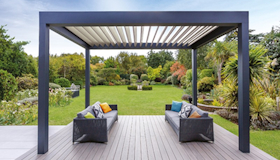
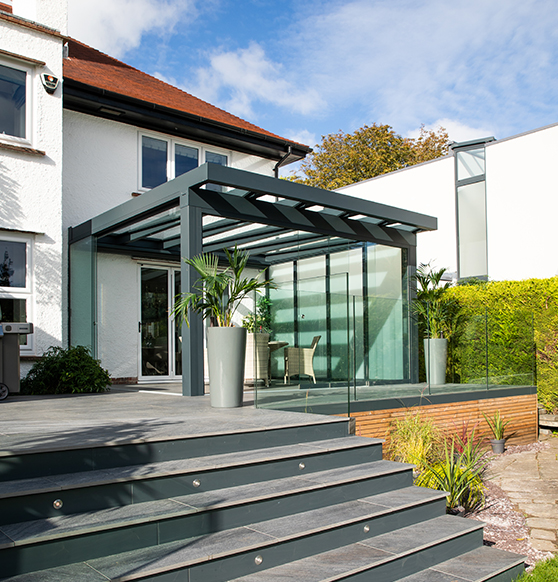
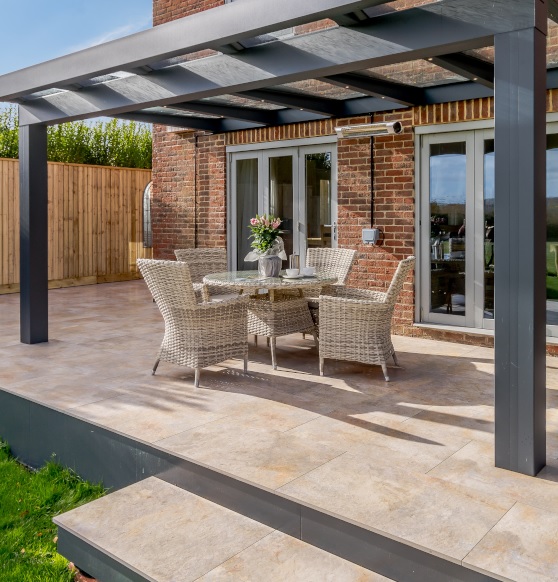
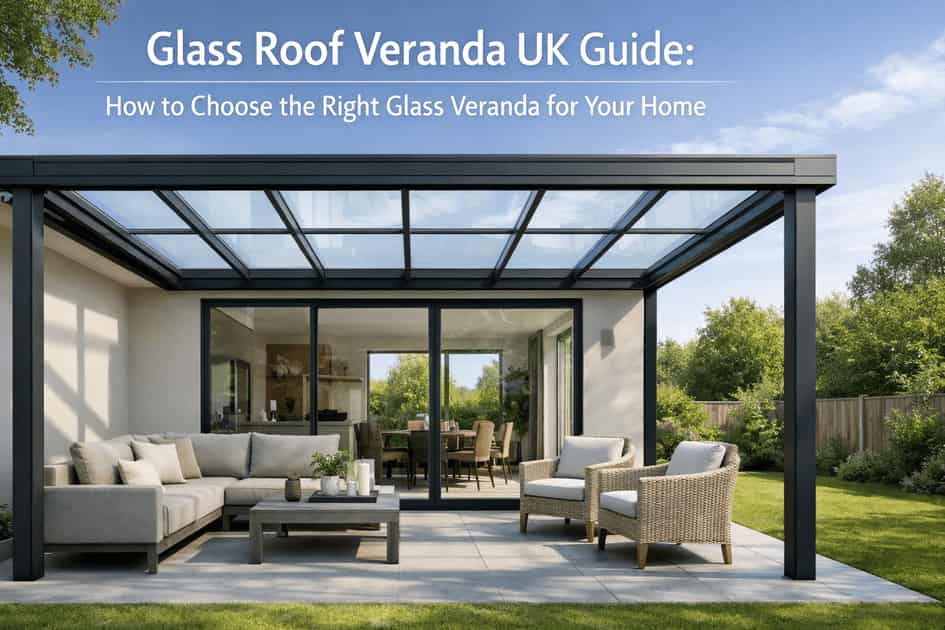
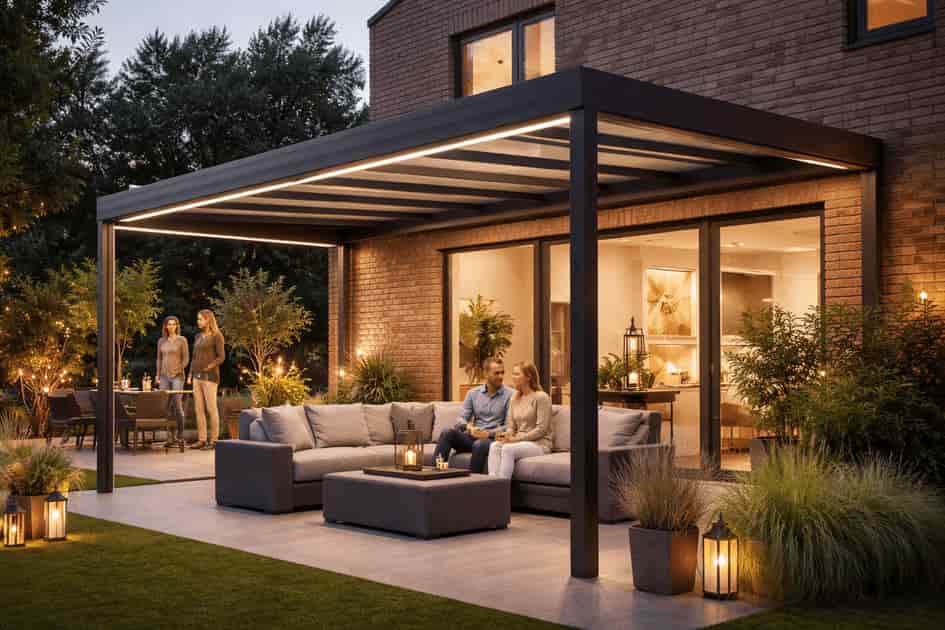
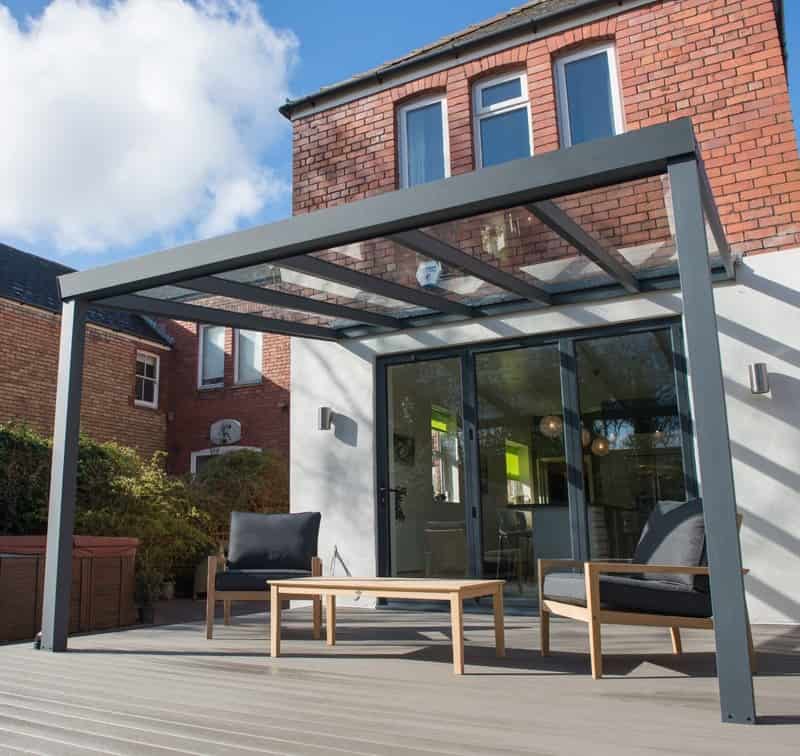
At its simplest, a glass veranda UK system is a fixed aluminium structure attached to the property, featuring toughened glass roof panels. It covers a patio or terrace while remaining open at the sides — although side glazing can be added.

Here’s how it compares to common alternatives:

Glass Veranda vs Pergola

  • Pergolas often use slatted or fabric roofs.
  • They provide shade, not full rain protection.
  • They can feel temporary rather than architectural.

A glass roof veranda provides year-round shelter and integrates more permanently with the property.

Glass Veranda vs Conservatory

  • Conservatories are fully enclosed and structurally more complex.
  • They require deeper foundations and often planning considerations.
  • They come at significantly higher cost.

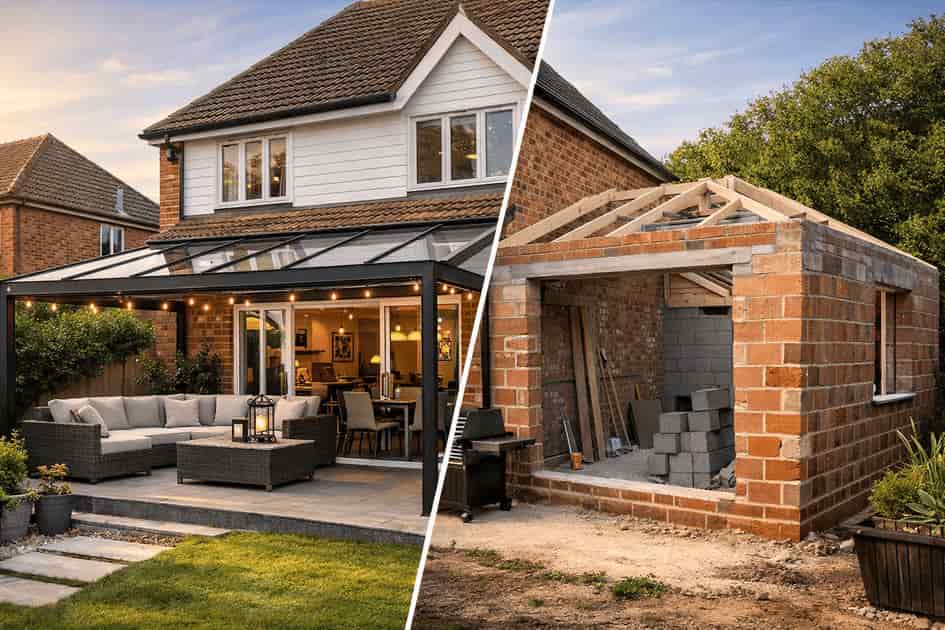
A veranda offers lifestyle benefits without the scale or disruption of a full extension.

Glass Veranda vs Polycarbonate Roofing

  • Polycarbonate can discolour over time.
  • It often creates more noise during rainfall.
  • It lacks the premium clarity of glass.

For homeowners focused on long-term aesthetics and durability, toughened glass remains the stronger option.

Glass Rooms: When Enclosure Makes Sense

Some buyers quickly move beyond open verandas and explore glass rooms instead.

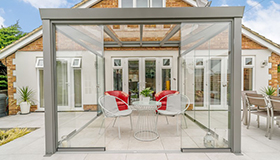
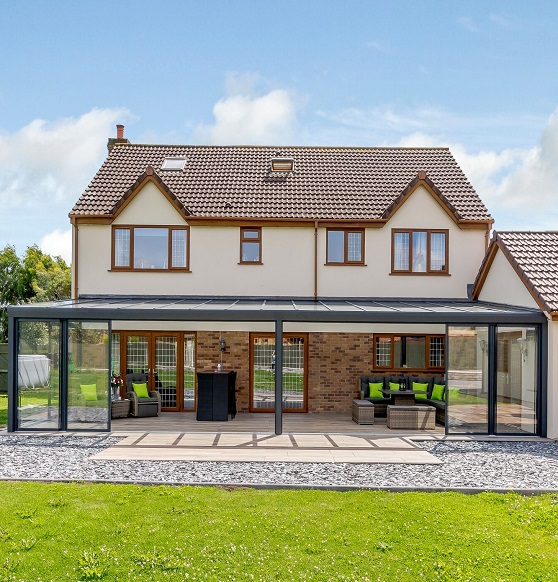
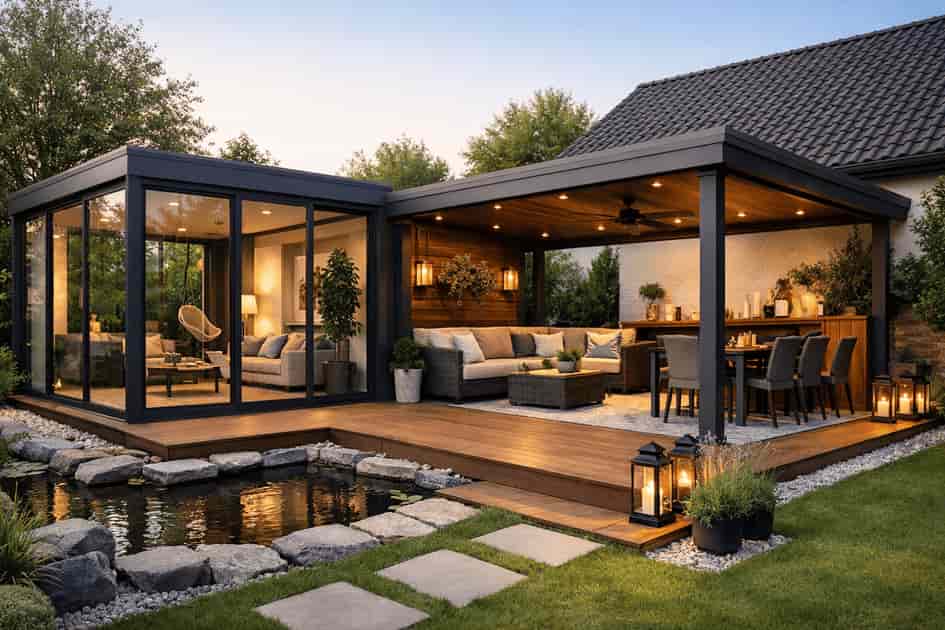
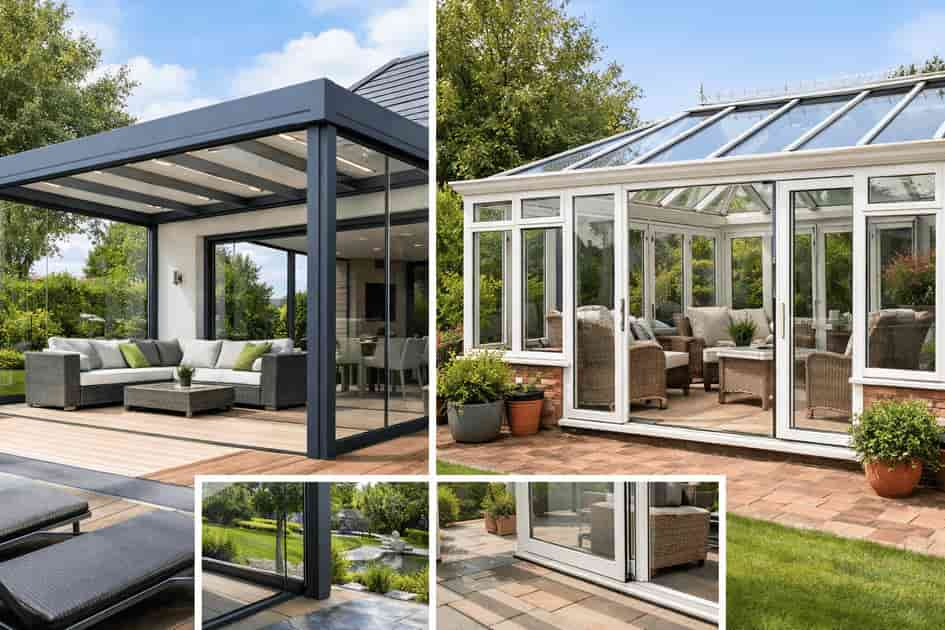
A glass room typically builds on the base of a veranda by adding sliding or fixed glass side panels, creating a more enclosed environment. This transforms the structure into something closer to a garden room — while still retaining that light, modern feel.

You might choose glass rooms if:

  • You want wind protection as well as rain cover
  • You plan to use the space year-round
  • You’d like a quieter, more private setting
  • You intend to add heating or lighting

Many high-quality veranda systems are modular, meaning you can start with a glass roof veranda and upgrade later.

Benefits of Installing a Glass Roof Veranda

When evaluating veranda kits UK, most buyers focus on practical return on investment. Here’s where a well-designed glass veranda delivers real value.

1. Increased Usable Space

While it doesn’t technically increase internal square footage, it expands functional living space. That matters for entertaining, dining, or simply relaxing outside without worrying about rain.

2. More Natural Light Indoors

Because the roof is glazed rather than solid, light continues to enter your home through rear doors and windows.

3. Property Appeal

Outdoor lifestyle features consistently attract attention in property listings. According to housing market commentary from organisations such as Royal Institution of Chartered Surveyors, well-executed home improvements that enhance usability and aesthetics can positively influence buyer perception.

4. Low Maintenance

Powder-coated aluminium frames resist corrosion and require minimal upkeep compared to timber.

5. Design Flexibility

You can integrate:

  • LED lighting
  • Heating elements
  • Sliding glass panels
  • Privacy screens

That flexibility allows the space to evolve with your needs.

What to Look for When Comparing Veranda Kits UK

Not all veranda kits UK suppliers offer the same engineering standards. When reviewing options, look beyond headline price.

Frame Quality

High-grade aluminium with durable powder coating ensures longevity. Slim profiles don’t just look better — they also allow wider spans with fewer supports.

Glass Specification

Toughened safety glass is essential. Thickness and structural integrity should meet UK building standards.

Integrated Drainage

Hidden drainage channels prevent visible guttering and improve water management.

Installation Expertise

Professional installation is often overlooked. Poor alignment or sealing can cause long-term issues. Established suppliers like SunSpaces provide tailored design and installation support, reducing risk.

Warranty & Aftercare

Check what’s covered and for how long. Reputable companies stand behind structural components and glazing.

Installation Considerations: What UK Buyers Should Know

Before installing a glass veranda UK system, consider:

Planning Permission

Many verandas fall under permitted development rights. However, restrictions may apply based on size, height, or conservation area status. Always confirm locally.

Foundations & Ground Preparation

The existing patio or decking must support the structure. Some installations require additional groundwork.

Drainage & Runoff

Rainwater must be directed appropriately. A professional survey should assess this.

Orientation

South-facing installations benefit from solar exposure but may require shading options.

Cost Expectations: Investment vs Value

Costs vary depending on size, glazing specification, and added features.

Entry-level kits may appear affordable upfront but often lack structural refinement and longevity.

Premium systems cost more initially but deliver:

  • Better materials
  • Cleaner aesthetics
  • Stronger warranties
  • Greater property appeal

In many cases, spending slightly more at the outset avoids costly replacement or upgrades later.

Frequently Asked Questions

Do glass roof verandas make a lot of noise in the rain?

High-quality toughened glass performs better acoustically than polycarbonate. Rain noise is typically moderate and far less disruptive than expected.

Can I enclose my glass veranda later?

Yes. Many systems are modular, allowing you to add sliding glass panels and effectively convert it into one of the more enclosed glass rooms available.

Will it darken my kitchen or living room?

No — quite the opposite. A glass roof veranda allows light to pass through while still providing cover.

How long does installation take?

Most professional installations take only a few days, depending on size and complexity.

Are veranda kits UK suitable for DIY installation?

Some kits are marketed as DIY-friendly, but precision is crucial. Professional installation reduces long-term risk.

Internal Linking Suggestions

For improved user journey and SEO cohesion, consider linking to:

  • Glass Rooms product page
  • Aluminium Verandas overview
  • Installation Gallery or Case Studies
  • Planning Permission guidance page
  • Contact / Free Quote page

These links help users explore relevant next steps naturally.

External Reference Suggestion

Where relevant, reference general planning guidance via the UK Government’s Planning Portal to support factual transparency.

Final Thoughts: Is a Glass Veranda the Right Move?

A glass roof veranda isn’t just about shelter. It’s about changing how you use your home.

For many UK homeowners, it becomes the most-used space during spring and summer — and increasingly through autumn when paired with heating and side glazing.

Whether you’re comparing veranda kits UK, weighing open systems against glass rooms, or simply exploring your first glass veranda UK option, the key is choosing a structure built to last.

Quality materials, thoughtful design, and experienced installation matter far more than chasing the lowest quote.

If you’re ready to explore what’s possible, reviewing detailed specifications and arranging a professional consultation is the logical next step.

If you’ve ever looked out into your garden and thought, “I wish I could enjoy this space all year,” you’re not alone. Over the past decade, outdoor living has quietly evolved in the UK. Homeowners are no longer just adding conservatories or patios — they’re investing in sleek, modern extensions that blur the line between indoors and out.

Two options come up again and again: glass rooms and sunrooms. At first glance, they seem similar. Both bring in natural light, extend your living space, and enhance property value. But when you dig a little deeper, the differences become clear — especially when comparing premium solutions like Panorama glass rooms against traditional sunrooms.

As someone who’s spent years working with homeowners planning outdoor upgrades, I’ve seen how choosing the right structure can transform not just a home, but how people use it. This guide will walk you through the real differences, including costs, performance, and long-term value — without the fluff.

Understanding Modern Glass Rooms in the UK

Glass rooms have surged in popularity across the UK for a reason. They offer a contemporary aesthetic that works beautifully with both new builds and older homes. Unlike conservatories of the past, today’s glass rooms are minimal, architectural, and designed to feel seamless.

Premium glass rooms — especially modular systems — use aluminium frameworks paired with expansive glazing. The goal isn’t just shelter; it’s clarity. You’re essentially creating a refined outdoor room that still feels open to the elements.

Many homeowners searching for glass rooms UK options are drawn to their versatility. They can function as:

  • Covered outdoor lounges
  • Dining spaces that work year-round
  • Spa or hot tub enclosures
  • Garden offices with a difference

One of the biggest advantages is flexibility. Depending on the design, you can keep them open in summer and enclosed during cooler months.

What Defines a Sunroom?

Sunrooms, on the other hand, have been around for decades. Traditionally, they’re closer in style to conservatories, often fully enclosed and integrated more directly into the house structure.

In the UK, sunrooms are typically:

  • Fully insulated
  • Built as permanent extensions
  • Heavier in construction
  • More traditional in appearance

They’re ideal for homeowners who want a fully indoor environment that feels like a bright extra room rather than a hybrid indoor-outdoor space.

When people search for sunrooms today, they’re usually prioritising warmth and comfort over flexibility. A sunroom behaves more like a living room with extra glazing than an outdoor structure.

Key Design Differences: Minimalism vs Integration

This is where Panorama glass rooms and sunrooms really diverge.

Glass rooms are designed around transparency and minimal framing. You get slimmer sightlines, uninterrupted garden views, and a distinctly modern feel. If your home leans contemporary — or you want to modernise it — glass rooms naturally complement that look.

Sunrooms, meanwhile, feel more integrated into the house itself. They’re often built with dwarf walls, tiled roofs, or more visible framing. While many modern sunrooms have improved aesthetically, they still tend to feel like extensions rather than outdoor living zones.

If design cohesion matters to you, consider how you want the space to feel. Do you want a stylish garden retreat, or a traditional extra room?

Cost Comparison: Glass Rooms vs Sunrooms

Let’s talk about what most homeowners really want to know — cost.

Glass Room Costs in the UK

The glass veranda cost varies depending on size, glazing options, and features like sliding panels or heating. Entry-level glass verandas can start lower, but high-end systems with frameless glazing and premium finishes naturally sit at the upper end.

Panorama-style glass rooms often cost more upfront because they’re engineered systems rather than custom-built structures. However, they typically come with:

  • Precision engineering
  • Faster installation
  • Lower structural disruption

For many homeowners researching verandas UK prices, the appeal lies in predictability. You’re buying a refined system rather than navigating a complex build.

Sunroom Costs

Sunrooms are usually more variable in price. Because they’re closer to traditional extensions, costs can fluctuate based on:

  • Foundations and groundwork
  • Insulation requirements
  • Planning permissions
  • Roofing systems

In some cases, a fully insulated sunroom may exceed the cost of a premium glass room, especially when factoring in labour and build time.

So while it’s tempting to assume sunrooms are cheaper, the reality is more nuanced.

Installation Time and Disruption

This is an underrated factor, but it matters.

Glass rooms — especially modular designs — are typically installed far quicker. Many can be completed within days rather than weeks. That means less disruption, less noise, and fewer surprises.

Sunrooms, by contrast, often involve a more traditional construction process. Think groundwork, brickwork, roofing, plastering — the full build cycle. For some homeowners, that’s perfectly acceptable. For others, the idea of a lengthy build is a dealbreaker.

If speed and convenience are priorities, glass rooms have a clear edge.

Year-Round Usability

One of the biggest myths I hear is that glass rooms are only for summer. That might have been true a decade ago, but modern systems have evolved dramatically.

Today’s high-quality glass rooms can include:

  • Sliding glass walls
  • Infrared heating
  • Weather-resistant roofing
  • Integrated lighting

With the right setup, they become genuinely usable year-round.

Sunrooms still hold an advantage in insulation. Because they’re built like extensions, they’re naturally warmer in winter. If you want a space that behaves like a fully internal room in January, a sunroom may still come out ahead.

But if you’re looking for flexibility — open in summer, cosy in winter — glass rooms offer something unique.

Planning Permission Considerations

Planning rules in the UK can be confusing, but here’s a simple breakdown.

Many glass rooms fall under permitted development, particularly when they’re freestanding or minimally attached. This can streamline the process significantly.

Sunrooms, depending on size and design, are more likely to require permissions or building regulations approval. Because they’re often treated as extensions, compliance becomes more involved.

Of course, every property is different, but if simplicity matters, glass rooms often present fewer hurdles.

Maintenance and Longevity

Another practical factor homeowners often overlook is upkeep.

Modern aluminium and glass systems are remarkably low-maintenance. Powder-coated finishes resist weathering, and high-quality glazing stays clear with minimal effort.

Traditional sunrooms can require more upkeep over time, particularly if they incorporate mixed materials like timber or tiled roofs.

If you’re investing for the long term and want minimal maintenance, this is worth factoring into your decision.

Which Option Adds More Value?

Both options can enhance property value — but in slightly different ways.

Glass rooms tend to add lifestyle value. They create a wow factor that appeals strongly in modern property markets, especially where outdoor entertaining is desirable.

Sunrooms may add more measurable square footage value, particularly if they’re fully insulated and classified as usable internal space.

Ultimately, the right choice depends on what kind of value you’re prioritising: lifestyle or traditional resale metrics.

Who Should Choose a Panorama Glass Room?

From my experience, Panorama-style glass rooms are ideal for homeowners who:

  • Love contemporary design
  • Want a seamless indoor-outdoor feel
  • Prefer faster installation
  • Value flexibility across seasons

They’re particularly popular among design-conscious homeowners who see outdoor space as an extension of their lifestyle rather than just extra square footage.

Who Should Choose a Sunroom?

Sunrooms are still an excellent choice for many households, especially if you:

  • Want a fully insulated extension
  • Prefer a traditional aesthetic
  • Need an all-weather living space
  • Prioritise internal room functionality

If your goal is essentially “another living room with more light,” a sunroom remains a strong contender.

Final Thoughts: Making the Right Choice for Your Home

Choosing between a Panorama glass room and a sunroom isn’t about which is objectively better — it’s about alignment with your lifestyle.

If you’re drawn to sleek architecture, flexibility, and modern outdoor living, glass rooms offer a compelling, future-forward solution. They’re designed for how people live today: fluid, open, and connected to nature.

If your priority is insulation, permanence, and traditional comfort, sunrooms still hold their ground as a practical, proven option.

The key is to step back and ask one simple question: how do you actually want to use the space?

Because once you answer that honestly, the right choice usually becomes clear.

Outdoor living has evolved dramatically in recent years. British homeowners are no longer satisfied with basic patios or seasonal garden furniture. Instead, there’s a clear shift towards refined, year-round outdoor structures that extend the usability of the home. One solution rising rapidly in popularity is the veranda — and Aspire verandas are leading the trend.

From sleek aluminium frames to elegant glass roofing, these modern installations blend style with practicality. Whether you're searching for verandahs for sale or comparing options with garden sun rooms, Aspire verandas have emerged as a compelling choice for those looking to upgrade their outdoor lifestyle without undertaking major renovations.

In this guide, we explore why Aspire verandas are gaining traction, how they compare to alternatives, and what to expect when considering the glass veranda cost in the UK.

The Rise of Outdoor Living in the UK

The UK property market has undergone a quiet transformation. Instead of moving house, homeowners are investing more in improving what they already have. Garden upgrades have become especially important, driven by lifestyle changes and the desire for flexible living spaces.

A well-designed veranda offers something unique — it bridges the gap between indoors and outdoors. Unlike traditional patios, a veranda provides shelter, structure, and a sense of permanence. This makes it usable throughout the year, even during the famously unpredictable British weather.

That’s one of the main reasons verandahs for sale are attracting so much attention. They deliver the charm of a classic extension without the planning headaches or construction disruption associated with full home builds.

What Makes Aspire Verandas Stand Out?

Not all verandas are created equal. Aspire verandas have gained recognition because they combine contemporary design with robust engineering. Built with premium materials and clean architectural lines, they cater to homeowners who value both aesthetics and durability.

1. Modern Aluminium Construction

One of the defining features of an Aspire veranda is its aluminium framework. Unlike timber structures, aluminium resists warping, rot, and weather damage. This makes it a low-maintenance solution that retains its appearance for years.

2. Sleek Glass Roofing

A hallmark of modern veranda design is the use of high-quality glass roofing. It allows natural light to flow into your home while providing protection from rain. This is especially appealing for homeowners who don’t want to darken interior spaces with bulky extensions.

3. Seamless Integration with Homes

Aspire verandas are designed to complement both traditional and modern properties. Whether attached to a Victorian terrace or a contemporary new build, the minimalist design blends naturally into its surroundings.

Why Homeowners Are Choosing Verandas Over Extensions

Traditional home extensions can be expensive, time-consuming, and stressful. Planning permissions, contractor delays, and escalating costs often make the process daunting.

By contrast, installing a veranda is relatively straightforward. Many systems are modular, meaning quicker installation and fewer disruptions to daily life. This simplicity is a major reason why people browsing verandahs for sale are increasingly leaning towards premium veranda solutions rather than brick-built alternatives.

Another key advantage is flexibility. A veranda can serve multiple functions — outdoor dining space, garden lounge, covered play area, or even a stylish entertainment zone. It adapts to changing needs without requiring structural alterations to the home.

Understanding Glass Veranda Cost in the UK

One of the most common questions homeowners ask is about the glass veranda cost. While prices vary depending on size, materials, and customisation, Aspire verandas tend to strike a balance between affordability and premium quality.

Factors That Influence Cost

  1. Size of the Structure
    Larger verandas naturally cost more due to additional materials and installation complexity.
  2. Type of Glass Used
    Options such as laminated, tinted, or self-cleaning glass can affect the final price.
  3. Additional Features
    Integrated lighting, sliding glass sides, heating systems, and privacy screens can all increase the overall investment.
  4. Installation Requirements
    Ground preparation and structural attachments may add to labour costs, especially for older properties.

Despite these variables, many homeowners find the glass veranda cost more manageable compared to full extensions or garden sun rooms, making it an attractive middle-ground solution.

Verandas vs Garden Sun Rooms: Which Is Better?

If you're researching outdoor upgrades, you’ve likely come across garden sun rooms as an alternative. Both options enhance outdoor living, but they serve slightly different purposes.

Garden Sun Rooms

Garden sun rooms are typically enclosed structures with insulated walls and glazing. They function almost like conservatories, offering year-round indoor comfort. However, they often require more extensive installation and higher upfront costs.

Verandas

A veranda, on the other hand, maintains an open, airy feel. It provides shelter while preserving a strong connection to the outdoors. This makes it ideal for those who want a relaxed garden environment rather than a fully enclosed space.

For many UK homeowners, the choice comes down to lifestyle. Those wanting a bright, breezy outdoor hub often prefer verandas, while those seeking a fully insulated space may lean towards garden sun rooms.

Year-Round Usability

One of the biggest misconceptions about verandas is that they’re only useful in summer. In reality, modern designs have evolved to support year-round use.

With features like integrated heating, retractable side panels, and LED lighting, an Aspire veranda can remain functional even in colder months. Add a few outdoor sofas, warm throws, and soft lighting, and you’ve got a cosy retreat that extends well beyond the summer season.

This versatility plays a significant role in why verandahs for sale are seeing increased demand across the UK.

Low Maintenance Appeal

Another factor driving the popularity of Aspire verandas is ease of maintenance. Traditional garden structures often require annual staining, sealing, or repainting. Aluminium verandas eliminate most of that upkeep.

Glass roofing systems are also easier to maintain than many people expect. Many modern panels include self-cleaning coatings that minimise dirt build-up. A simple rinse with water is usually enough to keep the structure looking fresh.

For busy homeowners, this low-maintenance appeal makes verandas far more attractive than timber pergolas or older conservatory styles.

Boosting Property Value and Kerb Appeal

Outdoor improvements are increasingly influencing property values. Buyers are placing more emphasis on lifestyle features, and a well-designed veranda can significantly enhance a home’s appeal.

Estate agents often note that properties with thoughtfully designed outdoor spaces tend to stand out in listings. A sleek veranda signals quality, usability, and modern living — all desirable traits for prospective buyers.

While it’s difficult to quantify exact returns, many homeowners view the glass veranda cost as an investment rather than an expense, especially when compared with larger structural renovations.

Customisation Options

One reason Aspire verandas are gaining popularity is the level of personalisation available. Homeowners are no longer limited to standard designs.

Popular customisation features include:

  • Integrated LED lighting systems
  • Sliding glass doors or panels
  • Built-in drainage systems
  • Privacy screens or blinds
  • Heating solutions for colder months

These options allow homeowners to create a veranda tailored to their lifestyle, whether that’s hosting summer barbecues or enjoying quiet morning coffees outdoors.

Planning Permission Considerations

In many cases, installing a veranda falls under permitted development rights, meaning formal planning permission may not be required. However, this depends on property type, location, and size of the structure.

Listed buildings, conservation areas, or larger installations may involve additional approvals. It’s always advisable to consult with specialists who understand local regulations before purchasing verandahs for sale.

This expert-led approach aligns with modern homeowner expectations — people want reassurance that their investment complies with planning guidelines and building standards.

Why Aspire Verandas Are Leading the Market

The surge in demand for verandas isn’t accidental. It reflects broader lifestyle changes, including hybrid working, increased time spent at home, and a growing appreciation for outdoor wellbeing.

Aspire verandas, in particular, resonate with UK homeowners because they strike a careful balance:

  • Premium aesthetics without excessive costs
  • Durable materials with minimal maintenance
  • Stylish design suitable for modern living
  • Practical usability across multiple seasons

When compared with bulkier garden sun rooms or expensive extensions, Aspire verandas offer a refined alternative that feels contemporary yet timeless.

Final Thoughts

The growing popularity of Aspire verandas highlights a broader shift in how UK homeowners view their living spaces. Outdoor areas are no longer an afterthought — they’re becoming essential extensions of the home.

Whether you’re exploring verandahs for sale for the first time or comparing options against garden sun rooms, a modern veranda offers a compelling blend of elegance, practicality, and value. And with a manageable glass veranda cost compared to larger renovations, it’s easy to see why so many homeowners are making the switch.

Ultimately, the appeal lies in simplicity. A well-crafted veranda transforms how you use your garden, adding comfort, style, and year-round enjoyment without the complexity of major construction. For those seeking a smarter way to enhance outdoor living, Aspire verandas are clearly setting the standard.

If you’ve spent any time browsing home inspiration lately, you’ll know the glass veranda has become a bit of a quiet obsession among UK homeowners. And it’s not hard to see why. It gives you that in-between space — not quite indoors, not quite outdoors — where you can enjoy your garden without worrying about the weather.

But the big question always comes up early: what is the real glass veranda cost in the UK?

Prices vary wildly online. One site says £2,500. Another says £15,000. So what’s realistic in 2026?

In this guide, I’ll break down actual price ranges, what affects the final cost, and how to decide whether a glass veranda is worth the investment — based on real industry trends and what homeowners are actually paying right now.

What Is a Glass Veranda (And Why Are They So Popular)?

At its simplest, a glass veranda is a fixed outdoor structure attached to your home, typically featuring a powder-coated aluminium frame and a glass veranda roof. It’s designed to create a sheltered outdoor living space that still feels bright and open.

Unlike traditional patio covers, modern verandas are built to look architectural rather than purely functional. That’s part of why demand has surged in the last few years — homeowners want something that feels like a lifestyle upgrade, not just an add-on.

A well-designed veranda can act as:

  • A year-round outdoor seating area
  • A garden dining space
  • A weatherproof transition between house and garden
  • A value-adding home improvement

And thanks to improved materials and glazing tech, they’re now more durable and lower maintenance than older patio structures.

Average Glass Veranda Cost in the UK (2026)

Let’s talk numbers.

In 2026, the average glass veranda cost in the UK typically falls between:

£3,500 – £12,000+

That’s a wide range, but there’s a reason for it. Size, materials, installation complexity, and customisation all influence the final price.

Here’s a more realistic breakdown:

Veranda Type

Typical Cost

Small, entry-level glass veranda

£3,500 – £5,000

Mid-range aluminium veranda

£5,000 – £8,500

Large or bespoke veranda

£9,000 – £12,000+

Premium custom installations

£15,000+

If you’ve seen ultra-low prices online, they’re usually supply-only kits without installation — or very small structures.

Most homeowners looking for a professionally installed veranda roof system land somewhere in the mid-range bracket.

What Drives the Cost of a Glass Veranda?

No two installations are identical, and that’s the biggest reason pricing varies so much. Here are the main factors shaping the real glass veranda cost.

1. Size of the Veranda

Unsurprisingly, size is the biggest pricing factor.

A small 3m-wide veranda will cost significantly less than a 6m structure covering a full patio. More width means:

  • Larger glazing panels
  • Additional support posts
  • Stronger structural framing

As a rough guide, every extra metre adds around £800–£1,500 depending on design complexity.

2. Type of Glass Veranda Roof

Not all glazing is equal, and the roof specification can make a big difference to both cost and comfort.

Common options include:

  • Laminated safety glass (standard choice)
  • Tinted or solar-control glass (reduces glare and heat)
  • Self-cleaning glass (premium upgrade)

Upgrading your veranda roof to solar-control or specialist glazing can add £500–£2,000, but many homeowners say it’s worth it for long-term usability.

3. Frame Material and Finish

Most modern verandas use powder-coated aluminium frames, which strike a good balance between durability and aesthetics.

However, the finish matters more than people realise.

Costs increase if you choose:

  • Bespoke RAL colour finishes
  • Woodgrain-effect aluminium
  • Heavy-duty structural profiles

White frames are typically the most affordable, while custom finishes can add several hundred pounds.

4. Installation Complexity

This is where online pricing often becomes misleading.

A straightforward installation on a flat patio is relatively quick and cost-effective. But things change if your property has:

  • Uneven ground levels
  • Brickwork modifications
  • Drainage adjustments
  • Access restrictions

Labour costs rise when installation becomes more technical — which is why two identical verandas can have very different final quotes.

5. Optional Extras and Upgrades

This is where your veranda can shift from “nice addition” to “outdoor living space.”

Popular upgrades include:

  • Integrated LED lighting
  • Infrared heaters
  • Frameless glass sides
  • Sliding glass doors
  • Built-in drainage systems

These extras can easily add £1,000–£5,000 depending on how far you go.

But they also transform how often you actually use the space — which is why many homeowners budget for upgrades upfront.

Are DIY Glass Verandas Cheaper?

You might be tempted by DIY kits advertising low glass veranda cost figures. And yes — supply-only options can be cheaper initially.

Some kits start from £2,000–£3,000.

But there are trade-offs.

DIY installations often mean:

  • Limited customisation
  • Shorter warranties
  • Greater risk of structural issues
  • No professional weatherproofing

And if something goes wrong, repairs can quickly wipe out the initial savings.

For most UK homeowners, professionally installed verandas still offer better long-term value — especially if the structure is attached directly to your property.

Planning Permission: Will You Need It?

In many cases, a glass veranda falls under permitted development rights in the UK. That means you may not need full planning permission.

However, there are exceptions.

You may need approval if:

  • Your home is listed
  • You live in a conservation area
  • The veranda exceeds height restrictions
  • It projects too far into your garden

A reputable installer will usually advise you on this early, which is one of the benefits of going with an experienced supplier.

Does a Glass Veranda Add Value to Your Home?

This is a common question — and the answer is generally yes, though indirectly.

A well-designed veranda doesn’t always add a specific percentage to your property value, but it does improve:

  • Outdoor usability
  • Kerb appeal
  • Lifestyle appeal for buyers

Estate agents increasingly highlight usable outdoor space as a major selling point, especially post-pandemic.

So while you may not recoup every pound immediately, a quality veranda can make your home more attractive on the market.

Is a Glass Veranda Worth the Investment?

This depends on what you want from your outdoor space.

From a purely financial perspective, a glass veranda sits somewhere between a luxury and a practical upgrade. But from a lifestyle perspective, it’s one of the most impactful improvements you can make.

Homeowners who install a veranda often mention:

  • Spending more time outside year-round
  • Hosting more gatherings at home
  • Reduced reliance on indoor extensions

And compared to conservatories or full extensions, a veranda roof system delivers a similar “extra space” feeling at a fraction of the cost.

How to Get an Accurate Glass Veranda Quote

If you’re serious about installing a veranda, here’s the best approach to avoid pricing surprises:

  1. Measure your space properly
    Rough dimensions help suppliers provide realistic estimates.
  2. Decide on must-have features
    Lighting, heating, and glass sides can significantly affect pricing.
  3. Ask about installation specifics
    Ground conditions and access can influence labour costs.
  4. Compare like-for-like quotes
    Make sure you’re comparing the same materials and glazing specifications.

The biggest mistake homeowners make is comparing headline prices without checking what’s actually included.

Final Thoughts: What Should You Budget in 2026?

If you’re planning ahead, here’s a realistic rule of thumb:

  • Entry-level veranda: £3,500–£5,000
  • Most popular installations: £5,000–£8,500
  • Premium bespoke veranda: £9,000–£12,000+

In 2026, rising material costs and labour demand have nudged prices upward slightly — but glass verandas still offer strong value compared to larger structural home improvements.

Ultimately, the right veranda isn’t about chasing the lowest glass veranda cost. It’s about finding a balance between quality, design, and how you want to use the space.

A well-built glass veranda should last decades, not just seasons. And when chosen carefully, it becomes less of a purchase — and more of a lifestyle upgrade you’ll use far more than you expect.

There’s a moment every homeowner knows well — standing at the back door, looking out at the garden, and feeling like it should be more. More usable. More inviting. More you.

That’s exactly where I found myself a couple of years ago.

The garden wasn’t small. It wasn’t neglected. But it was underused. Like many UK homes, the weather ruled how and when we stepped outside. A bit of drizzle? Stay indoors. Harsh sun? Too hot. Wind? Forget it.

That’s when I started exploring outdoor verandahs — and eventually discovered how a thoughtfully designed glass veranda could completely transform not just the garden, but how we live in our home.

This isn’t a sales pitch. It’s the real story of how I redesigned my outdoor space, what I learned about garden verandas UK homeowners are installing, and the veranda ideas that actually work in real British weather.

Why Outdoor Living Matters More in the UK Than We Think

We often assume outdoor living is something reserved for Mediterranean homes or modern American patios. But in reality, outdoor spaces are becoming just as important here in the UK.

Post-pandemic living changed priorities. People began investing more in their homes. Extensions, garden rooms, outdoor kitchens — and increasingly, outdoor verandahs.

The shift makes sense. A veranda sits in that perfect middle ground between indoors and outdoors. You’re outside, but sheltered. Connected to nature, without battling the elements.

And once I started noticing them, I saw them everywhere — in contemporary builds, renovated period homes, and even compact urban gardens.

The Problem With Traditional Patios

Before installing a veranda, I tried the usual upgrades.

  • A better patio set
  • A parasol
  • Outdoor heaters
  • Weatherproof cushions

They helped, but none solved the core issue: unpredictability.

British weather is famously inconsistent. A sunny morning can turn grey by lunch. Wind sneaks in unexpectedly. And rain? Always lurking.

Traditional patios leave you exposed. You’re constantly adjusting plans around the forecast. That’s where garden verandas UK homeowners are choosing today feel different — they create consistency.

Discovering Glass Verandas

I initially assumed verandas meant heavy timber structures or bulky conservatory-style builds. But modern glass veranda designs are in a completely different league.

Slim aluminium frames. Clean lines. Transparent roofing. Minimal visual weight.

The appeal was immediate.

A glass veranda lets light flood through while providing shelter. It doesn’t block views. It doesn’t make your home feel enclosed. Instead, it enhances the architecture.

That balance is what sold me.

How Outdoor Verandahs Transform Everyday Living

What surprised me most wasn’t the aesthetic upgrade — it was the lifestyle change.

Once the veranda was installed, we started using the garden differently.

Morning coffee outside became a habit.
Alfresco dinners felt effortless.
Rainy afternoons suddenly felt cosy rather than inconvenient.

The biggest shift? The garden stopped being seasonal.

With outdoor verandahs, the garden becomes usable almost year-round. That alone makes the investment worthwhile.

The Rise of Garden Verandas in the UK

If you’ve been researching home upgrades lately, you’ve probably noticed how popular garden verandas UK homeowners are installing have become.

There are a few reasons behind this surge:

1. Smarter Home Investments

Instead of moving, people are improving. Outdoor upgrades deliver strong lifestyle ROI.

2. Seamless Indoor-Outdoor Living

Open-plan interiors naturally flow into covered outdoor spaces.

3. Planning-Friendly Solutions

Many verandas fall within permitted development, making them simpler than extensions.

4. Modern Design Appeal

Today’s verandas complement contemporary and traditional homes alike.

It’s no longer a niche addition — it’s a mainstream home improvement.

Choosing the Right Outdoor Verandah

If you’re considering outdoor verandahs, not all are created equal. I learned this the hard way during early research.

Here’s what actually matters.

Build Quality

Look for powder-coated aluminium frames rather than cheaper materials. They last longer and require less maintenance.

Roof Type

A glass veranda creates openness and light, while polycarbonate options offer more shade but less visual appeal.

Integration With Your Home

The best verandas look like they were always meant to be there — not bolted on as an afterthought.

Customisation

Lighting, heating, and side screens can elevate a veranda from functional to exceptional.

These small decisions make a big difference long term.

Veranda Ideas UK Homeowners Actually Love

Scrolling Pinterest is fun, but not every idea works in the UK climate. Here are some veranda ideas UK homeowners consistently find practical and stylish.

Outdoor Dining Zones

A simple dining table under a glass roof instantly upgrades garden entertainment.

Lounge-Style Seating

Think outdoor sofas, rugs, and layered lighting. Cosy rather than clinical.

Minimalist Modern Verandas

Slimline aluminium and frameless glass for contemporary homes.

Veranda With Lighting

Integrated LED strips make evenings magical.

All-Weather Relaxation Spaces

Add infrared heaters and enjoy the garden even in winter.

The best veranda ideas aren’t about extravagance — they’re about usability.

Why I Chose a Glass Veranda Over Other Options

I briefly considered alternatives like pergolas and awnings, but they didn’t offer the same permanence or elegance.

Here’s why the glass veranda stood out.

  • It preserves natural light indoors
  • It looks architecturally refined
  • It adds real property value
  • It requires minimal upkeep

Most importantly, it feels timeless. Trends change, but glass and aluminium rarely look dated.

Installation: What to Expect

One of my biggest concerns was disruption. I imagined weeks of noise and mess.

In reality, installation was surprisingly straightforward.

Most professional veranda installations take just a few days, depending on size and groundwork. The key is choosing experienced installers who specialise in garden verandas UK projects, not general builders.

Preparation matters too — ensuring the patio base is level and drainage is considered early.

Maintenance and Longevity

A common question I get is: do verandas require a lot of upkeep?

The short answer: no.

Modern outdoor verandahs are designed for longevity.

  • Aluminium frames resist rust
  • Glass roofing is easy to clean
  • Powder coatings prevent fading

A simple clean a couple of times a year keeps everything looking sharp.

Compared to wooden structures, the maintenance difference is significant.

How a Veranda Adds Property Value

Beyond lifestyle improvements, there’s a financial angle worth mentioning.

Estate agents increasingly highlight outdoor living features in listings. A well-designed veranda enhances curb appeal and creates a memorable viewing experience.

While it may not add value pound-for-pound like an extension, it absolutely strengthens desirability — which can be just as important in competitive markets.

Mistakes to Avoid When Planning a Veranda

Looking back, there are a few things I’d advise anyone considering outdoor verandahs to keep in mind.

Don’t Go Too Small

You’ll use it more than you expect. Plan for future needs.

Avoid Cheap Materials

Low-cost structures often age poorly.

Think About Orientation

Sun direction affects comfort year-round.

Plan Lighting Early

Retrofitting electrics later is harder.

A little foresight prevents regret.

Is a Glass Veranda Worth It in the UK?

This is probably the question I get asked most often.

And honestly? Yes — if you value your outdoor space.

A glass veranda works with the British climate rather than fighting it. It softens the weather’s impact while preserving that outdoor connection we all crave.

For me, it turned an occasionally used garden into an everyday space.

That’s hard to put a price on.

The Emotional Impact No One Talks About

Here’s something that rarely appears in product pages or brochures: how a veranda makes you feel.

There’s something grounding about sitting outside during light rain, protected but still connected to nature. Or watching sunsets without rushing indoors as temperatures drop.

It creates moments. Quiet ones. Memorable ones.

And those are often the upgrades that matter most.

Final Thoughts: A Garden You’ll Actually Use

If your garden currently feels like a “nice to have” rather than a daily retreat, you’re not alone. Many UK homeowners are rediscovering their outdoor spaces through smart, design-led additions.

For me, installing one of the modern garden verandas UK homeowners are embracing was transformative. It didn’t just improve the garden — it changed how we live in our home.

Whether you’re exploring veranda ideas UK designers are loving or seriously considering a glass veranda, the key is choosing quality, thoughtful design, and experienced installation.

Done right, it’s not just an upgrade.

It’s a lifestyle shift.

And one you’ll appreciate every single day.

If you’re thinking about expanding your living space, you’re probably weighing up two options: a full extension or a glass veranda. It’s a common dilemma for UK homeowners who want more usable space without diving headfirst into a lengthy, expensive build.

Over the past decade, I’ve worked with countless homeowners navigating this exact decision. And one thing is clear — the rise of the modern glass veranda isn’t just a trend. It’s a practical response to changing lifestyles, tighter budgets, and a growing desire for seamless indoor-outdoor living.

In this guide, we’ll break down how glass verandas compare with traditional extensions, including real-world cost insights, design flexibility, and what makes them such a compelling garden extension option in the UK.

Why More UK Homeowners Are Choosing Glass Verandas

Ten years ago, most people looking to expand their home defaulted to a brick-built extension. Today, that assumption is shifting.

The modern glass room aluminium veranda offers something traditional builds often can’t — speed, flexibility, and visual openness. Instead of enclosing space entirely, it creates a sheltered outdoor area that still feels connected to your garden.

This matters more than ever. Outdoor living has become a priority for many households, and homeowners are increasingly looking for ways to enjoy their gardens year-round without committing to structural changes that disrupt the property.

That’s where glass veranda solutions stand out — they sit somewhere between a patio cover and a full conservatory, delivering usable space without the usual trade-offs.

Glass Verandas vs Extensions: The Key Differences

Before diving into costs and benefits, it helps to understand what sets these two options apart.

1. Planning Permission and Regulations

A traditional extension almost always involves:

  • Planning approval (depending on size and location)
  • Building regulations compliance
  • Structural inspections

In contrast, many glass verandas fall under permitted development, particularly when installed at the rear of the property. That doesn’t mean rules don’t apply — height, projection, and boundary limits still matter — but the process is typically far simpler.

For homeowners who want a hassle-free garden upgrade, this alone can be a deciding factor.

2. Installation Timeline

If you’ve ever lived through a home extension build, you’ll know the reality: weeks (sometimes months) of dust, disruption, and tradespeople.

A professionally installed glass room aluminium veranda can often be completed in a matter of days.

That speed changes everything. Instead of a long-term construction project, it becomes a relatively straightforward home improvement — closer to installing premium glazing than rebuilding your property.

3. Cost Comparison: Verandas UK Prices vs Extensions

Let’s talk numbers, because this is where decisions often get made.

A modest rear extension in the UK can easily run into five figures per square metre once you factor in labour, materials, and finishing.

By comparison, verandas UK prices are typically far more accessible. While premium systems vary based on size and customisation, most homeowners find they can achieve a high-end outdoor structure for a fraction of extension costs.

And importantly, there are fewer hidden expenses — no structural reinforcements, fewer approvals, and reduced professional fees.

The Lifestyle Benefits of a Glass Veranda

Cost savings are compelling, but the real value of a glass veranda is how it changes the way you use your home.

A True Indoor-Outdoor Living Experience

Unlike a brick extension, a glass veranda doesn’t separate you from the outdoors — it frames it.

You get:

  • Natural daylight without compromise
  • Rain protection without losing fresh air
  • A seamless transition from kitchen to garden

For families who love entertaining, this is a game changer. Barbecues don’t get cancelled because of drizzle, and summer evenings stretch comfortably into cooler nights.

A Smarter Garden Extension

If your goal is simply “more space,” a full extension might be overkill. Many homeowners don’t actually need another enclosed room — they need flexibility.

A garden extension in the form of a glass veranda gives you a multi-use space:

  • Morning coffee area
  • Outdoor dining zone
  • Sheltered play space for children
  • Relaxed work-from-home setting

It adapts with the seasons, which is something fixed extensions struggle to do.

Adds Value Without Overbuilding

From an estate perspective, over-extending can sometimes reduce appeal, especially if it eats into valuable outdoor space.

A well-designed glass veranda installation enhances kerb appeal without overwhelming the property footprint. It feels like an upgrade, not an alteration — and that distinction matters when it comes to resale.

Design Flexibility: Where Glass Verandas Shine

One of the biggest misconceptions I hear is that verandas are visually basic. That might have been true years ago, but modern systems are anything but.

Contemporary Aluminium Frames

The shift towards aluminium has transformed veranda aesthetics. Powder-coated frames offer:

  • Slim sightlines
  • Exceptional durability
  • Colour customisation to match windows or doors

A high-quality glass room aluminium veranda integrates naturally with both modern and traditional homes.

Integrated Features

Today’s premium glass verandas can include:

  • LED lighting strips
  • Infrared heating panels
  • Retractable glass sides
  • Sliding doors or screens

These additions blur the line between veranda and glass room — creating something far more versatile than a simple canopy.

Are Glass Verandas Suitable for the UK Climate?

Short answer: yes — if you choose the right system.

The UK’s unpredictable weather is exactly why glass verandas have grown in popularity. With laminated safety glass roofing and robust aluminium structures, they’re designed to withstand:

  • Heavy rainfall
  • Wind exposure
  • Seasonal temperature shifts

Many homeowners find they use their veranda more in autumn and spring than peak summer — simply because it creates a sheltered microclimate that feels comfortable even when the weather turns.

When an Extension Still Makes Sense

To keep this balanced, glass verandas aren’t the answer for every situation.

A traditional extension may be better if you:

  • Need additional bedrooms
  • Want to expand kitchen square footage permanently
  • Require fully insulated, year-round internal space

In those cases, a structural build provides functionality a veranda simply isn’t designed to replace.

But for lifestyle-driven upgrades, the balance often tilts the other way.

Understanding Verandas UK Prices in Context

One mistake I see often is comparing raw price tags without considering long-term value.

Yes, verandas UK prices are typically lower than extensions — but that’s only part of the story.

You should also factor in:

  • Reduced installation disruption
  • Minimal ongoing maintenance
  • Faster enjoyment of the investment
  • Greater flexibility for future upgrades

When viewed holistically, many homeowners find verandas deliver a higher satisfaction-to-cost ratio.

The Rise of the Glass Room Hybrid

An interesting shift in recent years is the demand for hybrid solutions — essentially enclosed verandas.

By adding sliding glass panels or vertical glazing, a glass room aluminium veranda can evolve into a semi-enclosed outdoor room.

This gives homeowners the best of both worlds:

  • Open in summer
  • Sheltered in winter
  • Adaptable all year

It’s a modular approach that aligns perfectly with modern renovation trends — start simple, upgrade later.

Maintenance and Longevity

Another overlooked factor when comparing verandas and extensions is upkeep.

Brick extensions require:

  • Roof maintenance
  • Gutters and flashing checks
  • Repainting or rendering over time

Glass verandas, particularly aluminium-framed ones, are refreshingly low maintenance. Occasional glass cleaning and basic inspections are usually all that’s needed to keep them looking pristine.

For busy homeowners, this simplicity is a major win.

Choosing the Right Supplier Matters

Not all glass verandas are created equal. Quality varies dramatically depending on materials, engineering, and installation standards.

When researching options, look for:

  • Structural-grade aluminium systems
  • Certified safety glazing
  • Transparent pricing
  • Proven installation experience

This is where working with specialists makes a difference — especially if you’re aiming for a long-term garden extension rather than a short-term upgrade.

Final Thoughts: Is a Glass Veranda Worth It?

If you’re deciding between a full extension and a veranda, the real question isn’t just about space — it’s about how you want to live.

A traditional extension offers permanence and enclosure. A glass veranda offers flexibility, speed, and a stronger connection to your outdoor space.

For many UK homeowners, that balance makes all the difference.

The modern glass veranda isn’t just a stylish addition — it’s a practical way to expand your living environment without the cost, complexity, and commitment of structural building work.

And with evolving verandas UK prices and increasingly sophisticated glass room aluminium veranda designs, it’s no surprise more homeowners are choosing this smarter, more adaptable alternative.

If your goal is a beautiful, functional garden extension that enhances both lifestyle and property appeal, a glass veranda might just be the upgrade that makes the most sense.

For many UK homeowners, the garden isn’t just outdoor space anymore — it’s an extension of everyday living. Over the past decade, I’ve watched a clear shift. People aren’t simply adding conservatories or basic patio covers. They’re investing in beautifully designed glass rooms and roofed veranda structures that genuinely change how they live at home.

The appeal is obvious. More natural light. More usable space. A stronger connection between indoors and outdoors. And importantly, it adds real, lasting value.

If you’ve been searching for extension garden room ideas, exploring verandas near me, or researching glass garden rooms UK homeowners trust, this guide will help you understand what’s possible — and why modern systems like the Panorama range from Sunspaces are redefining outdoor living.

Why Glass Rooms Are the Modern Alternative to Traditional Extensions

Traditional brick extensions are expensive, disruptive, and often take months to complete. They also separate you from the garden visually.

Glass rooms solve that problem.

They offer:

  • Full protection from wind and rain
  • Panoramic garden views year-round
  • A seamless transition between inside and outside
  • Faster installation compared to brick extensions
  • Lower overall project costs

But beyond the practical benefits, glass rooms feel different. They change the atmosphere of your home.

You don’t just gain space — you gain light, openness, and flexibility.

I’ve seen homeowners use glass rooms as:

  • Garden lounges
  • Dining areas
  • Home offices
  • Gym spaces
  • Entertaining zones
  • Quiet reading retreats

This versatility is exactly why glass garden rooms UK demand has grown rapidly.

Extension Garden Room Ideas That Actually Work in Real Homes

Not every idea works in practice. The best extension garden room ideas balance aesthetics, usability, and long-term value.

Here are proven concepts that homeowners consistently love.

1. The All-Season Garden Lounge

This is one of the most popular uses for glass rooms.

With sliding glass panels and a solid roof, you can enjoy:

  • Summer airflow
  • Winter protection
  • Year-round usability

Add comfortable seating, outdoor-rated rugs, and subtle lighting. The space becomes your second living room.

Unlike traditional conservatories, modern glass rooms regulate temperature better and avoid the greenhouse effect.

2. The Roofed Veranda for Everyday Use

A roofed veranda is often underestimated — but it’s one of the smartest investments you can make.

It creates a protected outdoor space without fully enclosing it.

This works perfectly for:

  • Morning coffee outdoors
  • Family meals
  • Shelter during light rain
  • Covered play areas for children

A high-quality roofed veranda can later be upgraded into a fully enclosed glass room if needed.

This flexibility makes it ideal for homeowners planning gradual upgrades.

3. The Indoor-Outdoor Dining Space

Dining outdoors in the UK is unpredictable because of the weather.

Glass rooms solve this.

You can create a permanent outdoor dining area protected from rain and wind, while still feeling connected to nature.

Large sliding panels allow ventilation in summer, while the roof keeps everything dry.

This is one of the most practical extension garden room ideas for families who enjoy entertaining.

4. The Modern Garden Office

Remote work has permanently changed how we use our homes.

A glass garden room provides:

  • Natural light for productivity
  • Separation from household distractions
  • A professional, calming workspace

Unlike indoor rooms, garden offices feel less confined and more inspiring.

Many homeowners report increased focus and wellbeing when working in glass rooms.

5. The Hybrid Roofed Veranda and Glass Room Combination

This is where systems like Panorama truly shine.

You can combine:

  • A roofed veranda section
  • With fully enclosed glass room sections

This creates flexible zones.

Partially open in summer. Fully enclosed in winter.

This adaptability makes it one of the smartest long-term investments.

Why Glass Garden Rooms UK Homeowners Prefer Over Conservatories

Traditional conservatories have limitations.

They often become:

  • Too hot in summer
  • Too cold in winter
  • Difficult to regulate

Modern glass rooms address these problems with improved design.

Key differences include:

Better airflow control
Sliding glass panels allow adjustable ventilation.

Stronger structural systems
Aluminium frames offer durability and minimal maintenance.

Cleaner, more contemporary aesthetics
Modern glass rooms look like architectural upgrades, not add-ons.

Improved usability year-round

This is why many homeowners searching for verandas near me are now choosing full glass room systems instead.

The Psychological Benefit Most People Don’t Expect

This might sound subtle, but it’s real.

Access to natural light and garden views improves how your home feels.

Glass rooms provide:

  • More daylight exposure
  • Reduced sense of confinement
  • Increased relaxation

There’s a reason architects favour glass in modern home design.

And it aligns with design principles encouraged by Google’s EEAT guidelines — prioritising real user experience, trust, and practical value.

People want homes that feel better, not just look better.

Roofed Veranda vs Fully Enclosed Glass Rooms: Which Is Right for You?

Both options have advantages.

Choose a Roofed Veranda if you want:

  • Lower initial investment
  • Outdoor protection
  • Flexible, open space
  • Future upgrade potential

Choose Glass Rooms if you want:

  • Maximum year-round usability
  • Weather protection
  • Enhanced home value
  • Fully usable living space

Many homeowners start with a roofed veranda and later add glass panels.

This staged approach spreads costs while increasing functionality over time.

Why Panorama Glass Rooms Are Designed for Real UK Conditions

The UK climate demands durable solutions.

Rain, wind, and temperature fluctuations require strong systems.

Panorama glass rooms are designed with:

  • Robust aluminium structures
  • Weather-resistant roofing systems
  • Smooth sliding glass panels
  • Minimal maintenance requirements

Unlike cheap alternatives, high-quality glass rooms maintain performance and appearance for decades.

This is crucial when making a structural investment in your home.

How Glass Rooms Increase Property Value

This is one of the biggest financial advantages.

Glass rooms increase:

  • Usable square footage
  • Buyer appeal
  • Modern design appeal
  • Functional living space

Estate agents consistently report that well-designed outdoor structures increase perceived home value.

Buyers see them as premium lifestyle upgrades.

Not temporary additions.

Permanent enhancements.

Planning Permission Considerations in the UK

Most glass rooms and roofed veranda installations fall under permitted development.

This means planning permission often isn’t required.

However, this depends on:

  • Size
  • Height
  • Location
  • Property type

Professional suppliers guide homeowners through compliance requirements.

This ensures peace of mind and avoids costly mistakes.

What to Look for When Searching “Verandas Near Me”

Not all suppliers deliver the same quality.

Here’s what experienced homeowners prioritise:

Proven installation experience
Years of installation expertise matter.

High-quality materials
Aluminium systems last longer than cheaper alternatives.

Custom design capability
Every home is different.

Weather-tested systems

Strong customer reviews

Choosing the right supplier ensures your glass room performs well for decades.

Design Tips from 10+ Years of Real-World Experience

After working with countless homeowners, here’s what consistently produces the best results.

Keep It Connected to Your Home

Glass rooms should feel like a natural extension, not an afterthought.

Align rooflines, materials, and access points.

Prioritise Orientation

South-facing glass rooms receive more sunlight.

North-facing rooms benefit from roofing that maximises brightness.

Think About How You’ll Actually Use the Space

Don’t design based on aesthetics alone.

Plan for:

  • Seating
  • Dining
  • Lighting
  • Access

Function always comes first.

Invest in Quality Once

Cheap systems cost more long-term.

They degrade faster and require replacement sooner.

Premium glass rooms last decades.

Why Glass Rooms Are One of the Smartest Home Improvements Today

Homeowners increasingly want flexibility.

Glass rooms offer:

  • Lifestyle enhancement
  • Property value growth
  • Daily usability
  • Low maintenance

They adapt to changing needs.

Family space today.

Office tomorrow.

Entertainment space forever.

Few home improvements offer this level of versatility.

Bringing Your Extension Garden Room Ideas to Life with Panorama

The Panorama system provides the flexibility modern homeowners need.

It combines:

  • Elegant design
  • Structural durability
  • Adaptable functionality

Whether you want a simple roofed veranda or a fully enclosed glass room, Panorama offers solutions tailored to your home.

This isn’t just about adding space.

It’s about improving how you live every day.

Final Thoughts: Invest in Space You’ll Actually Use

The best extension garden room ideas aren’t about trends.

They’re about creating usable, comfortable space that enhances daily life.

Glass garden rooms UK homeowners choose today are smarter, more durable, and more adaptable than ever before.

They provide:

  • Shelter
  • Light
  • Comfort
  • Flexibility
  • Value

Whether you start with a roofed veranda or install a full glass room, the result is the same.

More space.

More light.

Better living.

Explore the Panorama range to see how modern glass rooms can transform your home and help you enjoy your garden in every season.


There’s something quietly transformative about adding a veranda to your home.

It’s not just a structure bolted onto brickwork. Done properly, a veranda becomes a lifestyle upgrade — a sheltered space for slow Sunday mornings, long summer evenings, and those in-between days when British weather can’t quite make up its mind.

Over the past decade, we’ve seen a real shift in how homeowners approach outdoor living. The modern roof veranda is no longer a simple cover over the patio. It’s a design-led, architectural feature that enhances property value while giving you a practical, all-season extension of your living space. And for those wanting even more enclosure, garden glass rooms are becoming increasingly popular.

If you’re researching verandas near me and feeling overwhelmed by the options, this guide will walk you through everything you need to know — from choosing the right supplier to keeping your veranda looking pristine for years to come.

Why Glass Verandas Are So Popular in the UK

The British climate plays a huge role here.

We love being outdoors — but we also need shelter from drizzle, wind, and surprisingly strong UV in the summer. A well-designed veranda gives you protection without cutting you off from your garden.

Unlike traditional conservatories, glass verandas feel light and unobtrusive. They allow natural daylight to flood your home while giving you a covered outdoor area that works in every season.

Homeowners typically install verandas to:

  • Extend kitchen-dining areas into the garden
  • Create sheltered entertaining spaces
  • Protect patio furniture and bi-fold doors
  • Add architectural interest to modern and period homes
  • Increase usable space without a full extension

The key, however, is choosing the right system and ensuring it’s properly designed and installed.

1. Start With a Reputable Veranda Specialist

When searching online for verandas near me, you’ll find a wide mix of companies — from general builders to dedicated outdoor living specialists. The difference in expertise matters.

A professionally designed roof veranda needs:

  • Structural calculations
  • Correct load-bearing assessments
  • High-quality powder-coated aluminium
  • Toughened safety glass
  • Proper drainage integration
  • Precision installation

An experienced veranda company will visit your home, carry out a detailed survey, and provide a fixed-price quotation. This isn’t something you want estimated from photographs alone.

Look for:

  • A strong portfolio of completed installations
  • Genuine customer reviews
  • Clear product warranties
  • Transparent pricing
  • Knowledge of UK planning regulations

A veranda should last decades. Choosing a specialist with a proven track record ensures long-term durability and performance.

2. Understand Planning Permission Requirements

One of the most common questions homeowners ask is whether planning permission is required for a veranda.

In many cases, a veranda falls under permitted development — particularly if it:

  • Does not exceed certain height restrictions
  • Does not extend beyond specific projection limits
  • Is not on a listed building
  • Is not in a conservation area

However, regulations vary depending on location and property type. An experienced supplier will check with your local authority before installation and advise you accordingly.

If permission is required, reputable companies typically manage the application process on your behalf. That removes stress and ensures compliance.

This step is often overlooked when homeowners choose cheaper installers — and it can lead to costly issues later. Always confirm the legal position before proceeding.

3. Design Matters More Than You Think

A veranda shouldn’t look like an afterthought.

The best installations feel like a natural extension of your home’s architecture. Whether you own a contemporary new-build or a traditional brick property, the design choices you make will determine the final result.

Consider Frame Colour

Modern aluminium verandas are available in a wide range of powder-coated finishes. Anthracite grey remains popular, but softer neutrals and bespoke colours are increasingly requested.

Choose the Right Roof Style

A roof veranda can be designed in various configurations:

  • Lean-to designs
  • Pitched roof styles
  • Integrated drainage systems
  • Minimal frame sightlines for contemporary homes

The aim is to complement — not compete with — your property.

Think About Glass Specification

High-quality toughened safety glass is standard, but you may also consider:

  • Self-cleaning glass coatings
  • Solar control glass
  • Tinted options
  • Laminated acoustic glass

The glass you choose influences comfort levels beneath your veranda throughout the year.

Add Heating and Lighting

Many homeowners now incorporate:

  • Integrated LED lighting
  • Infrared heating panels
  • Remote-controlled systems

These additions transform a veranda from a summer feature into a genuine all-year outdoor room.

If you’re considering something more enclosed, garden glass rooms offer sliding glass walls that create protection from wind while retaining openness and light.

4. Budget Realistically — Quality Is an Investment

A professionally installed veranda isn’t a budget garden accessory.

High-quality aluminium framing, toughened glass, structural integrity and professional installation all contribute to the overall cost. While cheaper alternatives exist, they often lack durability, warranty protection and long-term performance.

When budgeting, consider:

  • Size and projection
  • Custom colour finishes
  • Lighting and heating additions
  • Optional side glazing
  • Installation complexity

A properly designed veranda adds value to your home and enhances everyday living. It’s worth investing in a system that will still look impressive ten or fifteen years from now.

5. Durability and Maintenance: What to Expect

One of the main advantages of modern glass verandas is their low maintenance.

Powder-coated aluminium does not rust, warp or rot like timber. Toughened safety glass is designed to withstand British weather conditions, from heavy rain to frost.

That said, regular upkeep keeps everything looking its best.

Simple Maintenance Tips

  • Clean glass panels with warm soapy water every few months
  • Clear leaves from integrated drainage channels
  • Inspect seals annually
  • Avoid abrasive cleaners on aluminium frames
  • Check fixings and bolts during seasonal transitions

These simple steps prevent build-up and ensure long-term performance.

A well-installed roof veranda should provide decades of reliable use with minimal intervention.

Verandas vs Garden Glass Rooms: Which Is Right for You?

Many homeowners begin searching for verandas near me but eventually explore garden glass rooms as an alternative.

Here’s the difference:

Veranda

  • Open-sided
  • Provides overhead shelter
  • Maximum airflow
  • Clean architectural look

Garden Glass Room

  • Glass sliding side panels
  • Greater wind protection
  • Enhanced year-round use
  • More enclosed feel

If you want a seamless indoor-outdoor flow while maintaining flexibility, a veranda is ideal. If you prefer a more protected environment that still feels light and open, garden glass rooms may be worth considering.

Both options extend your living space — the choice depends on how you plan to use it.

Professional Installation Makes All the Difference

Even the highest quality veranda system will underperform if installed incorrectly.

Precision alignment, proper drainage angles and secure structural fixing are essential. Professional installers ensure:

  • Accurate measurements
  • Correct glass positioning
  • Secure wall connections
  • Seamless water management

In most cases, installation takes one to two days, depending on complexity. Rushing this stage can lead to leaks, structural strain or aesthetic flaws.

An experienced team will take the time needed to deliver a flawless finish.

Long-Term Value and Property Appeal

A thoughtfully designed veranda enhances kerb appeal and market value.

Estate agents increasingly highlight outdoor living features in property listings. Buyers are drawn to homes that offer usable external space — especially when it’s sheltered and stylish.

Unlike temporary garden structures, a professionally installed veranda feels permanent and considered. It signals quality.

For homeowners planning to stay long-term, the value is even greater. You gain daily enjoyment alongside future resale appeal.

Common Mistakes to Avoid

After years in the industry, we’ve seen a few recurring missteps:

  • Choosing based on price alone
  • Ignoring planning rules
  • Overlooking drainage design
  • Selecting poor-quality glass
  • Using non-specialist installers

A veranda is a structural addition to your home. Treat it with the same care you would any major improvement project.

Final Thoughts: Creating a Space You’ll Actually Use

The best verandas aren’t just visually impressive — they’re lived in.

They host family dinners when rain taps gently overhead. They shelter garden furniture year-round. They allow you to enjoy fresh air without worrying about unpredictable weather.

Whether you opt for a minimalist roof veranda or explore more enclosed garden glass rooms, the key lies in thoughtful design, quality materials and professional installation.

If you’re currently searching for verandas near me, take your time. Ask questions. Review past projects. Understand your options.

A well-designed veranda isn’t simply an outdoor cover — it’s an investment in how you use your home.