

Choosing Between Panorama Glass Rooms and Sunrooms in the UK: A Clear Comparison
If you’ve ever looked out into your garden and thought, “I wish I could enjoy this space all year,” you’re not alone. Over the past decade, outdoor living has quietly evolved in the UK. Homeowners are no longer just adding conservatories or patios — they’re investing in sleek, modern extensions that blur the line between indoors and out.
.jpg)
Two options come up again and again: glass rooms and sunrooms. At first glance, they seem similar. Both bring in natural light, extend your living space, and enhance property value. But when you dig a little deeper, the differences become clear — especially when comparing premium solutions like Panorama glass rooms against traditional sunrooms.
As someone who’s spent years working with homeowners planning outdoor upgrades, I’ve seen how choosing the right structure can transform not just a home, but how people use it. This guide will walk you through the real differences, including costs, performance, and long-term value — without the fluff.
Understanding Modern Glass Rooms in the UK
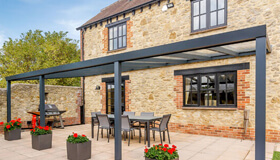
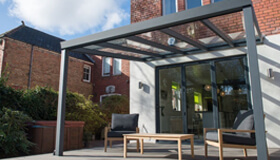
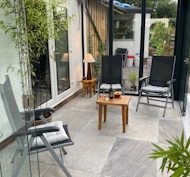
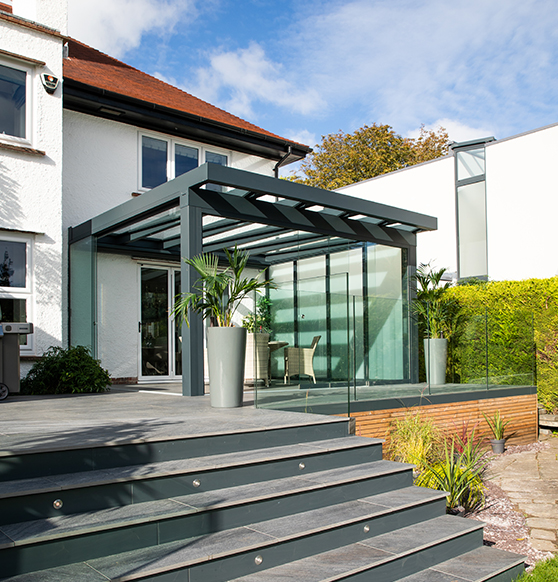
Glass rooms have surged in popularity across the UK for a reason. They offer a contemporary aesthetic that works beautifully with both new builds and older homes. Unlike conservatories of the past, today’s glass rooms are minimal, architectural, and designed to feel seamless.
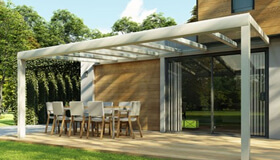
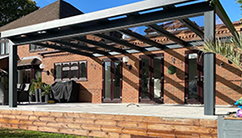
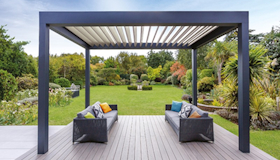
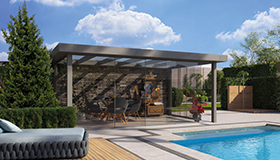
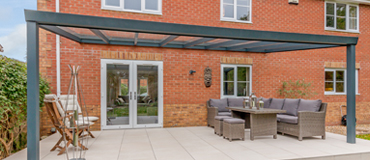
Premium glass rooms — especially modular systems — use aluminium frameworks paired with expansive glazing. The goal isn’t just shelter; it’s clarity. You’re essentially creating a refined outdoor room that still feels open to the elements.
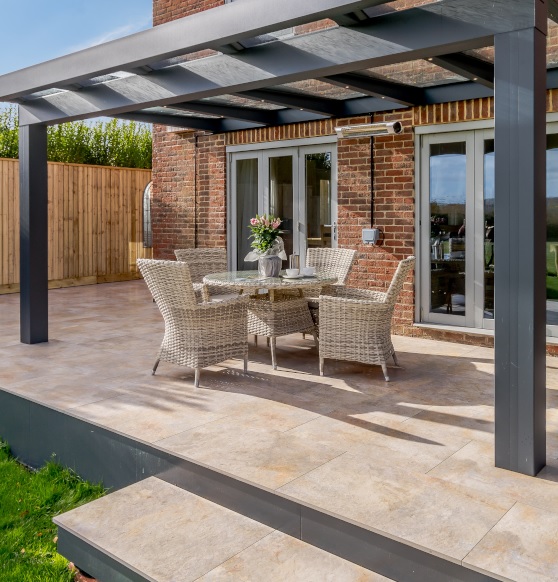
Many homeowners searching for glass rooms UK options are drawn to their versatility. They can function as:
- Covered outdoor lounges
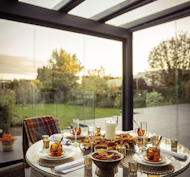
- Dining spaces that work year-round
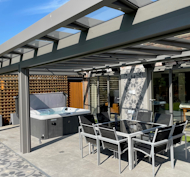
- Spa or hot tub enclosures
- Garden offices with a difference
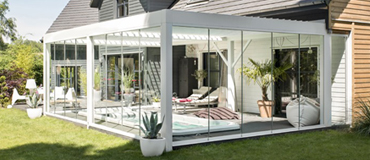
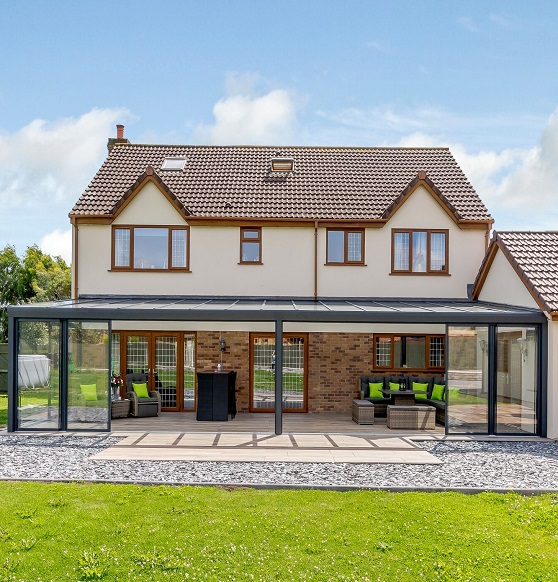
One of the biggest advantages is flexibility. Depending on the design, you can keep them open in summer and enclosed during cooler months.
What Defines a Sunroom?
Sunrooms, on the other hand, have been around for decades. Traditionally, they’re closer in style to conservatories, often fully enclosed and integrated more directly into the house structure.
In the UK, sunrooms are typically:
- Fully insulated
- Built as permanent extensions
- Heavier in construction
- More traditional in appearance
They’re ideal for homeowners who want a fully indoor environment that feels like a bright extra room rather than a hybrid indoor-outdoor space.
When people search for sunrooms today, they’re usually prioritising warmth and comfort over flexibility. A sunroom behaves more like a living room with extra glazing than an outdoor structure.
Key Design Differences: Minimalism vs Integration
This is where Panorama glass rooms and sunrooms really diverge.
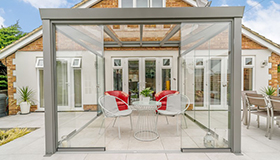
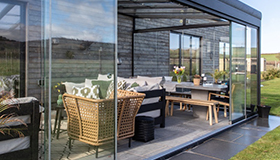
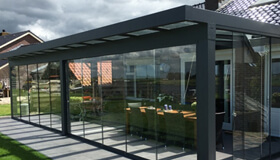
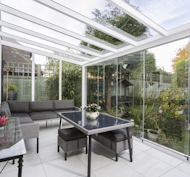
Glass rooms are designed around transparency and minimal framing. You get slimmer sightlines, uninterrupted garden views, and a distinctly modern feel. If your home leans contemporary — or you want to modernise it — glass rooms naturally complement that look.
Sunrooms, meanwhile, feel more integrated into the house itself. They’re often built with dwarf walls, tiled roofs, or more visible framing. While many modern sunrooms have improved aesthetically, they still tend to feel like extensions rather than outdoor living zones.
If design cohesion matters to you, consider how you want the space to feel. Do you want a stylish garden retreat, or a traditional extra room?
Cost Comparison: Glass Rooms vs Sunrooms
Let’s talk about what most homeowners really want to know — cost.
Glass Room Costs in the UK
The glass veranda cost varies depending on size, glazing options, and features like sliding panels or heating. Entry-level glass verandas can start lower, but high-end systems with frameless glazing and premium finishes naturally sit at the upper end.
Panorama-style glass rooms often cost more upfront because they’re engineered systems rather than custom-built structures. However, they typically come with:
- Precision engineering
- Faster installation
- Lower structural disruption
For many homeowners researching verandas UK prices, the appeal lies in predictability. You’re buying a refined system rather than navigating a complex build.
Sunroom Costs
Sunrooms are usually more variable in price. Because they’re closer to traditional extensions, costs can fluctuate based on:
- Foundations and groundwork
- Insulation requirements
- Planning permissions
- Roofing systems
In some cases, a fully insulated sunroom may exceed the cost of a premium glass room, especially when factoring in labour and build time.
So while it’s tempting to assume sunrooms are cheaper, the reality is more nuanced.
Installation Time and Disruption
This is an underrated factor, but it matters.
Glass rooms — especially modular designs — are typically installed far quicker. Many can be completed within days rather than weeks. That means less disruption, less noise, and fewer surprises.
Sunrooms, by contrast, often involve a more traditional construction process. Think groundwork, brickwork, roofing, plastering — the full build cycle. For some homeowners, that’s perfectly acceptable. For others, the idea of a lengthy build is a dealbreaker.
If speed and convenience are priorities, glass rooms have a clear edge.
Year-Round Usability
One of the biggest myths I hear is that glass rooms are only for summer. That might have been true a decade ago, but modern systems have evolved dramatically.
Today’s high-quality glass rooms can include:
- Sliding glass walls
- Infrared heating
- Weather-resistant roofing
- Integrated lighting
With the right setup, they become genuinely usable year-round.
Sunrooms still hold an advantage in insulation. Because they’re built like extensions, they’re naturally warmer in winter. If you want a space that behaves like a fully internal room in January, a sunroom may still come out ahead.
But if you’re looking for flexibility — open in summer, cosy in winter — glass rooms offer something unique.
Planning Permission Considerations
Planning rules in the UK can be confusing, but here’s a simple breakdown.
Many glass rooms fall under permitted development, particularly when they’re freestanding or minimally attached. This can streamline the process significantly.
Sunrooms, depending on size and design, are more likely to require permissions or building regulations approval. Because they’re often treated as extensions, compliance becomes more involved.
Of course, every property is different, but if simplicity matters, glass rooms often present fewer hurdles.
Maintenance and Longevity
Another practical factor homeowners often overlook is upkeep.
Modern aluminium and glass systems are remarkably low-maintenance. Powder-coated finishes resist weathering, and high-quality glazing stays clear with minimal effort.
Traditional sunrooms can require more upkeep over time, particularly if they incorporate mixed materials like timber or tiled roofs.
If you’re investing for the long term and want minimal maintenance, this is worth factoring into your decision.
Which Option Adds More Value?
Both options can enhance property value — but in slightly different ways.
Glass rooms tend to add lifestyle value. They create a wow factor that appeals strongly in modern property markets, especially where outdoor entertaining is desirable.
Sunrooms may add more measurable square footage value, particularly if they’re fully insulated and classified as usable internal space.
Ultimately, the right choice depends on what kind of value you’re prioritising: lifestyle or traditional resale metrics.
Who Should Choose a Panorama Glass Room?
From my experience, Panorama-style glass rooms are ideal for homeowners who:
- Love contemporary design
- Want a seamless indoor-outdoor feel
- Prefer faster installation
- Value flexibility across seasons
They’re particularly popular among design-conscious homeowners who see outdoor space as an extension of their lifestyle rather than just extra square footage.
Who Should Choose a Sunroom?
Sunrooms are still an excellent choice for many households, especially if you:
- Want a fully insulated extension
- Prefer a traditional aesthetic
- Need an all-weather living space
- Prioritise internal room functionality
If your goal is essentially “another living room with more light,” a sunroom remains a strong contender.
Final Thoughts: Making the Right Choice for Your Home
Choosing between a Panorama glass room and a sunroom isn’t about which is objectively better — it’s about alignment with your lifestyle.
If you’re drawn to sleek architecture, flexibility, and modern outdoor living, glass rooms offer a compelling, future-forward solution. They’re designed for how people live today: fluid, open, and connected to nature.
If your priority is insulation, permanence, and traditional comfort, sunrooms still hold their ground as a practical, proven option.
The key is to step back and ask one simple question: how do you actually want to use the space?
Because once you answer that honestly, the right choice usually becomes clear.