

Veranda Trends in the UK (2025): Design, Cost & How to Choose the Perfect Glass Veranda
Outdoor living has evolved from a seasonal hobby into a year-round lifestyle choice — and at the heart of that change sits the humble Veranda. Whether you’re looking to create an all-weather dining spot, a snug garden retreat, or a seamless indoor-outdoor room for entertaining, modern verandas are now a high-value home upgrade. In this deep-dive guide we cover the hottest UK veranda trends, explain glass veranda cost, discuss glass verandas with sides, and compare the increasingly popular glass room veranda options so you can plan with confidence.
Below you’ll find an evidence-led overview of why veranda are trending in the UK right now, practical cost guidance, design ideas, planning and maintenance essentials, and an actionable checklist so you can take the next step with Sunspaces’ Aspire Verandas.
Why Verandas Are Trending in the UK (Quick Overview)
Several converging trends have driven the surge in veranda projects across the UK:
- Post-pandemic lifestyle shifts: homeowners want flexible spaces for work, leisure and staycations.
- Desire for year-round outdoor living: glass verandas and glass rooms blur the line between indoors and outdoors.
- Sustainability and quality: people prefer durable, low-maintenance materials that add long-term value.
- Permitted development clarity: many veranda and garden room builds fall under permitted development rights—making installation easier for homeowners.
These trends mean a Veranda is not just stylish — it’s a strategic investment that increases living space and resale value.
Trending Veranda Styles in the UK (What People Are Choosing)
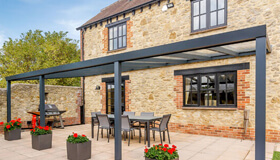
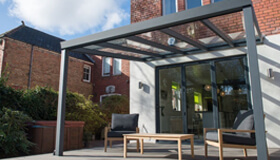
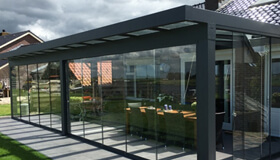
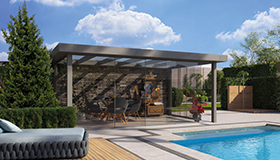
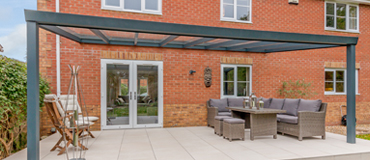
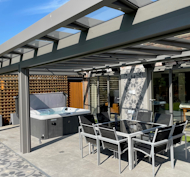
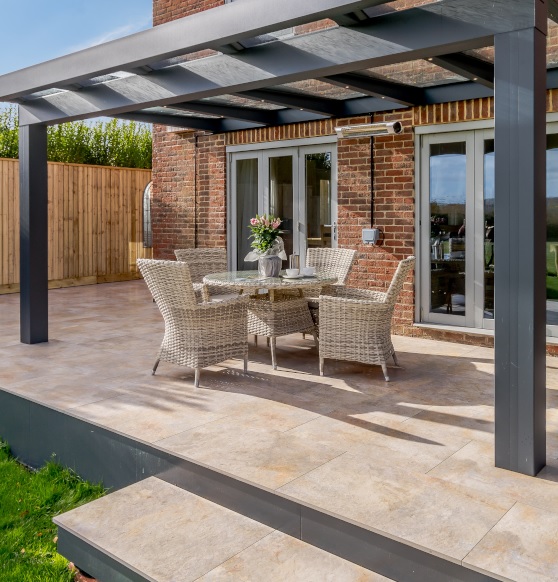
- Slimline Glass Veranda — Minimal aluminium frames with large glass panels for unobstructed views. Ideal for modern homes that emphasise light and openness.
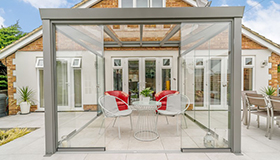
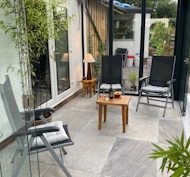
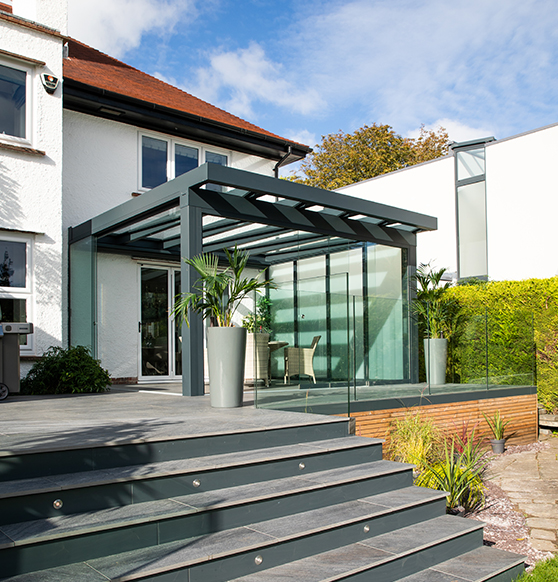
- Glass Verandas with Sides — For full-weather protection and privacy; these combine glazed roofs with optional glazed or insulated side panels. Perfect if you want a sheltered outdoor room.
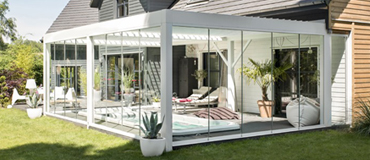
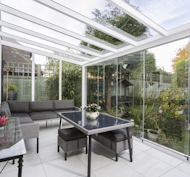
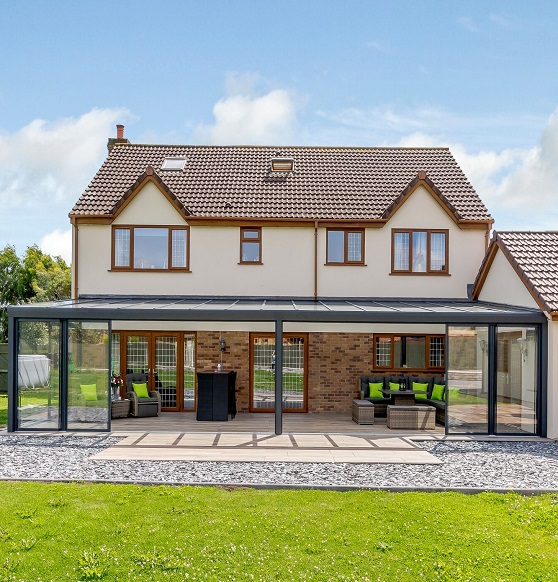
- Glass Room Veranda (Fully Enclosed) — Essentially a glass extension: insulated, often heated, and usable year-round. These are popular with homeowners who want a permanent living space rather than a seasonal canopy.
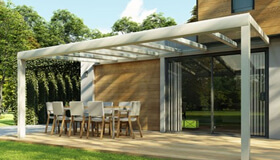
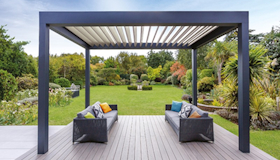
- Louvered Roof Veranda (Hybrid) — Adjustable slats for sun control and ventilation; often combined with glass side screens for maximum flexibility.
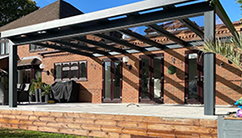
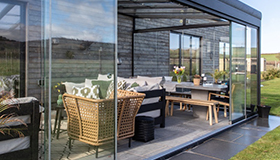
- Biophilic & Natural Finish Veranda — Timber look, rattan furniture, living walls and lots of plants to create a warm, natural outdoor room.
Each style answers a different need: pure aesthetic, climate protection, thermally-efficient living space, or flexible sun control.
How Much Does a Glass Veranda Cost? (Realistic Price Signals)
If “how much is a glass veranda cost?” is on your mind, here’s a practical breakdown:
- Basic glass canopy / small veranda (3m x 2m) — Entry-level glazed canopies begin around modest prices (supplier pricing varies), but always confirm whether supply-only or supply+install is quoted.
- Mid-range veranda with partial sides — Expect a higher cost for integrated glass sides, upgraded glazing (e.g., toughened or laminated), and better aluminium finishes.
- Glass room veranda (fully enclosed, insulated) — The most expensive option, because insulation, heating and structural work increase complexity and cost.
- Bespoke, high-end verandas — Premium framing, slim sightlines, and fully glazed corners or structural glass elements can push the price higher, which many homeowners view as a long-term investment.
Sunspaces’ tailored Aspire Verandas options make it easy to compare quotes, choose glazing upgrades, and understand which features add the most value for your budget.
Practical tip: always request a fully itemised quote that separates fabrication, glazing type, groundwork, foundations and installation. This makes comparing glass veranda cost across suppliers apples-to-apples.
Glass Verandas with Sides — Benefits & When to Choose Them
Adding sides to your veranda converts an open canopy into an all-weather living area. Consider glass verandas with sides if you want:
- Year-round protection from wind and rain
- Thermal bridging reduction and improved comfort
- Sound reduction from busy streets or neighbours
- Privacy for evenings and intimate gatherings
- Optional sliding or folding doors for flexible access
Glass sides can be full-height glazing, glazed screens, or double-glazed panels with thermal breaks. For many UK homeowners, this configuration offers the sweet spot between an open veranda and a fully enclosed extension.
Glass Room Veranda — Turning a Patio into a New Room
When a glass room veranda is the goal, you’re effectively creating a year-round space that can function as:
- A dining room or lounge
- A home office or studio
- A hobby room or garden retreat
- A snug for colder months
Key considerations for a glass room veranda include thermal performance (double or triple glazing), ventilation, heating options (underfloor or electric), and foundations. Given the increased complexity, you may need to check permitted development rules or consult the local planning authority—especially if the structure is large, includes utilities, or changes the building’s footprint.
Planning, Permitted Development & Practicalities in the UK
One of the reasons verandas remain accessible to many homeowners is that frequently they are acceptable under Permitted Development — provided certain size and siting limits are met. That said, rules vary depending on property type, conservation area status, and whether your home is listed. Always check the Planning Portal and local authority guidance before you start.
Checklist before you build:
- Confirm whether your veranda is within permitted development rules.
- Check neighbours’ views if your design could affect daylight.
- Factor in drainage, foundations and eaves details.
- Ask your supplier for structural drawings and any warranty details.
- Budget for site preparation and any electrical or heating installations.
Design & Build: Choosing Materials, Glazing & Finishes
For a veranda that lasts and performs:
- Frames: powder-coated aluminium is popular for low maintenance; timber-effect finishes give warmth without intensive upkeep.
- Glazing: choose safety glazing (tempered/laminated) for roof and side panels; consider low-E and gas fills for thermal efficiency.
- Gaskets & seals: ensure robust seals to prevent water ingress and reduce drafts.
- Roof pitch & drainage: even glass verandas require careful drainage planning to avoid pooling and leaks.
- Smart add-ons: integrated lighting, heating, and motorised blinds elevate comfort and year-round use.
How to Evaluate a Veranda Supplier (Questions to Ask)
When you compare suppliers for an Aspire Veranda, ask:
- Do you provide site visits and a written survey?
- Is the quote itemised (supply, groundwork, installation, glazing)?
- What warranties are provided on frames, glazing and installation?
- Can you show examples or case studies of similar installs?
- Do you handle planning or building control submissions if needed?
A reputable supplier will walk you through choices for glass veranda cost, glazing performance and build timelines.
Maintenance & Longevity — What Owners Need to Know
Modern verandas are designed for low maintenance, but a little care keeps them beautiful:
- Clean glass regularly with manufacturer-approved products.
- Check seals and gaskets annually for wear.
- Inspect gutters and drainage after storms.
- Re-tighten fixings and check for signs of timber decay if you have timber components.
With proper maintenance, a quality veranda will continue to add lifestyle value and appeal to future buyers.
Veranda Inspiration: Styling Ideas for 2025
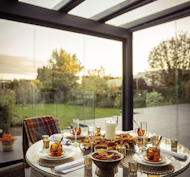
- All-season dining: combined heating, underfloor rugs and biophilic accents for a cosy, evergreen feel.
- Home workspace with a view: acoustic solutions, blinds and integrated lighting to create a productive garden office.
- Entertainment hub: seating zones, integrated speakers and bi-fold doors to connect to decking and garden.
- Wellness retreat: calming palettes, living walls, and natural finishes for a spa-like veranda.
Cost vs Value: Is a Veranda a Good Investment?
A carefully chosen veranda often scores highly in homeowner satisfaction and can increase market appeal—particularly where it creates usable square footage. While glass veranda cost varies, many homeowners recover a significant portion of their spend at resale because the space adds functional, attractive living area. Independent home improvement indexes show sustained investment in extensions, outdoor rooms and garden upgrades in 2024–2025.
Quick Buying Roadmap (3 Steps to Your Aspire Veranda)
- Define objective: Year-round room, sheltered patio, office or entertainment space?
- Get 2–3 site surveys: Compare itemised quotes, warranty terms and lead times.
- Check planning: Confirm permitted development or submit a planning application if required; schedule installation for a dry season if possible.
The Veranda has moved well beyond a decorative canopy — it’s a strategic extension that answers real UK homeowner needs: flexibility, year-round comfort, and a direct connection to the garden. Whether you’re comparing glass veranda cost, evaluating glass verandas with sides, or planning a full glass room veranda, the right design and supplier make all the difference. Ready to bring your Aspire Veranda to life? Visit the Aspire Verandas page to explore styles, download our price guide, and request a free on-site survey tailored to your home Or contact Sunspaces today for a free consultation and an itemised quote so you can compare glass veranda cost and design options with confidence. Transform your garden into a year-round living space — book your survey now.
Conclusion
In 2025, verandas have become a smart, stylish way to expand living space and enjoy the outdoors all year. Whether you choose a simple glass canopy, a veranda with sides, or a fully enclosed glass room, understanding cost, design options and planning rules helps you make the right choice. With a trusted supplier and a clear plan, your veranda can become a durable, comfortable and valuable extension of your home.