0% Interest FREE. SPRING SALE 25% Discount.
CLEARANCE OFFERS

Archive

Adding a glass veranda to your home is one of the most effective ways to extend your living space while enhancing natural light and outdoor connectivity. However, what many homeowners overlook are the planning rules and regulations that come with it. Ignoring these can lead to unexpected costs, delays, or even legal issues.

This guide will walk you through the essential glass veranda rules that could save you thousands—helping you plan smarter and avoid costly mistakes.

What Is a Glass Veranda?

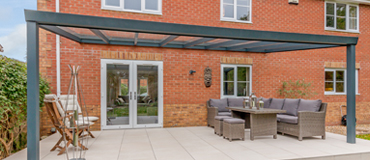
A glass veranda is a structure typically attached to the rear or side of a property, featuring a glass roof and often open or partially enclosed sides. It creates a sheltered outdoor area that can be used year-round for relaxing, dining, or entertaining.

Unlike full conservatories or extensions, glass verandas are often simpler structures—but that doesn’t mean they are free from regulations.

Do You Need Planning Permission for a Glass Veranda?

In many cases, you may not need planning permission thanks to permitted development rights. However, this depends on several conditions.

For more information, read our blog: https://www.sunspaces.co.uk/news/post/planning-permission-for-garden-rooms-and-verandas-your-2025-checklist

You typically DON’T need planning permission if:

  • The veranda is built at the rear of the property
  • It does not extend beyond a certain depth (usually 3–4 meters for most homes)
  • The height does not exceed 2.5–3 meters (depending on placement)
  • It is not raised significantly above ground level
  • Your property is not in a restricted area

You WILL need planning permission if:

  • Your home is in a conservation area or a listed property
  • The veranda significantly alters the appearance of your home
  • It extends beyond permitted size limits
  • It is built at the front of the house

Failing to check these rules can result in fines or being required to dismantle the structure, costing far more than the initial build.

Understanding Permitted Development Limits

Permitted development rights are designed to allow homeowners to make certain improvements without formal approval. However, these rights come with strict limits.

Key restrictions include:

  • Depth limits: Usually up to 3 meters for attached houses and 4 meters for detached homes
  • Height restrictions: The maximum height is often capped at 2.5 meters near boundaries
  • Coverage rules: The veranda should not cover more than 50% of your garden area
  • Boundary proximity: Structures near property lines must be lower in height

Staying within these limits is one of the easiest ways to avoid extra costs.

Building Regulations: Do They Apply?

Even if planning permission is not required, building regulations may still apply.

You may need approval if:

  • The veranda is fully enclosed
  • Electrical installations are included (lighting, heaters)
  • Structural safety is a concern (heavy glass roofing systems)

If your veranda is open and simple, building regulations may not apply—but always confirm before starting construction.

Ignoring building regulations can lead to safety issues and expensive retrofits later.

Common Mistakes That Cost Homeowners Money

Many homeowners underestimate the importance of proper planning. Here are some common mistakes—and how to avoid them:

1. Skipping Permission Checks

Assuming you don’t need permission can lead to legal notices and removal orders.

Solution: Always check local planning rules before building.

2. Oversizing the Structure

Going beyond permitted dimensions might seem minor, but it can trigger full planning requirements.

Solution: Measure carefully and stay within limits.

3. Ignoring Drainage and Runoff

Glass roofs can direct rainwater in problematic ways.

Solution: Plan proper drainage systems to prevent water damage.

4. Choosing the Wrong Materials

Cheap materials may save money initially, but lead to higher maintenance costs.

Solution: Invest in durable, weather-resistant materials.

5. Not Considering Neighbours

Disputes with neighbours can delay or halt projects.

Solution: Inform neighbours in advance and ensure your design respects boundaries.

How a Glass Veranda Can Save You Money

While there are upfront costs, a well-planned glass veranda can actually save you money in the long run.

Benefits include:

  • Energy efficiency: Natural light reduces electricity usage
  • Increased property value: Adds functional space without a full extension
  • Reduced renovation costs: Cheaper than building a full conservatory
  • Outdoor usability: Makes your garden usable in all seasons

By following regulations from the start, you avoid fines and redesign costs—keeping your budget under control.

Tips for Planning Your Glass Veranda

To ensure your project runs smoothly, follow these expert tips:

1. Start with a Clear Purpose

Decide how you’ll use the space—dining, relaxing, or entertaining.

2. Work with Professionals

Architects or installers familiar with local rules can help you stay compliant.

3. Check Local Authority Guidelines

Rules can vary by location, so always verify before proceeding.

4. Plan for Weather Conditions

Ensure your structure can handle wind, rain, and temperature changes.

5. Think Long-Term

Choose designs and materials that will last and add value over time.

When to Seek Professional Advice

If your project involves:

  • Large structures
  • Complex designs
  • Electrical or heating installations
  • Properties in restricted zones

…it’s best to consult a professional. This small upfront cost can prevent major financial losses later.

Final Thoughts

A glass veranda is a stylish and practical addition to any home—but only if it’s done correctly. Understanding planning permission, permitted development rules, and building regulations is crucial to avoiding unnecessary expenses.

By taking the time to plan carefully and follow the rules, you can create a beautiful space that enhances your home without breaking your budget.

Remember: the money you spend on proper planning today could save you thousands tomorrow.

When planning to enhance your outdoor living space, two of the most popular options are verandas and patios. Both offer unique benefits and can transform how you use your outdoor area—but they are not the same.

Understanding the difference between a veranda and a patio can help you make the right choice based on your lifestyle, budget, and home design.

What Is a Veranda?

A veranda is a covered structure that is typically attached to the exterior of your home. It usually features a roof and can include glass panels or open sides, allowing you to enjoy the outdoors while staying protected from weather conditions.

Modern verandas, especially glass verandas, are designed to provide year-round usability. They create a seamless connection between your indoor and outdoor spaces.

Key Features of a Veranda:


  • Attached directly to the house
  • Covered with a roof (glass or solid)
  • Offers protection from rain and sunlight
  • Can be used throughout the year
  • Enhances property value and aesthetics

Read our latest blog: https://www.sunspaces.co.uk/news/post/do-glass-verandas-fall-under-permitted-development-rules


What Is a Patio?

A patio is an outdoor space that is typically located at ground level and is not necessarily covered. It is often paved with materials like stone, concrete, or tiles and is commonly used for relaxation, dining, or entertaining guests.

Patios are simple, versatile, and cost-effective solutions for outdoor living.

Key Features of a Patio:


  • Located on the ground level
  • Usually uncovered (though it can include pergolas or awnings)
  • Made with paving materials like stone or concrete
  • Ideal for outdoor seating and gatherings
  • Lower cost compared to verandas


Veranda vs Patio: Key Differences

Understanding how these two options compare will help you decide which one suits your needs best.

1. Structure and Design

A veranda is a structured extension of your home with a roof, while a patio is an open outdoor area without a permanent cover.

2. Weather Protection

Verandas protect from rain, wind, and harsh sunlight, making them usable in all seasons. Patios, on the other hand, are more exposed to weather conditions unless additional coverings are added.

3. Cost

Patios are generally more affordable because they require fewer materials and simpler installation. Verandas tend to be more expensive due to roofing, framing, and optional glass panels.

4. Aesthetic Appeal

Verandas offer a more modern and elegant look, especially with glass designs. Patios provide a natural and minimal outdoor feel.

5. Functionality

If you want a space you can use all year round, a veranda is the better choice. If you’re looking for a simple outdoor area for occasional use, a patio may be sufficient.

Which Option Is Best for You?

Choosing between a veranda and a patio depends on your specific needs and preferences.

Choose a Veranda If:


  • You want a covered outdoor space
  • You prefer year-round usability
  • You want to increase your home’s value
  • You like modern, stylish designs


Choose a Patio If:


  • You’re working with a limited budget
  • You prefer an open outdoor environment
  • You need a simple and quick installation
  • You mainly use the space during good weather


Can You Combine a Veranda and Patio?

Yes, combining both can give you the best of both worlds.

For example, you can have a covered veranda attached to your home and extend it into an open patio area. This creates a flexible outdoor space where you can enjoy both sheltered and open-air environments.

Cost Comparison: Veranda vs Patio

Here’s a general idea of how costs compare:


  • Patio: £1,000 – £5,000 (depending on size and materials)
  • Veranda: £2,000 – £15,000+ (depending on design and features)


While verandas require a higher initial investment, they often provide better long-term value due to durability and usability.

Maintenance and Durability

Veranda Maintenance:


  • Occasional cleaning of glass panels
  • Checking structural components
  • Long-lasting with minimal upkeep


Patio Maintenance:


  • Regular cleaning
  • Weed control between paving
  • Possible repairs over time


Both options are relatively low maintenance, but verandas tend to be more durable in harsh weather conditions.

Final Thoughts

Both verandas and patios are excellent ways to upgrade your outdoor living space, but the right choice depends on how you plan to use it.

If you’re looking for a stylish, all-weather solution that adds value to your home, a veranda is a great investment. On the other hand, if you prefer a simple, budget-friendly outdoor area, a patio can meet your needs perfectly.

By understanding the differences, benefits, and costs, you can confidently choose the option that fits your lifestyle and enhances your home.

Call to Action

Ready to upgrade your outdoor space?
Explore modern veranda solutions or create a beautiful patio to enjoy outdoor living like never before.

Adding a glass veranda to your home is one of the most popular ways to extend outdoor living space while maintaining a sleek, modern look. But before you begin installation, one crucial question arises: do glass verandas fall under permitted development rules, or do you need planning permission?

The answer is not always straightforward. It depends on several factors, including the size, location, and design of your veranda. In this guide, we’ll break everything down in a simple, easy-to-understand way so you can make the right decision without legal confusion.

What Is a Glass Veranda?

A glass veranda is a structure typically attached to the rear or side of a property, featuring a glass roof and sometimes glass sides. It provides shelter while still allowing natural light to pass through, making it ideal for patios, gardens, and outdoor seating areas.

Unlike fully enclosed extensions, glass verandas are often considered “lightweight structures,” which is why many homeowners assume they fall under permitted development.

What Are Permitted Development Rules?

Permitted development rights allow homeowners to carry out certain types of building work without applying for full planning permission. These rules are designed to make minor home improvements quicker and easier.

However, permitted development is not a free pass. There are strict conditions that must be met. If your glass veranda falls outside these conditions, you will need to apply for planning permission.

For more information, read our blog: https://www.sunspaces.co.uk/news/post/planning-permission-for-garden-rooms-and-verandas-your-2025-checklist

Do Glass Verandas Qualify as Permitted Development?

In many cases, yes — glass verandas can fall under permitted development rules, but only if they meet specific criteria.

Here are the key conditions you must follow:

1. Height Restrictions

Your glass veranda must not exceed certain height limits:

  • Maximum height: usually 2.5–4 meters, depending on location
  • If within 2 meters of a boundary, the height is typically restricted to 2.5 meters

Exceeding these limits may require planning permission.

2. Size and Coverage

The veranda must not take up too much space around your property:

  • It should not cover more than 50% of the land around your house (including other extensions)

If your outdoor area is already heavily built-up, your veranda may not qualify.

3. Location Matters

Permitted development rules usually apply to:

  • Rear of the property
  • Sometimes the side (with restrictions)

You typically cannot build a glass veranda at the front of your home without planning permission, especially if it faces a public road.

4. Property Type

Your home type plays a big role:

  • Houses usually have permitted development rights
  • Flats, maisonettes, and converted properties do not

If you live in a flat, you will almost always need planning permission.

5. Special Areas and Restrictions

If your property is located in a protected area, permitted development may not apply. These include:

  • Conservation areas
  • National parks
  • Listed buildings

In such cases, you may need additional approvals even for small structures.

When Do You Need Planning Permission?

Even though many glass verandas fall under permitted development, there are situations where planning permission is required:

  • The structure is too large or too tall
  • It is built at the front of the property
  • Your home has restricted development rights
  • You live in a protected or designated area
  • The design significantly alters the appearance of your home

If any of these apply, it’s safer to consult your local authority before starting construction.

Building Regulations vs Planning Permission

A common mistake homeowners make is confusing planning permission with building regulations.

  • Planning permission focuses on how your structure affects the surrounding area
  • Building regulations ensure the structure is safe and properly constructed

Even if your glass veranda does not require planning permission, it may still need to comply with building regulations, especially if it includes electrical work or structural elements.

Benefits of Staying Within Permitted Development

Choosing to build your glass veranda within permitted development limits offers several advantages:

  • No lengthy approval process
  • Lower costs (no planning fees)
  • Faster project completion
  • Less paperwork and stress

However, cutting corners or ignoring rules can lead to fines or even the removal of the structure.

How to Ensure Compliance

To avoid legal issues, follow these best practices:

✔ Check Local Guidelines

Regulations can vary slightly depending on your local council.

✔ Measure Carefully

Ensure your veranda meets height and size limits before installation.

✔ Get Professional Advice

Consulting an architect or installer can save time and prevent mistakes.

✔ Apply for a Lawful Development Certificate

This is optional but highly recommended. It proves your veranda is legal and can be helpful if you sell your home later.

Common Myths About Glass Verandas

Myth 1: “All verandas are temporary, so no permission is needed”

Not true. Even semi-permanent structures can require approval.

Myth 2: “If my neighbour built one, I can too”

Each property is assessed individually.

Myth 3: “Small verandas don’t need rules”

Even small structures must meet specific conditions.

Final Thoughts

So, do glass verandas fall under permitted development rules?

Yes — but only if they meet specific criteria related to size, height, location, and property type. While many homeowners can install a glass veranda without planning permission, it’s essential to double-check your situation before starting.

Taking the time to understand the rules can save you from costly mistakes and ensure your new outdoor space is both beautiful and legally compliant.

FAQs

1- Do I always need planning permission for a glass veranda?
No, if it meets permitted development rules, you may not need permission.

2- What is the height limit for a glass veranda?
Usually 2.5–4 meters, depending on its position.

3- Can I build a veranda at the front of my house?
Typically, no planning permission is required.

4- Do glass verandas add value to a home?
Yes, they can enhance outdoor living spaces and increase appeal.

5. What happens if I build without permission?
You may face fines or be required to remove the structure.

Polycarbonate roofing has become a popular choice for homeowners and businesses due to its lightweight structure, durability, and modern appearance. Whether you are planning a patio cover, greenhouse, pergola, or carport, polycarbonate sheets are often an attractive and cost-effective option.

However, before making a decision, it’s important to understand both the benefits and potential drawbacks. This guide covers everything you should know before choosing polycarbonate roofing so you can make an informed investment.

What Is Polycarbonate Roofing?

Polycarbonate roofing is made from a strong thermoplastic material known for its high impact resistance and transparency. It is commonly available in solid, corrugated, or multiwall sheets and is widely used in residential and commercial roofing projects.

These sheets are designed to let in natural light while protecting against harsh weather conditions, making them ideal for outdoor spaces.

For more information, read our blog: https://www.sunspaces.co.uk/news/post/polycarbonate-vs-glass-roofs

Key Benefits of Polycarbonate Roofing

Before diving into the limitations, let’s understand why polycarbonate roofing is so widely used.

1. Lightweight and Easy to Install

Polycarbonate sheets are significantly lighter than glass or traditional roofing materials. This makes installation faster, easier, and more cost-efficient. You don’t need heavy structural support, which reduces overall construction costs.

2. High Impact Resistance

One of the biggest advantages is durability. Polycarbonate is virtually unbreakable and can withstand extreme weather conditions, including heavy rain, hail, and strong winds.

3. Excellent Light Transmission

Polycarbonate allows natural sunlight to pass through while blocking harmful UV rays (depending on the coating). This makes it perfect for greenhouses, patios, and sunrooms.

4. Flexible Design Options

These sheets are available in various colours, thicknesses, and finishes. Whether you want a clear, frosted, or tinted look, polycarbonate offers versatile design possibilities.

Disadvantages of Polycarbonate Roofing

While polycarbonate roofing has many advantages, it is not without its downsides. Understanding these can help you avoid future issues.

1. Heat Build-Up

Polycarbonate roofing can trap heat, especially in hot climates. This can make spaces underneath uncomfortable during the summer months.

2. Prone to Scratching

Although it is strong, the surface can be scratched easily. Over time, scratches may affect its clarity and appearance.

3. Expansion and Contraction

Polycarbonate expands and contracts with temperature changes. If not installed correctly, this can lead to warping, noise, or structural issues.

4. Noise During Rain

Rain hitting polycarbonate sheets can be noisy compared to traditional roofing materials like tiles or metal sheets.

5. Limited Lifespan Compared to Some Materials

While durable, polycarbonate may not last as long as high-end roofing materials like metal or concrete tiles. Over time, it may discolour or become brittle.

Types of Polycarbonate Roofing Sheets

Understanding the different types can help you choose the right one for your needs.

1. Solid Polycarbonate Sheets

These resemble glass and offer maximum clarity and strength. Ideal for modern and sleek designs.

2. Multiwall Polycarbonate Sheets

These have multiple layers, providing better insulation and energy efficiency. Commonly used in greenhouses.

3. Corrugated Polycarbonate Sheets

These are wavy in shape and are often used for outdoor structures like sheds and carports due to their strength and water drainage capability.

Factors to Consider Before Choosing Polycarbonate Roofing

Before you finalise your decision, consider the following factors carefully:

1. Climate Conditions

If you live in a hot region, heat build-up can be a concern. Opt for UV-coated or tinted sheets to reduce temperature impact.

2. Purpose of Installation

Are you installing it for a greenhouse, patio, or garage? The purpose will determine the type and thickness of the sheet you need.

3. Budget

Polycarbonate roofing is generally affordable, but costs can vary depending on thickness, coating, and quality.

4. Installation Quality

Proper installation is crucial. Incorrect fitting can lead to leaks, expansion issues, and reduced lifespan.

5. Maintenance Requirements

Polycarbonate requires regular cleaning to maintain clarity and appearance. Choose coatings that resist dirt and scratches.

Visit our website for more details about roofing: https://www.sunspaces.co.uk/

Is Polycarbonate Roofing Right for You?

Polycarbonate roofing is a great choice if you are looking for a lightweight, durable, and visually appealing solution. It works well for:

  • Patios and pergolas
  • Greenhouses
  • Carports
  • Sunrooms

However, if you prioritise long-term durability, noise reduction, or heat resistance, you may want to explore alternative roofing materials.

Tips for Better Performance

To get the best results from polycarbonate roofing, follow these tips:

  • Use UV-protected sheets
  • Ensure proper ventilation to reduce heat
  • Install with expansion gaps
  • Clean regularly with mild soap and water
  • Avoid abrasive materials that can scratch the surface

Final Thoughts

Polycarbonate roofing offers a balance of affordability, durability, and aesthetic appeal. It is an excellent option for many outdoor and semi-covered spaces. However, like any material, it comes with its own set of limitations.

Before choosing polycarbonate roofing, consider your climate, usage needs, and maintenance expectations. By understanding both the advantages and disadvantages, you can make a well-informed decision that suits your home or project.

In recent years, British homeowners have started to look at their gardens in a completely different way. Instead of seeing outdoor areas as spaces used only during summer weekends, people are investing in designs that make their gardens usable throughout the year. One feature has quietly risen to the top of this trend: the garden veranda.

Across the UK, verandas are becoming the centrepiece of modern outdoor living spaces. They offer protection from unpredictable weather, extend the usable area of the home, and create a comfortable place to relax or entertain guests. Whether paired with sleek aluminium frames or practical roofing materials, verandas deliver both functionality and visual appeal.

Companies such as Sunspaces have played a key role in bringing these structures into mainstream home design. With a growing range of options — from aluminium veranda installations to durable polycarbonate verandas and elegant garden sun rooms — homeowners now have the flexibility to design outdoor environments that feel like a natural extension of their homes.

Let’s explore why garden verandas have become the most sought-after outdoor upgrade in the UK.

The Rise of Outdoor Living Spaces in the UK

Over the past decade, the idea of outdoor living spaces has evolved dramatically. Previously, patios and decking were the main solutions for garden seating areas. While these are still popular, they don’t offer protection from the UK’s famously unpredictable weather.

This is where verandas come in.

A well-designed veranda creates a sheltered outdoor environment that works in rain, wind, or bright sunshine. It allows homeowners to enjoy their garden without worrying about sudden weather changes.

More importantly, verandas help blur the line between indoor and outdoor living. By placing comfortable seating, dining tables, lighting, or even outdoor kitchens beneath a veranda, homeowners can create a space that feels like an extra room — but with the openness of the outdoors.

This shift in lifestyle priorities has made outdoor living spaces one of the fastest-growing home improvement trends in Britain.

Why Garden Verandas Have Become So Popular

There are several reasons why garden verandas are now considered one of the most valuable upgrades for UK homes.

1. Protection from the British Weather

The UK climate is known for sudden rain showers and unpredictable temperature changes. A veranda solves this problem by providing shelter while still allowing homeowners to enjoy the outdoors.

Unlike a traditional patio cover, modern verandas are designed to allow plenty of natural light while blocking rain and harsh sunlight. This means the garden can be used throughout the year, not just during warm months.

2. A Natural Extension of the Home

One of the biggest advantages of installing a veranda is that it creates a seamless connection between the house and garden.

When designed well, a veranda can feel like a continuation of the living room or kitchen. Sliding doors open onto a covered area where families can relax, dine, or entertain.

For many homeowners, this transformation turns a simple garden into a genuine outdoor living space.

3. Increased Property Appeal

Home improvements that improve both lifestyle and property value are always attractive to homeowners. Garden verandas tick both boxes.

Estate agents frequently highlight outdoor living spaces as a major selling point, particularly in homes with well-designed garden structures. A modern aluminium veranda or garden sun room can significantly improve the visual appeal of a property.

Buyers increasingly value flexible living areas, and verandas offer exactly that.

The Advantages of an Aluminium Veranda

Among the different materials available for verandas, aluminium has become the clear favourite.

An aluminium veranda offers a combination of durability, low maintenance, and sleek design that fits perfectly with modern British homes.

Durability That Lasts for Decades

Unlike wood, aluminium does not rot, warp, or crack. It is highly resistant to corrosion and weather damage, making it ideal for the UK climate.

With proper installation, an aluminium veranda can last for decades with very little maintenance.

Minimal Maintenance

Another reason homeowners prefer aluminium is its ease of care. Unlike timber structures that require painting or staining, aluminium frames only need occasional cleaning to keep them looking fresh.

This makes aluminium verandas a practical choice for busy households.

Modern Aesthetic Appeal

Aluminium frames offer clean lines and slim profiles, creating a contemporary look that complements both modern and traditional properties.

Whether attached to a brick home, a modern extension, or a countryside cottage, aluminium verandas can blend seamlessly with existing architecture.

Why Polycarbonate Verandas Are a Practical Option

While aluminium frames provide the structure, the roofing material is equally important.

Many homeowners choose polycarbonate verandas because they provide the perfect balance between durability and light transmission.

Excellent Weather Protection

Polycarbonate roofing panels are designed to withstand heavy rain, wind, and even hail. They offer reliable protection while maintaining a lightweight structure.

Natural Light Without Harsh Heat

One of the biggest advantages of polycarbonate verandas is their ability to allow natural light into the covered space without creating excessive heat.

This makes the area comfortable even during warmer days while still maintaining a bright and welcoming atmosphere.

Cost-Effective Outdoor Solutions

For homeowners who want to upgrade their outdoor living spaces without undertaking a full extension, polycarbonate verandas provide an affordable alternative.

They deliver many of the benefits of more complex structures while remaining budget-friendly.

Garden Sun Rooms: The Next Level of Outdoor Comfort

For homeowners who want an even more enclosed space, garden sun rooms offer the perfect solution.

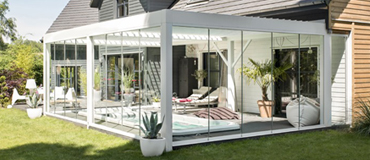
A garden sun room combines the open feel of a veranda with additional glazing and protection from the elements. This creates a comfortable environment that can be used during all seasons.

Year-Round Usability

While traditional verandas are open on the sides, garden sun rooms often include sliding glass panels or enclosed walls. This means the space can be used comfortably even during colder months.

Ideal for Relaxation and Entertaining

Garden sun rooms provide a calm, light-filled environment that’s perfect for reading, socialising, or enjoying a morning coffee.

Because they sit between indoor and outdoor spaces, they provide a peaceful connection to the garden while still offering protection from wind and rain.

A Stylish Garden Feature

Architecturally, garden sun rooms create a striking feature in any outdoor setting. Their clean lines and transparent panels allow homeowners to enjoy panoramic garden views while staying sheltered.

Designing the Perfect Outdoor Living Space

Creating a successful outdoor living space involves more than simply installing a veranda.

Homeowners should think carefully about how they want to use the space and how it connects to the rest of the home.

Some popular design ideas include:

  • Outdoor dining areas for family meals
  • Comfortable lounge seating for relaxation
  • Garden lighting for evening use
  • Patio heaters for cooler months
  • Outdoor kitchens or barbecue stations

By combining these elements with a well-designed aluminium veranda or polycarbonate veranda, homeowners can create a truly functional extension of their home.

Why Verandas Are a Smart Investment

The popularity of verandas in the UK isn’t just about aesthetics. They represent a smart long-term investment.

When homeowners upgrade their outdoor living spaces with high-quality structures like aluminium verandas or garden sun rooms, they gain:

  • More usable space
  • Better lifestyle flexibility
  • Improved property appeal
  • Year-round garden enjoyment

These benefits explain why verandas have become one of the most requested outdoor upgrades in recent years.

Choosing the Right Veranda Provider

When investing in a veranda, quality and expertise matter.

A reputable supplier ensures that the structure is designed for durability, installed correctly, and tailored to suit the homeowner’s property.

Sunspaces specialises in creating customised veranda systems that enhance outdoor living spaces while maintaining high standards of design and engineering.

From elegant aluminium veranda systems to durable polycarbonate verandas and fully enclosed garden sun rooms, their solutions are designed to suit a wide variety of homes and garden layouts.

Final Thoughts

Garden verandas have become one of the most desirable outdoor upgrades in the UK for a simple reason: they transform how people use their homes.

By creating comfortable outdoor living spaces that work in all kinds of weather, verandas allow homeowners to enjoy their gardens more often and more comfortably.

Whether choosing a sleek aluminium veranda, practical polycarbonate verandas, or stylish garden sun rooms, the result is the same — a beautiful outdoor environment that adds both lifestyle value and long-term appeal to the property.

As more homeowners recognise the benefits of these structures, it’s clear that garden verandas will remain one of the most popular home improvements for years to come.

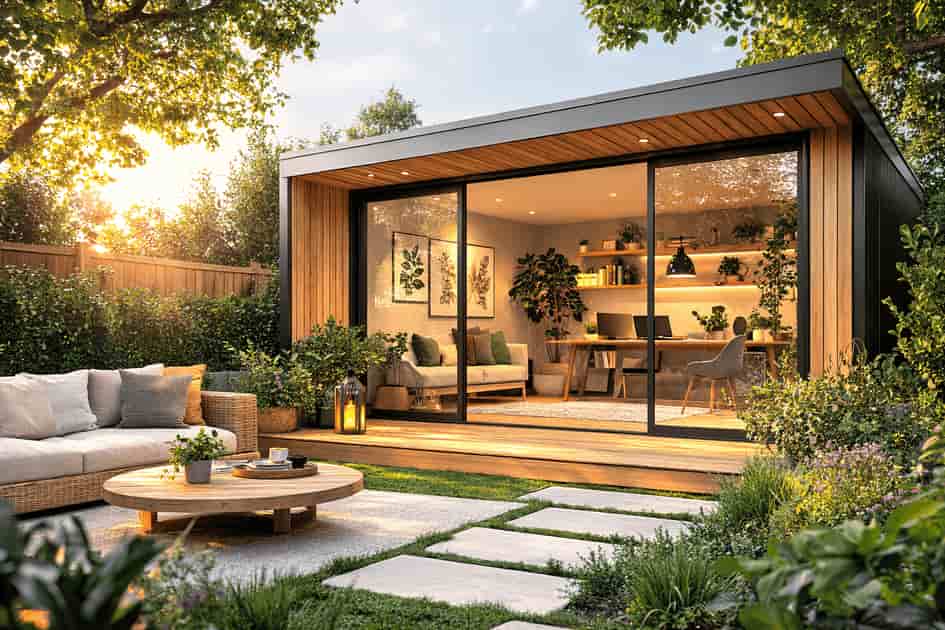
Over the past few years, homeowners across the UK have started to rethink how they use their outdoor space. Gardens are no longer just lawns, flowerbeds, and patios—they’re becoming an extension of the home itself. One of the most popular ways to achieve this transformation is through custom garden rooms, thoughtfully designed spaces that bring comfort, style, and practicality together.

Whether you’re working from home, looking for a peaceful retreat, or simply want a better way to enjoy your garden throughout the year, a garden sun room or glass extension can completely change how you experience your home. Add a veranda or a roof veranda, and you create a seamless transition between indoor living and the outdoors.

Designing a garden room, however, isn’t just about adding extra square footage. The most successful spaces are those that reflect the homeowner’s lifestyle. With the right planning and design choices, a garden room can become the most versatile and enjoyable part of your property.

In this guide, we’ll walk through how to design a custom garden room that truly fits the way you live.

Why Garden Rooms Are Becoming a Must-Have Feature

Garden rooms have evolved far beyond the traditional conservatory. Modern homeowners want flexible spaces that can adapt to different needs—home offices by day, entertainment areas by evening, and relaxing retreats on weekends.

A well-designed garden sun room provides several advantages:

  • More usable living space without major renovations
  • A stronger connection to your garden
  • Natural light throughout the day
  • Improved property value
  • Year-round comfort

Unlike older conservatory designs that can feel too hot in summer and too cold in winter, modern structures such as a glass extension or insulated garden room are designed for all-season living. Advanced glazing, improved insulation, and thoughtful architectural design mean you can enjoy the space regardless of the weather.

For many homeowners, the appeal lies in flexibility. One room can serve multiple purposes, adapting as your needs change over time.

Start With Your Lifestyle, Not the Structure

One of the most common mistakes homeowners make is choosing the structure first. Instead, start by thinking about how you actually want to use the space.

Ask yourself a few practical questions:

  • Will this be a home office?
  • A relaxation space?
  • A dining or entertaining area?
  • A hobby room or creative studio?
  • A place to enjoy the garden in every season?

Your answers will influence everything from layout and glazing to furniture and heating.

For example, a home office might require more privacy, built-in storage, and reliable temperature control. A leisure-focused garden sun room, on the other hand, might prioritise panoramic views, comfortable seating, and direct access to the garden.

Designing around your lifestyle ensures the room doesn’t just look good—it actually works for you.

Bringing the Outdoors In With a Garden Sun Room

A garden sun room is one of the most effective ways to blur the line between indoor and outdoor living. With large glass panels, slim frames, and plenty of natural light, these spaces feel open, bright, and connected to nature.

The key to designing a successful sun room lies in balance.

Too much glazing without proper shading can lead to overheating in summer, while insufficient insulation can make the room uncomfortable in winter. Modern solutions such as solar-control glass, integrated ventilation, and insulated frames help create a comfortable environment throughout the year.

When planning a sun room, consider:

  • Orientation of the sun – south-facing rooms receive the most light
  • Views of the garden – position glazing to highlight your best outdoor features
  • Ventilation – roof vents or sliding panels can improve airflow
  • Flooring – materials like porcelain tiles or engineered wood work well with temperature changes

The result is a space that feels bright and welcoming while remaining practical for everyday use.

Creating a Natural Transition With a Veranda

A veranda adds a transitional space between the house and garden. It offers shelter from rain and shade from the sun, allowing you to enjoy the outdoors without worrying about unpredictable British weather.

From a design perspective, verandas are incredibly versatile. They can function as:

  • An outdoor dining area
  • A sheltered lounge space
  • A place for morning coffee
  • A covered play area for children

Many homeowners choose to pair a veranda with a garden sun room, creating two complementary zones: one enclosed and one open-air. On warm days, the veranda becomes an extension of the indoor space, while on cooler evenings the sun room provides warmth and comfort.

The key to a successful veranda design is proportion. It should feel connected to the house rather than like an afterthought. Matching materials, clean structural lines, and well-planned lighting can help the structure blend seamlessly with the rest of the property.

Expanding Your Home With a Glass Extension

If you’re looking to create a dramatic transformation, a glass extension offers one of the most visually striking solutions.

Unlike traditional brick extensions, glass extensions prioritise transparency and light. They can open up kitchens, dining rooms, or living areas, creating uninterrupted views of the garden and allowing natural light to flood the interior.

Design-wise, there are several approaches:

Minimalist contemporary extensions
These feature slim aluminium frames and large glass panels, creating a sleek architectural appearance.

Hybrid designs
These combine solid walls with glass roofs or sliding glass doors for a balanced aesthetic.

Open-plan extensions
These integrate directly with existing living spaces, often forming the heart of the home.

A thoughtfully designed glass extension doesn’t just add space—it changes the atmosphere of your home. Rooms feel brighter, more open, and more connected to the outdoors.

The Rising Popularity of Roof Verandas

One design feature gaining popularity in modern homes is the roof veranda. Often built above an extension or garden room, it creates an elevated outdoor area that maximises space and views.

Roof verandas work particularly well in urban environments where garden space may be limited. Instead of expanding outward, homeowners build upward, creating a private terrace that feels separate from the rest of the garden.

Benefits of a roof veranda include:

  • Additional outdoor living space
  • Improved views of the surrounding landscape
  • Better use of vertical space
  • A stylish architectural feature

When designing a roof veranda, safety and structural integrity are essential. Proper drainage, durable flooring materials, and secure balustrades ensure the space remains both practical and visually appealing.

Choosing the Right Materials for Long-Term Comfort

The materials used in your garden room play a huge role in how comfortable and durable the space will be.

High-quality aluminium frames are popular because they are strong, lightweight, and resistant to corrosion. They also allow for slimmer profiles, meaning more glass and better views.

For glazing, modern energy-efficient glass helps regulate temperature by reflecting heat in summer and retaining warmth in winter.

Flooring should be chosen with durability in mind. Garden rooms often experience more sunlight and temperature variation than other areas of the house, so materials that can handle these conditions are essential.

Lighting is another factor many homeowners overlook. Integrated LED lighting, subtle wall fixtures, and even outdoor lighting under a veranda can dramatically enhance the atmosphere of the space after sunset.

Designing for Year-Round Use

One of the biggest advantages of a well-built garden sun room or glass extension is that it can be used throughout the year.

To achieve this, consider a few key features:

Insulation – High-performance glazing and insulated frames help maintain a comfortable temperature.

Heating options – Underfloor heating or discreet electric radiators work well in garden rooms.

Ventilation – Roof vents, sliding doors, or tilt windows prevent overheating in warmer months.

Shading solutions – Blinds, external shading systems, or pergola-style coverings can reduce glare and heat.

With the right combination of these elements, your garden room becomes a space you’ll use in every season—not just during summer.

Personalising the Space

The most memorable garden rooms are those that feel personal. Once the structure is complete, interior design plays a huge role in shaping the atmosphere.

Think about how the room should feel.

If the goal is relaxation, soft textiles, neutral colours, and natural materials can create a calm environment. If the space is meant for entertaining, consider flexible seating arrangements and integrated lighting.

Plants are another powerful design element. Because garden rooms often feature large glass panels, indoor greenery can help blur the boundary between inside and outside even further.

The goal is to create a space that feels like a natural extension of your home rather than a separate structure.

Why Professional Design Matters

While it might be tempting to treat a garden room as a simple add-on, professional design makes a significant difference.

Experienced designers understand how to balance aesthetics, structural integrity, and long-term performance. They consider factors such as sunlight direction, drainage, ventilation, and planning regulations—details that can easily be overlooked in DIY projects.

Working with specialists ensures your garden sun room, veranda, or glass extension is not only beautiful but also built to last.

Final Thoughts

Custom garden rooms are more than just an architectural trend—they’re a reflection of how modern homeowners want to live. Flexible, light-filled, and deeply connected to the outdoors, these spaces offer a unique way to expand your home without losing the charm of your garden.

Whether you’re planning a peaceful garden sun room, adding a stylish veranda, exploring the possibilities of a glass extension, or incorporating a contemporary roof veranda, the key is thoughtful design.

When the space is built around your lifestyle, it quickly becomes more than just another room. It becomes the place where you work, relax, entertain, and reconnect with the outdoors—all without leaving home.

And in today’s busy world, that kind of space is more valuable than ever.

For many homeowners, the idea of exercising outdoors is appealing but difficult to sustain. British weather, lack of dedicated space, and distractions inside the home often get in the way of a consistent routine. Yet the solution might already be sitting just outside your back door.

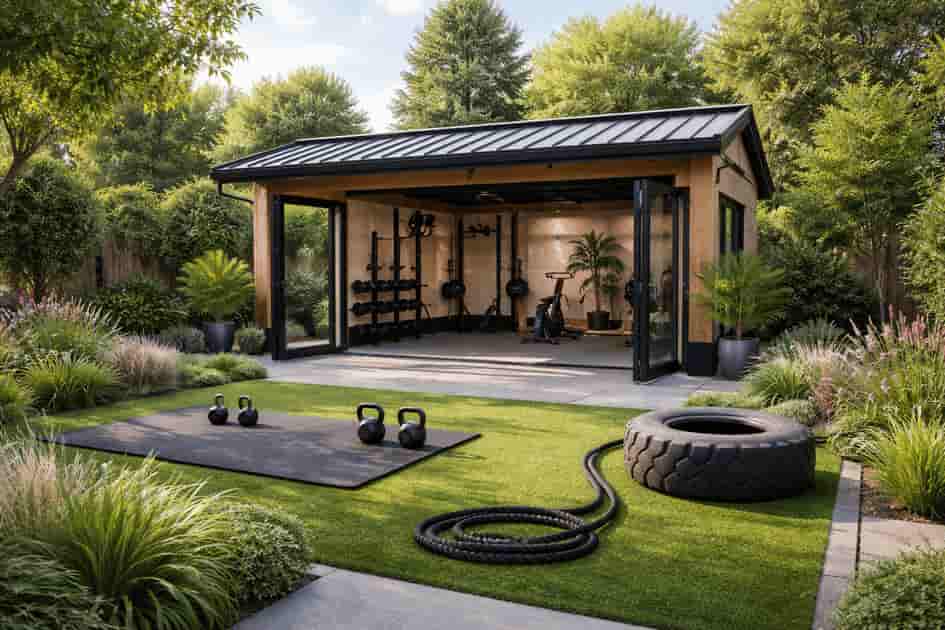
A thoughtfully designed outdoor gym building can turn an unused patio or corner of the garden into a motivating, functional workout zone. Add a glass patio canopy overhead and suddenly that space becomes usable in every season. You’re shielded from rain and wind, while still enjoying the openness and natural light that make exercising outdoors so refreshing.

Over the past few years, homeowners across the UK have begun rethinking their gardens. Instead of purely decorative lawns and flowerbeds, people want practical outdoor living spaces that support everyday life—places to relax, work, socialise, and increasingly, to stay active.

This guide explores how to design a garden workout area that blends comfort, practicality, and modern design. Whether you're planning a small training corner or a fully equipped outdoor gym building, a covered structure can make all the difference.

Why More Homeowners Are Creating Outdoor Gym Spaces

The demand for home fitness areas has grown steadily in recent years. Busy schedules, crowded gyms, and the convenience of exercising at home have all played a part. But indoor spare rooms and garages aren't always ideal for workouts.

Garden-based fitness zones solve many of these issues.

First, outdoor environments naturally boost motivation. Fresh air and natural surroundings make workouts feel less confined and more energising. Even a short morning stretch feels different when you're surrounded by greenery instead of four walls.

Second, separating fitness from the main house creates mental clarity. When your workout space sits outside, stepping into it signals a shift in mindset—much like arriving at a gym.

A covered outdoor gym building enhances this experience even further. Instead of worrying about weather conditions, you have a reliable space that supports year-round training.

The Role of a Glass Patio Canopy in Garden Gym Design

If you’ve ever tried exercising outdoors in the UK, you’ll know the weather can change quickly. That’s why overhead protection is one of the most important elements in a garden workout space.

A glass patio canopy provides the ideal balance between shelter and openness.

Unlike traditional solid roofs that darken an area, glass allows natural light to pour through. The result is a bright, airy training zone that feels connected to the garden rather than enclosed.

There are several practical benefits too:

  • Protection from rain without blocking the outdoor feel
  • Improved airflow compared to enclosed structures
  • Natural daylight for safer and more enjoyable workouts
  • A visually modern addition to the garden

Because of these advantages, many homeowners choose a glass patio canopy as the foundation for their outdoor gym building. It creates a flexible covered zone that can house equipment, yoga mats, or strength training areas without turning the space into a traditional room.

Turning Your Patio into a Functional Outdoor Gym Building

Designing a garden workout area isn’t just about placing equipment under a roof. To create a space you’ll actually use regularly, it needs to feel comfortable, organised, and motivating.

Here are a few design principles that make a difference.

1. Start with the Right Location

Positioning matters more than many people realise.

Ideally, the outdoor gym building should sit close enough to the house to access easily, but far enough away to feel like a separate space. Many homeowners choose areas adjacent to their patio or decking where a glass patio canopy can naturally extend from the house.

Good drainage and level ground are also important, especially if you plan to install heavier equipment.

2. Choose Durable Flooring

Garden gyms require flooring that handles both equipment weight and changing weather conditions.

Popular choices include:

  • Rubber gym tiles
  • Outdoor composite decking
  • Slip-resistant stone or porcelain paving

These surfaces provide stability while maintaining the clean aesthetic of modern outdoor living spaces.

3. Plan for Equipment Storage

Clutter quickly makes a workout area less inviting.

Simple storage solutions such as wall-mounted racks, weather-resistant cabinets, or compact storage benches help keep your outdoor gym building tidy and functional.

Resistance bands, kettlebells, and mats can all be stored neatly while remaining easy to access.

4. Think About Lighting

Natural light from a glass patio canopy is a huge advantage during the day, but evening workouts require additional lighting.

Integrated LED strips along canopy beams or subtle garden lighting around the space can create a welcoming atmosphere while ensuring safety.

Blending Fitness with Outdoor Living Spaces

One of the most appealing aspects of garden gyms is their flexibility. A well-designed fitness area can easily become part of a broader outdoor lifestyle space.

Instead of building a structure used only for exercise, many homeowners design multifunctional outdoor living spaces where fitness blends naturally with relaxation.

For example:

  • Morning yoga sessions followed by coffee on the patio
  • Family stretching or light workouts before dinner
  • Weekend training sessions that transition into outdoor social time

A glass patio canopy supports this flexibility beautifully. When workouts finish, the same covered area can be used for lounging, reading, or entertaining guests.

This dual purpose makes the investment far more valuable than a single-use structure.

Creating a Garden Glass Extension for Fitness and Relaxation

Some homeowners take their garden gym concept a step further by incorporating a glass extension.

A glass extension connected to the home can create a seamless transition between indoor and outdoor living. When designed with sliding doors or open walls, it allows the workout space to flow directly into the garden.

This type of layout works especially well when combining a glass extension with a glass patio canopy, forming a bright and versatile fitness environment.

Benefits include:

  • Consistent natural light throughout the space
  • Weather protection while maintaining an outdoor atmosphere
  • Increased property appeal and usability

With the right design, the boundary between indoor exercise space and the garden becomes almost invisible.

Designing a Motivating Atmosphere

Even the best equipment won’t help if the space feels uninspiring. Creating a motivating environment is key to building a sustainable fitness routine.

Small design choices make a big difference.

Use Natural Views

Position workout zones so you can face greenery, trees, or garden features while exercising. This connection to nature helps reduce stress and improves focus.

Add Greenery Around the Gym

Planters, climbing plants, or vertical gardens around the outdoor gym building soften the structure and make the space feel integrated with the garden.

Keep the Layout Open

One of the strengths of a glass patio canopy is the open feel it creates. Avoid overfilling the space with bulky equipment so movement remains comfortable.

Year-Round Training in the British Climate

The UK climate is unpredictable, which is why sheltered outdoor workout areas are becoming more popular.

A covered outdoor gym building offers several advantages across the seasons.

Spring and Summer
Open airflow and natural light make workouts energising and comfortable.

Autumn
Protection from rain keeps equipment dry while still allowing outdoor exercise.

Winter
With the addition of patio heaters or wind screens, a glass patio canopy can maintain a surprisingly comfortable environment for training.

This year-round usability is one of the biggest reasons homeowners invest in garden workout structures.

Equipment That Works Well in Outdoor Gym Spaces

Not every piece of gym equipment is suited to outdoor environments. Choosing weather-resistant and compact options keeps your outdoor gym building functional and durable.

Good choices include:

  • Adjustable dumbbells or kettlebells
  • Resistance bands
  • Foldable workout benches
  • Suspension trainers
  • Rowing machines designed for outdoor use
  • Stationary bikes with protective covers

Many of these tools support full-body workouts while taking up minimal space.

Long-Term Benefits of a Garden Workout Zone

Designing a garden gym isn’t just about convenience. Over time, it can have a real impact on lifestyle and wellbeing.

A dedicated outdoor gym building encourages regular activity because the barrier to starting a workout is so much lower. You don’t need to travel, wait for equipment, or plan around gym hours.

Beyond fitness, these spaces also contribute to the growing trend of multifunctional outdoor living spaces. A garden that supports exercise, relaxation, and social time becomes far more valuable than one used only occasionally.

When paired with a glass patio canopy or a modern glass extension, the result is a stylish, practical environment that enhances everyday life at home.

Final Thoughts

The modern garden is evolving. It’s no longer just a place to maintain lawns or plant flowers—it’s becoming an extension of how we live.

A well-designed outdoor gym building allows you to stay active while enjoying fresh air and natural surroundings. By incorporating a glass patio canopy, homeowners can create a bright, protected workout zone that works throughout the year.

Whether you're planning a simple training area or integrating a glass extension into a larger design, the key is creating flexible outdoor living spaces that support both movement and relaxation.

With the right layout and thoughtful details, your garden can become more than just outdoor space—it can become the most motivating fitness area you’ve ever used.

If you’re investing in a veranda, you’re not thinking about five years down the line — you’re thinking decades. You want something that will stand firm through British winters, surprise heatwaves, sideways rain, and everything in between.

One of the most common questions we hear from homeowners exploring aluminium verandas is simple: How long do they actually last?

The short answer? A very long time.

The more useful answer? It depends on design, materials, installation, and maintenance — and that’s exactly what we’re going to unpack here.

Why Aluminium Has Become the Go-To Material

Ten years ago, timber dominated the veranda conversation. Steel had its place too. But today, aluminium leads the way in modern outdoor verandas — and not by accident.

Aluminium offers a rare combination:

  • High structural strength
  • Natural corrosion resistance
  • Minimal maintenance requirements
  • Sleek, contemporary design appeal

Unlike timber, it won’t rot, warp, or split. Unlike steel, it won’t rust when coatings fail. And unlike cheaper composite materials, it won’t degrade quickly under UV exposure.

For homeowners across the UK — particularly in coastal or high-moisture areas — that matters more than ever.

So, How Long Do Aluminium Verandas Really Last?

A professionally manufactured and installed aluminium veranda can last 30 to 50 years or more.

In many cases, the structure itself will outlast the property’s current ownership.

Here’s why.

1. Aluminium Doesn’t Rust

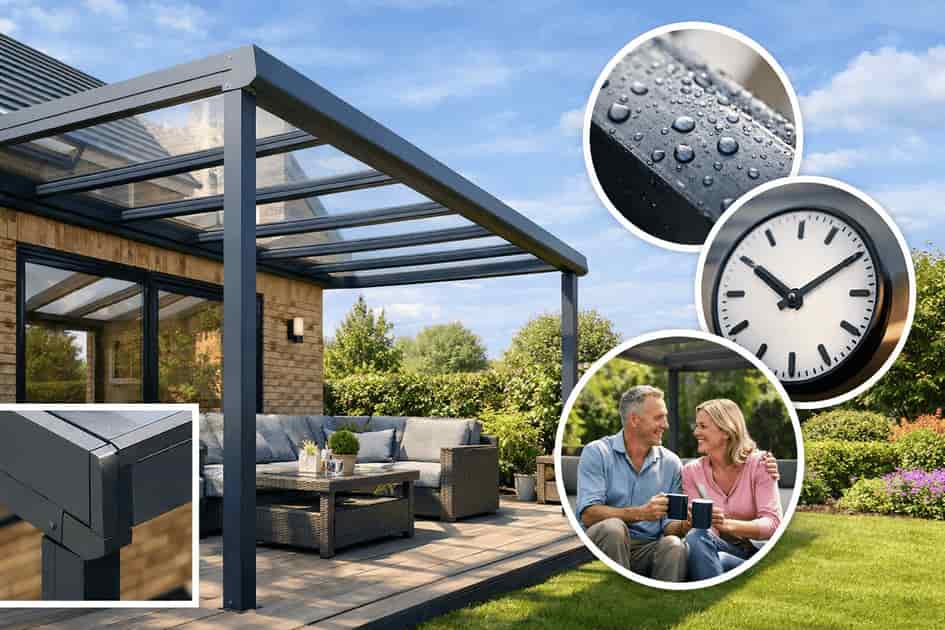
One of aluminium’s biggest strengths is its natural oxide layer. When exposed to air, aluminium forms a thin protective coating that prevents further corrosion. That means rain, frost, and humidity won’t gradually eat away at the structure.

For UK weather conditions — where moisture is a constant — this is a major advantage over steel.

2. Powder-Coated Finishes Add Extra Protection

High-quality aluminium verandas use architectural-grade powder coating. This isn’t just about colour; it’s about protection.

Powder coating:

  • Shields against UV degradation
  • Prevents surface corrosion
  • Maintains colour integrity for decades
  • Reduces maintenance needs

When properly applied, these finishes can easily last 20+ years without fading or peeling.

3. Structural Integrity Holds Firm

Aluminium has an excellent strength-to-weight ratio. It can support substantial roofing systems — including a glass patio canopy — without sagging or warping over time.

That stability is crucial when you’re dealing with snow loads, wind uplift, and heavy rainfall.

What Could Reduce Lifespan?

While aluminium is exceptionally durable, longevity still depends on a few practical factors.

Installation Quality

Even the best materials fail if poorly installed. Incorrect load calculations, inadequate fixings, or poor drainage planning can create stress points that reduce lifespan.

That’s why working with experienced specialists — like the team at SunSpaces — makes a measurable difference.

Professional installation ensures:

  • Proper structural anchoring
  • Correct roof pitch for water runoff
  • Secure integration with the existing property
  • Compliance with UK building standards

Environmental Exposure

While aluminium resists corrosion, extreme coastal environments with high salt exposure may require enhanced protective coatings.

Fortunately, premium systems are designed with this in mind.

Roof Material Choice

The durability of the frame is only part of the equation. Roofing materials matter too.

A laminated glass patio canopy can last decades with minimal degradation, while polycarbonate panels may need replacement earlier depending on UV exposure and quality grade.

Comparing Aluminium to Other Materials

Let’s put things into perspective.

Aluminium vs Timber

Timber verandas can look beautiful — initially. But over time, even treated wood is vulnerable to:

  • Rot
  • Warping
  • Insect damage
  • Moisture absorption
  • Regular repainting or staining

In UK conditions, timber structures often require significant maintenance within 5–10 years.

Aluminium? A simple wash-down once or twice a year usually does the job.

Aluminium vs Steel

Steel is strong, but it’s prone to rust if protective coatings are compromised. Once corrosion begins, it spreads.

Aluminium doesn’t rust in the same way. Its protective oxide layer self-regenerates.

That’s a big reason modern outdoor verandas increasingly rely on aluminium frameworks.

What About Glass Patio Canopies?

Many aluminium structures are paired with a glass patio canopy, which adds another layer of durability.

High-quality toughened or laminated glass offers:

  • Long-term UV resistance
  • Minimal discolouration
  • Excellent impact strength
  • Easy cleaning

Unlike plastic alternatives, glass won’t turn cloudy or brittle over time.

When integrated into aluminium verandas, the combined system becomes exceptionally resilient — both structurally and aesthetically.

Longevity in Real Terms: What 30–50 Years Means

Thirty years isn’t just a number. It represents:

  • Decades of family gatherings
  • Protected outdoor dining
  • Shelter for garden furniture
  • Increased property usability
  • Enhanced home value

A well-designed veranda becomes a permanent architectural feature — not a temporary garden accessory.

Many homeowners who later add features like sliding glass walls or lighting upgrades find their structure easily accommodates enhancements without compromising stability.

Extending the Lifespan Even Further

If you want to maximize durability, follow a few straightforward guidelines.

1. Keep Gutters Clear

Blocked drainage can cause water pooling, which places unnecessary strain on joints and fixings.

2. Clean Twice a Year

A mild soap solution and soft brush will remove debris and prevent buildup.

3. Inspect Fixings Annually

Quick visual checks help spot minor issues before they escalate.

4. Choose Quality at the Start

The difference between a budget import and a precision-engineered aluminium veranda often becomes visible after year five — not year one.

Investing wisely upfront typically avoids costly replacements later.

Aluminium Verandas and Garden Sun Rooms

For homeowners wanting even greater weather protection, many verandas evolve into enclosed spaces.

A garden sun room built onto an aluminium framework can deliver:

  • Year-round usability
  • Shelter from wind and rain
  • Improved energy efficiency
  • Enhanced property appeal

Because aluminium structures are so durable, they provide an ideal base for glass enclosures and sliding door systems.

The longevity of the frame ensures the extended system remains structurally sound for decades.

Do Aluminium Verandas Add Property Value?

In short: yes.

Buyers increasingly value functional outdoor living space. A professionally installed aluminium veranda or garden sun room signals:

  • Low maintenance
  • Modern design
  • Long-term durability
  • Expanded usable square footage

While precise valuation increases vary, estate agents consistently report that quality outdoor installations improve saleability.

Durability plays a major role here. Prospective buyers want reassurance that what they see today will still look good in ten years.

Are Aluminium Verandas Sustainable?

Durability and sustainability go hand in hand.

Aluminium is:

  • 100% recyclable
  • Long-lasting (reducing material turnover)
  • Low maintenance (minimising chemical treatments)

Because aluminium verandas don’t require regular repainting or wood preservatives, their environmental impact over time is relatively low compared to timber alternatives.

Longevity itself is a sustainability feature.

Common Misconceptions About Aluminium

Let’s clear up a few myths.

“Aluminium looks cold and industrial.”

Modern powder-coated finishes offer warm tones, textured finishes, and sleek minimalist profiles that complement both traditional and contemporary homes.

“It’s lightweight, so it must be weak.”

Aluminium’s strength-to-weight ratio is one of its greatest advantages. Lightweight doesn’t mean fragile — it means efficient.

“It requires constant upkeep.”

In reality, aluminium verandas are among the lowest-maintenance outdoor structures available today.

Why Professional Design Matters

Longevity isn’t just about materials — it’s about engineering.

Load calculations, drainage design, expansion tolerances, and fixing methods all influence how long a structure lasts.

Experienced installers consider:

  • Wind exposure
  • Roof span
  • Property attachment method
  • Ground stability
  • Water management

That’s where established UK specialists make a difference. Companies like SunSpaces focus specifically on durable aluminium systems designed for British conditions — not generic imports unsuited to local weather patterns.

The Bottom Line

So, how long do aluminium verandas last?

With proper installation and minimal maintenance, 30 to 50 years — often longer.

They outperform timber in longevity.
They resist corrosion better than steel.
They require very little upkeep.
They integrate seamlessly with features like a glass patio canopy or full garden sun room enclosure.

Most importantly, they offer lasting value.

If you’re considering upgrading your outdoor space with modern outdoor verandas, aluminium isn’t just a fashionable choice — it’s a long-term investment.

And when designed and installed correctly, it becomes part of your home’s architecture for decades to come.

Considering an Aluminium Veranda?

Whether you’re exploring a sleek open canopy or planning a fully enclosed garden sun room, working with experienced specialists ensures you get maximum durability from day one.

Because when it comes to outdoor structures, lifespan isn’t just a detail — it’s the difference between a short-term feature and a lasting extension of your home.