
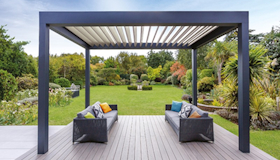
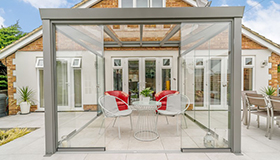
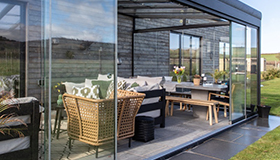
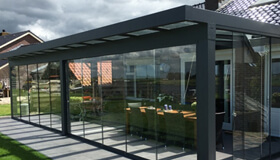




Adding a glass veranda to your home is one of the most popular ways to extend outdoor living space while maintaining a sleek, modern look. But before you begin installation, one crucial question arises: do glass verandas fall under permitted development rules, or do you need planning permission?
The answer is not always straightforward. It depends on several factors, including the size, location, and design of your veranda. In this guide, we’ll break everything down in a simple, easy-to-understand way so you can make the right decision without legal confusion.

What Is a Glass Veranda?
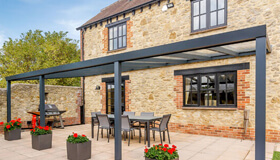
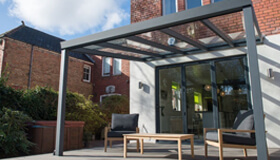
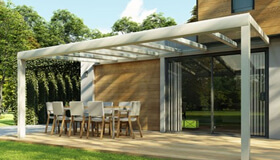
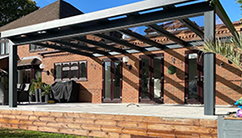
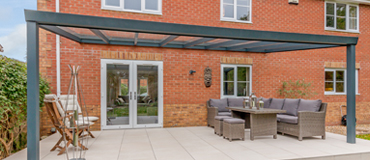
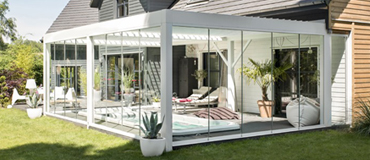
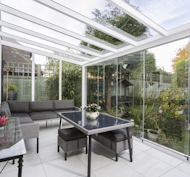
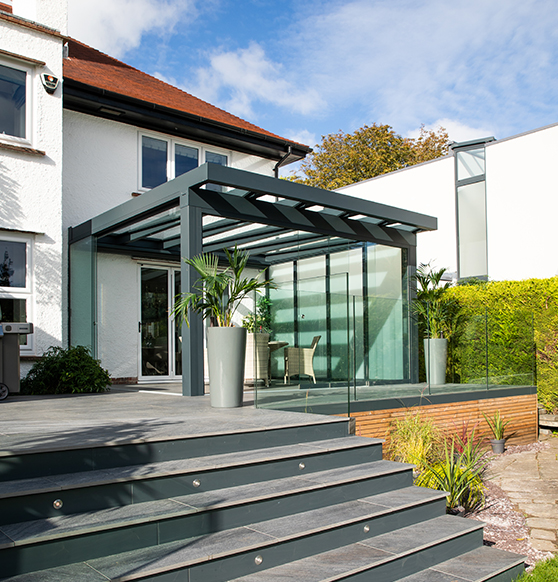
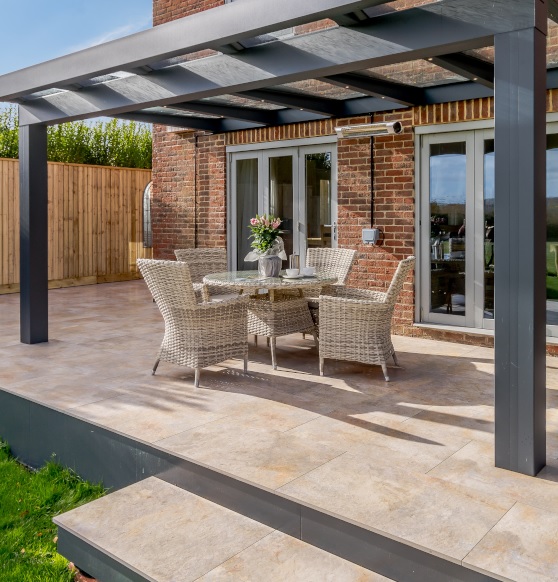
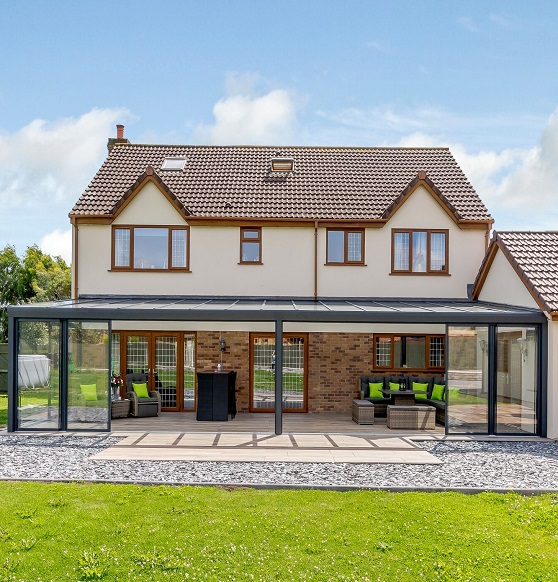
A glass veranda is a structure typically attached to the rear or side of a property, featuring a glass roof and sometimes glass sides. It provides shelter while still allowing natural light to pass through, making it ideal for patios, gardens, and outdoor seating areas.
Unlike fully enclosed extensions, glass verandas are often considered “lightweight structures,” which is why many homeowners assume they fall under permitted development.
What Are Permitted Development Rules?
Permitted development rights allow homeowners to carry out certain types of building work without applying for full planning permission. These rules are designed to make minor home improvements quicker and easier.
However, permitted development is not a free pass. There are strict conditions that must be met. If your glass veranda falls outside these conditions, you will need to apply for planning permission.
For more information, read our blog: https://www.sunspaces.co.uk/news/post/planning-permission-for-garden-rooms-and-verandas-your-2025-checklist
Do Glass Verandas Qualify as Permitted Development?
In many cases, yes — glass verandas can fall under permitted development rules, but only if they meet specific criteria.
Here are the key conditions you must follow:
1. Height Restrictions
Your glass veranda must not exceed certain height limits:
- Maximum height: usually 2.5–4 meters, depending on location
- If within 2 meters of a boundary, the height is typically restricted to 2.5 meters
Exceeding these limits may require planning permission.
2. Size and Coverage
The veranda must not take up too much space around your property:
- It should not cover more than 50% of the land around your house (including other extensions)
If your outdoor area is already heavily built-up, your veranda may not qualify.
3. Location Matters
Permitted development rules usually apply to:
- Rear of the property
- Sometimes the side (with restrictions)
You typically cannot build a glass veranda at the front of your home without planning permission, especially if it faces a public road.
4. Property Type
Your home type plays a big role:
- Houses usually have permitted development rights
- Flats, maisonettes, and converted properties do not
If you live in a flat, you will almost always need planning permission.
5. Special Areas and Restrictions
If your property is located in a protected area, permitted development may not apply. These include:
- Conservation areas
- National parks
- Listed buildings
In such cases, you may need additional approvals even for small structures.
When Do You Need Planning Permission?
Even though many glass verandas fall under permitted development, there are situations where planning permission is required:
- The structure is too large or too tall
- It is built at the front of the property
- Your home has restricted development rights
- You live in a protected or designated area
- The design significantly alters the appearance of your home
If any of these apply, it’s safer to consult your local authority before starting construction.
Building Regulations vs Planning Permission
A common mistake homeowners make is confusing planning permission with building regulations.
- Planning permission focuses on how your structure affects the surrounding area
- Building regulations ensure the structure is safe and properly constructed
Even if your glass veranda does not require planning permission, it may still need to comply with building regulations, especially if it includes electrical work or structural elements.
Benefits of Staying Within Permitted Development
Choosing to build your glass veranda within permitted development limits offers several advantages:
- No lengthy approval process
- Lower costs (no planning fees)
- Faster project completion
- Less paperwork and stress
However, cutting corners or ignoring rules can lead to fines or even the removal of the structure.
How to Ensure Compliance
To avoid legal issues, follow these best practices:
✔ Check Local Guidelines
Regulations can vary slightly depending on your local council.
✔ Measure Carefully
Ensure your veranda meets height and size limits before installation.
✔ Get Professional Advice
Consulting an architect or installer can save time and prevent mistakes.
✔ Apply for a Lawful Development Certificate
This is optional but highly recommended. It proves your veranda is legal and can be helpful if you sell your home later.
Common Myths About Glass Verandas
Myth 1: “All verandas are temporary, so no permission is needed”
Not true. Even semi-permanent structures can require approval.
Myth 2: “If my neighbour built one, I can too”
Each property is assessed individually.
Myth 3: “Small verandas don’t need rules”
Even small structures must meet specific conditions.
Final Thoughts
So, do glass verandas fall under permitted development rules?
Yes — but only if they meet specific criteria related to size, height, location, and property type. While many homeowners can install a glass veranda without planning permission, it’s essential to double-check your situation before starting.
Taking the time to understand the rules can save you from costly mistakes and ensure your new outdoor space is both beautiful and legally compliant.
FAQs
1- Do I always need planning permission for a glass veranda?
No, if it meets permitted development rules, you may not need permission.
2- What is the height limit for a glass veranda?
Usually 2.5–4 meters, depending on its position.
3- Can I build a veranda at the front of my house?
Typically, no planning permission is required.
4- Do glass verandas add value to a home?
Yes, they can enhance outdoor living spaces and increase appeal.
5. What happens if I build without permission?
You may face fines or be required to remove the structure.