
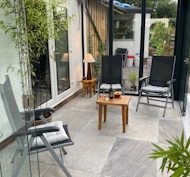
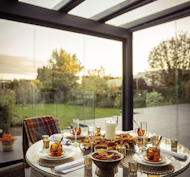

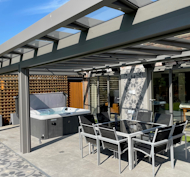
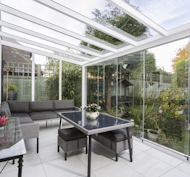
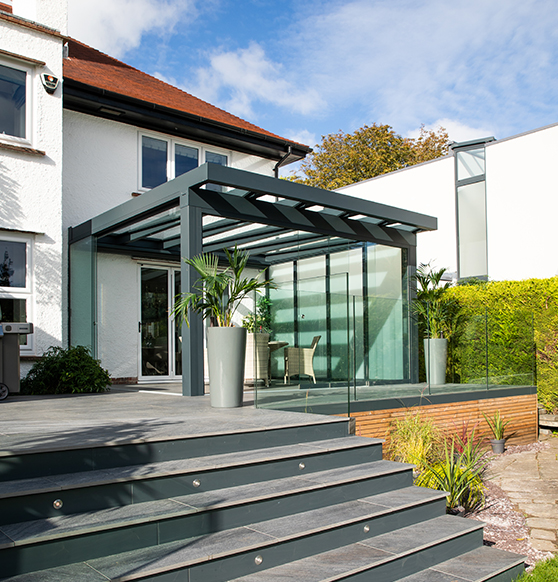
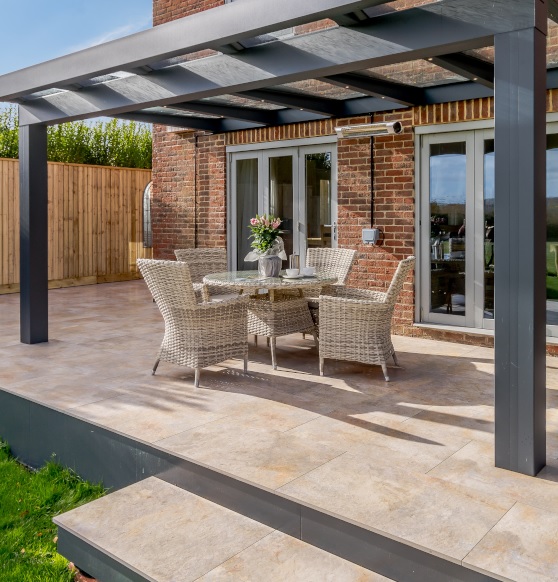
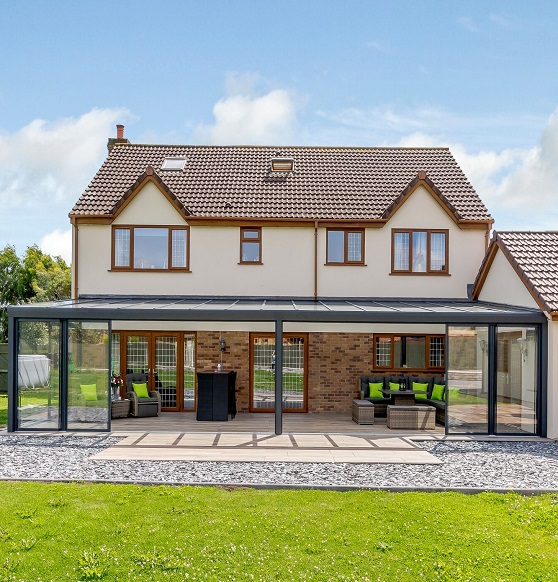
Over the past few years, homeowners across the UK have started to rethink how they use their outdoor space. Gardens are no longer just lawns, flowerbeds, and patios—they’re becoming an extension of the home itself. One of the most popular ways to achieve this transformation is through custom garden rooms, thoughtfully designed spaces that bring comfort, style, and practicality together.
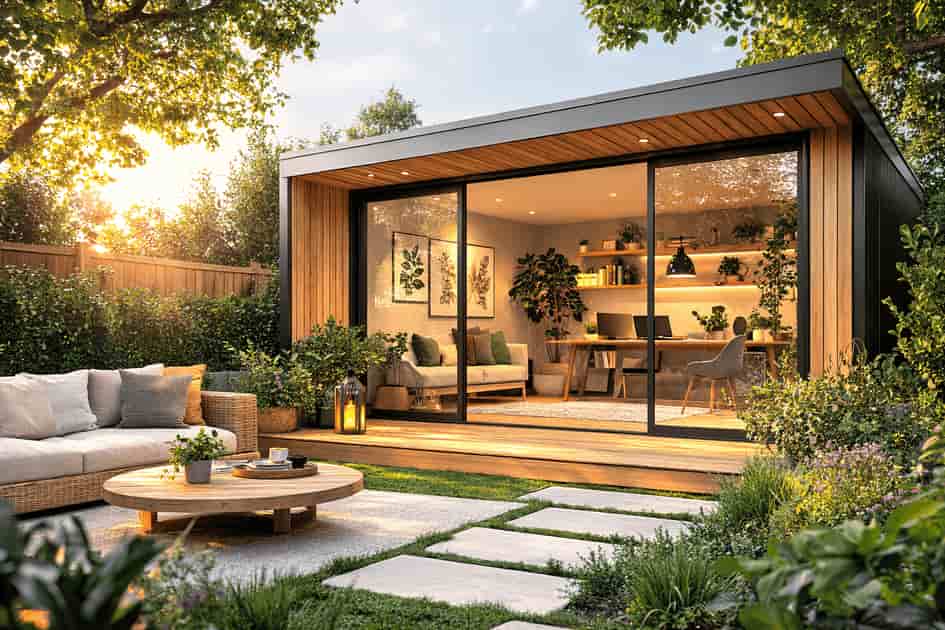
Whether you’re working from home, looking for a peaceful retreat, or simply want a better way to enjoy your garden throughout the year, a garden sun room or glass extension can completely change how you experience your home. Add a veranda or a roof veranda, and you create a seamless transition between indoor living and the outdoors.
Designing a garden room, however, isn’t just about adding extra square footage. The most successful spaces are those that reflect the homeowner’s lifestyle. With the right planning and design choices, a garden room can become the most versatile and enjoyable part of your property.
In this guide, we’ll walk through how to design a custom garden room that truly fits the way you live.
Why Garden Rooms Are Becoming a Must-Have Feature
Garden rooms have evolved far beyond the traditional conservatory. Modern homeowners want flexible spaces that can adapt to different needs—home offices by day, entertainment areas by evening, and relaxing retreats on weekends.
A well-designed garden sun room provides several advantages:
- More usable living space without major renovations
- A stronger connection to your garden
- Natural light throughout the day
- Improved property value
- Year-round comfort
Unlike older conservatory designs that can feel too hot in summer and too cold in winter, modern structures such as a glass extension or insulated garden room are designed for all-season living. Advanced glazing, improved insulation, and thoughtful architectural design mean you can enjoy the space regardless of the weather.
For many homeowners, the appeal lies in flexibility. One room can serve multiple purposes, adapting as your needs change over time.
Start With Your Lifestyle, Not the Structure
One of the most common mistakes homeowners make is choosing the structure first. Instead, start by thinking about how you actually want to use the space.
Ask yourself a few practical questions:
- Will this be a home office?
- A relaxation space?
- A dining or entertaining area?
- A hobby room or creative studio?
- A place to enjoy the garden in every season?
Your answers will influence everything from layout and glazing to furniture and heating.
For example, a home office might require more privacy, built-in storage, and reliable temperature control. A leisure-focused garden sun room, on the other hand, might prioritise panoramic views, comfortable seating, and direct access to the garden.
Designing around your lifestyle ensures the room doesn’t just look good—it actually works for you.
Bringing the Outdoors In With a Garden Sun Room
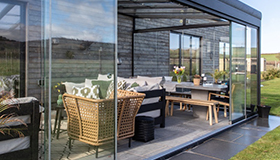
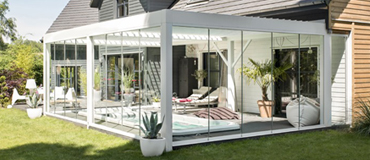
A garden sun room is one of the most effective ways to blur the line between indoor and outdoor living. With large glass panels, slim frames, and plenty of natural light, these spaces feel open, bright, and connected to nature.
The key to designing a successful sun room lies in balance.
Too much glazing without proper shading can lead to overheating in summer, while insufficient insulation can make the room uncomfortable in winter. Modern solutions such as solar-control glass, integrated ventilation, and insulated frames help create a comfortable environment throughout the year.
When planning a sun room, consider:
- Orientation of the sun – south-facing rooms receive the most light
- Views of the garden – position glazing to highlight your best outdoor features
- Ventilation – roof vents or sliding panels can improve airflow
- Flooring – materials like porcelain tiles or engineered wood work well with temperature changes
The result is a space that feels bright and welcoming while remaining practical for everyday use.
Creating a Natural Transition With a Veranda
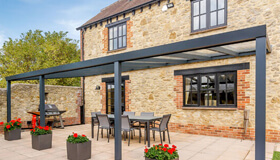
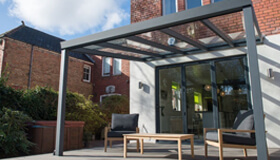
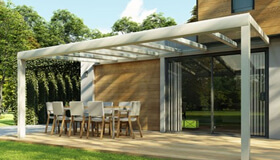
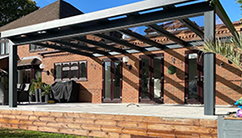
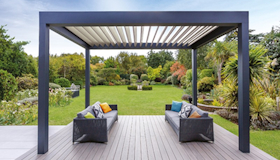
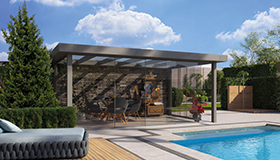
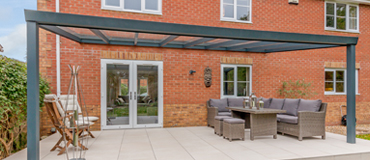
A veranda adds a transitional space between the house and garden. It offers shelter from rain and shade from the sun, allowing you to enjoy the outdoors without worrying about unpredictable British weather.
From a design perspective, verandas are incredibly versatile. They can function as:
- An outdoor dining area
- A sheltered lounge space
- A place for morning coffee
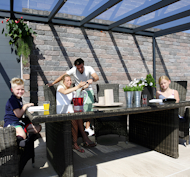
- A covered play area for children
Many homeowners choose to pair a veranda with a garden sun room, creating two complementary zones: one enclosed and one open-air. On warm days, the veranda becomes an extension of the indoor space, while on cooler evenings the sun room provides warmth and comfort.
The key to a successful veranda design is proportion. It should feel connected to the house rather than like an afterthought. Matching materials, clean structural lines, and well-planned lighting can help the structure blend seamlessly with the rest of the property.
Expanding Your Home With a Glass Extension
If you’re looking to create a dramatic transformation, a glass extension offers one of the most visually striking solutions.
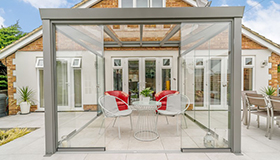
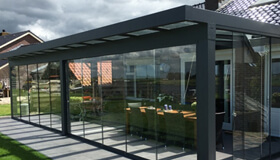
Unlike traditional brick extensions, glass extensions prioritise transparency and light. They can open up kitchens, dining rooms, or living areas, creating uninterrupted views of the garden and allowing natural light to flood the interior.
Design-wise, there are several approaches:
Minimalist contemporary extensions
These feature slim aluminium frames and large glass panels, creating a sleek architectural appearance.
Hybrid designs
These combine solid walls with glass roofs or sliding glass doors for a balanced aesthetic.
Open-plan extensions
These integrate directly with existing living spaces, often forming the heart of the home.
A thoughtfully designed glass extension doesn’t just add space—it changes the atmosphere of your home. Rooms feel brighter, more open, and more connected to the outdoors.
The Rising Popularity of Roof Verandas
One design feature gaining popularity in modern homes is the roof veranda. Often built above an extension or garden room, it creates an elevated outdoor area that maximises space and views.
Roof verandas work particularly well in urban environments where garden space may be limited. Instead of expanding outward, homeowners build upward, creating a private terrace that feels separate from the rest of the garden.
Benefits of a roof veranda include:
- Additional outdoor living space
- Improved views of the surrounding landscape
- Better use of vertical space
- A stylish architectural feature
When designing a roof veranda, safety and structural integrity are essential. Proper drainage, durable flooring materials, and secure balustrades ensure the space remains both practical and visually appealing.
Choosing the Right Materials for Long-Term Comfort
The materials used in your garden room play a huge role in how comfortable and durable the space will be.
High-quality aluminium frames are popular because they are strong, lightweight, and resistant to corrosion. They also allow for slimmer profiles, meaning more glass and better views.
For glazing, modern energy-efficient glass helps regulate temperature by reflecting heat in summer and retaining warmth in winter.
Flooring should be chosen with durability in mind. Garden rooms often experience more sunlight and temperature variation than other areas of the house, so materials that can handle these conditions are essential.
Lighting is another factor many homeowners overlook. Integrated LED lighting, subtle wall fixtures, and even outdoor lighting under a veranda can dramatically enhance the atmosphere of the space after sunset.
Designing for Year-Round Use
One of the biggest advantages of a well-built garden sun room or glass extension is that it can be used throughout the year.
To achieve this, consider a few key features:
Insulation – High-performance glazing and insulated frames help maintain a comfortable temperature.
Heating options – Underfloor heating or discreet electric radiators work well in garden rooms.
Ventilation – Roof vents, sliding doors, or tilt windows prevent overheating in warmer months.
Shading solutions – Blinds, external shading systems, or pergola-style coverings can reduce glare and heat.
With the right combination of these elements, your garden room becomes a space you’ll use in every season—not just during summer.
Personalising the Space
The most memorable garden rooms are those that feel personal. Once the structure is complete, interior design plays a huge role in shaping the atmosphere.
Think about how the room should feel.
If the goal is relaxation, soft textiles, neutral colours, and natural materials can create a calm environment. If the space is meant for entertaining, consider flexible seating arrangements and integrated lighting.
Plants are another powerful design element. Because garden rooms often feature large glass panels, indoor greenery can help blur the boundary between inside and outside even further.
The goal is to create a space that feels like a natural extension of your home rather than a separate structure.
Why Professional Design Matters
While it might be tempting to treat a garden room as a simple add-on, professional design makes a significant difference.
Experienced designers understand how to balance aesthetics, structural integrity, and long-term performance. They consider factors such as sunlight direction, drainage, ventilation, and planning regulations—details that can easily be overlooked in DIY projects.
Working with specialists ensures your garden sun room, veranda, or glass extension is not only beautiful but also built to last.
Final Thoughts
Custom garden rooms are more than just an architectural trend—they’re a reflection of how modern homeowners want to live. Flexible, light-filled, and deeply connected to the outdoors, these spaces offer a unique way to expand your home without losing the charm of your garden.
Whether you’re planning a peaceful garden sun room, adding a stylish veranda, exploring the possibilities of a glass extension, or incorporating a contemporary roof veranda, the key is thoughtful design.
When the space is built around your lifestyle, it quickly becomes more than just another room. It becomes the place where you work, relax, entertain, and reconnect with the outdoors—all without leaving home.
And in today’s busy world, that kind of space is more valuable than ever.