0% Interest FREE. SPRING SALE 25% Discount.
CLEARANCE OFFERS

Tag: glass-veranda

If you’ve spent any time browsing home inspiration lately, you’ll know the glass veranda has become a bit of a quiet obsession among UK homeowners. And it’s not hard to see why. It gives you that in-between space — not quite indoors, not quite outdoors — where you can enjoy your garden without worrying about the weather.

But the big question always comes up early: what is the real glass veranda cost in the UK?

Prices vary wildly online. One site says £2,500. Another says £15,000. So what’s realistic in 2026?

In this guide, I’ll break down actual price ranges, what affects the final cost, and how to decide whether a glass veranda is worth the investment — based on real industry trends and what homeowners are actually paying right now.

What Is a Glass Veranda (And Why Are They So Popular)?

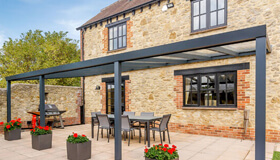
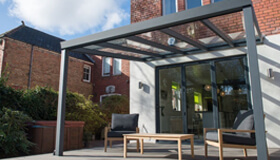
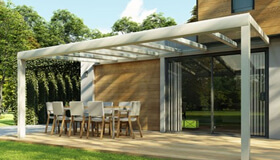
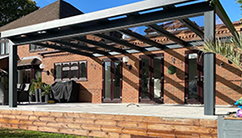
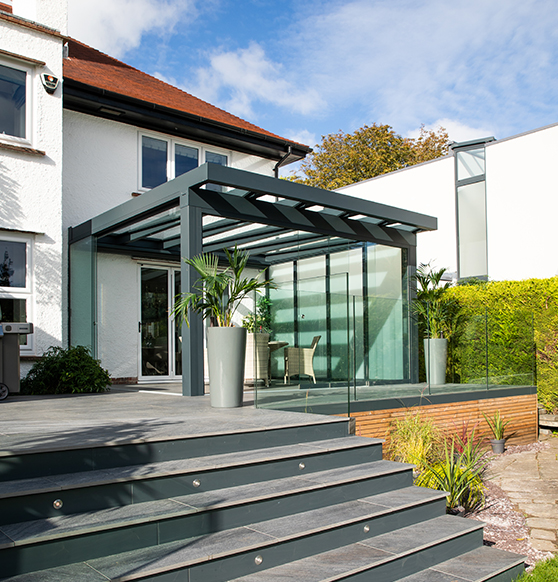
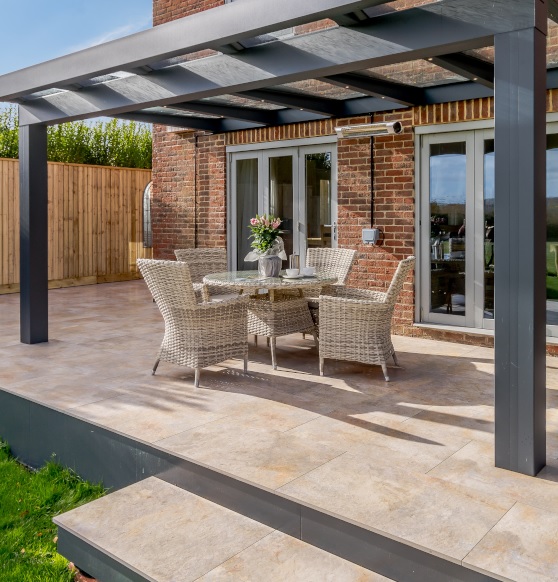
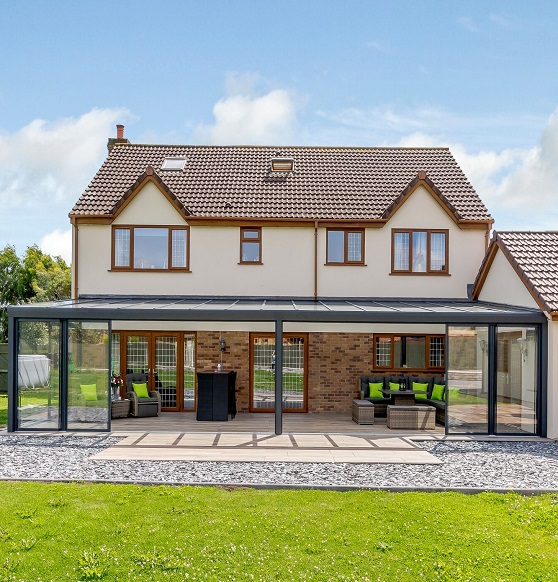
At its simplest, a glass veranda is a fixed outdoor structure attached to your home, typically featuring a powder-coated aluminium frame and a glass veranda roof. It’s designed to create a sheltered outdoor living space that still feels bright and open.

Unlike traditional patio covers, modern verandas are built to look architectural rather than purely functional. That’s part of why demand has surged in the last few years — homeowners want something that feels like a lifestyle upgrade, not just an add-on.

A well-designed veranda can act as:

  • A year-round outdoor seating area
  • A garden dining space
  • A weatherproof transition between house and garden
  • A value-adding home improvement

And thanks to improved materials and glazing tech, they’re now more durable and lower maintenance than older patio structures.

Average Glass Veranda Cost in the UK (2026)

Let’s talk numbers.

In 2026, the average glass veranda cost in the UK typically falls between:

£3,500 – £12,000+

That’s a wide range, but there’s a reason for it. Size, materials, installation complexity, and customisation all influence the final price.

Here’s a more realistic breakdown:

Veranda Type

Typical Cost

Small, entry-level glass veranda

£3,500 – £5,000

Mid-range aluminium veranda

£5,000 – £8,500

Large or bespoke veranda

£9,000 – £12,000+

Premium custom installations

£15,000+

If you’ve seen ultra-low prices online, they’re usually supply-only kits without installation — or very small structures.

Most homeowners looking for a professionally installed veranda roof system land somewhere in the mid-range bracket.

What Drives the Cost of a Glass Veranda?

No two installations are identical, and that’s the biggest reason pricing varies so much. Here are the main factors shaping the real glass veranda cost.

1. Size of the Veranda

Unsurprisingly, size is the biggest pricing factor.

A small 3m-wide veranda will cost significantly less than a 6m structure covering a full patio. More width means:

  • Larger glazing panels
  • Additional support posts
  • Stronger structural framing

As a rough guide, every extra metre adds around £800–£1,500 depending on design complexity.

2. Type of Glass Veranda Roof

Not all glazing is equal, and the roof specification can make a big difference to both cost and comfort.

Common options include:

  • Laminated safety glass (standard choice)
  • Tinted or solar-control glass (reduces glare and heat)
  • Self-cleaning glass (premium upgrade)

Upgrading your veranda roof to solar-control or specialist glazing can add £500–£2,000, but many homeowners say it’s worth it for long-term usability.

3. Frame Material and Finish

Most modern verandas use powder-coated aluminium frames, which strike a good balance between durability and aesthetics.

However, the finish matters more than people realise.

Costs increase if you choose:

  • Bespoke RAL colour finishes
  • Woodgrain-effect aluminium
  • Heavy-duty structural profiles

White frames are typically the most affordable, while custom finishes can add several hundred pounds.

4. Installation Complexity

This is where online pricing often becomes misleading.

A straightforward installation on a flat patio is relatively quick and cost-effective. But things change if your property has:

  • Uneven ground levels
  • Brickwork modifications
  • Drainage adjustments
  • Access restrictions

Labour costs rise when installation becomes more technical — which is why two identical verandas can have very different final quotes.

5. Optional Extras and Upgrades

This is where your veranda can shift from “nice addition” to “outdoor living space.”

Popular upgrades include:

  • Integrated LED lighting
  • Infrared heaters
  • Frameless glass sides
  • Sliding glass doors
  • Built-in drainage systems

These extras can easily add £1,000–£5,000 depending on how far you go.

But they also transform how often you actually use the space — which is why many homeowners budget for upgrades upfront.

Are DIY Glass Verandas Cheaper?

You might be tempted by DIY kits advertising low glass veranda cost figures. And yes — supply-only options can be cheaper initially.

Some kits start from £2,000–£3,000.

But there are trade-offs.

DIY installations often mean:

  • Limited customisation
  • Shorter warranties
  • Greater risk of structural issues
  • No professional weatherproofing

And if something goes wrong, repairs can quickly wipe out the initial savings.

For most UK homeowners, professionally installed verandas still offer better long-term value — especially if the structure is attached directly to your property.

Planning Permission: Will You Need It?

In many cases, a glass veranda falls under permitted development rights in the UK. That means you may not need full planning permission.

However, there are exceptions.

You may need approval if:

  • Your home is listed
  • You live in a conservation area
  • The veranda exceeds height restrictions
  • It projects too far into your garden

A reputable installer will usually advise you on this early, which is one of the benefits of going with an experienced supplier.

Does a Glass Veranda Add Value to Your Home?

This is a common question — and the answer is generally yes, though indirectly.

A well-designed veranda doesn’t always add a specific percentage to your property value, but it does improve:

  • Outdoor usability
  • Kerb appeal
  • Lifestyle appeal for buyers

Estate agents increasingly highlight usable outdoor space as a major selling point, especially post-pandemic.

So while you may not recoup every pound immediately, a quality veranda can make your home more attractive on the market.

Is a Glass Veranda Worth the Investment?

This depends on what you want from your outdoor space.
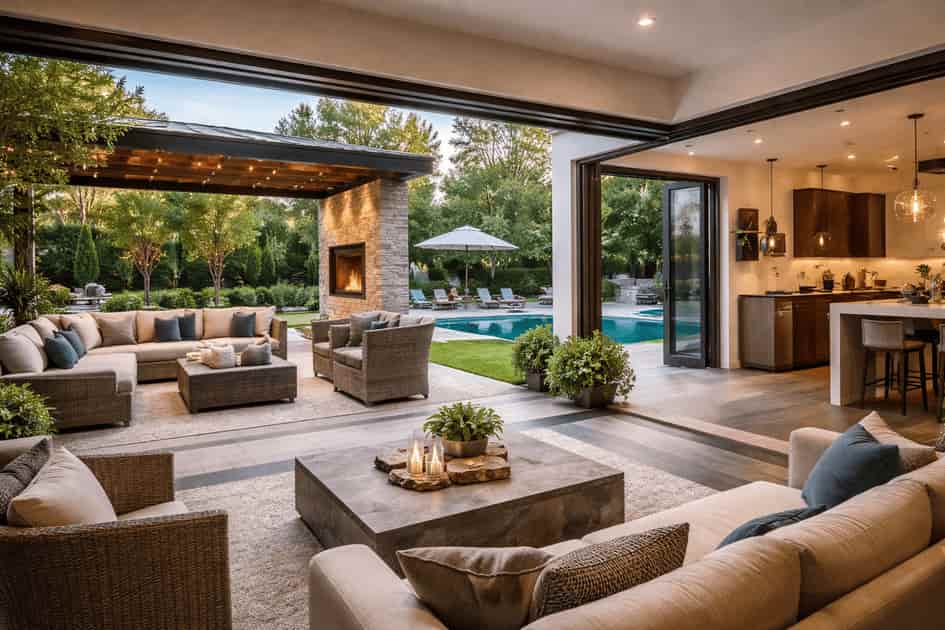
From a purely financial perspective, a glass veranda sits somewhere between a luxury and a practical upgrade. But from a lifestyle perspective, it’s one of the most impactful improvements you can make.

Homeowners who install a veranda often mention:

  • Spending more time outside year-round
  • Hosting more gatherings at home
  • Reduced reliance on indoor extensions

And compared to conservatories or full extensions, a veranda roof system delivers a similar “extra space” feeling at a fraction of the cost.

How to Get an Accurate Glass Veranda Quote

If you’re serious about installing a veranda, here’s the best approach to avoid pricing surprises:

  1. Measure your space properly
    Rough dimensions help suppliers provide realistic estimates.
  2. Decide on must-have features
    Lighting, heating, and glass sides can significantly affect pricing.
  3. Ask about installation specifics
    Ground conditions and access can influence labour costs.
  4. Compare like-for-like quotes
    Make sure you’re comparing the same materials and glazing specifications.

The biggest mistake homeowners make is comparing headline prices without checking what’s actually included.

Final Thoughts: What Should You Budget in 2026?

If you’re planning ahead, here’s a realistic rule of thumb:

  • Entry-level veranda: £3,500–£5,000
  • Most popular installations: £5,000–£8,500
  • Premium bespoke veranda: £9,000–£12,000+

In 2026, rising material costs and labour demand have nudged prices upward slightly — but glass verandas still offer strong value compared to larger structural home improvements.

Ultimately, the right veranda isn’t about chasing the lowest glass veranda cost. It’s about finding a balance between quality, design, and how you want to use the space.

A well-built glass veranda should last decades, not just seasons. And when chosen carefully, it becomes less of a purchase — and more of a lifestyle upgrade you’ll use far more than you expect.

There’s a moment every homeowner knows well — standing at the back door, looking out at the garden, and feeling like it should be more. More usable. More inviting. More you.

That’s exactly where I found myself a couple of years ago.

The garden wasn’t small. It wasn’t neglected. But it was underused. Like many UK homes, the weather ruled how and when we stepped outside. A bit of drizzle? Stay indoors. Harsh sun? Too hot. Wind? Forget it.

That’s when I started exploring outdoor verandahs — and eventually discovered how a thoughtfully designed glass veranda could completely transform not just the garden, but how we live in our home.

This isn’t a sales pitch. It’s the real story of how I redesigned my outdoor space, what I learned about garden verandas UK homeowners are installing, and the veranda ideas that actually work in real British weather.

Why Outdoor Living Matters More in the UK Than We Think

We often assume outdoor living is something reserved for Mediterranean homes or modern American patios. But in reality, outdoor spaces are becoming just as important here in the UK.

Post-pandemic living changed priorities. People began investing more in their homes. Extensions, garden rooms, outdoor kitchens — and increasingly, outdoor verandahs.

The shift makes sense. A veranda sits in that perfect middle ground between indoors and outdoors. You’re outside, but sheltered. Connected to nature, without battling the elements.

And once I started noticing them, I saw them everywhere — in contemporary builds, renovated period homes, and even compact urban gardens.

The Problem With Traditional Patios

Before installing a veranda, I tried the usual upgrades.

  • A better patio set
  • A parasol
  • Outdoor heaters
  • Weatherproof cushions

They helped, but none solved the core issue: unpredictability.

British weather is famously inconsistent. A sunny morning can turn grey by lunch. Wind sneaks in unexpectedly. And rain? Always lurking.

Traditional patios leave you exposed. You’re constantly adjusting plans around the forecast. That’s where garden verandas UK homeowners are choosing today feel different — they create consistency.

Discovering Glass Verandas

I initially assumed verandas meant heavy timber structures or bulky conservatory-style builds. But modern glass veranda designs are in a completely different league.

Slim aluminium frames. Clean lines. Transparent roofing. Minimal visual weight.

The appeal was immediate.

A glass veranda lets light flood through while providing shelter. It doesn’t block views. It doesn’t make your home feel enclosed. Instead, it enhances the architecture.

That balance is what sold me.

How Outdoor Verandahs Transform Everyday Living

What surprised me most wasn’t the aesthetic upgrade — it was the lifestyle change.

Once the veranda was installed, we started using the garden differently.

Morning coffee outside became a habit.
Alfresco dinners felt effortless.
Rainy afternoons suddenly felt cosy rather than inconvenient.

The biggest shift? The garden stopped being seasonal.

With outdoor verandahs, the garden becomes usable almost year-round. That alone makes the investment worthwhile.

The Rise of Garden Verandas in the UK

If you’ve been researching home upgrades lately, you’ve probably noticed how popular garden verandas UK homeowners are installing have become.

There are a few reasons behind this surge:

1. Smarter Home Investments

Instead of moving, people are improving. Outdoor upgrades deliver strong lifestyle ROI.

2. Seamless Indoor-Outdoor Living

Open-plan interiors naturally flow into covered outdoor spaces.

3. Planning-Friendly Solutions

Many verandas fall within permitted development, making them simpler than extensions.

4. Modern Design Appeal

Today’s verandas complement contemporary and traditional homes alike.

It’s no longer a niche addition — it’s a mainstream home improvement.

Choosing the Right Outdoor Verandah

If you’re considering outdoor verandahs, not all are created equal. I learned this the hard way during early research.

Here’s what actually matters.

Build Quality

Look for powder-coated aluminium frames rather than cheaper materials. They last longer and require less maintenance.

Roof Type

A glass veranda creates openness and light, while polycarbonate options offer more shade but less visual appeal.

Integration With Your Home

The best verandas look like they were always meant to be there — not bolted on as an afterthought.

Customisation

Lighting, heating, and side screens can elevate a veranda from functional to exceptional.

These small decisions make a big difference long term.

Veranda Ideas UK Homeowners Actually Love

Scrolling Pinterest is fun, but not every idea works in the UK climate. Here are some veranda ideas UK homeowners consistently find practical and stylish.

Outdoor Dining Zones

A simple dining table under a glass roof instantly upgrades garden entertainment.

Lounge-Style Seating

Think outdoor sofas, rugs, and layered lighting. Cosy rather than clinical.

Minimalist Modern Verandas

Slimline aluminium and frameless glass for contemporary homes.

Veranda With Lighting

Integrated LED strips make evenings magical.

All-Weather Relaxation Spaces

Add infrared heaters and enjoy the garden even in winter.

The best veranda ideas aren’t about extravagance — they’re about usability.

Why I Chose a Glass Veranda Over Other Options

I briefly considered alternatives like pergolas and awnings, but they didn’t offer the same permanence or elegance.

Here’s why the glass veranda stood out.

  • It preserves natural light indoors
  • It looks architecturally refined
  • It adds real property value
  • It requires minimal upkeep

Most importantly, it feels timeless. Trends change, but glass and aluminium rarely look dated.

Installation: What to Expect

One of my biggest concerns was disruption. I imagined weeks of noise and mess.

In reality, installation was surprisingly straightforward.

Most professional veranda installations take just a few days, depending on size and groundwork. The key is choosing experienced installers who specialise in garden verandas UK projects, not general builders.

Preparation matters too — ensuring the patio base is level and drainage is considered early.

Maintenance and Longevity

A common question I get is: do verandas require a lot of upkeep?

The short answer: no.

Modern outdoor verandahs are designed for longevity.

  • Aluminium frames resist rust
  • Glass roofing is easy to clean
  • Powder coatings prevent fading

A simple clean a couple of times a year keeps everything looking sharp.

Compared to wooden structures, the maintenance difference is significant.

How a Veranda Adds Property Value

Beyond lifestyle improvements, there’s a financial angle worth mentioning.

Estate agents increasingly highlight outdoor living features in listings. A well-designed veranda enhances curb appeal and creates a memorable viewing experience.

While it may not add value pound-for-pound like an extension, it absolutely strengthens desirability — which can be just as important in competitive markets.

Mistakes to Avoid When Planning a Veranda

Looking back, there are a few things I’d advise anyone considering outdoor verandahs to keep in mind.

Don’t Go Too Small

You’ll use it more than you expect. Plan for future needs.

Avoid Cheap Materials

Low-cost structures often age poorly.

Think About Orientation

Sun direction affects comfort year-round.

Plan Lighting Early

Retrofitting electrics later is harder.

A little foresight prevents regret.

Is a Glass Veranda Worth It in the UK?

This is probably the question I get asked most often.

And honestly? Yes — if you value your outdoor space.
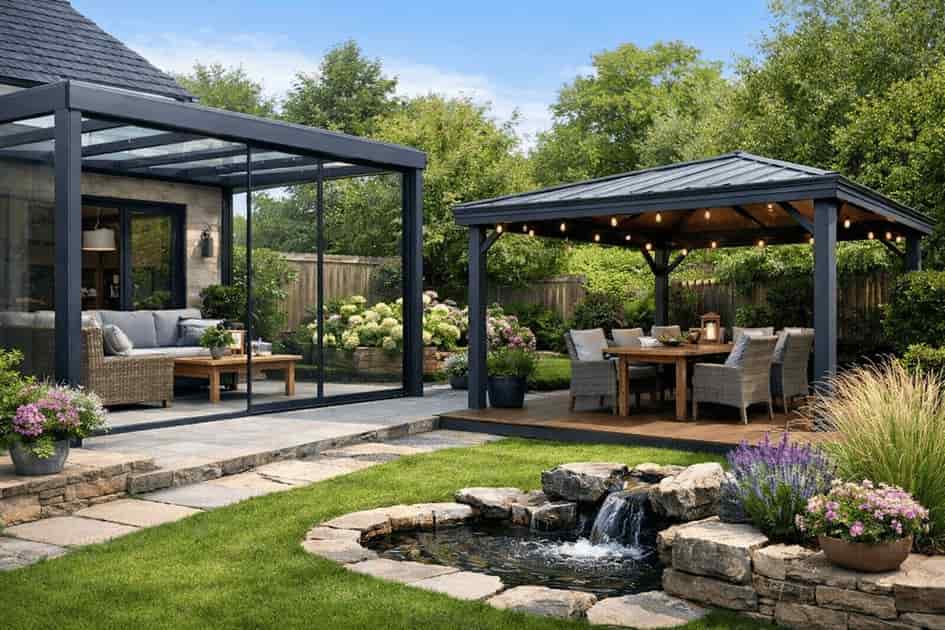
A glass veranda works with the British climate rather than fighting it. It softens the weather’s impact while preserving that outdoor connection we all crave.

For me, it turned an occasionally used garden into an everyday space.

That’s hard to put a price on.

The Emotional Impact No One Talks About

Here’s something that rarely appears in product pages or brochures: how a veranda makes you feel.

There’s something grounding about sitting outside during light rain, protected but still connected to nature. Or watching sunsets without rushing indoors as temperatures drop.

It creates moments. Quiet ones. Memorable ones.

And those are often the upgrades that matter most.

Final Thoughts: A Garden You’ll Actually Use

If your garden currently feels like a “nice to have” rather than a daily retreat, you’re not alone. Many UK homeowners are rediscovering their outdoor spaces through smart, design-led additions.

For me, installing one of the modern garden verandas UK homeowners are embracing was transformative. It didn’t just improve the garden — it changed how we live in our home.

Whether you’re exploring veranda ideas UK designers are loving or seriously considering a glass veranda, the key is choosing quality, thoughtful design, and experienced installation.

Done right, it’s not just an upgrade.

It’s a lifestyle shift.

And one you’ll appreciate every single day.

If you’ve lived in a British home long enough, you’ll know the familiar tug-of-war between wanting more space and not wanting the upheaval that comes with building work. Dust in every room, endless trades coming and going, weeks (or months) of disruption, and a budget that seems to stretch further every time you blink. After more than a decade working with homeowners on outdoor living solutions, I’ve seen that frustration first-hand.

That’s exactly why glass verandas – and in particular the Aspire Glass Veranda range from Sunspaces – have become such a popular choice. They offer a way to create a bright, usable living area that feels like a true extension of your home, without the stress and cost usually associated with traditional extensions.

This article takes a proper, honest look at how Aspire Glass Verandas work, why they’re different, and how they can deliver the light-filled living space many homeowners are craving – all without major building work.

The Changing Way We Add Space to Our Homes

Not so long ago, if you wanted extra room, your options were fairly limited: build out, build up, or move. Today, homeowners are far more considered. Budgets are tighter, planning rules can be restrictive, and people want flexible spaces that work across the seasons.

Traditional brick extensions certainly have their place, but they’re not always the most practical or cost-effective route. For many households, a well-designed glass veranda or glass room can achieve the same lifestyle benefits as cheap house extensions – and often with far less compromise.

The Aspire range sits squarely in this modern mindset: smart design, minimal disruption, and maximum daylight.

What Is an Aspire Glass Veranda?

An Aspire Glass Veranda is a sleek, aluminium-framed structure with a high-performance glass roof, designed to attach seamlessly to your home. Unlike older-style canopies or basic lean-tos, Aspire verandas are engineered to feel like a permanent, architectural feature rather than an afterthought.

Key characteristics include:

  • Clean-lined aluminium framework
  • Toughened or laminated glass roofing
  • Integrated guttering and drainage
  • Options for LED lighting and heating
  • Compatibility with side glazing to create a glass room or sunroom

The result is a structure that enhances your home visually while creating a practical, usable space just outside your existing walls.

Light Comes First – And That Changes Everything

The biggest difference homeowners notice immediately is light. Solid-roof extensions, even when well designed, inevitably block daylight from the rear of the house. A glass veranda does the opposite.

Because Aspire Glass Verandas use high-quality glazing overhead, natural light continues to flood into adjacent rooms. Kitchens, dining areas, and living spaces feel brighter, more open, and more welcoming year-round.

Over time, I’ve noticed that this has a knock-on effect: people use these spaces more. Morning coffee feels different under a glass roof. Evening meals stretch a little longer. Even in winter, that connection to the outdoors matters.

No Major Building Work – What That Really Means

“Without major building work” isn’t just a throwaway line. In practical terms, it means:

  • No deep foundations
  • No weeks of internal disruption
  • No loss of existing rooms during construction
  • Faster installation times

Most Aspire Glass Verandas can be installed in a matter of days rather than months. For homeowners working from home or juggling family life, that difference is huge.

In many cases, these structures fall within permitted development, reducing the need for planning permission. Of course, every property is different, but compared to traditional extensions, the process is usually far more straightforward.

A Flexible Step Towards a Glass Room or Sunroom

One of the smartest aspects of the Aspire system is flexibility. Many homeowners start with an open glass veranda and, over time, choose to enclose it.

Add frameless or sliding side glazing, and suddenly you’re edging into glass room territory. Include heating and lighting, and you’ve got a comfortable sunroom that can be enjoyed through most of the year.

This staged approach makes Aspire verandas particularly appealing to those who want the benefits of a sunroom but aren’t ready to commit to a full build from day one.

A Genuine Alternative to Cheap House Extensions

Let’s be honest: “cheap house extensions” is a phrase that often comes with compromises. Lower-grade materials, rushed workmanship, or designs that don’t quite age well.

Aspire Glass Verandas offer a different value proposition. While not “cheap” in the bargain-basement sense, they provide excellent value for money when you consider:

  • Reduced construction costs
  • Minimal disruption
  • Long-term durability
  • Improved natural light
  • Increased usable space

For many households, the cost-to-benefit ratio simply makes more sense than a traditional extension.

Built for the British Climate

There’s no point creating a beautiful space if it only works on the odd sunny afternoon. Aspire Glass Verandas are designed specifically for UK conditions.

The aluminium frames are powder-coated for durability, resisting corrosion and fading. The glass roofing is engineered to handle wind loads, heavy rain, and seasonal temperature changes. Integrated drainage ensures water is channelled away efficiently, even during downpours.

In short, these aren’t fair-weather structures. They’re built to be lived with.

Design That Respects Your Home

After years in this industry, one thing is clear: homeowners care deeply about how additions look. A poorly designed structure can drag down the appearance of an otherwise lovely home.

Aspire verandas are intentionally understated. Slim sightlines, neutral finishes, and proportional design mean they complement both modern and traditional properties. Rather than shouting for attention, they quietly enhance.

That design restraint is part of why they sit so comfortably alongside existing architecture.

EEAT in Practice: Why Experience Matters

Google’s EEAT guidelines – Experience, Expertise, Authoritativeness, and Trust – are about more than ticking boxes. They’re about real-world credibility.

Sunspaces brings decades of experience designing and installing outdoor living solutions across the UK. Aspire Glass Verandas are the result of that accumulated knowledge: what works, what lasts, and what homeowners actually use.

From compliant structural engineering to clear warranties and professional installation teams, the emphasis is on long-term trust, not short-term sales.

Planning, Regulations, and Peace of Mind

One common worry is red tape. While planning rules can vary, many glass verandas fall within permitted development limits. Even when approval is required, the process is typically far simpler than for full extensions.

Reputable suppliers will guide you through:

  • Site surveys
  • Structural considerations
  • Local authority requirements
  • Installation timelines

That guidance is invaluable, particularly if this is your first home improvement project of this scale.

Real-Life Use: How Homeowners Actually Live With Them

In practice, Aspire Glass Verandas tend to become multi-purpose spaces. I’ve seen them used as:

  • Outdoor dining areas
  • Quiet reading spots
  • Covered play spaces for children
  • Informal entertaining zones
  • Transitional spaces between house and garden

Because they sit between indoors and out, they adapt naturally to changing needs.

Long-Term Value, Not Just Extra Space

While lifestyle is often the main driver, it’s worth mentioning value. Well-designed glass verandas can enhance a property’s appeal, particularly as buyers increasingly look for flexible living space and strong indoor-outdoor connections.

They won’t replace a full extension in terms of square footage, but they often punch above their weight when it comes to perceived value.

Is an Aspire Glass Veranda Right for You?

If you want more light, more usable space, and less disruption, the answer is often yes. Aspire Glass Verandas suit homeowners who value quality, thoughtful design, and flexibility.

They’re especially appealing if you’ve been put off by the cost, mess, or complexity of traditional extensions but still want a meaningful improvement to how your home works.

Final Thoughts

After more than ten years working around home improvement projects, I’ve learned that the best solutions are often the simplest. Aspire Glass Verandas don’t try to be everything at once. They do one thing exceptionally well: create light-filled living spaces that feel natural, comfortable, and genuinely useful.

Without major building work, without unnecessary compromise, and without losing sight of what homeowners actually want, they offer a compelling alternative to conventional extensions.

For many, that balance is exactly what makes them such a smart investment, especially for homeowners looking to enjoy a bright, versatile sunroom without the cost or disruption of a full extension.

The home is an ever-evolving sanctuary, and the quest for expanded, multi-functional living space is a universal aspiration for homeowners across the globe. While the traditional patio or deck has long been the quintessential summer escape, a modern Glass Veranda offers a transformative solution, bridging the divide between the indoors and the beautiful, restorative power of the outdoors.1 It represents not just an architectural addition, but a significant upgrade to one's lifestyle, creating a luminous, protected area that can be enjoyed regardless of the season, weather, or time of day.

For a brand aiming to establish global trust, focusing on the longevity, versatility, and sheer quality of the outdoor living experience is paramount. This deep-dive article explores the essential, must-have accessories that elevate a basic Glass Veranda from a fair-weather canopy to a true, year-round retreat. By showcasing these carefully engineered additions, we illustrate a commitment to comprehensive customer comfort, exceptional product ecosystems, and enduring value—the cornerstones of global brand confidence.


The Foundation of Year-Round Comfort – Weatherproofing and Enclosure

The fundamental shift from a seasonal structure to a year-round haven lies in achieving superior weather protection. A simple glazed roof offers rain and sun shelter, but true all-season use demands a robust enclosure system.

1. Sliding Glass Walls: The Ultimate Seasonal Adaptor

The single most crucial accessory in the transformation process is the addition of frameless or slim-framed sliding glass doors. These turn a covered patio into a versatile sunroom or glass veranda with sides.

  • Adaptable Enclosure: On a mild day, the panels can be completely retracted, offering a breezy, open feel. When the wind picks up or the temperature drops, they slide effortlessly into place, forming a sealed, weather-tight barrier against rain, wind, and even snow. This seamless operation allows homeowners to adapt their space in seconds, a hallmark of sophisticated, user-centric design.
  • Aesthetic Integrity: Modern sliding walls are engineered to maintain the panoramic, light-filled aesthetic of the initial veranda structure. They offer unobstructed views, ensuring the user remains connected to their garden and the ambient natural light, even when fully closed. This feature is vital, as it prevents the new space from feeling like a dark, traditional conservatory.
  • Brand Trust Connection: Offering precision-engineered sliding glass that operates smoothly and locks securely speaks volumes about a brand’s commitment to quality materials and meticulous engineering. This is a non-negotiable accessory that converts the original investment into a genuinely functional, protected extension garden room ideas space.

2. Integrated Vertical Blinds and Shading Systems

While glass welcomes light, controlling solar gain and ensuring privacy is essential for comfortable, year-round use.

  • Solar Heat Control (Summer): Retractable awnings, either installed above or below the glass roof, are indispensable for deflecting intense summer sunlight.3 This prevents the greenhouse effect, maintaining a comfortable temperature and protecting furniture from UV damage. Vertical zip blinds, integrated into the frame of the glass veranda with sides, offer horizontal shading and privacy.
  • Privacy and Cosiness (Winter/Evening): On dark winter evenings, vertical screens or blinds can transform the transparent space into an intimate, private room, insulating against the cold and creating a cosy atmosphere.
  • Automation and Smart Control: The leading accessories are fully motorised, operating via remote control, wall switch, or even a smartphone app.4 Integrating shading into a smart home system signals a commitment to modern convenience and luxury, further solidifying brand trust.

Accessories for All-Season Functionality – Heating, Lighting, and Airflow

The transformation is completed by adding the ‘comfort’ factors traditionally reserved for indoor rooms.5 These accessories are what truly define the space as a year-round retreat.

1. Efficient Heating Solutions

To combat the chill of autumn and winter, a dedicated, efficient heating system is paramount.6 Traditional central heating is often impractical; therefore, modern, targeted solutions are essential.

  • Infrared Radiant Heaters: These are the gold standard for outdoor and semi-outdoor living. They heat objects and people directly rather than the air, making them highly efficient in a partially enclosed or glass-fronted space. Ceiling or wall-mounted heaters are sleek, discreet, and can be zoned, allowing users to heat only the area they occupy.
  • Energy Efficiency and Sustainability: Emphasising the low-glare, high-efficiency performance of the heating accessories resonates with globally conscious customers who value both comfort and reduced energy consumption. This focus on sustainable luxury enhances brand reputation.

2. Integrated Smart Lighting

The atmosphere of a retreat is defined by its lighting. A single overhead bulb simply won’t suffice.

  • Ambient and Task Lighting: Integrated LED spot lines, seamlessly built into the veranda’s cross beams or rafters, provide soft, ambient illumination.7 Separate, adjustable spotlights can be used to highlight specific features, such as a reading corner or an outdoor dining table.
  • Dimmability and Colour Temperature: Offering a lighting system that is fully dimmable and allows for adjustment of colour temperature (from cool white for reading to warm white for relaxing) creates a truly customised experience. Again, control via a mobile app or remote offers unparalleled convenience.8

3. Ventilation and Airflow Management

Even with superior shading, controlling the temperature in a glazed space on a hot day requires excellent airflow.9

  • Sliding Door Design: The ability of the sliding glass doors to be partially opened for cross-ventilation is a primary feature.
  • Integrated Ventilation Options: Modern designs include discreet roof vents or integrated ceiling fans.10 A quiet, energy-efficient ceiling fan gently circulates air, preventing stagnation and offering a subtle cooling effect without the drawbacks of air conditioning.

Lifestyle and Aesthetic Upgrades – From Patio to Luxury Living

Once the core functionalities are established, a range of aesthetic and practical accessories solidifies the glass veranda as a true lifestyle extension garden room ideas.

1. Custom Flooring and Furnishings

The choice of floor material and furniture is key to defining the room’s purpose.

  • Seamless Transition: High-quality composite decking, porcelain tiles, or outdoor-grade stone can be used to create a seamless floor level and visual flow from the indoor living space to the veranda. This continuity visually expands the home.
  • Furniture for All Seasons: Investing in high-grade, weather-resistant furniture—such as aluminium-framed, deep-seated sofas with quick-dry cushions—ensures comfort and longevity, regardless of the humidity or slight temperature fluctuations.

2. Entertainment and Connectivity Accessories

A year-round retreat should be fully connected to the modern home.

  • Smart Integration: Built-in power sockets, weatherproof sound systems, and Wi-Fi boosters ensure the space is fully functional for a home office, a film night, or entertaining guests.
  • Brand Trust and Durability: Specifying weatherproof, hidden wiring and high-quality, long-lasting electronic components reinforces the brand’s image as a provider of durable, premium systems, not just a simple shelter.

The Investment Perspective – Understanding Veranda Cost UK and Global Value

For a global brand, addressing the investment aspect is crucial for building trust. The initial Veranda Cost UK (and internationally) is an investment in both lifestyle and property value.

  • Value Proposition: A Glass Veranda equipped with all the year-round accessories is no longer a temporary structure; it is a permanent, high-quality extension garden room ideas—often referred to as a "glass room." Unlike a traditional conservatory, modern glass room systems are non-thermally broken structures (often with cold-roof systems), which means their installation is typically less complex and often does not require the extensive foundation or planning permissions that a full, thermally-broken extension would.11
  • Cost-Benefit Analysis: While the base Veranda Cost UK for a high-quality aluminium and laminated glass structure might range from £5,000 to £15,000 (depending on size and brand), fully accessorising it with glass veranda with sides, heating, and lighting can increase the total investment significantly, potentially up to £25,000 or more for a premium, large-scale installation. However, this full investment creates a space that is used every day, dramatically increasing the home's functional square footage and curb appeal, and offering an excellent return on enjoyment and potential resale value.
  • Transparency and Quality Guarantee: Global brand trust is built on transparency. Providing clear pricing guides (like approximate Veranda Cost UK ranges), detailed specifications on materials (e.g., laminated safety glass, powder-coated aluminium frames), and long-term warranties (e.g., 5-10 years on frame and glass) assures the customer that they are investing in a product of enduring quality.

Conclusion: A Vision of Global Living

The Glass Veranda is fast becoming the ultimate expression of sophisticated outdoor living. By offering a comprehensive ecosystem of must-have accessories—from the fundamental protection of glass veranda with sides and integrated shading, to the comforts of energy-efficient heating and smart lighting—a brand demonstrates a commitment to quality, innovation, and, most importantly, the customer experience.

The evolution from a simple summer shelter to a fully functional, year-round retreat is a journey enabled by superior engineering and design. This complete, enclosed extension garden room idea transforms a forgotten corner of the home into a cherished space for relaxation, entertainment, or quiet contemplation, regardless of the external conditions. For any brand, promoting the full potential of this product—underscored by a clear understanding of the investment and quality embodied in the final Veranda Cost UK—is the definitive strategy for building and maintaining global brand trust. It is a vision where indoor comfort meets the beauty of the outdoors, twelve months a year.

The UK's engagement with outdoor living is stronger than ever. Our gardens and patios are no longer just patches of lawn for a brief moment of sunshine; they have become vital extensions of our homes, serving as additional rooms for relaxation, entertainment, and connection with nature. This transformation is driven by the veranda, which has evolved from a simple shelter into a sophisticated, architecturally integrated structure.

But with so many options available, which styles are truly defining the modern British garden? This comprehensive guide will explore the top trending veranda styles in UK outdoor living, delving into their aesthetics, functionality, and why they resonate with today's homeowner. Whether you're seeking inspiration for a new project or looking to upgrade your existing space, understanding these trends will help you choose a veranda that is both contemporary and enduring.

The Move Towards Minimalism and Modernity

The overriding trend in UK veranda design is a shift towards clean lines, uncluttered spaces, and a sleek, contemporary aesthetic. Homeowners are increasingly choosing structures that either complement modern architecture or create a striking contrast with more traditional properties.

  • The Seamless Glass Veranda: This is perhaps the most significant trend. British homeowners are increasingly drawn to the idea of expanding their living space into the garden without creating a visual or physical barrier.
    • Aesthetics: Characterized by slimline aluminium frames and expansive glass roofs, these verandas maximise natural light and provide an uninterrupted view of the sky. The focus is on transparency and an open feel, blurring the lines between indoor and outdoor environments.
    • Functionality: They provide all-weather protection without compromising on light, making them perfect for al fresco dining, sheltered relaxation, or simply enjoying the garden view on a rainy day.
    • Why it's trending: The desire for more natural light, a seamless indoor-outdoor transition, and a sophisticated, high-end finish aligns perfectly with contemporary home design. Sunspaces is a leading provider in this category, offering German-engineered glass verandas renowned for their elegant profiles and exceptional clarity.
  • The Flat Roof Veranda (with integrated drainage): A strong choice for modern homes, this style makes a clean, architectural statement.
    • Aesthetics: While appearing flat, these verandas feature a subtle internal pitch for effective water drainage, maintaining a minimalist, box-like structure. They often integrate effortlessly with modern extensions or contemporary new builds.
    • Functionality: The solid roof provides continuous shade, which is a major advantage for south-facing properties prone to overheating. It also offers a perfect canvas for integrated features like hidden LED lighting.
    • Why it's trending: Its clean lines and unobtrusive design appeal to those who favour a minimalist aesthetic, often complementing the geometric forms popular in modern architecture.

Versatility and All-Weather Adaptability

The unpredictable British weather has created a strong demand for verandas that offer genuine all-weather usability. Trends here lean towards dynamic systems that can be adjusted to suit changing conditions.

  • The Retractable Louvered Roof Veranda (Bioclimatic Pergola): This is a rapidly expanding trend, offering the ultimate in environmental control.
    • Aesthetics: These verandas feature adjustable aluminium louvers that can be tilted to allow sun or shade, or closed completely to create a waterproof roof. They typically boast a robust, contemporary look.
    • Functionality: Homeowners can instantly transform their outdoor space from an open-air sun trap to a sheltered rain retreat. Many systems are automated with remote controls, and some even feature rain sensors for automatic closure.
    • Why it's trending: The demand for year-round usability and complete control over sunlight and rain perfectly suits the UK climate. It's a premium solution for those who want maximum flexibility from their outdoor space.
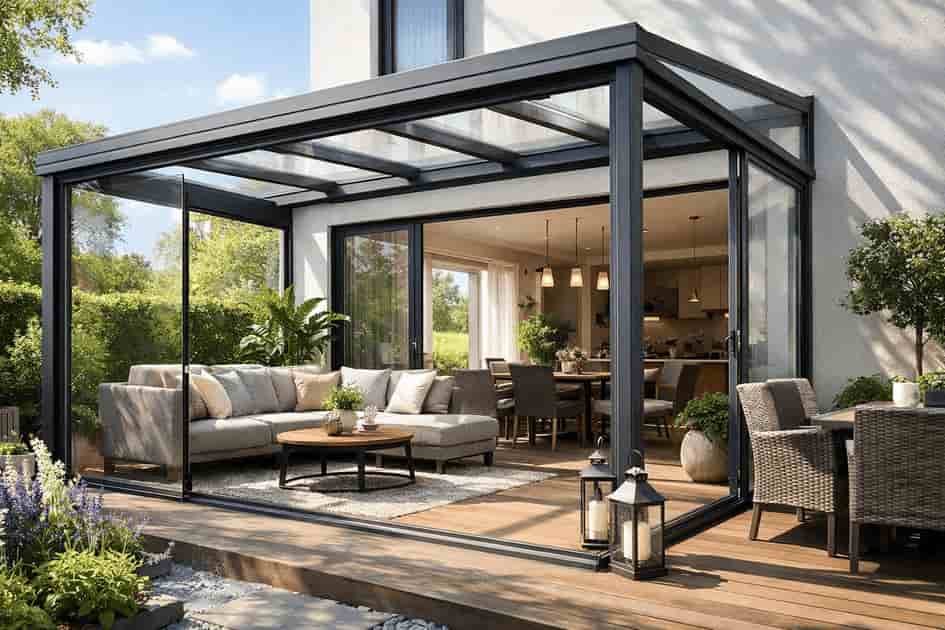
  • Glass Rooms and Enclosable Verandas: Taking the concept of a veranda a step further, the trend towards full or partial enclosure is gaining momentum.
    • Aesthetics: These are essentially verandas that have been upgraded with frameless or slim-framed sliding glass doors, or fixed glass side panels. This creates a "glass room" that feels like a full extension but retains the light and open feel of a veranda.
    • Functionality: They offer superior protection from wind, rain, and cooler temperatures, effectively extending the usability of the space into autumn, winter, and early spring. The sliding doors allow the space to be fully opened on warmer days.
    • Why it's trending: This style offers the best of both worlds: the openness of a veranda and the protection of a conservatory. It's ideal for homeowners looking to create a true all-season outdoor living area without the full cost or complexity of a traditional extension. Many Sunspaces verandas are designed with this modularity in mind, allowing homeowners to add vertical glass elements at any time.

Integrated Technology and Smart Features

As smart home technology becomes more widespread, its integration into outdoor living spaces is a key trend. Trending verandas are no longer just structures; they are intelligent environments.

  • Integrated LED Lighting: Ambient and functional lighting is a must-have. Recessed LED strips or spotlights in the veranda beams are highly popular, offering discreet illumination that creates a warm, inviting atmosphere for evening use. Dimmable and color-changing options are particularly sought after.
  • Outdoor Heating Solutions: With cooler evenings being a staple of the British climate, integrated infrared heaters are trending. These provide instant, efficient warmth, allowing homeowners to comfortably use their verandas much later into the evening and earlier in the year.
  • Automated Awnings and Blinds: For glass verandas, integrated, remote-controlled awnings or external blinds are a key trend. They offer instant shade and solar protection, preventing the space from overheating on sunny days and adding an extra layer of comfort.
  • Smart Control Systems: The ability to control lighting, heating, awnings, and even louvered roofs from a single remote or a smartphone app is increasingly desired, simplifying the user experience and enhancing convenience.

Durable and Sustainable Materials

An awareness of environmental impact and a desire for longevity are influencing material choices.

  • High-Quality Aluminum Frames: While not new, the trend continues towards premium, powder-coated aluminum for veranda frames.
    • Why it's trending: Homeowners recognize its superior durability, rust-proof properties, and minimal maintenance requirements compared to wood or steel. Its strength allows for slender profiles, maximising glass area and light. The sustainability of aluminium, being highly recyclable, also aligns with eco-conscious choices.
  • Laminated Safety Glass: This remains the gold standard for veranda roofs.
    • Why it's trending: Its inherent safety (holding together if broken), excellent light transmission, UV protection, and superior sound insulation (reducing rain noise) make it the preferred choice for those seeking a premium finish and long-term peace of mind. Options like solar-control glass are particularly popular for managing heat gain.

Creating Destinations within the Garden

Beyond simply extending the house, verandas are being used to create distinct "zones" or destinations within larger gardens, often as freestanding structures.

  • Hot Tub Covers/Spa Enclosures: A trending application is using a freestanding veranda to create a dedicated, all-weather cover for a hot tub or swim spa. This offers privacy and protection, transforming a hot tub into a luxurious, year-round amenity.
  • Outdoor Kitchen & Dining Hubs: Verandas are increasingly being designed around sophisticated outdoor kitchens, providing a sheltered space for grilling, dining, and entertaining, regardless of the weather.
  • Tranquil Garden Retreats: For larger gardens, a freestanding veranda positioned at a scenic spot can create a peaceful sanctuary, separate from the main house, perfect for reading, meditation, or quiet contemplation.

Investing in Modern Outdoor Living with Sunspaces

The UK's trending veranda styles reflect a clear desire for elegance, versatility, and year-round usability. Homeowners are seeking sophisticated extensions that seamlessly blend with their property's architecture while offering maximum comfort and functionality. The emphasis is on high-quality, durable materials, clean designs, and smart integration of technology.

Whether you're drawn to the luminous transparency of a glass veranda, the sleek lines of a flat roof, or the dynamic control of a louvered system, the key is to choose a solution that aligns with your lifestyle and property. By investing in a premium veranda from a trusted provider like Sunspaces, you're not just buying a structure; you're investing in an elevated outdoor living experience that will be enjoyed for decades to come, perfectly in tune with the latest trends in British outdoor design.

Transform your garden into a year-round sanctuary. A high-quality glass veranda allows you to seamlessly blend your comfort with outdoor living, providing a beautiful and sheltered space for relaxing, entertaining, or simply enjoying the view. Across the UK, homeowners are choosing glass verandas as a stylish and practical way to make the most of their property, no matter the season.

To make a smart investment, you need to know what to look for. In this complete guide, we'll answer the crucial question: how do you choose the right glass veranda for your property? We'll cover everything from veranda design and frame materials to types of glass for veranda roofs and crucial budget considerations, helping you navigate the options with ease.


What Is a Glass Veranda?

A glass veranda is a permanent outdoor structure that is either attached to your home or freestanding in your garden. With robust aluminium or steel frames and a durable glass roof, it provides reliable weather protection and floods your space with natural light.

Unlike a polycarbonate or wooden pergola, a glass veranda offers homeowners in the UK a superior solution, providing:

  • Unobstructed Views: Enjoy crystal-clear views of your garden and the sky, creating a seamless connection between your home and the outdoors.
  • Minimal Maintenance & Durability: Designed for longevity, these structures are highly resistant to the unpredictable British climate, requiring very little upkeep over the years.
  • Enhanced Property Value: A premium, modern glass veranda significantly boosts your home's curb appeal and adds long-term value, making it a smart investment for any UK property.

Why Choose a Glass Veranda in the UK?

Before we dive into the selection process, let’s look at why more UK households are turning to verandas with glass roofing.

  1. All-Weather Use – The unpredictable British climate means sunshine one minute and drizzle the next. A glass veranda roof ensures you can enjoy your outdoor area regardless of weather.

  2. Natural Light – Unlike opaque roofing, glass allows maximum sunlight, creating a bright and airy space.

  3. Versatility – Ideal for dining, entertaining, or simply relaxing, your veranda can adapt to any lifestyle.

  4. Property Value – A well-designed glass veranda in the UK can increase curb appeal and add long-term value.

Key Factors When Choosing a Glass Veranda for your home

1. Size & Layout of Your Space

The first step is assessing how much outdoor space you have and how you intend to use it.

  • For smaller UK gardens, a compact lean-to glass veranda with a minimalist aluminium frame is an excellent solution.
  • If you have a larger property, an extended veranda can comfortably accommodate outdoor furniture, an al fresco dining area, or even a hot tub.
  • Think about flow—how will your new glass veranda connect seamlessly to your patio, garden, and interior living spaces?

Pro Tip: Sketching out a rough layout before contacting a glass veranda company will help you clarify your vision and needs.

  1. Style & Design

The design of your new structure should feel like a natural extension of your home.

  • Modern Homes: A sleek aluminium veranda with a clear glass roof creates a contemporary, minimalist look that’s ideal for modern architecture.


  • Bespoke Designs: Many glass veranda installers in the UK offer custom options for shape, roof pitch, and frame colours to match your unique requirements.


Remember, a well-chosen design will make your glass veranda UK home upgrade look like a natural extension rather than an afterthought.

3. Choosing the Right Glass for Veranda Roofs

The type of glazing you select is a critical decision that impacts comfort, safety, and energy efficiency. Here are the most popular options for a veranda with a glass roof:

Toughened Safety Glass: This highly durable glass is shatter-resistant and is the standard for safety, especially for families.

Laminated Glass: Offers an additional layer of protection by holding shards together if the glass breaks.

Self-Cleaning Glass: An ideal, low-maintenance solution that uses sunlight and rainwater to break down dirt and grime.

Solar-Control Glass: Specifically designed to reduce heat and glare, this glass keeps your veranda comfortable and cool on hot summer days.

4. Frame Materials

When it comes to glass verandas in UK, aluminium frames are the most popular choice. Aluminium is lightweight, exceptionally strong, and naturally resistant to corrosion, requiring very little maintenance over its long lifespan. While some designs may use steel or timber but aluminium remains the most popular due to its low maintenance and long lifespan.

5. Additional Features & Accessories

Enhance the functionality of your veranda with these smart add-ons:

  • Integrated LED Lighting: Perfect for using your space in the evenings.
  • Sliding Glass Walls: Convert your open-air veranda into a fully enclosed glass room for ultimate versatility.
  • Heating Systems: Keep your space cosy and comfortable even during the colder months.
  • Retractable Roof Panels: Get the best of both worlds, with the flexibility of open-air and full shelter.

6. Budget Considerations

Cost depends on size, materials, and customization. On average, a glass veranda in the UK ranges from £5,000 to £15,000, with bespoke luxury models exceeding £20,000.

  • Entry-level verandas with standard clear glass roofs are budget-friendly.

  • Premium options with self-cleaning or solar glass and accessories naturally cost more.

Always get multiple quotes from reputable veranda installers to ensure the price includes everything from installation to warranties.

Common Mistakes to Avoid When Buying a Veranda

  • Choosing Style Over Function – A beautiful design is important, but don’t overlook practical aspects like shading and drainage.

  • Ignoring UK Planning Permission –  Always check with your local council, as some larger or bespoke verandas may require approval

  • Compromising on Glass Quality – Opting for cheaper roofing materials may save upfront costs but can lead to long-term maintenance headaches.

How to Maintain Your Glass Veranda

One of the biggest perks of a glass veranda is its low maintenance. However, regular care ensures it stays in top condition:

  • Clean glass roof panels with mild soapy water or use self-cleaning glass for minimal upkeep.

  • Inspect frames annually for any signs of wear or damage.

  • Keep gutters clear to prevent water overflow.

With the right upkeep, your glass veranda UK investment will last for decades.

Final Thoughts

Choosing the right glass veranda UK homeowners trust comes down to balancing design, function, and budget. Pay special attention to the type of glass for your veranda roof, as this will directly impact comfort, safety, and usability.

At Sunspaces, we specialise in designing and installing high-quality glass verandas that perfectly complement your home and lifestyle. Whether you want a sleek modern retreat or a traditional outdoor extension, Sunspaces can help you create a space that transforms your property—giving you more living space, adding value, and letting you enjoy the outdoors in every season.

FAQs

Q1. Do I need planning permission for a glass veranda in the UK?

Most glass verandas in the UK fall under permitted development rights, meaning you don't need planning permission. However, this can depend on the size of the structure, its location, and whether your property is listed or in a conservation area. We always recommend confirming the requirements with your local council's planning department. For more details, see our comprehensive guide on Do You Need Planning Permission for a Veranda?"

Q2. How long does installation take?

At Sunspaces, glass veranda installation usually takes 2–5 days, depending on size and design, with minimal disruption and guaranteed professional quality.

Q3. Can I use my veranda all year round?

Yes, a glass veranda with the right features is a perfect all-season space. By choosing a solar-control glass roof to manage heat in the summer and adding optional accessories like side panels or integrated heating systems, you can create a comfortable, sheltered area to use even in winter

Q4. Is a glass veranda better than a conservatory?
It depends on your needs. A conservatory is fully enclosed, while a veranda offers more open-air flexibility and often comes at a lower cost.

Q1: What Exactly Is a Veranda?

A veranda is an open-air yet covered extension of a house, usually attached to the front, side, or back. It's typically roofed and may be partially enclosed with railings or glass. Unlike a porch or balcony, verandas often wrap around multiple sides of the home, offering a versatile and elegant transition between indoors and outdoors.


Think of it as your home's outdoor living room—an ideal space for morning coffee, sunset chats, or hosting guests.

Q2: Where Did Verandas Come From?

The term “veranda” (or verandah) is believed to have originated from the Portuguese word “varanda”, meaning railing or balustrade. However, it was popularised in British colonial architecture, especially in countries like India, Australia, and South Africa.


Back in the 18th and 19th centuries, verandas served both practical and social purposes:

  • Shielding homes from direct sun and rain

  • Encouraging outdoor interaction and leisure

  • Adding grandeur to estate homes and villas

Over time, verandas became a symbol of refined living, blending functionality with elegance.

Q3: Why Add a Veranda Today?

Modern homeowners are rediscovering verandas not just for aesthetics but for lifestyle and comfort. Here’s why a veranda is still a smart investment:


Benefits of Verandas Modern Relevance
Weather protection Shade from the sun and rain year-round
Increased living space Great for entertaining or relaxing outdoors
Home value boost Enhances curb appeal and property resale potential
Year-round usability Especially with a glass veranda enclosure


Whether you live in the countryside or a bustling city, a veranda adds charm, utility, and personality to your home.

Q4: Veranda vs. Patio vs. Deck – What’s the Difference?

Many people confuse verandas, patios, and decks. Here’s a quick cheat sheet:


Feature Veranda Patio Deck
Location Attached to the house Ground level (not always attached) Raised and can be freestanding
Roof Covered/roofed Usually uncovered Can be covered or uncovered
Material Wood, glass, aluminium, brick Stone, concrete, tiles Wood, composite, metal
Use Case Elegant lounging & transition space Garden seating or outdoor dining Elevated leisure or entertainment


A glass veranda gives you the elegance of a veranda with modern weather protection—blending form and function perfectly.

Q5: What Is a Glass Veranda?

A glass veranda is a modern take on the classic design. It incorporates transparent or frosted glass panels for the roof and sometimes sidewalls, creating a light-filled, sheltered outdoor space.

Why are glass verandas trending?

  • Unobstructed views of the garden or sky

  • Protection from wind and rain

  • Seamless indoor-outdoor living

  • Contemporary look that suits modern architecture

They’re especially popular in urban settings, where space is limited but style is essential.

Q6: What Materials Are Used in Modern Verandas?

Today's verandas are available in a wide variety of materials to suit your style and budget.

  • Aluminium Verandas – Lightweight, low-maintenance, and rust-resistant

  • Wooden Verandas – Traditional and warm, but need more care

  • Steel-Framed Verandas – Strong and industrial-chic

  • Glass Verandas – Sleek, weatherproof, and perfect for all-season use

For a contemporary home, a glass veranda with aluminium frames offers an unbeatable combo of durability and elegance.

Read Our Latest Blog: https://www.sunspaces.co.uk/news/post/2025/07/14/how-to-design-a-garden-room-that-sells

Q7: Top Modern Veranda Design Ideas

Here are some fresh, stylish ways homeowners are upgrading their verandas in 2025:

  1. Boho Chic Lounge
    Rattan furniture, hanging lights, and potted plants.

  2. Glass Veranda Garden Room
    Enclose your veranda with glass to enjoy nature in every season.

  3. Scandinavian Minimalism
    Clean lines, muted colours, and eco-friendly wood.

  4. Smart Veranda Tech
    Add smart lights, retractable glass panels, and heating systems.

  5. Urban Jungle
    A lush veranda with climbing plants and a vertical herb garden.

Q8: Do You Need Planning Permission for a Veranda?

In many cases, verandas fall under permitted development, especially if:

  • They don’t extend too far from the original house

  • They're not taller than 3 meters

  • They don’t face the road or neighbouring boundaries closely

However, for glass verandas or those in listed buildings or conservation areas, approval may be required. Always check with your local authority.

Q9: Where Can You Buy a Veranda?

Whether you're a DIY enthusiast or want a professional install, here are your options:

  • Online veranda kits (aluminium or wooden)

  • Custom veranda builders

  • Garden centres or outdoor living specialists

  • Glass veranda specialists (for tailored, sleek designs)

Make sure you choose based on:

  • Material durability

  • Weather protection

  • Warranty and installation services

Final Thoughts: The Veranda Reinvented

From its colonial roots to today's glass veranda revolution, the veranda remains a timeless symbol of elegant outdoor living. Whether you're dreaming of cosy evenings under a canopy or a full garden-view lounge, a veranda adds value, beauty, and function to your lifestyle.


So the next time you imagine upgrading your home, don’t just think inside the box—think outside... to the veranda.

Veranda Cost UK: What Affects Veranda Prices & Why It's Worth the Investment

If you're looking to enhance your outdoor living space with a stylish and functional addition, a veranda is one of the best investments you can make. Whether it's for dining, relaxing, or simply enjoying your garden throughout the seasons, a veranda creates a seamless transition between your indoor and outdoor life.

At SunSpaces, we’re often asked: “How much does a veranda cost?”
The short answer? It depends. But we’re here to walk you through the factors that influence pricing, help you understand the true value, and empower you to plan your project confidently. This guide will provide a detailed breakdown of what affects veranda prices in the UK and why investing in a quality solution is a decision you won’t regret.

The True Value of a Veranda: More Than Just a Roof

 Before we dive into the numbers, it’s important to understand what a veranda adds to your home. A veranda isn’t just a simple shelter; it's a sophisticated, architecturally designed extension that enhances your lifestyle. It protects your patio furniture from the elements, provides a cool shaded area on hot summer days, and transforms into a cosy, sheltered space for enjoying crisp autumn evenings.

 By blurring the lines between indoor and outdoor living, a veranda allows you to unlock the full potential of your garden. It adds aesthetic appeal, boosts your home’s market value, and gives you a flexible, all-weather space for entertaining, relaxing, or working.

A Comprehensive Breakdown of Veranda Cost in UK

Veranda Cost in the UK can vary significantly depending on your design choices, materials, and customizations. While a general estimate can be a useful starting point, understanding the key drivers of cost will help you get an accurate quote tailored to your specific needs

Veranda Size

Estimated Price Range

Small (3m x 2.5m)

£3,000 – £5,000

Medium (4m x 3m)

£5,000 – £8,000

Large (6m x 3.5m or more)

£8,000 – £15,000+


These figures generally cover the veranda cost of high-grade aluminum frames, roofing materials, and professional installation. However, the final price is determined by several critical factors.

The 3 Main Factors That Influence Glass Veranda Cost

When planning your veranda, keep in mind the three most important cost drivers that influence the final price.

1. Size and Dimensions

The most obvious factor affecting veranda cost is size. A compact veranda provides cozy shelter for a small patio, perfect for a bistro set and a couple of chairs. A larger one, however, gives you an extended living area for al fresco dining, a full outdoor lounge, or even a sheltered play area for children.

The larger the veranda, the more materials are required, and the more labor-intensive the installation becomes. Additionally, very large verandas may require extra structural support or more complex groundwork, which can also contribute to the overall price. When choosing your size, consider not only your budget but also how you plan to use the space and how much of your garden you want to connect to your home.

2. Roofing Options

Your choice of roofing not only affects the price—it also determines the ambience and functionality of your space. At SunSpaces UK, we offer two primary high-quality options:

  • Polycarbonate roofing – A cost-effective, lightweight, and durable solution. Available in clear, opal (milky white), or heat-reducing tints, polycarbonate provides excellent protection from rain and UV rays. Its affordability makes it a popular choice for homeowners seeking a stylish shelter on a budget.

  • Self-cleaning glass roofing – This is our premium solution, offering a sleek, modern aesthetic and maximum light transmission. Glass roofing creates a true "open sky" feeling while providing complete protection from the elements. The self-cleaning coating uses sunlight to break down organic dirt and rainwater to wash it away, which means minimal maintenance for you. While glass is a more significant investment, it delivers unparalleled style, durability, and a feeling of seamless integration with your outdoor space..

3. Customizable Features

From integrated lighting to sliding glass walls, your veranda can be tailored with features that increase comfort, usability, and value. These optional extras can significantly enhance your experience and make the space a true extension of your home:

  • Integrated LED spotlights for evening ambience and extended use after sunset.

  • Infrared heaters to provide year-round warmth, allowing you to use your veranda even on cooler days.

  • Side panels or privacy screens to protect against wind and prying eyes.

  • Sliding or folding glass walls for added enclosure, turning your veranda into a fully functional garden room.

While these features add to the total cost, they are a worthwhile investment for anyone who wants to maximize the use and enjoyment of their new space.

Ultimate Pricing Guide of Glass Veranda Cost UK

Due to their popularity and premium appeal, it’s worth taking a closer look at the glass veranda cost. A glass veranda is a long-term investment that offers a superior finish and unmatched durability.

Glass veranda UK price starts at around £4,000 for smaller, more basic models. The price can increase significantly for larger, bespoke designs with premium features. For example, a large glass veranda with heating, lighting, and side panels could exceed £20,000.

The higher price point is justified by:

  • Enhanced Aesthetics: The clean lines and transparency of glass create a sophisticated, high-end look.
  • Superior Durability: Glass is incredibly strong, scratch-resistant, and maintains its pristine appearance for decades.
  • Greater Light Transmission: Glass roofs allow maximum natural light to flood your living space, brightening both the veranda and the room it adjoins.
  • Longevity: A glass roof, especially a self-cleaning one, requires minimal maintenance and is built to last.

When you invest in a glass veranda, you are not just buying a structure; you are buying a premium living solution that adds substantial value to your property.

Comparing Brands & Options for Verandas Ranges

The market for verandas in the UK is diverse, with prices varying based on material quality, engineering, and brand reputation. When researching verandas UK prices, you'll find a wide range, from DIY kits to professionally installed, bespoke systems.

 Be cautious of extremely low prices, as they often indicate lower-grade materials or a lack of professional installation and warranty. A veranda is an external structure that must withstand British weather, so quality and longevity are paramount.

When comparing quotes from different suppliers, consider:

  • Material Quality: Is the aluminium a high-grade powder-coated finish? Is the glass tempered and shatterproof?
  • Engineering and Design: Is the structure engineered to British standards? Is it designed to be maintenance-free?
  • Installation: Is the installation team experienced and certified? Is installation included in the price?
  • Warranty: What kind of warranty is offered on the frame and the roof? SunSpaces offers a comprehensive 15-year warranty for peace of mind.

You may also encounter branded products with specific price points, such as Crocodile verandas prices. When comparing different brands, it’s essential to look beyond the initial cost and consider the long-term value, quality, and support offered.

 At SunSpaces, we stand by our commitment to high-grade materials and professional service, ensuring our verandas are a superior, long-lasting investment.

Is a Veranda Worth the Investment?

Absolutely. A well-designed veranda not only adds aesthetic value to your property—it also creates a functional space that can be used for entertaining, relaxing, or even working from home. It increases your home's appeal, extends your usable square footage, and brings your garden into year-round use.

At SunSpaces UK, we use high-grade aluminiumlong-lasting materials, and precision engineering to ensure every veranda we install is built to last. Our structures are sleek, modern, and virtually maintenance-free—meaning you enjoy more time living, and less time cleaning or repairing.

Why Choose SunSpaces UK?

With SunSpaces, you’re not just getting a veranda—you’re getting a custom-designed space created around your lifestyle. Our expert team works with you from concept to completion, offering:

  • Free design consultations

  • Tailored quotes based on your space

  • High-quality materials and professional installation

  • Stylish, low-maintenance finishes

We’re passionate about helping homeowners unlock the full potential of their outdoor space with verandas that combine form and function.

Your Veranda Cost Calculator & Price Guide

Want to estimate your veranda project? Use our simple guide below to see how different options affect the overall Veranda Prices.

Option Estimated Cost
Base veranda (aluminium, 3m x 2.5m) £3,500
Upgrade to medium size (4m x 3m) +£1,500
Glass roof (instead of polycarbonate) +£1,000 – £2,000
LED lighting kit +£500
Infrared heater +£300
Sliding glass doors (3m) +£1,800 – £3,000
Side panel (per metre) +£250

Estimated Total: £3,500 – £12,000+
For a personalized veranda cost estimate, it's always best to contact our team for a free veranda design consultation. We can assess your space, discuss your needs, and provide a tailored, no-obligation quote.

Why Choose SunSpaces Verandas?

With SunSpaces, you’re not just getting a veranda—you’re getting a custom-designed space created around your lifestyle. Our expert team works with you from concept to completion, offering:

  • Free design consultations and tailored quotes.
  • High-quality materials and professional installation by our expert team.
  • Stylish, low-maintenance finishes that are built to last.
  • A comprehensive 15-year warranty on all our aluminium frames.

We’re passionate about helping homeowners unlock the full potential of their outdoor space with verandas that combine form and function flawlessly.

Ready to Design Your Modern Veranda?

We make it easy to turn your vision into reality. Whether you’re just starting your research or ready to install, SunSpaces Veranda UK is here to guide you every step of the way.

Contact us today to get a free quote, or request a free garden room brochure to explore our full range of veranda styles, roofing options, and features.

FAQs

1. What is the average cost of a veranda in the UK?
Verandas in the UK typically range from £3,000 to £15,000+, depending on size, materials, and customisation.

 2. How much do glass verandas cost in the UK?

Glass veranda prices UK start at around £4,000 for smaller models and can exceed £20,000 for large, bespoke designs with premium features. The final glass veranda cost depends on the size, frame material, and custom add-ons like heating or lighting.

 3. What factors affect Verandas UK prices?

The total cost depends on materials (aluminium, glass, polycarbonate), size, roof type, optional features (lighting, heating), and installation complexity. A quality installation team with specific expertise can also impact the final price.

4. Are glass verandas more expensive than polycarbonate ones?

Yes. Glass verandas offer better durability, aesthetics, and light transmission, which often come at a higher price point compared to polycarbonate models.

 5. Can I get a quote before installation?

Absolutely. SunSpaces provides free, no-obligation quotes tailored to your exact specifications and design preferences.

 6. Is installation included in veranda pricing?

In most cases, yes, professional installation is included. However, some providers separate installation costs, so it’s best to confirm if the quote includes fitting and delivery.

7. Do verandas require planning permission in the UK?

Most verandas fall under permitted development, but this can vary depending on size and location. Always check with your local planning authority for confirmation.

8. How long does it take to install a veranda?

Installation usually takes 1–3 days, depending on the size and complexity of the veranda.

9. Are there finance options available for verandas UK prices?

Yes, many suppliers—including SunSpaces—offer finance options to spread the cost of premium verandas UK prices over manageable monthly payments.

10. How do Verandas UK prices from SunSpaces compare to competitors?

We offer competitive pricing for a premium product. Our focus is on high-grade materials, precision engineering, and professional installation. While our prices may be higher than low-end suppliers, our value proposition is superior, with products built to last and a comprehensive 15-year warranty. We encourage customers to compare our quotes against crocodile verandas prices or other well-known brands to see the difference in quality and service.