0% Interest FREE. SPRING SALE 25% Discount.
CLEARANCE OFFERS

Tag: glass-veranda

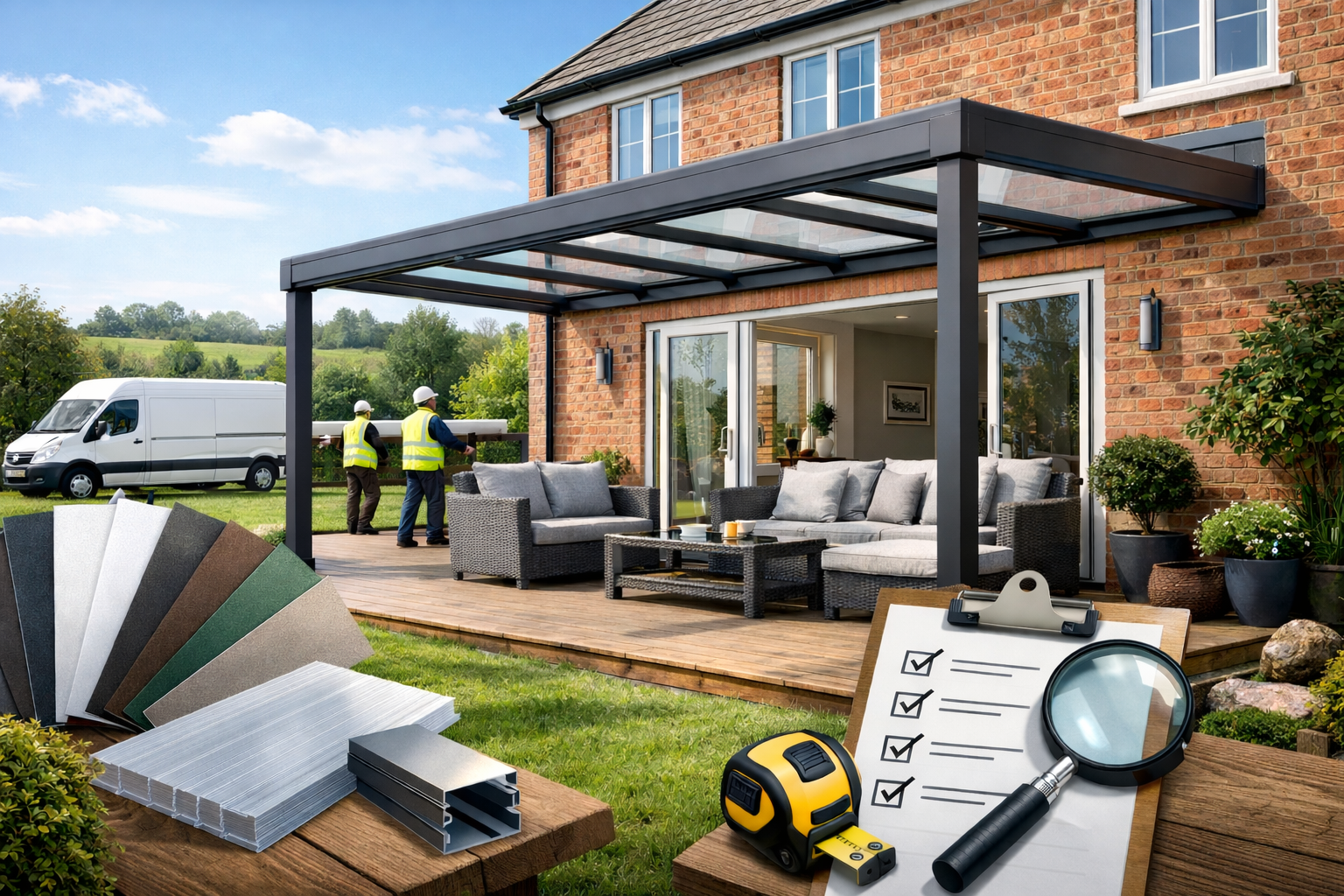
A glass veranda is one of the most stylish and functional ways to extend your living space while enjoying natural light year-round. Whether you want a relaxing outdoor retreat, a dining area, or a weather-protected patio, installing a glass veranda can transform your home. However, the process requires careful planning, the right materials, and attention to detail.

This step-by-step guide will walk you through everything you need to know about glass veranda installation—from planning and preparation to final finishing touches.

What Is a Glass Veranda?

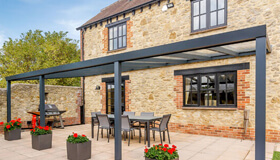
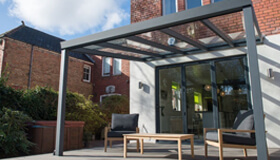
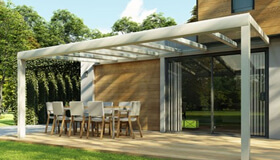
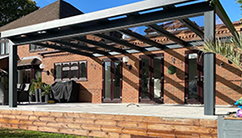
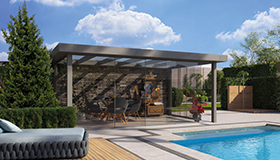
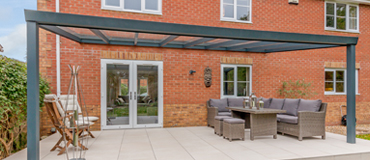
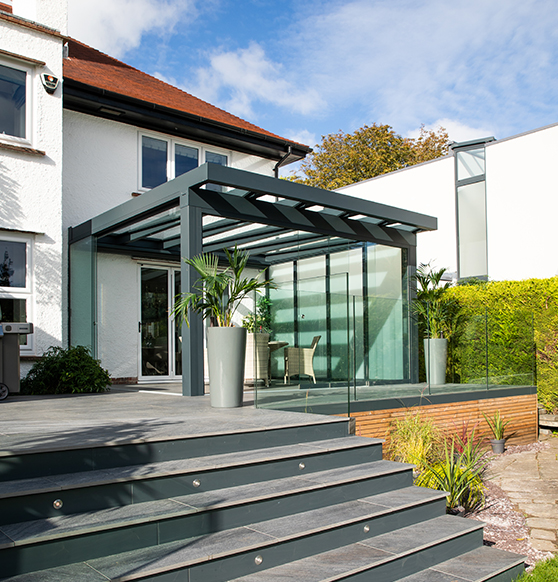
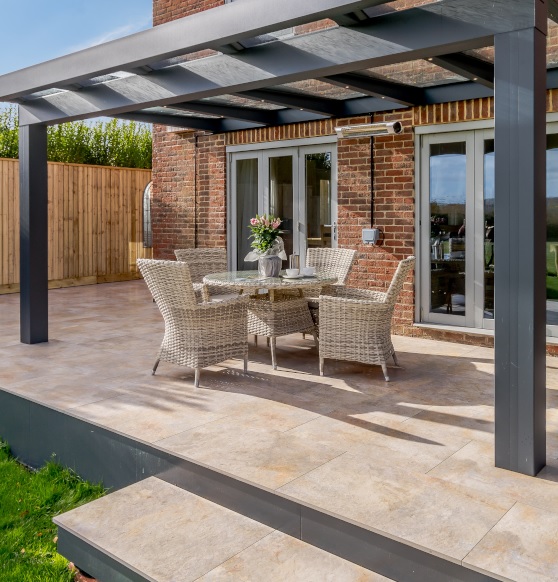
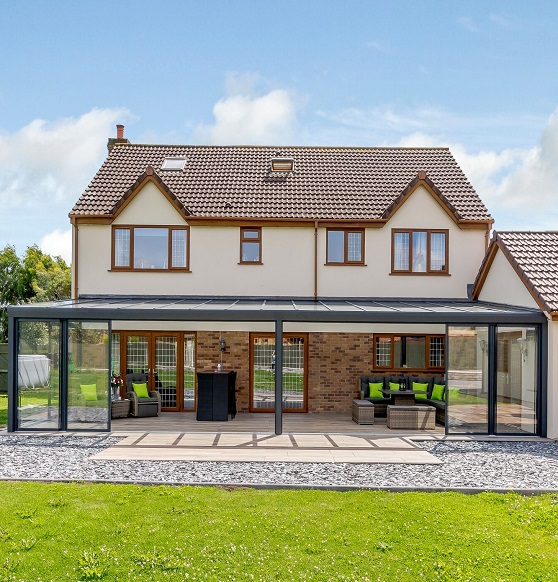
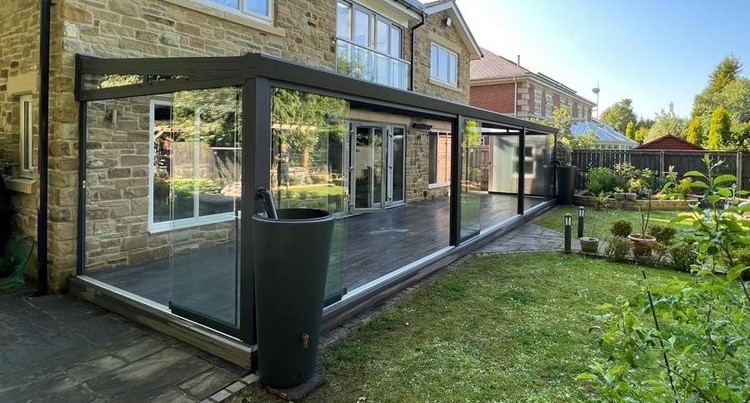
A glass veranda is a covered outdoor structure typically attached to the back or side of a house. It features a glass roof (and sometimes glass sides), supported by aluminium, steel, or wooden frames. Unlike traditional patios, glass verandas allow maximum light while protecting you from rain, wind, and UV exposure.

Step 1: Planning and Design

Before starting installation, proper planning is essential. This stage determines the durability, functionality, and aesthetics of your veranda.

Key considerations:

  • Purpose: Relaxation, dining, or garden extension
  • Size and layout: Measure the available outdoor space
  • Roof type: Lean-to (most common), gable, or freestanding
  • Materials: Aluminum frames are lightweight and rust-resistant, while steel offers strength

You should also consider how the veranda integrates with your home’s architecture to maintain a cohesive look.

Step 2: Check Local Regulations and Permissions

In many regions, installing a glass veranda may require planning permission or building approval, especially if:

  • The structure exceeds height limits
  • It covers a large area
  • It is attached to a listed or protected property

Always check local building codes to avoid legal issues later.

Step 3: Choose the Right Materials

The quality of materials plays a major role in the durability and safety of your veranda.

Essential components:

  • Frame: Aluminium (low maintenance), steel (strong), or wood (classic look)
  • Glass panels: Toughened or laminated safety glass
  • Fixings and brackets: Stainless steel for durability
  • Guttering system: For effective rainwater drainage

High-quality materials ensure resistance to weather, corrosion, and wear over time.

For More information, read our latest blog: https://www.sunspaces.co.uk/news/post/affordable-glass-veranda-cost-guide-budget-friendly-ideas 

Step 4: Prepare the Site

A stable and level base is crucial for a successful installation.

Site preparation includes:

  • Clearing the area of debris
  • Levelling the ground
  • Installing a concrete base or paving slabs
  • Marking the layout according to measurements

Ensure proper drainage to prevent water pooling under the structure.

Step 5: Install the Support Posts

Support posts form the structural foundation of your veranda.

Steps:

  1. Position the posts according to the design layout
  2. Secure them into the ground using concrete footings or anchor bolts
  3. Check alignment using a spirit level

Properly installed posts ensure stability and load-bearing strength.

Step 6: Attach the Wall Plate

The wall plate connects the veranda to your house and supports the roof structure.

Installation process:

  • Fix the wall plate securely to the exterior wall
  • Use heavy-duty bolts and appropriate anchors
  • Ensure it is perfectly level

This step is critical, as it carries a significant portion of the roof load.

Step 7: Install Roof Beams and Rafters

Once the wall plate and posts are in place, you can install the roof framework.

Steps:

  • Attach beams between the wall plate and support posts
  • Install rafters evenly across the structure
  • Secure all joints tightly

Make sure the roof has a slight slope to allow rainwater to drain efficiently.

Step 8: Fit the Glass Panels

This is the most delicate part of the installation.

Important tips:

  • Use toughened safety glass for durability
  • Carefully place panels onto the rafters
  • Secure them using glazing bars or clamps
  • Ensure proper sealing to prevent leaks

Always handle glass panels with care and use protective gear.

Step 9: Install Guttering and Drainage

A proper drainage system prevents water damage and improves longevity.

Steps:

  • Attach gutters along the roof edge
  • Connect the downpipes to direct water away
  • Check for proper flow and alignment

This step ensures your veranda remains functional during heavy rain.

Step 10: Add Optional Features

Enhance your glass veranda with additional features for comfort and style:

  • Side panels or sliding glass doors for wind protection
  • LED lighting for evening use
  • Heating systems for winter comfort
  • Blinds or shades to control sunlight

These upgrades can turn your veranda into a year-round living space.

Step 11: Final Inspection and Finishing

Before using your veranda, perform a thorough inspection.

Check for:

  • Structural stability
  • Proper sealing and waterproofing
  • Secure fittings and joints
  • Smooth drainage system

Clean the glass panels and remove any installation debris for a polished finish.

DIY vs. Professional Installation

While some homeowners choose a DIY approach, installing a glass veranda can be complex.

DIY Pros:

  • Cost savings
  • Full control over design

DIY Cons:

  • Requires technical skills
  • Risk of improper installation

Professional Installation Pros:

  • Expertise and precision
  • Compliance with regulations
  • Warranty and safety assurance

If you’re unsure, hiring professionals is often the safer option.

Maintenance Tips for Long-Term Use

To keep your glass veranda in top condition:

  • Clean glass panels regularly
  • Check seals and joints annually
  • Clear gutters to prevent blockages
  • Inspect for rust or wear on frames

Proper maintenance ensures durability and long-lasting performance.

Common Mistakes to Avoid

Avoid these common installation errors:

  • Poor measurements leading to misalignment
  • Using low-quality materials
  • Ignoring drainage systems
  • Improper sealing is causing leaks
  • Skipping planning permissions

Being aware of these mistakes can save time, money, and frustration.

Final Thoughts

Installing a glass veranda is a rewarding project that enhances both the value and functionality of your home. By following a step-by-step approach—from planning and material selection to installation and maintenance—you can create a beautiful, durable outdoor space that can be enjoyed throughout the year.

Whether you choose a DIY route or hire professionals, careful preparation and attention to detail are the keys to a successful installation. With the right setup, your glass veranda can become the perfect blend of indoor comfort and outdoor beauty.

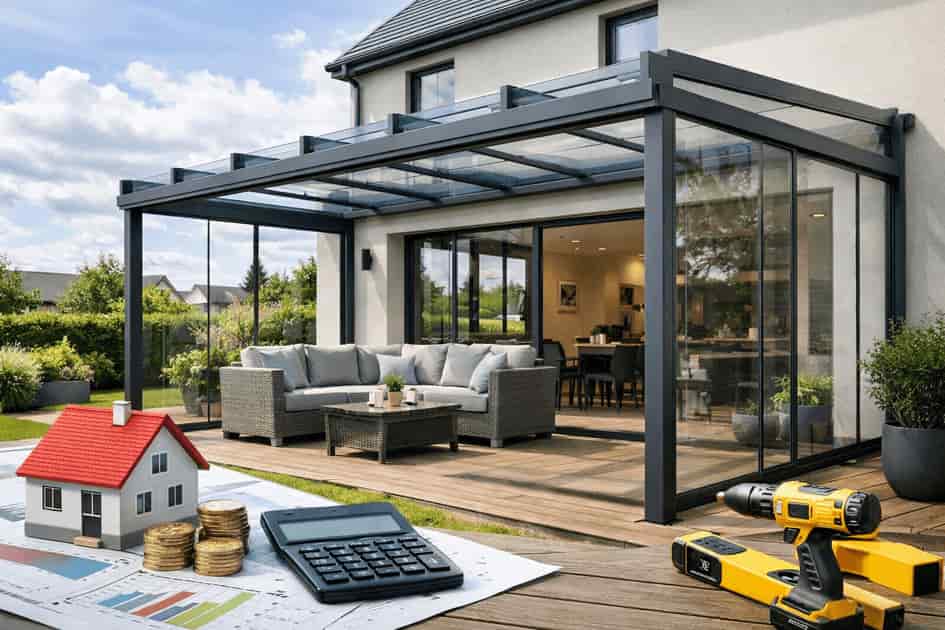
A glass veranda is one of the most stylish and practical ways to extend your living space while enjoying natural light year-round. Whether you want a cosy outdoor seating area or a modern home upgrade, a glass veranda offers both beauty and functionality. However, one of the most common questions homeowners ask is: How much does a glass veranda cost?

In this guide, we’ll break down the costs of affordable glass verandas, the factors that affect pricing, and budget-friendly ideas to help you create your dream space without overspending.

What Is a Glass Veranda?

A glass veranda is a covered outdoor structure attached to your home, typically featuring a glass roof and sometimes glass sides. It allows you to enjoy your garden or patio while being protected from rain, wind, and harsh sunlight.

Glass verandas are popular in modern homes because they:

  • Add aesthetic value
  • Increase usable space
  • Improve natural lighting
  • Boost property value

Read our latest blog: https://www.sunspaces.co.uk/news/post/how-much-does-a-glass-veranda-cost-complete-pricing-breakdown-uk-2026

Average Cost of a Glass Veranda

The cost of a glass veranda can vary depending on size, materials, and design. Here’s a general breakdown:

  • Basic glass veranda: £2,000 – £5,000
  • Mid-range veranda: £5,000 – £10,000
  • High-end/custom veranda: £10,000 – £25,000+

On average, most homeowners spend around £6,000 to £12,000 for a well-designed glass veranda.
Key Factors That Affect Glass Veranda Costs

Understanding what influences the price can help you plan your budget effectively.

1. Size and Dimensions

Larger verandas require more materials and labour, which increases the overall cost. A small patio cover will be significantly cheaper than a full outdoor extension.

2. Type of Glass

Glass quality plays a major role in pricing:

  • Polycarbonate sheets (budget-friendly)
  • Toughened glass (mid-range)
  • Laminated or self-cleaning glass (premium)

Choosing the right glass can balance cost and durability.

3. Frame Material

The structure of your veranda also impacts cost:

  • Aluminium frames – affordable and durable
  • Steel frames – strong but slightly expensive
  • Wood frames – aesthetic but require maintenance

Aluminium is the most popular choice for budget-conscious homeowners.

4. Design and Customisation

Simple, standard designs are more affordable, while custom shapes, curved roofs, or frameless designs increase the price.

5. Installation Costs

Professional installation ensures safety and durability. Installation costs can range from £1,000 to £5,000, depending on complexity.

Budget-Friendly Glass Veranda Ideas

If you’re working with a limited budget, don’t worry—there are plenty of ways to save money while still achieving a beautiful result.

✔ Choose a Lean-To Design

A lean-to veranda attached to your home is one of the most cost-effective options. It uses fewer materials and is easier to install.

✔ Opt for Polycarbonate Roofing

Instead of full glass panels, consider polycarbonate sheets. They are lighter, cheaper, and still provide good protection.

✔ Keep It Simple

Avoid complex designs and stick to clean, minimal structures. Simple designs not only reduce costs but also offer a modern look.

✔ DIY Preparation

While installation should be handled by professionals, you can save money by preparing the area yourself, such as clearing space or laying a basic foundation.

✔ Compare Multiple Quotes

Always get quotes from different suppliers and installers. This helps you find the best deal without compromising quality.

Hidden Costs to Consider

When budgeting for a glass veranda, it’s important to factor in additional expenses that may not be obvious at first:

  • Planning permissions (if required)
  • Groundwork or foundation preparation
  • Lighting and electrical fittings
  • Heating options for year-round use
  • Maintenance and cleaning

Planning can prevent unexpected costs later.

Is a Glass Veranda Worth the Investment?

A glass veranda is more than just an outdoor structure—it’s an investment in your home and lifestyle.

Benefits include:

  • Increased property value
  • Additional living space
  • Enhanced outdoor experience
  • Improved home aesthetics

Even a budget-friendly veranda can significantly improve your home’s appeal and functionality.

Tips to Save Money Without Compromising Quality

Here are some expert tips to keep your costs low while maintaining quality:

  • Choose standard sizes instead of custom builds
  • Buy materials during seasonal discounts
  • Work with experienced installers to avoid costly mistakes
  • Use durable materials that require minimal maintenance
  • Plan your design carefully before starting

Glass Veranda vs Other Alternatives

If you’re comparing options, here’s how glass verandas stack up:

  • Pergolas: Cheaper but less weather protection
  • Conservatories: More expensive but fully enclosed
  • Awnings: Affordable but less durable

Glass verandas offer the perfect balance between cost, style, and functionality.

Frequently Asked Questions (FAQs)

How much does a small glass veranda cost?

A small glass veranda can cost between £2,000 and £5,000, depending on materials and design.

Can I install a glass veranda myself?

While DIY installation is possible, professional installation is recommended for safety and durability.

Does a glass veranda require planning permission?

In most cases, planning permission is not required, but it depends on the size and local regulations.

What is the cheapest material for a veranda roof?

Polycarbonate is the most affordable roofing option.

Final Thoughts

Creating a stylish and functional outdoor space doesn’t have to break the bank. With careful planning, smart material choices, and simple designs, you can build an affordable glass veranda that enhances your home and lifestyle.

Whether you’re looking for a relaxing garden retreat or a modern extension, a glass veranda offers excellent value for money. Focus on your priorities, set a realistic budget, and explore cost-effective options to bring your vision to life.

Call to Action

Ready to transform your outdoor space?
Explore affordable glass veranda options today and start building your perfect home extension without overspending.

A glass veranda is one of the most popular home upgrades in the United Kingdom—offering a stylish, weatherproof outdoor space without the cost of a full extension. But the biggest question homeowners ask is simple: how much does a glass veranda actually cost?

In this complete 2026 pricing guide, we’ll break down real UK costs, price per m², installation charges, and hidden expenses—so you can plan your budget with confidence.

Average Glass Veranda Cost in the UK (2026)

Let’s start with the real numbers.

In 2026, the cost of a glass veranda in the UK typically ranges from:

  • £250 to £600 per m² (basic to mid-range)
  • £600 to £1,200+ per m² (premium designs) 

Typical Total Costs:

  • Small veranda (10 m²): £2,500 – £8,000
  • Medium veranda (20 m²): £5,000 – £15,000
  • Large veranda (30 m²+): £10,000 – £30,000+ 

Most UK homeowners spend around:
£5,000 – £8,500 for a standard installation

Read our latest blog: https://www.sunspaces.co.uk/news/post/glass-veranda-cost-calculator-estimate-your-budget-easily

Cost Breakdown by Type

1. Budget Glass Veranda (£250–£400/m²)

  • Aluminium frame
  • Standard toughened glass
  • Simple lean-to design

✔ Best for: Small patios and budget-friendly upgrades

2. Mid-Range Veranda (£400–£700/m²)

  • Powder-coated aluminium
  • Laminated safety glass
  • Improved durability and finish

✔ Most popular choice in the UK

3. Premium Glass Veranda (£700–£1,200+/m²)

  • Frameless or designer structures
  • High-end glass (solar control, self-cleaning)
  • Integrated lighting or automation

✔ Best for luxury homes and bespoke designs

Installation Costs in the UK

Installation is a major part of the overall cost and is often overlooked.

Typical Installation Charges:

  • £1,500 to £5,000+, depending on size and complexity

What’s Included:

  • Site preparation
  • Frame assembly
  • Glass panel installation
  • Finishing work

More complex installations (uneven ground, drainage, custom fittings) can increase costs significantly.

Real-Life UK Price Examples

To give you a realistic picture, here’s what homeowners are actually paying:

  • 3m x 2m veranda: £3,500 – £4,500
  • 4m x 3m veranda: £4,500 – £6,500
  • 6m x 4m veranda: £7,000 – £10,000+

Entry-level installations usually start from around £3,500–£5,000, while premium builds can exceed £15,000+.

Key Factors That Affect Glass Veranda Costs

No two verandas cost the same. Here’s what drives the price:

1. Size of the Veranda

The biggest cost factor.
Each additional metre can add £800–£1,500 to your total. 

2. Type of Glass

  • Standard glass → cheaper
  • Laminated safety glass → mid-range
  • Solar-control or self-cleaning glass → premium

Upgrades can add £500–£2,000+ to the cost.

3. Frame Material

  • Aluminium (most common and affordable)
  • Steel (premium and more expensive)

Powder-coated or custom finishes also increase cost.

4. Design Complexity

  • Lean-to veranda → cheapest
  • Bespoke or wraparound designs → more expensive

5. Additional Features

Extras can significantly raise the price:

  • LED lighting
  • Heating systems
  • Sliding glass doors
  • Blinds or shading systems

Hidden Costs to Consider

Many homeowners underestimate these additional expenses:

1. Ground Preparation

If your patio or foundation needs work, costs can rise.

2. Drainage Systems

Integrated drainage adds to installation complexity.

3. Planning Permission

Most verandas fall under permitted development, but exceptions apply:

  • Listed buildings
  • Large or unusual designs

4. Maintenance Costs

  • Cleaning glass panels
  • Occasional repairs

Glass Veranda vs Conservatory: Cost Comparison

Feature

Glass Veranda

Conservatory

Average Cost

£5,000 – £10,000

£10,000 – £30,000+

Installation Time

1–3 days

Several weeks

Planning Permission

Often not required

Often required

Use

Outdoor living

Indoor extension

A glass veranda is a more affordable and quicker alternative to a conservatory.

Is a Glass Veranda Worth the Cost?

For many UK homeowners, the answer is yes.

Benefits:

  • Extends outdoor living space
  • Adds property value
  • Protects against rain and weather
  • Modern, stylish appearance

Considerations:

  • Limited insulation compared to extensions
  • Can get warm in summer without shading
  • Requires occasional maintenance

Tips to Save Money on a Glass Veranda

  • Choose a standard size instead of a bespoke design
  • Compare multiple quotes from UK installers
  • Opt for mid-range materials instead of premium upgrades
  • Install during off-peak seasons

Final Thoughts

So, how much does a glass veranda cost in the UK?

Expect to pay anywhere from £3,500 to £15,000+, depending on size, materials, and features.

For most homeowners, a realistic budget sits around:
£5,000 to £8,500 for a quality installation

A glass veranda is a smart investment if you want to enhance your outdoor space without the cost and complexity of a full extension.

Planning to add a glass veranda to your home is an exciting upgrade—it enhances your outdoor living space, boosts property value, and creates a seamless indoor-outdoor experience. But before you move forward, one key question arises: How much will it cost?

A glass veranda cost calculator helps you estimate your budget quickly and accurately. In this guide, we’ll break down costs, influencing factors, and how to calculate your veranda investment in a simple, modern way.

What Is a Glass Veranda Cost Calculator?

A glass veranda cost calculator is a simple method (or tool) used to estimate the total cost of installing a veranda based on:

  • Size (square meters or feet)
  • Materials used
  • Design complexity
  • Installation charges

Instead of guessing, you can get a realistic budget range before contacting installers.

Average Glass Veranda Costs in 2026

The cost of a glass veranda can vary significantly depending on your requirements.

Estimated Price Range:

  • Basic veranda: ₹5,000 – ₹8,000 per m²
  • Mid-range design: ₹8,000 – ₹15,000 per m²
  • Luxury veranda: ₹15,000 – ₹30,000+ per m²

For a typical 10m² veranda:

  • Basic: ₹50,000 – ₹80,000
  • Premium: ₹1.5 lakh – ₹3 lakh+

Read our latest blog: https://www.sunspaces.co.uk/news/post/real-glass-veranda-costs-what-homeowners-actually-pay-2026-guide 

Key Factors That Affect Glass Veranda Costs

Understanding these factors will help you calculate your budget more accurately.

1. Size of the Veranda

The larger the structure, the higher the cost.

Formula:

Cost = Area (m²) × Price per m²

Even a small increase in size can significantly impact your budget.

2. Type of Glass Used

Glass quality plays a major role in pricing.

  • Standard toughened glass: Affordable
  • Laminated glass: Safer and stronger
  • Tinted or UV-protected glass: Premium option

Higher-quality glass increases both durability and cost.

3. Frame Material

The frame supports the entire structure.

Common options:

  • Aluminium (most popular and cost-effective)
  • Steel (strong but expensive)
  • uPVC (budget-friendly)

Aluminium is often the best balance between cost and durability.

4. Roof Style and Design

Design complexity affects labour and material costs.

  • Lean-to (simple and affordable)
  • Gable roof (mid-range)
  • Custom architectural design (expensive)

The more complex the design, the higher the cost.

5. Installation Charges

Labour costs vary based on:

  • Location
  • Project difficulty
  • Contractor expertise

Typically, installation can add 20%–40% to the total cost.

6. Additional Features

Optional upgrades can increase your budget:

  • LED lighting
  • Sliding glass doors
  • Heating systems
  • Motorized blinds

While optional, these features improve comfort and usability.

How to Calculate Your Glass Veranda Cost (Step-by-Step)

Here’s a simple way to estimate your budget manually:

Step 1: Measure the Area

Example:
Length = 4m
Width = 3m

Area = 4 × 3 = 12 m²

Step 2: Choose Price Range

Let’s assume mid-range pricing: ₹10,000 per m²

Step 3: Multiply Area by Cost

12 × 10,000 = ₹1,20,000

Step 4: Add Installation Cost (30%)

₹1,20,000 + ₹36,000 = ₹1,56,000

Step 5: Add Extras (Optional)

Final estimate: ₹1.5 lakh – ₹2 lakh

Why Use a Cost Calculator Before Buying?

Using a cost calculator gives you a clear advantage:

1. Better Budget Planning

You avoid unexpected expenses and plan finances effectively.

2. Compare Options Easily

You can test different sizes, materials, and designs.

3. Avoid Overpaying

Having an estimate helps you negotiate better with contractors.

4. Faster Decision-Making

You can finalise your project without delays.

Smart Tips to Reduce Glass Veranda Costs

Want to save money without compromising quality? Here’s how:

1. Choose Standard Sizes

Custom designs cost more—standard dimensions are cheaper.

2. Opt for Aluminium Frames

They offer durability at a lower cost compared to steel.

3. Limit Premium Add-ons

Only include features you truly need.

4. Compare Multiple Quotes

Always get at least 2–3 quotes from contractors.

5. Plan During Off-Season

Prices may be lower when demand is less.

Common Mistakes to Avoid

Even small mistakes can increase your overall cost.

  • Ignoring installation charges
  • Choosing cheap materials that require frequent repairs
  • Not checking warranties
  • Overdesigning beyond your budget

A cost calculator helps you avoid these pitfalls.

Is a Glass Veranda Worth the Investment?

Absolutely—if planned correctly.

Benefits include:

  • Increased property value
  • Extra usable space
  • Better aesthetics
  • Year-round usability

In many cases, a well-designed veranda can offer excellent ROI, especially in modern homes.

Final Thoughts

A glass veranda is more than just an extension—it’s an upgrade to your lifestyle. But smart planning is key. By using a glass veranda cost calculator, you can estimate your budget accurately, avoid surprises, and make confident decisions.

Quick Recap

  • Costs depend on size, materials, and design
  • Average price ranges from ₹5,000 to ₹30,000+ per m²
  • Installation adds 20%–40% to the total cost
  • A calculator helps you plan, compare, and save

If you’ve been researching glass verandas, you’ve probably noticed one thing: prices are all over the place. Some websites promise a veranda for a few thousand, while others quote luxury installations that rival a small extension. So what do homeowners actually pay in 2026?

This guide breaks down real glass veranda costs, based on current market data, real homeowner experiences, and what drives the final price—so you can budget accurately and avoid surprises.

What Is a Glass Veranda?

A glass veranda is a fixed outdoor structure attached to your home, usually built with an aluminium frame and a glass roof. It creates a sheltered space that still feels open—perfect for relaxing, dining, or entertaining year-round.

Think of it as a middle ground between a patio cover and a conservatory—but at a much lower cost.

Average Glass Veranda Cost in 2026

Let’s get straight to the numbers.

Typical price ranges homeowners are paying:

  • £250 – £600 per m² (basic to mid-range)
  • £600 – £1,200+ per m² (premium installations)

Real total costs:

  • Small veranda (10 m²): £2,500 – £8,000
  • Medium veranda (20 m²): £5,000 – £15,000
  • Large veranda (30 m²+): £10,000 – £30,000+

Most homeowners in 2026 realistically spend:

£5,000 – £8,500 for a standard installation

Real-Life Price Examples

To make this more practical, here’s what people are actually paying:

  • 3m x 2m veranda → £3,500 – £4,500
  • 4m x 3m veranda → £4,500 – £6,500
  • 6m x 4m veranda → £7,000 – £10,000+

From homeowner discussions online:

A 6m x 3m veranda was quoted around €20,000 (~£17k) for a high-end setup

This shows how premium features and size quickly push costs up.

Read our latest blog: https://www.sunspaces.co.uk/news/post/glass-veranda-cost-breakdown-materials-labour-and-hidden-costs

Cost Per m² Breakdown (What You Get)

1. Budget Veranda (£250–£400/m²)

  • Basic aluminium frame
  • Standard glass
  • Simple lean-to design

✔ Best for: small patios, tight budgets

2. Mid-Range Veranda (£400–£700/m²)

  • Powder-coated aluminium
  • Laminated safety glass
  • Better durability and finish

✔ Most popular choice in 2026

3. Premium Veranda (£700–£1,200+/m²)

  • Frameless or designer look
  • Smart lighting & automation
  • High-end glass and structure

✔ Best for luxury homes

Installation Costs (Often Overlooked)

Installation is where many budgets go wrong.

Typical installation costs:

  • £1,500 – £5,000+ depending on complexity

This usually includes:

  • Site preparation
  • Frame assembly
  • Glass fitting
  • Finishing work

Complex jobs (uneven ground, drainage, custom fitting) cost significantly more.

What Actually Drives the Cost?

1. Size (Biggest Factor)

Every extra metre increases:

  • Materials
  • Labour
  • Structural support

Even adding 1 metre can increase costs by £800–£1,500 

2. Type of Glass

  • Standard glass → cheapest
  • Laminated glass → safer, more expensive
  • Solar-control glass → premium upgrade

Upgrades can add £500–£2,000+

3. Frame Material & Finish

  • White aluminium → most affordable
  • Custom colours/woodgrain → higher cost
  • Steel frames → premium pricing

4. Design Complexity

  • Lean-to veranda → cheapest
  • Bespoke or frameless → expensive

More design = more labour + engineering.

5. Extras & Add-Ons

This is where budgets can double.

Common upgrades:

  • LED lighting
  • Infrared heaters
  • Glass sliding doors
  • Side panels

These can add £1,000 – £5,000+ 

Hidden Costs Most People Miss

Many homeowners underestimate these:

  • Ground preparation
  • Drainage systems
  • Planning permission (if required)
  • Maintenance (cleaning the glass roof)

Even small extras can add 10–20% to your total cost.

Glass Veranda vs Conservatory (Cost Reality)

Feature

Glass Veranda

Conservatory

Cost

£3K – £15K

£10K – £40K+

Installation

Quick

Longer

Usage

Semi-outdoor

Fully enclosed

Maintenance

Low

Moderate


A veranda is far more cost-effective while still adding usable space.

How to Save Money (Without Regret)

Here’s what smart homeowners do:

✔ Choose standard sizes

Custom designs = higher costs

✔ Limit unnecessary extras

Only add what you’ll actually use

✔ Compare multiple quotes

Always get at least 3

✔ Install off-season

Winter installations can be cheaper

Is a Glass Veranda Worth the Cost?

For most homeowners, yes.

A well-built glass veranda offers:

  • Extra living space
  • Protection from the weather
  • Increased property value
  • Modern aesthetic upgrade

And compared to extensions, it delivers high impact at a lower cost.

Final Verdict: What Should You Budget?

If you want a realistic expectation in 2026:

  • Budget option: £3,000 – £5,000
  • Typical homeowner spend: £5,000 – £8,500
  • High-end installation: £10,000 – £20,000+

The “real cost” isn’t just the structure—it’s the size, design, and upgrades you choose.

Bottom Line

Glass veranda prices aren’t as confusing as they seem once you break them down. Most homeowners land in the mid-range—not the cheapest or most expensive option.

If you plan smartly, compare quotes, and avoid unnecessary upgrades, you can get a beautiful, functional veranda without overspending.

Adding a glass veranda to your home is one of the smartest ways to enhance both aesthetics and functionality. It creates a beautiful indoor-outdoor space, increases property value, and allows you to enjoy natural light all year round. However, before starting your project, it’s essential to understand the full cost breakdown—including materials, labour, and hidden expenses that many homeowners overlook.

In this guide, we’ll break down everything you need to know about glass veranda costs in 2026, helping you plan your budget wisely and avoid surprises.

What Is a Glass Veranda?

A glass veranda is an outdoor structure typically attached to your home, featuring a glass roof and sometimes glass sides. It offers protection from the weather while maintaining an open, airy feel. These structures are commonly used as patios, garden seating areas, or extended living spaces.

Average Cost of a Glass Veranda in 2026

The total cost of a glass veranda depends on size, design, and materials. On average:

  • Basic glass veranda: ₹1,500 – ₹3,000 per sq. ft.
  • Mid-range veranda: ₹3,000 – ₹6,000 per sq. ft.
  • High-end/custom veranda: ₹6,000 – ₹12,000+ per sq. ft.

For a standard 150 sq. ft. veranda, the total cost can range between ₹2.25 lakh and ₹18 lakh or more.

1. Material Costs Breakdown

Materials form the biggest portion of your glass veranda budget. Choosing high-quality materials ensures durability and long-term value.

Glass Panels

Glass is the defining element of the structure. The type of glass you choose significantly impacts cost:

  • Toughened glass – Strong and safe, ideal for roofs
  • Laminated glass – Extra safety with layered protection
  • Double-glazed glass – Better insulation but higher cost

Estimated cost:

  • ₹400 – ₹1,500 per sq. ft. depending on thickness and quality

Frame Materials

The frame supports the structure and determines durability and style.

  • Aluminium frames (most popular): Lightweight, rust-resistant, affordable
  • Steel frames: Strong but require maintenance
  • Wooden frames: Premium look, but expensive and high maintenance

Estimated cost:

  • ₹800 – ₹2,500 per sq. ft.

Roofing System

The roof can be fully glass or a mix of glass and polycarbonate panels.

  • Glass roofing: Premium and visually appealing
  • Polycarbonate roofing: Budget-friendly alternative

Estimated cost:

  • ₹500 – ₹2,000 per sq. ft.

Additional Features

Optional features can increase costs but improve usability:

  • Sliding glass doors
  • Integrated lighting
  • Heating systems
  • Motorized blinds

Estimated cost:

  • ₹50,000 – ₹3 lakh+ depending on customization

Read our latest blog: https://www.sunspaces.co.uk/news/post/glass-veranda-prices-in-2026-cost-per-m-and-installation-guide

2. Labour Costs Explained

Labour is another major component of your total expense. It includes installation, fabrication, and finishing work.

Installation Charges

Professional installation ensures safety and durability. Labour costs typically include:

  • Structure assembly
  • Glass fitting
  • Sealing and waterproofing

Estimated labour cost:

  • ₹300 – ₹800 per sq. ft.

Design & Engineering Costs

If your veranda requires custom design or structural calculations, additional charges may apply.

  • Architect or designer fees: ₹20,000 – ₹1 lakh+
  • Structural engineer consultation: ₹10,000 – ₹50,000

Site Preparation

Before installation, the site may need preparation:

  • Ground leveling
  • Foundation work
  • Removing existing structures

Estimated cost:

  • ₹10,000 – ₹1 lakh depending on complexity

3. Hidden Costs You Shouldn’t Ignore

Many homeowners underestimate these costs, which can significantly impact the final budget.

Permissions & Regulations

Depending on your location, you may need approvals or permits.

  • Municipal permissions
  • Society approvals

Estimated cost:

  • ₹5,000 – ₹50,000

Transportation & Delivery

Transporting glass panels and frames requires careful handling.

  • Delivery charges vary based on distance and size

Estimated cost:

  • ₹5,000 – ₹30,000

Maintenance Costs

Glass verandas require regular cleaning and occasional repairs.

  • Cleaning services: ₹1,000 – ₹5,000 per session
  • Sealant replacement and minor repairs over time

Drainage & Waterproofing

Improper drainage can cause leakage issues.

  • Gutter systems
  • Waterproof coatings

Estimated cost:

  • ₹10,000 – ₹50,000

Electrical Work

If you plan to install lighting, fans, or heaters, electrical work adds to the budget.

Estimated cost:

  • ₹10,000 – ₹1 lakh+

4. Factors That Affect Glass Veranda Cost

Several factors influence the final price:

Size of the Veranda

Larger verandas require more materials and labour, increasing total cost.

Design Complexity

Custom shapes, curved glass, or unique layouts cost more.

Location

Costs vary depending on city, labour rates, and material availability.

Quality of Materials

Premium materials increase upfront costs but reduce maintenance expenses.

5. Cost-Saving Tips

If you want a stylish glass veranda without overspending, consider these tips:

  • Choose aluminium frames for affordability and durability
  • Use polycarbonate roofing in non-visible areas
  • Keep the design simple and functional
  • Compare quotes from multiple contractors
  • Plan everything to avoid last-minute changes

6. Is a Glass Veranda Worth the Investment?

Despite the costs, a glass veranda offers excellent value:

  • Enhances property aesthetics
  • Increases usable living space
  • Boosts property resale value
  • Provides year-round outdoor enjoyment

When designed properly, it becomes a long-term investment rather than just an expense.

Conclusion

A glass veranda is a beautiful addition to any home, but understanding the complete cost breakdown is crucial before starting your project. From materials and labour to hidden costs like permissions and maintenance, every element contributes to the final budget.

By planning carefully, choosing the right materials, and working with experienced professionals, you can create a stunning glass veranda that fits your budget and enhances your lifestyle.

A glass veranda is one of the most stylish and practical ways to enhance your outdoor living space. Whether you want to create a relaxing patio, protect your garden seating, or add value to your home, understanding glass veranda prices in 2026 is essential before making a decision.

In this guide, we’ll break down cost per m², installation charges, factors affecting pricing, and expert tips—so you can plan your investment smartly.

How Much Does a Glass Veranda Cost in 2026?

On average, glass veranda prices in 2026 range between:

  • £250 to £600 per m² (basic to mid-range)
  • £600 to £1,200+ per m² (premium designs)

* Total cost depends on size, materials, and customisation.

Example Cost Estimates:

  • Small veranda (10 m²): £2,500 – £8,000
  • Medium veranda (20 m²): £5,000 – £15,000
  • Large veranda (30 m²+): £10,000 – £30,000+

Cost Per m² Breakdown

Understanding cost per square meter helps you estimate your budget accurately.

Basic Glass Veranda (£250–£400/m²)

  • Aluminium frame
  • Standard glass panels
  • Simple design

* Ideal for budget-conscious homeowners

Mid-Range Veranda (£400–£700/m²)

  • Powder-coated aluminium
  • Stronger safety glass
  • Better durability

* Most popular choice in 2026

Premium Veranda (£700–£1,200+/m²)

  • Frameless or designer structures
  • Smart lighting & automation
  • High-end materials

* Best for luxury homes

Read our latest blog: https://www.sunspaces.co.uk/news/post/glass-veranda-rules-that-could-save-you-thousands-(planning-guide)

Installation Costs Explained

Installation is a major part of the overall cost.

Typical Installation Charges:

  • £1,500 – £5,000+ depending on size and complexity

What’s Included?

  • Site preparation
  • Frame installation
  • Glass panel fitting
  • Finishing work

* Complex installations (sloped roofs, custom fittings) cost more.

Factors That Affect Glass Veranda Prices

Several factors influence the final cost:

1. Size of the Veranda

Larger areas increase material and labour costs.

2. Type of Glass

  • Standard glass → cheaper
  • Laminated or toughened glass → more expensive but safer

3. Frame Material

  • Aluminium (most common)
  • Steel (premium & costly)

4. Design Complexity

  • Simple lean-to → affordable
  • Bespoke designs → higher cost

5. Additional Features

  • LED lighting
  • Heating systems
  • Sliding doors

* These can increase the price significantly.

Do You Need Planning Permission?

In many cases, glass verandas fall under permitted development.

No permission needed if:

  • Height and size limits are followed
  • Attached to the rear of the property

You may need permission if:

  • You live in a listed building
  • The structure exceeds the allowed dimensions

* Always check local regulations before installation.

Glass Veranda vs Conservatory: Cost Comparison

Feature

Glass Veranda

Conservatory

Cost

Lower

Higher

Installation Time

Quick

Longer

Usage

Semi-outdoor

Fully enclosed

Maintenance

Low

Moderate

* A glass veranda is a cost-effective alternative to a conservatory.

Tips to Save Money on Glass Veranda Installation

Choose Standard Sizes

Custom designs cost more—stick to standard dimensions when possible.

Compare Multiple Quotes

Get at least 3 quotes from installers.

Install in Off-Season

Winter installations may offer discounts.

Avoid Unnecessary Add-ons

Only choose features you truly need.

For more information, read our blog: https://www.sunspaces.co.uk/news/post/planning-permission-for-garden-rooms-and-verandas-your-2025-checklist

Is a Glass Veranda Worth the Investment?

Absolutely. A glass veranda offers:

✔ Increased property value
✔ Extended living space
✔ Protection from the weather
✔ Modern aesthetic appeal

In 2026, homeowners are increasingly investing in outdoor upgrades, making verandas a smart long-term choice.

Future Trends in Glass Verandas (2026 & Beyond)

  • Smart glass technology
  • Solar-integrated roofing
  • Minimalist frameless designs
  • Eco-friendly materials

These trends may influence pricing but also increase value.

Conclusion

Understanding glass veranda prices in 2026 helps you make a well-informed decision. With costs ranging from £250 to £1,200 per m², there are options available for every budget.

By considering factors like size, materials, and installation complexity, you can plan your project effectively and avoid unexpected expenses.

Whether you’re upgrading your home or creating a stylish outdoor retreat, a glass veranda is a smart investment that combines functionality with elegance.

There’s something quietly magical about spaces that blur the line between inside and outside. You step out with your morning coffee and realise you’re still in the comfort of your home—just closer to the sky, the garden, and the light. Over the past decade, homeowners have become far more intentional about how they use their homes, and one trend that continues to stand out is the rise of luxury outdoor living spaces.

Whether it’s a refined glass extension, a beautifully designed glass veranda, or a fully enclosed glass room, modern homes are evolving. They’re no longer about strict boundaries. Instead, they’re about flow—how light moves, how spaces connect, and how daily living feels more open and effortless.

At the forefront of this shift is Sunspaces, a brand known for creating bespoke solutions that genuinely elevate how homes are experienced.

Why Outdoor Living Spaces Are More Than a Trend

A few years ago, outdoor living spaces were mostly seasonal luxuries—used mainly during summer barbecues or garden parties. Today, they’ve become year-round lifestyle upgrades.

This change didn’t happen overnight. It’s rooted in how people now value their homes. We want spaces that feel calm, adaptable, and emotionally uplifting. A well-designed outdoor living area offers exactly that.

Instead of viewing your garden as separate from your home, it becomes an extension of your daily life. A place where you work, unwind, entertain, and spend slow Sunday mornings. And because these spaces are thoughtfully engineered, they remain comfortable through changing seasons.

The Appeal of Seamless Indoor-Outdoor Living

What makes luxury outdoor living spaces so compelling isn’t just aesthetics—it’s the experience.

Imagine sliding open glass panels and stepping into a space where natural light floods in, greenery frames your view, and the air feels fresher. You’re technically outside, but without sacrificing comfort.

This seamless transition is especially powerful in the UK climate, where weather can be unpredictable. A smartly designed glass room or glass veranda gives you the best of both worlds: openness without exposure.

And it’s not just about lifestyle. These spaces also add real, tangible value to your home—both emotionally and financially.

Glass Extensions: Expanding Without Compromising

A glass extension is often the first choice for homeowners who want to expand their living area without disrupting the character of their home.

Unlike traditional brick extensions, glass extensions feel lighter and more contemporary. They allow natural light to pour in while maintaining a visual connection with the outdoors. Kitchens become brighter. Dining areas feel more inviting. Even smaller homes suddenly feel more spacious.

The beauty of a glass extension lies in its versatility. It can function as:

  • A light-filled kitchen extension
  • A garden-facing lounge
  • A statement dining area
  • A modern home office

Because glass extensions are highly customisable, they can be tailored to complement both period properties and modern builds. Done right, they don’t look like add-ons—they feel like they’ve always belonged.

Glass Verandas: Effortless Outdoor Elegance

If you’re looking for a more open structure that still offers shelter and sophistication, glass verandas are a natural choice.

A glass veranda creates a refined outdoor living area that protects you from rain while keeping the space airy and open. It’s perfect for homeowners who want to enjoy their garden more often without committing to a fully enclosed build.

There’s a certain understated luxury to glass verandas. They don’t try too hard, yet they transform how you use your outdoor space.

Under a glass veranda, everyday moments feel elevated:

  • Morning tea feels calmer
  • Evening dinners feel more atmospheric
  • Rain becomes something you enjoy watching, not avoiding

And because of their minimalist design, glass verandas complement almost any architectural style.

Glass Rooms: Year-Round Outdoor Living

For those who want maximum usability, glass rooms offer the ultimate solution.

A glass room is essentially a fully enclosed outdoor living space that can be used throughout the year. With sliding glass panels, integrated lighting, and optional heating, these spaces remain functional even in colder months.

What sets glass rooms apart is their adaptability. One day it’s a cosy reading retreat. The next, it’s an entertaining hub. With the right design, it can even double as a wellness space or garden office.

More importantly, glass rooms create a sense of retreat without isolation. You’re still connected to nature—the changing light, the sound of rain, the view of the garden—but in total comfort.

The Emotional Value of Natural Light

One element that ties all outdoor living spaces together is natural light.

We often underestimate how much light shapes our mood and energy. Dark interiors can feel heavy, especially during long winters. By introducing glass structures—whether a glass extension or glass veranda—you invite light back into your daily life.

Brighter spaces tend to feel:

  • More uplifting
  • More spacious
  • More welcoming

And this isn’t just anecdotal. Many homeowners report spending more time in areas that receive abundant daylight. It subtly changes how a home is lived in.

Design That Balances Beauty and Practicality

Luxury doesn’t always mean extravagant. Often, it’s about thoughtful design that balances form and function.

High-quality outdoor living spaces are engineered to last. From powder-coated aluminium frames to precision glazing, every detail contributes to durability and performance.

Modern designs also incorporate practical features like:

  • Integrated drainage systems
  • Weather-resistant materials
  • Energy-efficient glazing
  • Low-maintenance finishes

This means your investment isn’t just visually appealing—it’s built for real-life use.

Adding Value Without Overcomplicating Renovations

One of the reasons outdoor living spaces have gained popularity is their relatively straightforward installation compared to traditional renovations.

A glass veranda or glass room can often be installed faster than a full structural extension. Yet the visual and functional impact is immediate.

From a property perspective, well-designed glass additions can:

  • Increase kerb appeal
  • Improve perceived space
  • Enhance resale value

Buyers are increasingly drawn to homes that offer flexible living areas, and outdoor living spaces tick that box beautifully.

Tailored Solutions for Modern Lifestyles

No two homes—or homeowners—are exactly alike. That’s why bespoke design plays such a big role in luxury outdoor living.

Some families want open entertaining spaces. Others want quiet retreats. Some prioritise modern aesthetics, while others prefer something more classic.

The best solutions aren’t off-the-shelf—they’re tailored. From frame finishes to glazing options, every detail can be customised to reflect how you actually live.

This approach aligns closely with what Google emphasises in its EEAT (Experience, Expertise, Authoritativeness, Trustworthiness) principles: authentic, experience-driven solutions built on real expertise.

In other words, thoughtful design matters. And homeowners are increasingly choosing brands that prioritise craftsmanship and credibility.

Sustainability and Smarter Living

Another factor driving the popularity of glass outdoor living spaces is sustainability.

Modern glazing technology has evolved significantly. Today’s glass structures are designed to maximise insulation and minimise energy loss. This means you can enjoy brighter spaces without dramatically increasing heating costs.

By improving natural light and passive warmth, glass extensions and glass rooms can even reduce the need for artificial lighting during the day.

And because many systems use durable, recyclable materials like aluminium and glass, they align well with environmentally conscious home improvements.

Creating a Lifestyle, Not Just a Space

Perhaps the biggest shift we’re seeing is how homeowners think about value.

It’s no longer just about square footage. It’s about how a space feels.

Luxury outdoor living spaces encourage slower living. They invite you to pause, step outside, and reconnect with simple pleasures—fresh air, greenery, natural light.

It’s the difference between having a house and truly enjoying your home.

Choosing the Right Outdoor Living Solution

If you’re considering investing in an outdoor living upgrade, the best starting point is clarity. Think about how you want to use the space.

Ask yourself:

  • Do I want something open and airy? (Glass veranda)
  • Do I need a fully usable year-round space? (Glass room)
  • Am I looking to expand my interior living area? (Glass extension)

Once you know your priorities, the design process becomes much more intuitive.

Working with experienced specialists ensures every detail—from structural integrity to aesthetic harmony—is handled with care.

Final Thoughts: Where Indoors and Outdoors Meet

Homes are evolving, and so are the ways we experience them. The rise of outdoor living spaces reflects a deeper shift toward comfort, flexibility, and meaningful design.

Whether it’s a sleek glass extension that transforms your kitchen, a minimalist glass veranda that elevates your garden, or a serene glass room that becomes your personal retreat, these spaces redefine what modern living looks like.

They don’t just add square metres—they add moments. Morning light across the table. Rain tapping gently on glass. Evenings that linger a little longer.

And that’s the real luxury: spaces that feel as good as they look, bringing indoors and outdoors together in a way that feels effortless, natural, and timeless.