When designing or upgrading your home, outdoor spaces play a major role in both functionality and aesthetics. Three commonly confused terms—veranda, balcony, and patio—often appear similar but serve different purposes and come with distinct features. Understanding their differences can help you choose the right option for your lifestyle, space, and budget.
In this guide, we’ll break down everything you need to know about verandas, balconies, and patios—so you can make an informed decision.
What Is a Veranda?
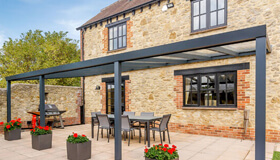
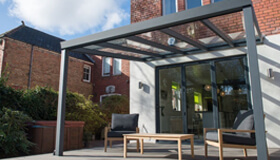
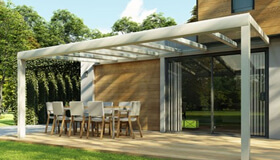
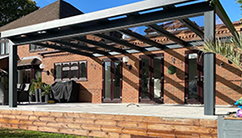
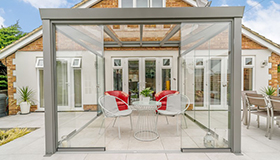
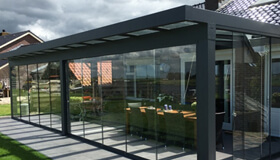
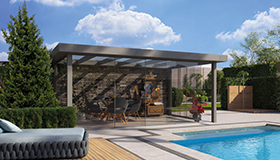
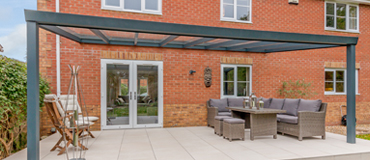
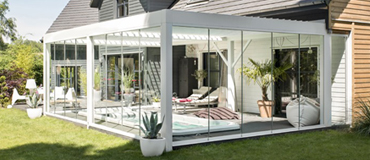
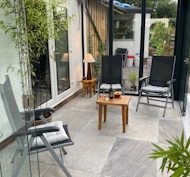
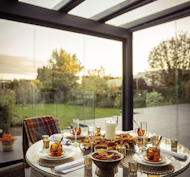
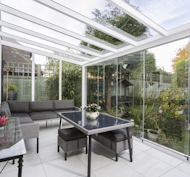
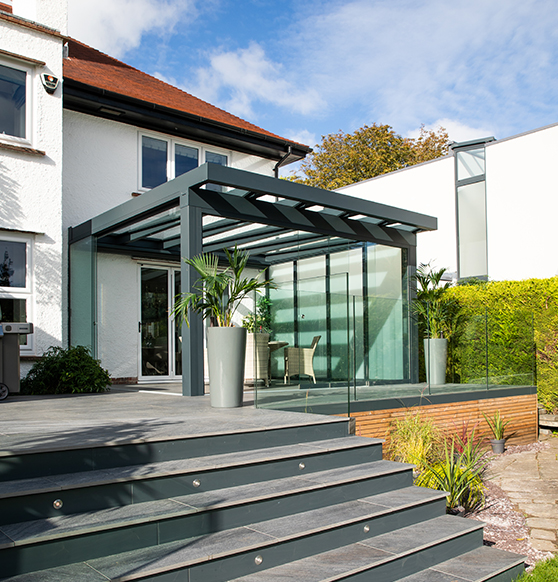
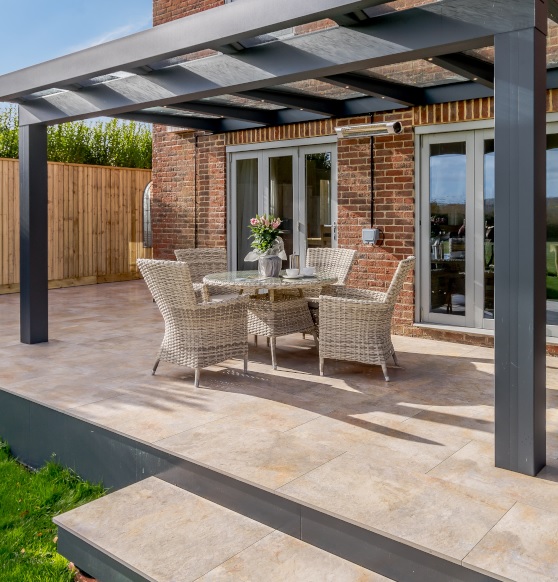
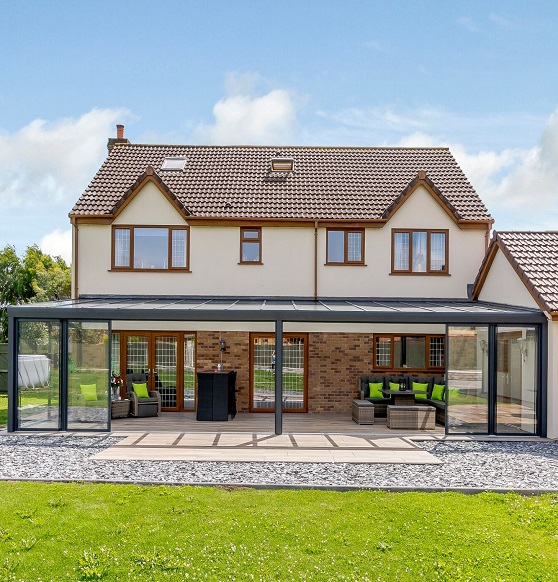
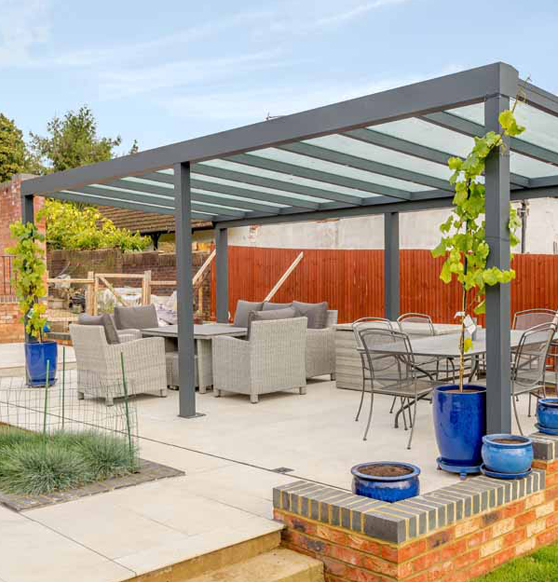
A veranda (also spelt verandah) is a roofed, open-air structure attached to the ground floor of a house, usually wrapping around one or more sides of the building. It is typically supported by columns or pillars and offers a shaded space to relax.
Key Features of a Veranda:
- Located on the ground level
- Covered by a roof
- Often extends along the front or sides of the house
- Provides shade and protection from the weather
- Common in traditional and modern homes alike
Best Uses:
- Sitting and relaxing outdoors
- Hosting guests
- Creating a transitional space between indoors and outdoors
A veranda is ideal if you want a comfortable, shaded outdoor area that can be used throughout the year.
What Is a Balcony?
A balcony is a platform that projects from an upper floor of a building, enclosed by a railing or balustrade. Unlike verandas and patios, balconies are elevated and usually smaller in size.
Key Features of a Balcony:
- Located on the upper floors
- Projects outward from the building
- Enclosed with railings or glass panels
- Usually not covered (though some may have partial roofs)
- Limited space compared to other outdoor areas
Best Uses:
- Enjoying fresh air and views
- Small seating arrangements
- Urban living spaces where the ground area is limited
Balconies are perfect for apartments or multi-story homes, especially when outdoor space is scarce.
What Is a Patio?
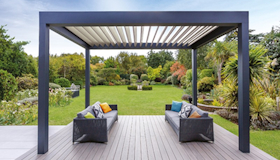
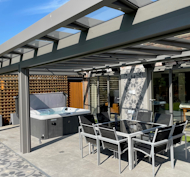
A patio is an outdoor space located at ground level, typically at the back or side of a house. Unlike verandas, patios are usually not covered, though they can include pergolas, umbrellas, or awnings for shade.
Key Features of a Patio:
- Located on the ground level
- Usually uncovered
- Made with materials like stone, concrete, tiles, or brick
- Often used as an open-air seating or dining area
- Can be separate or directly connected to the house
Best Uses:
- Outdoor dining and entertaining
- Barbecues and gatherings
- Garden seating areas
Patios are ideal for homeowners who want a versatile outdoor space with flexible design options.
Veranda vs Balcony vs Patio: Key Differences
Here’s a clear comparison to help you understand how they differ:

Read our latest blog: https://www.sunspaces.co.uk/news/post/do-glass-verandas-fall-under-permitted-development-rules
Which One Should You Choose?
Choosing between a veranda, balcony, and patio depends on several factors:
1. Available Space
- If you have ground space, a veranda or patio is a great choice.
- For apartments or upper floors, a balcony is your best option.
2. Climate Conditions
- A veranda offers protection from the sun and rain, making it ideal for all-weather use.
- A patio may need additional shading in hot or rainy climates.
- A balcony works well in moderate climates but may be less usable in extreme weather.
3. Purpose
- For relaxation and daily use → Veranda
- For views and compact outdoor access → Balcony
- For entertaining and gatherings → Patio
4. Budget
- Balconies are often part of the building design and may not require extra cost.
- Patios can be budget-friendly or premium depending on materials.
- Verandas may cost more due to roofing and structural elements.
Pros and Cons of Each Option
Veranda
Pros:
- Usable in all weather
- Adds aesthetic appeal
- Increases property value
Cons:
- Higher construction cost
- Requires more space
Balcony
Pros:
- Space-efficient
- Great for city living
- Offers scenic views
Cons:
- Limited space
- Less privacy in apartments
- Weather exposure
Patio
Pros:
- Highly customizable
- Perfect for entertaining
- Cost-effective options available
Cons:
- No built-in protection from the weather
- Requires maintenance
Design Tips for Each Space
Veranda Design Tips:
- Add comfortable seating like swings or lounge chairs
- Use plants and lighting for a cosy atmosphere
- Choose durable roofing materials
Balcony Design Tips:
- Use compact furniture
- Add vertical gardens to save space
- Install safety railings with modern designs
Patio Design Tips:
- Use outdoor furniture resistant to weather
- Add a pergola or umbrella for shade
- Incorporate lighting for evening use
Final Thoughts
While verandas, balconies, and patios all enhance your home’s outdoor living experience, they are designed for different purposes and spaces.
- A veranda is perfect for a covered, comfortable outdoor extension of your home.
- A balcony offers a compact, elevated space ideal for urban living.
- A patio provides a flexible, open area for social gatherings and relaxation.
By understanding these differences, you can choose the option that best suits your home design, lifestyle, and budget.
For more information, get in touch with us