
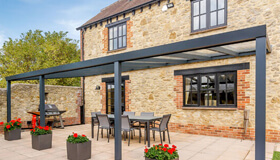
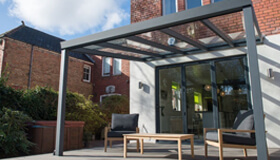
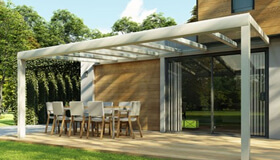
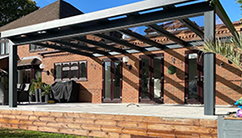
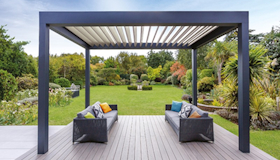
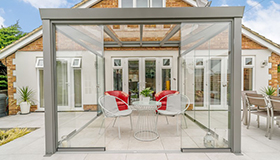
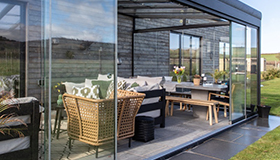
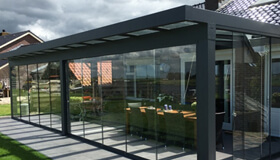
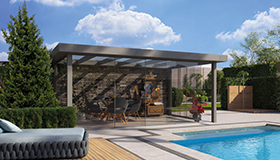
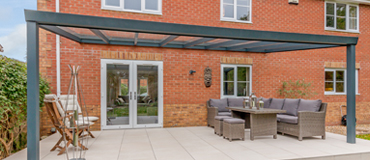
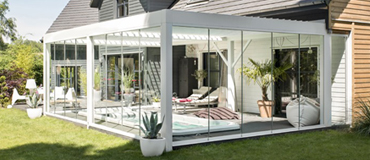
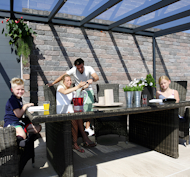
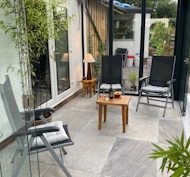
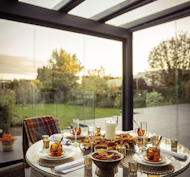
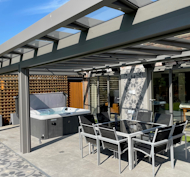
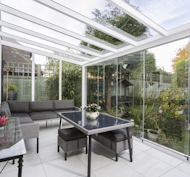
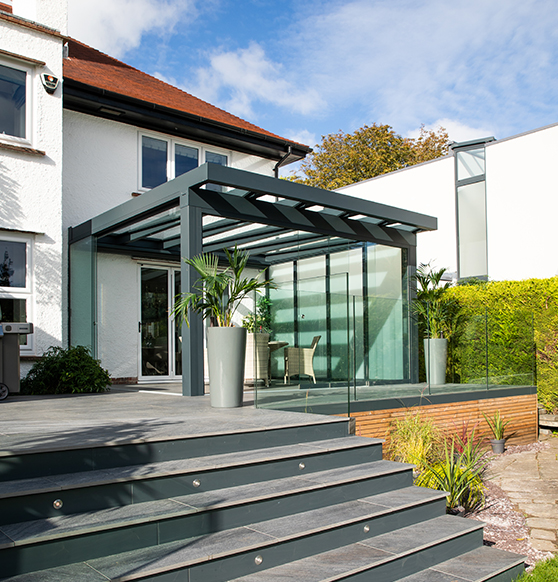
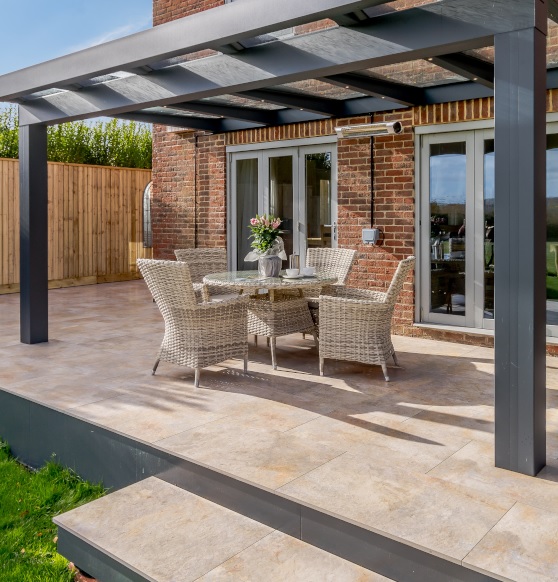
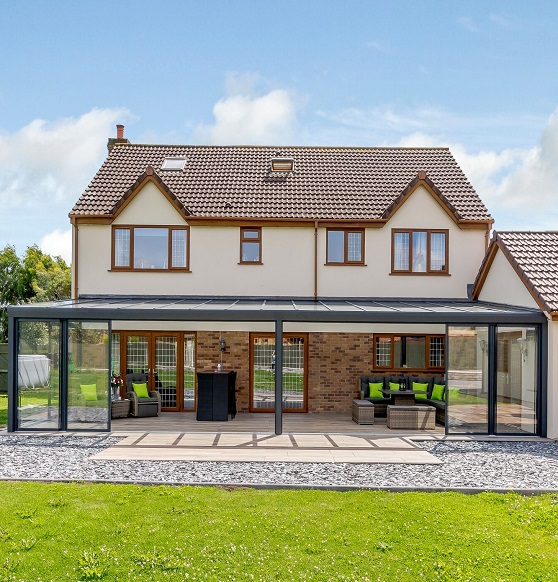
A glass veranda is one of the most stylish and functional ways to extend your living space while enjoying natural light year-round. Whether you want a relaxing outdoor retreat, a dining area, or a weather-protected patio, installing a glass veranda can transform your home. However, the process requires careful planning, the right materials, and attention to detail.
This step-by-step guide will walk you through everything you need to know about glass veranda installation—from planning and preparation to final finishing touches.

What Is a Glass Veranda?
A glass veranda is a covered outdoor structure typically attached to the back or side of a house. It features a glass roof (and sometimes glass sides), supported by aluminium, steel, or wooden frames. Unlike traditional patios, glass verandas allow maximum light while protecting you from rain, wind, and UV exposure.
Step 1: Planning and Design
Before starting installation, proper planning is essential. This stage determines the durability, functionality, and aesthetics of your veranda.
Key considerations:
- Purpose: Relaxation, dining, or garden extension
- Size and layout: Measure the available outdoor space
- Roof type: Lean-to (most common), gable, or freestanding
- Materials: Aluminum frames are lightweight and rust-resistant, while steel offers strength
You should also consider how the veranda integrates with your home’s architecture to maintain a cohesive look.
Step 2: Check Local Regulations and Permissions
In many regions, installing a glass veranda may require planning permission or building approval, especially if:
- The structure exceeds height limits
- It covers a large area
- It is attached to a listed or protected property
Always check local building codes to avoid legal issues later.
Step 3: Choose the Right Materials
The quality of materials plays a major role in the durability and safety of your veranda.
Essential components:
- Frame: Aluminium (low maintenance), steel (strong), or wood (classic look)
- Glass panels: Toughened or laminated safety glass
- Fixings and brackets: Stainless steel for durability
- Guttering system: For effective rainwater drainage
High-quality materials ensure resistance to weather, corrosion, and wear over time.
For More information, read our latest blog: https://www.sunspaces.co.uk/news/post/affordable-glass-veranda-cost-guide-budget-friendly-ideas
Step 4: Prepare the Site
A stable and level base is crucial for a successful installation.
Site preparation includes:
- Clearing the area of debris
- Levelling the ground
- Installing a concrete base or paving slabs
- Marking the layout according to measurements
Ensure proper drainage to prevent water pooling under the structure.
Step 5: Install the Support Posts
Support posts form the structural foundation of your veranda.
Steps:
- Position the posts according to the design layout
- Secure them into the ground using concrete footings or anchor bolts
- Check alignment using a spirit level
Properly installed posts ensure stability and load-bearing strength.
Step 6: Attach the Wall Plate
The wall plate connects the veranda to your house and supports the roof structure.
Installation process:
- Fix the wall plate securely to the exterior wall
- Use heavy-duty bolts and appropriate anchors
- Ensure it is perfectly level
This step is critical, as it carries a significant portion of the roof load.
Step 7: Install Roof Beams and Rafters
Once the wall plate and posts are in place, you can install the roof framework.
Steps:
- Attach beams between the wall plate and support posts
- Install rafters evenly across the structure
- Secure all joints tightly
Make sure the roof has a slight slope to allow rainwater to drain efficiently.
Step 8: Fit the Glass Panels
This is the most delicate part of the installation.
Important tips:
- Use toughened safety glass for durability
- Carefully place panels onto the rafters
- Secure them using glazing bars or clamps
- Ensure proper sealing to prevent leaks
Always handle glass panels with care and use protective gear.
Step 9: Install Guttering and Drainage
A proper drainage system prevents water damage and improves longevity.
Steps:
- Attach gutters along the roof edge
- Connect the downpipes to direct water away
- Check for proper flow and alignment
This step ensures your veranda remains functional during heavy rain.
Step 10: Add Optional Features
Enhance your glass veranda with additional features for comfort and style:
- Side panels or sliding glass doors for wind protection
- LED lighting for evening use
- Heating systems for winter comfort
- Blinds or shades to control sunlight
These upgrades can turn your veranda into a year-round living space.
Step 11: Final Inspection and Finishing
Before using your veranda, perform a thorough inspection.
Check for:
- Structural stability
- Proper sealing and waterproofing
- Secure fittings and joints
- Smooth drainage system
Clean the glass panels and remove any installation debris for a polished finish.
DIY vs. Professional Installation
While some homeowners choose a DIY approach, installing a glass veranda can be complex.
DIY Pros:
- Cost savings
- Full control over design
DIY Cons:
- Requires technical skills
- Risk of improper installation
Professional Installation Pros:
- Expertise and precision
- Compliance with regulations
- Warranty and safety assurance
If you’re unsure, hiring professionals is often the safer option.
Maintenance Tips for Long-Term Use
To keep your glass veranda in top condition:
- Clean glass panels regularly
- Check seals and joints annually
- Clear gutters to prevent blockages
- Inspect for rust or wear on frames
Proper maintenance ensures durability and long-lasting performance.
Common Mistakes to Avoid
Avoid these common installation errors:
- Poor measurements leading to misalignment
- Using low-quality materials
- Ignoring drainage systems
- Improper sealing is causing leaks
- Skipping planning permissions
Being aware of these mistakes can save time, money, and frustration.
Final Thoughts
Installing a glass veranda is a rewarding project that enhances both the value and functionality of your home. By following a step-by-step approach—from planning and material selection to installation and maintenance—you can create a beautiful, durable outdoor space that can be enjoyed throughout the year.
Whether you choose a DIY route or hire professionals, careful preparation and attention to detail are the keys to a successful installation. With the right setup, your glass veranda can become the perfect blend of indoor comfort and outdoor beauty.