
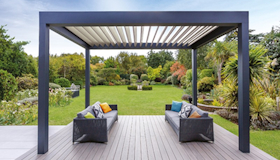
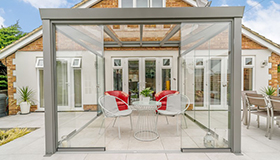
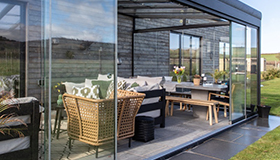
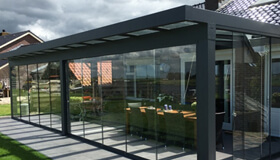

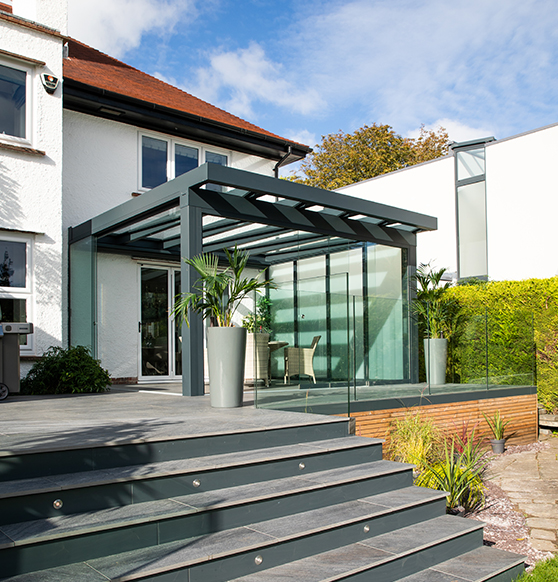
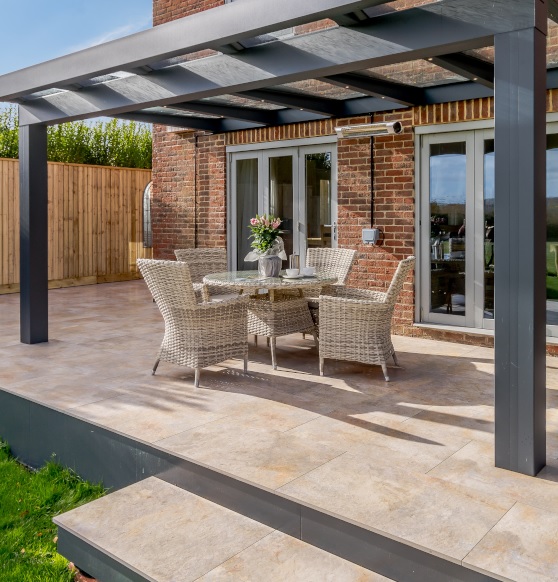
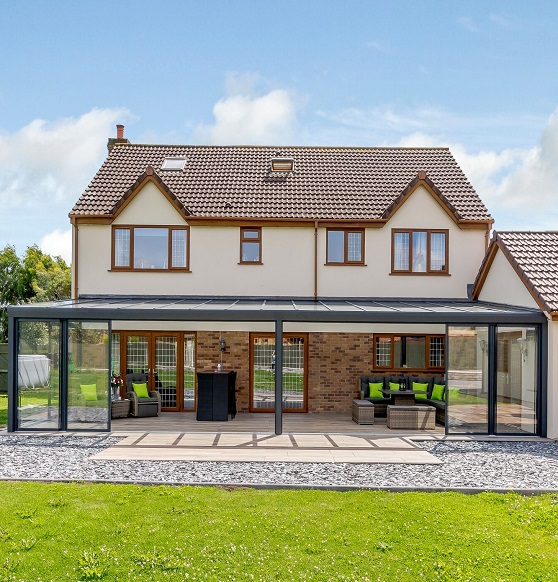
After more than a decade writing about home improvement and outdoor living in the UK, one truth keeps coming back: most gardens are underused. We invest time, money, and imagination into them, only to retreat indoors the moment the weather turns typically British. Wind, drizzle, sudden cold snaps – they all conspire to limit how often we step outside.
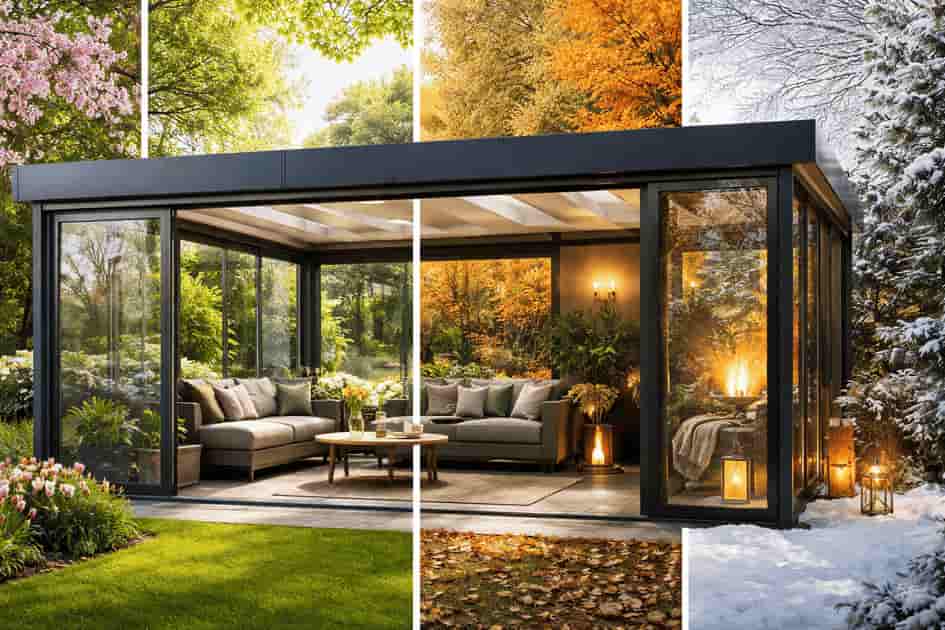
That’s where a Panorama glass outdoor room changes the conversation completely.
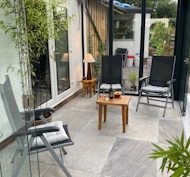
Rather than fighting the climate, it works with it. Done properly, a glass outdoor room becomes a natural extension of your home, giving you shelter, light, and flexibility without closing you off from the garden itself. It’s not a trend piece or a short-lived upgrade. It’s a structural shift in how you live with your outdoor space.
This article draws on hands-on industry knowledge, real homeowner experiences, and practical considerations specific to the UK. No sales fluff. No buzzwords. Just a clear look at why a Panorama-style solution works in every season – and why more homeowners are choosing sunspaces and verandas as long-term investments rather than summer luxuries.
Why British Gardens Need Smarter Shelter
The UK climate is famously unpredictable. Even in July, you can wake up to sunshine and be sheltered from rain by lunchtime. Traditional pergolas and fabric awnings simply don’t hold up year-round. They’re either too open, too fragile, or too seasonal.
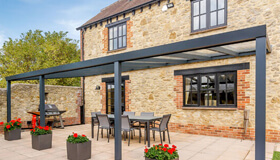
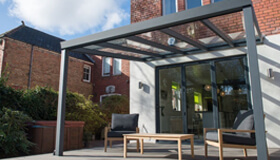
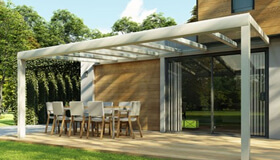
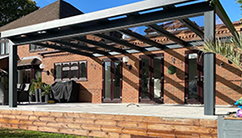
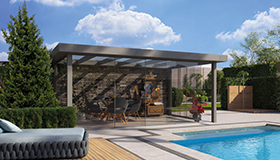
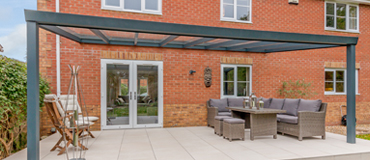
A modern veranda or glass outdoor room offers something different: permanent protection with minimal visual weight. Glass panels shield you from wind and rain while preserving views, daylight, and that all-important connection to the outdoors.
From years of observing how people actually use these spaces, one thing is clear: homeowners don’t want to feel boxed in. They want flexibility. Sliding glass walls, adjustable ventilation, and open sightlines matter more than heavy walls or bulky frames.
What Makes a Panorama Glass Outdoor Room Different?
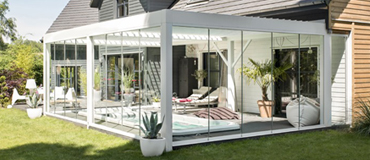
Not all glass structures are created equal. A Panorama glass outdoor room is designed around openness first, insulation second, and aesthetics throughout.
Here’s what sets it apart:
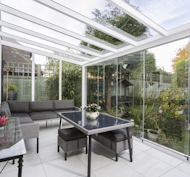
- Full-height glass panels that maximise natural light
- Minimal aluminium framing, keeping sightlines clean
- Weather protection without compromising airflow
- Adaptability – open it fully in summer, close it partially in winter
This is not a conservatory in disguise. Conservatories often feel detached from the house and suffer from temperature extremes. Panorama-style sunspaces are designed to sit comfortably between indoor and outdoor living.
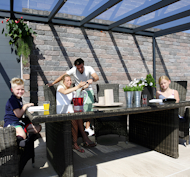
In practice, that means you’ll use the space more often and for more things – morning coffee, remote working, family meals, or simply somewhere quiet to read while the rain does its thing outside.
Using Your Garden Through All Four Seasons
Spring: Light Without the Chill
Spring is when gardens come alive, but it’s rarely warm enough to sit outside comfortably. A glass outdoor room lets you enjoy that early greenery without reaching for a coat.
With sliding panels partially closed, you get shelter from cool winds while still enjoying fresh air. This is when many homeowners start to realise the value of their sunspaces – long before summer arrives.
Summer: Open, Airy, and Flexible
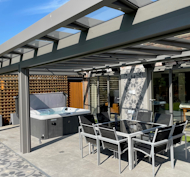
In summer, the ability to open up matters just as much as protection. A well-designed veranda or sunspace doesn’t trap heat. Instead, it allows airflow while providing shade when the sun is strongest.
Unlike fabric solutions, glass won’t sag, fade, or need replacing every few years. It stays crisp and functional, even after multiple heatwaves and winters.
Autumn: Protection Without Losing the View
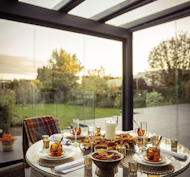
Autumn is arguably the most underrated season for outdoor living. The colours change, the air cools, and the light softens. A Panorama glass outdoor room lets you enjoy all of that without worrying about sudden rain.
Many users report that autumn becomes their favourite time to use the space – sheltered, quiet, and visually connected to the garden in a way open patios can’t match.
Winter: A Usable Space, Not a Storage Area
Winter use depends on expectations. A glass outdoor room isn’t meant to replace your living room, but it doesn’t have to sit empty either.
With the right configuration, outdoor heaters, and wind protection, these spaces remain usable even in colder months. More importantly, they prevent that familiar winter feeling where the garden disappears entirely from daily life.
Real-World Design Considerations (That Actually Matter)
After years of speaking with homeowners, installers, and designers, a few practical points come up again and again.
Orientation and Light
South-facing gardens benefit most from glass structures, but even north-facing spaces can work beautifully with the right design. Glass reflects and amplifies available light, making gardens feel larger and brighter.
Integration With the House
A sunspace should feel intentional, not bolted on. Rooflines, frame colours, and flooring transitions matter more than people expect. When done well, the structure feels like it’s always been part of the home.
Ventilation and Comfort
Overheating is a common fear, often based on poor conservatory experiences. Modern glass outdoor rooms address this with sliding panels, roof ventilation options, and solar control glass where needed.
Verandas UK Prices: What Influences the Cost?
One of the most common questions homeowners ask is about verandas UK prices. There’s no single answer, and anyone offering one without context isn’t being honest.
Pricing depends on:
- Size and layout
- Glass type and thickness
- Frame materials and finishes
- Additional features like lighting or heating
- Installation complexity
As a rough guide, a high-quality veranda or glass outdoor room is an investment, not a budget add-on. However, compared to full extensions or conservatories, sunspaces often deliver better value in terms of usability and long-term satisfaction.
It’s also worth noting that quality pays off. Cheaper systems often compromise on glass thickness, drainage, or structural integrity – problems that only show up a few winters down the line.
Planning Permission and UK Regulations
In most cases, a veranda or glass outdoor room falls under permitted development, especially when it’s open-sided or semi-enclosed. That said, every property is different.
Listed buildings, conservation areas, and certain roof heights may require additional checks. A reputable supplier will guide you through this process and flag potential issues early.
From experience, problems usually arise when homeowners assume rather than confirm. A quick conversation with your local authority or an experienced installer can save months of frustration.
Maintenance: Easier Than You Think
One of the quieter benefits of glass outdoor rooms is how little maintenance they require.
- Glass: Occasional cleaning, much like windows
- Aluminium frames: Powder-coated finishes resist corrosion
- Moving parts: Designed for long-term use with minimal upkeep
Compared to timber structures or fabric systems, sunspaces age gracefully. They don’t warp, rot, or fade in the same way, making them ideal for long-term outdoor living.
Why Sunspaces Are a Long-Term Lifestyle Upgrade
The biggest shift happens after installation. Homeowners stop thinking of their garden as something separate. The line between inside and outside softens.
From personal observation, families tend to gather more, entertain more casually, and spend less time feeling constrained by weather. That’s not something you can measure easily, but it’s something you feel quickly.
A well-designed glass outdoor room doesn’t dominate the garden. It enhances it. It gives structure without stealing space, shelter without isolation.
Choosing the Right Supplier Matters
EEAT isn’t just a Google acronym; it’s how you should approach any major home investment.
Look for suppliers who:
- Have a proven track record in the UK
- Understand local weather conditions
- Offer transparent guidance on pricing and limitations
- Stand behind their products with real warranties
Sunspaces and verandas aren’t impulse purchases. They’re structural additions that should serve you for decades, not just a few summers.
Final Thoughts: A Garden You’ll Actually Use
After years in this field, I’ve seen plenty of outdoor trends come and go. The reason Panorama-style glass outdoor rooms continue to grow in popularity is simple: they solve a real problem for real homes.
They respect the British climate rather than pretending it doesn’t exist. They add usable space without heavy construction. And most importantly, they change how people experience their homes day to day.
If your garden currently feels like something you look at rather than live in, a thoughtfully designed veranda or sunspace might be the missing link.