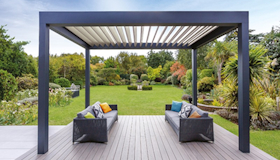
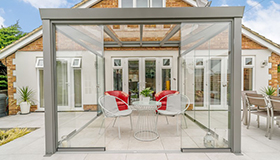
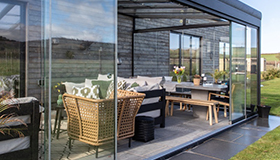
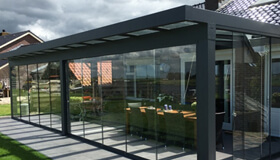
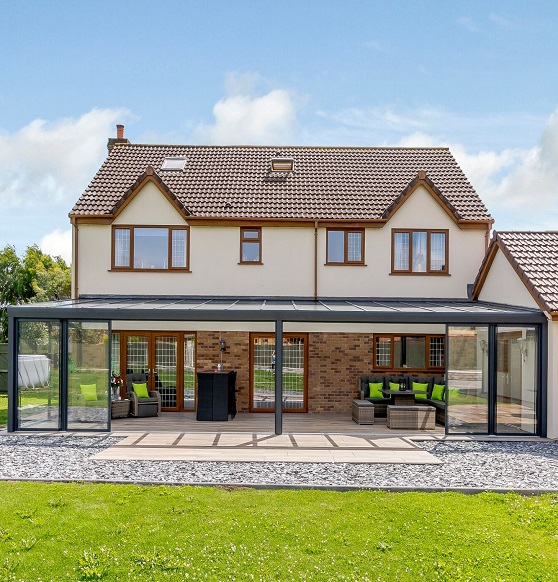
Adding a glass veranda to your home is one of the most effective ways to extend your living space while enhancing natural light and outdoor connectivity. However, what many homeowners overlook are the planning rules and regulations that come with it. Ignoring these can lead to unexpected costs, delays, or even legal issues.
This guide will walk you through the essential glass veranda rules that could save you thousands—helping you plan smarter and avoid costly mistakes.
What Is a Glass Veranda?
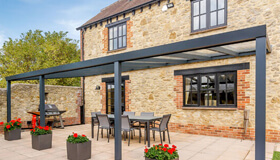
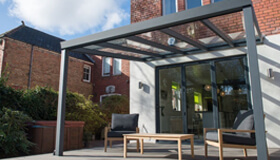
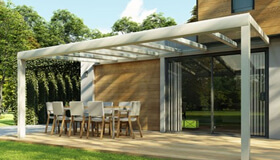
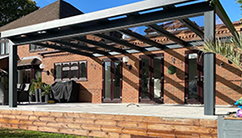
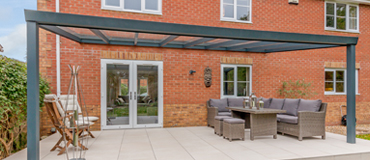
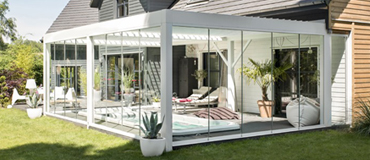
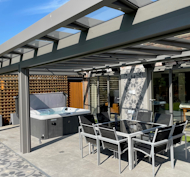
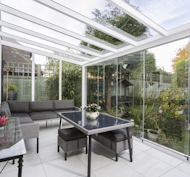
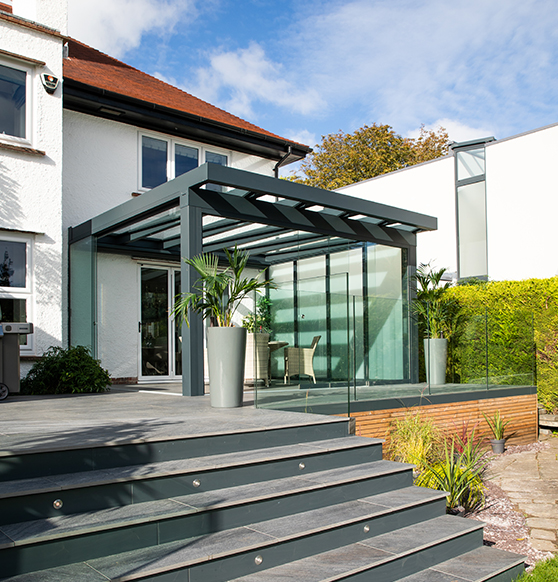
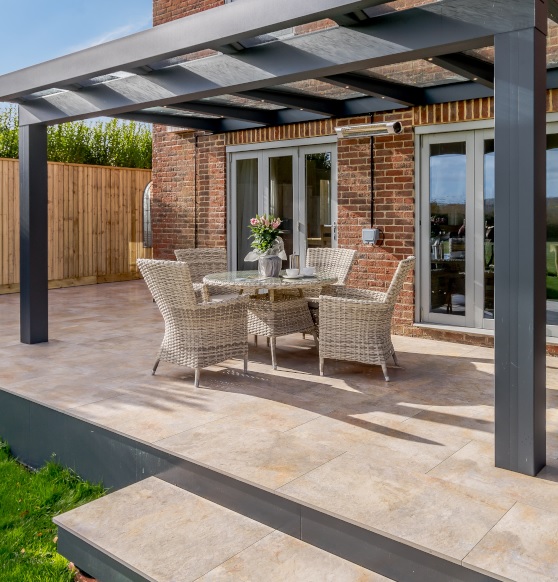
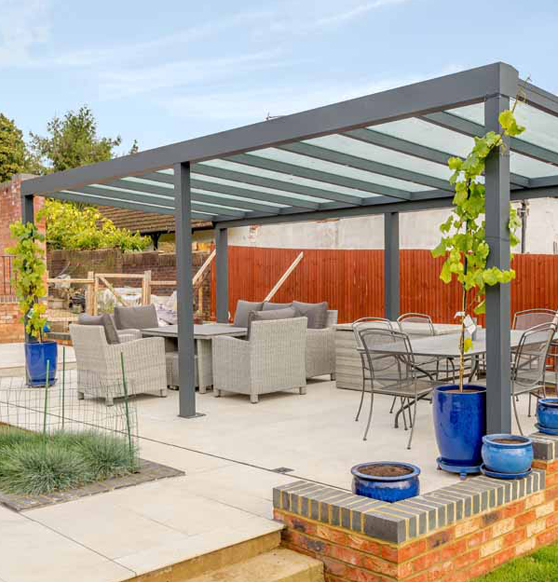
A glass veranda is a structure typically attached to the rear or side of a property, featuring a glass roof and often open or partially enclosed sides. It creates a sheltered outdoor area that can be used year-round for relaxing, dining, or entertaining.
Unlike full conservatories or extensions, glass verandas are often simpler structures—but that doesn’t mean they are free from regulations.
Do You Need Planning Permission for a Glass Veranda?
In many cases, you may not need planning permission thanks to permitted development rights. However, this depends on several conditions.
For more information, read our blog: https://www.sunspaces.co.uk/news/post/planning-permission-for-garden-rooms-and-verandas-your-2025-checklist
You typically DON’T need planning permission if:
- The veranda is built at the rear of the property
- It does not extend beyond a certain depth (usually 3–4 meters for most homes)
- The height does not exceed 2.5–3 meters (depending on placement)
- It is not raised significantly above ground level
- Your property is not in a restricted area
You WILL need planning permission if:
- Your home is in a conservation area or a listed property
- The veranda significantly alters the appearance of your home
- It extends beyond permitted size limits
- It is built at the front of the house
Failing to check these rules can result in fines or being required to dismantle the structure, costing far more than the initial build.
Understanding Permitted Development Limits
Permitted development rights are designed to allow homeowners to make certain improvements without formal approval. However, these rights come with strict limits.
Key restrictions include:
- Depth limits: Usually up to 3 meters for attached houses and 4 meters for detached homes
- Height restrictions: The maximum height is often capped at 2.5 meters near boundaries
- Coverage rules: The veranda should not cover more than 50% of your garden area
- Boundary proximity: Structures near property lines must be lower in height
Staying within these limits is one of the easiest ways to avoid extra costs.
Building Regulations: Do They Apply?
Even if planning permission is not required, building regulations may still apply.
You may need approval if:
- The veranda is fully enclosed
- Electrical installations are included (lighting, heaters)
- Structural safety is a concern (heavy glass roofing systems)
If your veranda is open and simple, building regulations may not apply—but always confirm before starting construction.
Ignoring building regulations can lead to safety issues and expensive retrofits later.
Common Mistakes That Cost Homeowners Money
Many homeowners underestimate the importance of proper planning. Here are some common mistakes—and how to avoid them:
1. Skipping Permission Checks
Assuming you don’t need permission can lead to legal notices and removal orders.
Solution: Always check local planning rules before building.
2. Oversizing the Structure
Going beyond permitted dimensions might seem minor, but it can trigger full planning requirements.
Solution: Measure carefully and stay within limits.
3. Ignoring Drainage and Runoff
Glass roofs can direct rainwater in problematic ways.
Solution: Plan proper drainage systems to prevent water damage.
4. Choosing the Wrong Materials
Cheap materials may save money initially, but lead to higher maintenance costs.
Solution: Invest in durable, weather-resistant materials.
5. Not Considering Neighbours
Disputes with neighbours can delay or halt projects.
Solution: Inform neighbours in advance and ensure your design respects boundaries.
How a Glass Veranda Can Save You Money
While there are upfront costs, a well-planned glass veranda can actually save you money in the long run.
Benefits include:
- Energy efficiency: Natural light reduces electricity usage
- Increased property value: Adds functional space without a full extension
- Reduced renovation costs: Cheaper than building a full conservatory
- Outdoor usability: Makes your garden usable in all seasons
By following regulations from the start, you avoid fines and redesign costs—keeping your budget under control.
Tips for Planning Your Glass Veranda
To ensure your project runs smoothly, follow these expert tips:
1. Start with a Clear Purpose
Decide how you’ll use the space—dining, relaxing, or entertaining.
2. Work with Professionals
Architects or installers familiar with local rules can help you stay compliant.
3. Check Local Authority Guidelines
Rules can vary by location, so always verify before proceeding.
4. Plan for Weather Conditions
Ensure your structure can handle wind, rain, and temperature changes.
5. Think Long-Term
Choose designs and materials that will last and add value over time.
When to Seek Professional Advice
If your project involves:
- Large structures
- Complex designs
- Electrical or heating installations
- Properties in restricted zones
…it’s best to consult a professional. This small upfront cost can prevent major financial losses later.
Final Thoughts
A glass veranda is a stylish and practical addition to any home—but only if it’s done correctly. Understanding planning permission, permitted development rules, and building regulations is crucial to avoiding unnecessary expenses.
By taking the time to plan carefully and follow the rules, you can create a beautiful space that enhances your home without breaking your budget.
Remember: the money you spend on proper planning today could save you thousands tomorrow.