0% Interest FREE. SPRING SALE 25% Discount.
CLEARANCE OFFERS

Archive

Choosing to add a veranda to your home is a decision that elevates not just your outdoor space, but your entire lifestyle. A premium veranda is an architectural statement—a seamless extension of your home that offers beauty, functionality, and long-term value. But in a market flooded with options, from basic DIY kits to custom-built sunrooms, where do you even begin your search for a design that is truly exceptional?

This comprehensive guide is your roadmap to finding and commissioning a premium veranda design. We'll explore the key avenues for inspiration and collaboration, helping you identify a design that is not only visually stunning but also expertly engineered to stand the test of time. For homeowners who demand the best, a premium veranda is an investment in quality, and finding the right design partner is the first and most critical step.


Defining "Premium" in Veranda Design

Before you start looking, it's essential to understand what separates a premium veranda from a standard one. This isn't just about price; it’s about a combination of superior craftsmanship, high-quality materials, bespoke design, and a flawless installation process.

  • Architectural Integration: A premium design doesn't just look "stuck on" to your home. It's a cohesive part of the architectural language, with clean lines, complementary colors, and a roof pitch that harmonizes with your existing structure. It looks like it was always meant to be there.
  • Superior Materials: This means moving beyond standard options. For instance, the gold standard for a modern veranda is a high-grade, powder-coated aluminum frame, which offers incredible strength, rust-proof durability, and a sleek, minimalist aesthetic. Paired with laminated safety glass, a premium veranda is built to withstand extreme weather and a lifetime of use.
  • Bespoke Customization: A premium veranda is not a one-size-fits-all product. It is a tailor-made solution designed to fit your unique space, preferences, and lifestyle. This includes everything from custom dimensions and integrated lighting to automated sunscreens and heating systems.
  • Expert Engineering and Installation: A premium veranda is a precision-engineered system.1 The design accounts for critical factors like wind load, snow load, and proper drainage. The installation is carried out by a team of highly trained, in-house specialists who ensure every detail, from the foundations to the final sealant, is perfect.

Where to Look for High-End Veranda Designs

Once you have a clear idea of what constitutes a premium product, you can begin your search. The best designs are not found in big-box hardware stores; they are discovered through specialized channels that prioritize quality and expertise.

  • Specialist Veranda and Outdoor Living Companies: This is the most direct and reliable route. Companies that specialize exclusively in verandas, sunrooms, and garden rooms have an in-depth understanding of the product and its engineering. They offer a range of pre-designed premium systems that can be customized to your specifications. Look for companies with a strong portfolio of completed projects, glowing customer testimonials, and a focus on European-quality materials. A brand like Sunspaces, with its reputation for German-engineered, bespoke solutions, is a prime example of a specialist provider.
  • Architects and Landscape Architects: For a truly unique and custom-built solution, consulting with an architect or landscape architect is an excellent option. They can design a veranda that is integrated into a broader plan for your property, incorporating elements like patios, walkways, and landscaping. This approach is ideal for large-scale projects or for properties with complex architectural challenges. Be prepared for a more extended timeline and a higher cost, as you are commissioning a completely unique design from scratch.
  • High-End Home and Garden Shows: Attending a premium home and garden show is an invaluable source of inspiration. These events feature top-tier suppliers and builders who showcase their best work in person. You can see the quality of materials firsthand, feel the strength of the frames, and talk directly to designers and engineers. This allows you to compare different products side-by-side and get a real sense of what’s possible.
  • Online Design Platforms and Inspiration Sites: Websites like Houzz, Pinterest, and ArchDaily are treasure troves of high-quality architectural photography and design ideas. You can search for "premium veranda," "modern glass extension," or "luxury outdoor living" to create a mood board of styles you love. While these sites are fantastic for inspiration, remember that the photos often don’t tell the full story of the project's complexity or the quality of its materials. Use them as a starting point to define your aesthetic preferences before you engage with a professional.

The Collaborative Design Process - Partnering with a Specialist

Finding the right supplier is about more than just their product; it's about the quality of their design service. A premium experience involves a collaborative process that puts your needs first.

  • Initial Consultation and Site Survey: A reputable company will begin with a free, no-obligation consultation and a detailed on-site survey.2 This is where a designer truly listens to your vision and assesses the technical requirements of your space. They will measure your property, inspect the exterior walls, and discuss your lifestyle to recommend the best possible solution. At Sunspaces, for example, this consultation is the foundation for creating a perfectly tailored design.
  • 3D Visualizations and Design Schematics: A premium service will provide you with high-quality 3D renderings and detailed design schematics of your proposed veranda. This allows you to see exactly how the finished product will look on your home, from different angles and at different times of the day. This step is crucial for making informed decisions about the design, color, and optional features before any work begins.
  • Understanding the Materials and Features: The designer should walk you through every component, from the type of glass (e.g., solar-control, tinted, or laminated) to the finishes on the frame and the type of drainage system. They will explain the benefits of integrated lighting, heaters, or automated sunscreens and help you select the options that are right for you. A premium veranda is a system, and every part of that system must be of the highest quality.

The Investment in Quality - Why a Premium Veranda is Worth It

While the upfront cost of a premium veranda is higher than a standard model, the long-term financial and lifestyle benefits make it a superior investment.

  • Durability and Longevity: A high-end veranda is built to last. It won’t rust, warp, or fade, and it will withstand harsh weather conditions for decades. This saves you from the ongoing maintenance costs and the eventual expense of a full replacement.
  • Enhanced Property Value: A beautifully designed and professionally installed veranda is a highly desirable architectural feature that adds significant value to your home.3 It’s a powerful selling point that can justify a higher asking price and a quicker sale.
  • Lifestyle Improvement: The primary value of a premium veranda is the enhanced quality of life it provides. It transforms a simple patio into a comfortable, year-round living space. It gives you a place to relax, entertain, and connect with nature, no matter the season. This is the intangible return on investment that truly makes a premium veranda worthwhile.

Finding Your Perfect Veranda with Sunspaces

Finding a premium veranda design for your home is a journey that requires careful consideration and a focus on quality over cost. By defining what makes a veranda "premium," exploring the right sources for inspiration and design, and partnering with a specialist who offers a collaborative and transparent process, you can find a solution that not only meets but exceeds your expectations.

Whether you're drawn to the minimalist elegance of a flat-roof design, the classic charm of a pitched-roof glass extension, or the ultimate versatility of a louvered roof, the perfect design is out there. Companies like Sunspaces are at the forefront of this industry, offering a seamless blend of European engineering, custom design, and expert installation to help you create a timeless and luxurious outdoor living space that you and your family will cherish for years to come.

Imagine it's the perfect summer day. The sun is shining, the sky is a brilliant blue, and you're hosting a garden party. You’re thrilled to show off your new outdoor living space—a beautiful, fixed-roof veranda. But as the afternoon heats up, your guests start to feel uncomfortably warm. Trapped beneath the solid glass, they are shielded from the elements but also from the refreshing breeze. You've created a stunning space, but you've also built a beautiful, high-end cage.


Or consider a cloudy autumn day. The temperature is mild, but the sky is grey. You’d love to feel the warmth of the day, but the fixed roof casts a permanent shadow over your veranda, making the space feel dark and a little gloomy. You’re sheltered from the potential rain, but you’re also blocked from the light you crave.

From Caged In to Open Air

These scenarios illustrate a fundamental pain point with traditional verandas and awnings: a lack of control. These structures offer a binary choice—full cover or no cover. There is no middle ground. For the homeowner who wants the best of both worlds—shelter from the elements and the feeling of open-air freedom—a fixed roof simply doesn't cut it. This is where a Sunspaces’ garden veranda with a sliding roof steps in, offering a dynamic solution to these common outdoor living frustrations.

The Pain Points of Static Outdoor Spaces

For centuries, UK homeowners have sought to blur the lines between indoor and outdoor living. But traditional solutions, while offering some benefits, also introduce a host of new problems.

The Trapped-Air Greenhouse Effect

A fixed-roof veranda, especially one with glass, can quickly turn into a stifling hotbox on a sunny day. The glass traps heat, creating a greenhouse effect that can make the space unbearable. The irony is that on the very days you most want to be outdoors, your beautiful, sheltered space becomes the last place you want to be. This leads to wasted potential and forces you and your guests back indoors, defeating the purpose of the structure in the first place. You’ve invested in an outdoor oasis, only to find yourself sweating inside it.

The Seasonal Darkness

A fixed roof provides year-round shelter, but it also provides year-round shade. This can be a major issue during the darker months of the year, especially in climates with limited sunlight. The veranda can cast a permanent shadow over your patio and the rooms adjacent to it, making them feel darker and more enclosed. You traded natural light for shelter, and on gray days, the trade-off feels like a mistake. The very structure meant to connect you to the outdoors ends up separating you from it.

The Fixed-Design Frustration

Every day is different. One day you want full sun, the next you want complete shade. Sometimes you want a gentle breeze, other times you need total protection from a downpour. A traditional veranda, by its very nature, is a fixed design. It can’t adapt to your changing needs or the ever-changing weather. This lack of flexibility is a major pain point, forcing you to settle for a single function when what you really crave is versatility. Your veranda is a static solution in a dynamic world.

The Maintenance Nightmare

While many modern veranda materials are low-maintenance, a fixed roof still presents a unique set of challenges. The glass or polycarbonate can be difficult to clean, requiring special tools or professional services to remove debris and stains. Leaves, moss, and dirt can accumulate in hard-to-reach places, and because the roof is fixed, you can’t simply open it up to clear it out. This turns a relaxing space into another chore on your list.

The Barrier to Open-Air Freedom

For all its protective qualities, a fixed roof veranda can still feel like a barrier. On a beautiful day, you might long to feel the full warmth of the sun on your skin or gaze up at a starlit sky. But with a fixed roof, that experience is blocked. The shelter, which is often the main selling point, becomes a limitation. The desire for open-air freedom, for a truly immersive outdoor experience, is a core human need that a fixed roof cannot fully satisfy.

The Avant-garde Veranda with a Sliding Roof

The innovation of a sliding roof from Sunspaces directly addresses these pain points, offering homeowners a level of control and flexibility that was previously impossible. This is not just a roof; it's a dynamic, adaptable space that responds to your desires and the environment.

Banish the Greenhouse Effect with a Touch

With a Sunspaces sliding roof, you can instantly open your veranda to the sky, allowing trapped hot air to escape. This prevents the space from becoming uncomfortably warm on sunny days, ensuring that you can actually use your outdoor area when you want it most. You control the temperature and the airflow, transforming a potential sauna into a breezy, open-air haven with the simple push of a button or a manual glide.

Embrace the Light, Chase the Shade

A sliding roof veranda gives you the power to choose between shade and sunlight. On a bright, warm day, you can close the roof to create a cool, sheltered spot. On a darker, overcast day, you can slide it open to let every bit of precious daylight stream in, brightening both your veranda and the rooms adjacent to it. This adaptability ensures that your space is always optimized for the moment, providing the perfect balance of light and protection.

Adaptability for Every Occasion

The flexibility of a sliding roof means your veranda can serve multiple functions.

  • The Open-Air Lounge: On a clear summer night, slide the roof open to create a true open-air lounge, perfect for stargazing.
  • The Sheltered Dining Area: A sudden shower? No problem. Close the roof in seconds to keep your dinner party dry.
  • The Sunny Reading Nook: Create the perfect sun trap on a brisk autumn afternoon by opening the roof to let the light pour in.

This adaptability turns your Sunspaces veranda into a truly multi-functional, four-season space.

Effortless Maintenance

Cleaning an Avant-garde Veranda is far simpler than dealing with a fixed one. You can open the roof to access and clean all parts of the structure, easily removing leaves and debris that would otherwise be trapped. This reduces the time and effort required for upkeep, allowing you to spend more time enjoying your space and less time maintaining it.

The Best of Both Worlds: Shelter and Openness

Ultimately, a Sunspaces Avant-garde Veranda veranda resolves the core conflict of outdoor living: the desire for both shelter and open-air freedom. It eliminates the need to compromise. You can have a completely covered space for protection and a fully open-air space for immersion, all in one seamless, elegant design. It’s an investment in a more complete, more joyful outdoor living experience.

Transforming Your Perspective

The pain points of traditional verandas are not just logistical; they are emotional. They represent a sense of lost opportunity, of unfulfilled potential in your own home. A sliding roof garden veranda offers a solution that is both practical and aspirational. It doesn’t just cover your outdoor space; it unlocks it, giving you the power to shape your environment, adapt to the moment, and enjoy your garden on your own terms. It’s a liberation from the limitations of the past, paving the way for a more dynamic, connected, and satisfying outdoor life.

Escape the frustrations of fixed-roof limitations and reclaim complete control over your outdoor experience with a Sunspaces veranda with a sliding roof. Unleash the potential of your garden and design a space that truly adapts to your life. For ultimate design freedom, opt for a freestanding/detached construction, allowing you to create your bespoke sunspace anywhere in your garden. Personalise your retreat with our range of accessories, including automated awnings and blinds for superior shade control, and integrated lighting and heating for comfortable use from morning till night. Contact Sunspaces today or call - 0800 028 8756 or Request A Quote or FREE Survey to book your dream Veranda and transform your outdoor living into a dynamic, luxurious extension of your home.

A veranda is more than just a roofed structure attached to your home; it’s a lifestyle upgrade. It bridges the gap between your indoor comforts and the natural beauty of your garden, offering a versatile space for relaxation, entertainment, and a breath of fresh air, regardless of the weather.1 But with a wide array of styles, materials, and functionalities available, how do you navigate the options and choose the veranda that perfectly complements your home and lifestyle?

This in-depth guide will walk you through the most popular types of verandas, helping you understand their unique benefits and features. By the end, you'll be equipped with the knowledge to make an informed decision and create the perfect outdoor sanctuary for your property, with a little help from the experts at Sunspaces.


The Fundamental Choice - Attached vs. Freestanding Verandas

The first decision you'll face is whether your veranda will be attached to your house or a standalone structure in your garden. This choice will define the very nature of your new space.

  • Attached Verandas: The most common type, an attached veranda extends directly from the exterior wall of your home.
    • Pros: This option creates a seamless transition from your indoor living area to the outdoors.2 It's incredibly convenient for entertaining, as you can easily move food and drinks from the kitchen to the veranda. It also offers direct protection to a patio or deck area, keeping it dry and clean year-round. This is the ideal choice for creating a cohesive, single living zone.
    • Cons: The design is limited by your home's existing structure and available wall space. It may also block some natural light from entering the room it's attached to, depending on the veranda's roof type.
    • Who it’s for: Homeowners who want a direct extension of their living room or kitchen for dining and relaxation. It’s perfect for properties with a suitable exterior wall and limited garden space.
  • Freestanding Verandas: A freestanding veranda is an independent structure, complete with its own support posts, that can be placed anywhere in your garden.
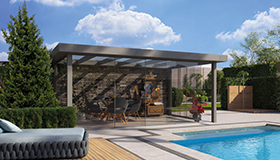
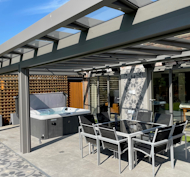
    • Pros: This offers unparalleled design freedom. You can place it over a hot tub, next to a swimming pool, or at a scenic viewpoint in a large garden. It creates a distinct destination within your landscape, a tranquil retreat separate from the hustle and bustle of the house.
    • Cons: It's a more complex installation as it requires a solid foundation. You also lose the direct connection to the house, which can be less convenient for certain uses.
    • Who it’s for: Homeowners with large gardens who want to create a special, designated area for a hot tub, a peaceful reading nook, or a remote entertaining space away from the main building.

Exploring Roof Styles - The Defining Feature of Your Veranda

The roof is the most important element of any veranda. It not only provides shelter but also dictates the overall aesthetic and the amount of light that enters the space.

  • Glass Verandas (Pitched Roof): The classic, and arguably most popular, choice for modern homes.
    • Description: A pitched roof veranda features a gentle slope that directs rainwater away from the house and into a hidden guttering system.3 It’s typically made with large panels of laminated safety glass.4
    • Benefits: This style offers the maximum amount of natural light, providing a bright and airy atmosphere. The transparent roof allows for stunning views of the sky and stars, creating a truly open-air feel while keeping you fully protected. The durability of laminated glass means it's strong, safe, and provides excellent sound insulation from rain and hail. This is a hallmark of a premium veranda.
    • Perfect for: Anyone seeking to maximize natural light and create a luxurious, contemporary look. Sunspaces specializes in this style, offering German-engineered systems with elegant, slim profiles that provide a near-uninterrupted view.5
  • Flat Roof Verandas: A sleek and minimalist option that complements modern architecture.
    • Description: A flat roof veranda gives the illusion of a completely level surface.6 High-quality systems, like the ones from Sunspaces, feature a concealed internal gradient to ensure proper drainage without compromising the clean, contemporary aesthetic.7
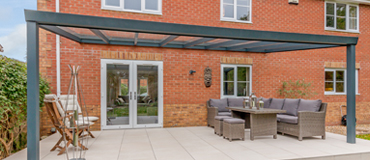
    • Benefits: The minimalist design is visually striking and doesn't distract from the architectural lines of your home. It’s ideal for properties where a pitched roof might look out of place. The solid roof provides continuous shade, which can be a huge advantage for south-facing properties that get intense sun exposure.
    • Perfect for: Modernist or minimalist homes. It’s also a great option for those who prioritize maximum shade and a sleek, unobtrusive design.
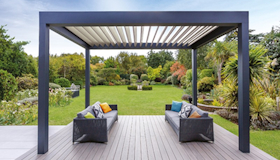
  • Retractable Roof Verandas (Louvered Roofs): The ultimate in versatility and control.
    • Description: This type of veranda features a roof composed of adjustable louvers, or slats, that can be opened and closed at the touch of a button.
    • Benefits: It gives you total control over the elements. You can open the louvers completely for full sun exposure, tilt them to provide a balance of sun and shade, or close them fully to create a waterproof roof in case of rain. Some systems even have sensors that close the louvers automatically when rain is detected.
    • Perfect for: The homeowner who wants to fine-tune their environment. If you want a sun-drenched space one moment and a fully shaded, rain-proof area the next, this is the solution for you.
  • Polycarbonate Roof Verandas: A functional and cost-effective alternative.
    • Description: Instead of glass, this veranda uses durable, multi-wall polycarbonate panels.
    • Benefits: Polycarbonate is lightweight, highly impact-resistant, and more affordable than glass.8 It’s also available in various tints, offering some sun protection.
    • Considerations: Polycarbonate does not have the same clarity as glass and can lose its transparency over time due to UV exposure.9 It also doesn't offer the same sound insulation, so the sound of rain will be more noticeable.
    • Perfect for: Budget-conscious buyers or those prioritizing a lighter, more functional roof over a luxurious, clear aesthetic.

The Importance of Materials and Construction

The longevity and performance of your veranda depend heavily on the quality of its components. This is where brand reputation and expert engineering come into play.

  • Aluminum Frame: The best verandas today are built with high-quality, powder-coated aluminum.
    • Why? Aluminum is rust-proof, incredibly strong, and lightweight, making it the ideal material for a permanent outdoor structure. It requires very little maintenance, so you won’t have to worry about rot, rust, or repainting.
    • What to look for: A high-quality powder-coated finish ensures the frame is resistant to fading, scratching, and corrosion.10 Make sure the structure is certified to withstand local wind and snow loads.
  • Laminated Safety Glass: This is the premium choice for a glass roof.11
    • Why? Laminated glass consists of two layers of toughened glass bonded together by a strong plastic interlayer (PVB). If the glass breaks, the pieces stick to the interlayer, preventing them from shattering and falling. This is a critical safety feature. It also provides excellent UV protection and sound insulation.

Customization and Optional Features

A veranda is a blank canvas. The right accessories and features can transform it into a truly personalized space that you can use all year round.

  • Integrated Lighting: Create the perfect evening ambiance with LED spotlights recessed directly into the veranda beams.12 These are a must-have for nighttime entertaining.
  • Heating Solutions: Infrared heaters can be discreetly mounted to the veranda structure, providing instant, efficient warmth on chilly evenings and extending your outdoor season well into the cooler months.
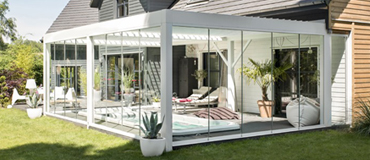
  • Vertical Glass Elements: Add side panels or full-height sliding glass doors to create a sheltered "glass room." This protects you from wind and rain, allowing you to enjoy your veranda in almost any weather.
  • Retractable Sunscreens: A popular option for glass-roofed verandas.13 These can be installed beneath or on top of the glass to provide instant shade and reduce solar heat gain on hot days.14

Making the Right Choice with Sunspaces

At Sunspaces, we understand that every homeowner and every property is unique. Our approach is to provide a bespoke solution tailored to your specific needs, combining German engineering with meticulous British craftsmanship.

  • Assess Your Needs: Before anything else, consider your purpose. Is it a space for al fresco dining, a quiet garden retreat, or a vibrant entertainment area? Your answer will guide the entire design process.
  • Consider Your Architecture: Look at your home. A sleek, flat-roof veranda from our collection may be the perfect fit for a modern home, while a traditional pitched-roof design with decorative flourishes might complement a period property.
  • Think About Your Climate: If you live in a sunny region, a solar-control glass roof or an integrated awning is essential. If you live in a windy or rainy area, a robust, professionally-installed structure with optional glass side walls will be invaluable.
  • Partner with the Experts: We provide a comprehensive service, from an initial consultation and 3D design to professional installation. Our team will handle all the technical details, ensuring your new veranda is structurally sound, compliant with regulations, and a perfect fit for your home.

Ultimately, the right veranda is the one that aligns with your vision, complements your property, and enhances your lifestyle. Whether it's a sleek, modern glass veranda or a versatile retractable-roof system, choosing a high-quality, professionally-installed solution is an investment in your home and your happiness for years to come.

The decision to add a veranda to your home is an investment in your property and your lifestyle. For many, the primary concern is the initial cost. While a bespoke, traditionally built extension can run into tens of thousands, a new generation of multifunctional and modular verandas is changing the game, offering a smart, cost-effective solution without compromising on quality or style. But how exactly do these innovative structures save you money, and are they the right choice for your budget and long-term vision?

This article will break down the financial benefits of choosing a modular or multifunctional veranda, revealing why they offer superior value and a significant return on your investment. We’ll explore the factors that contribute to cost savings, from streamlined manufacturing to increased property value, with insights from industry leaders like Sunspaces.


The Upfront Savings - How Modular Design Reduces Initial Costs

The most immediate benefit of a modular veranda is the reduction in upfront costs. Unlike a traditional, site-built extension that requires extensive custom work and multiple trades, a modular system is more like a high-end, precision-engineered "kit."

  • Manufacturing Efficiency: Modular veranda are produced in a controlled factory environment. This process minimizes waste, optimizes the use of materials, and allows for economies of scale that are simply not possible on a custom-build site. The components are pre-cut, pre-drilled, and finished to exacting standards before they ever arrive at your property. This manufacturing efficiency translates directly into a lower production cost per square meter.
  • Simplified, Faster Installation: This is perhaps the single biggest source of upfront savings. Because all components are manufactured to fit together perfectly, the on-site installation time is drastically reduced. A traditional extension can take weeks or even months, requiring a builder, a roofer, a plasterer, and an electrician. A modular veranda can often be installed by a small team in just a few days. This saves a substantial amount on labor costs, which are often the most unpredictable and expensive part of any building project.
  • Reduced Need for Heavy Construction: Modular systems typically require less invasive foundation work compared to a heavy brick-and-mortar extension. The lightweight, yet incredibly strong, aluminum frames from a company like Sunspaces can often be supported by simple concrete pads or existing patio foundations, eliminating the need for complex and costly excavation work. This not only saves money but also minimizes disruption to your garden and daily life.

The Multifunctional Advantage - A Single Investment with Multiple Returns

A key reason that multifunctional verandas offer such great value is their adaptability. They are not just a one-trick pony; they are a versatile living space that evolves with your needs, saving you from making multiple, costly investments over time.

  • Start Small, Expand Later: A truly modular system allows you to begin with a basic structure and add features as your budget or needs change. You might start with a simple, open-roofed glass veranda to protect your patio from rain. Later, you can add retractable sun blinds for shade, vertical glass walls for wind protection, or even integrated heating and lighting to make the space usable year-round. This incremental approach allows you to spread the cost over time, making a premium outdoor living space more accessible. In contrast, a traditional extension is a one-time, all-or-nothing project.
  • Versatile, Year-Round Usability: A multifunctional veranda blurs the line between a veranda and a sunroom. With the addition of sliding glass doors or glass side panels, you can transform your open veranda into a sheltered garden room in minutes. This versatility means you can use the space for a variety of purposes—an al fresco dining area in summer, a warm and protected space for morning coffee in autumn, or a sheltered spot for the kids to play in winter. This year-round usability maximizes the return on your initial investment by making the space truly a part of your home.
  • Avoids the Cost of Future Renovations: A well-designed modular veranda is built to last. The high-quality materials, such as powder-coated aluminum and laminated safety glass, are durable, weather-resistant, and require minimal maintenance. Unlike wood, which needs regular treatment and painting, or steel, which can rust, an aluminum veranda is a set-and-forget solution. This saves you money on the ongoing costs of maintenance and, more importantly, the potential expense of major repairs or a full replacement down the line.

The Long-Term Financial Benefits & Property Value

The cost savings of a modular veranda are not just about the initial purchase; they extend far into the future, contributing to the overall financial health of your property.

  • Increased Property Value: A high-quality veranda is a tangible asset that significantly increases your home’s market value. Unlike a temporary gazebo or a low-quality DIY structure, a professionally installed veranda is seen as a permanent, architecturally integrated extension. It adds usable square footage and a desirable lifestyle feature that attracts potential buyers. This can lead to a substantial return on investment (ROI) that can far outweigh the initial cost. For instance, creating a beautiful outdoor living space can make your home stand out in a competitive real estate market and justify a higher asking price.
  • Reduced Energy Bills (Potentially): A strategically placed veranda can have a positive impact on your home's energy consumption. On a south-facing property, a veranda with solar-control glass or integrated blinds can act as a shield, preventing excessive solar heat from entering the house in summer. This reduces your reliance on air conditioning. In winter, an enclosed veranda can act as a buffer, trapping warm air and reducing heat loss from the main house, which can lead to a small but noticeable reduction in heating bills.
  • No Hidden Fees or Surprises: The modular model offers price transparency that is often absent from traditional construction. When you work with a reputable brand like Sunspaces, you'll receive a clear, itemized quote based on the specific components and features you choose. This eliminates the risk of "scope creep" and unexpected costs that are common in custom-build projects, giving you full control over your budget from day one.

Part 4: The Psychology of a Smart Investment

Beyond the numbers, the true value of a multifunctional veranda is the peace of mind it provides. A smart investment is one you can be confident in, and the modular system offers exactly that.

  • Confidence in Quality: The pre-fabricated nature of modular verandas means that quality control is paramount. Each component is manufactured to a specific design under controlled conditions, ensuring a consistent and reliable product. This is a stark contrast to on-site construction, where quality can be subject to the weather, the availability of tradespeople, and the skill of the individual installer.
  • A Future-Proofed Solution: A modular system is inherently flexible. If your lifestyle changes and you need to enclose the space for a new baby or a home office, the option is always there. This "future-proofing" means you won't need to knock down an existing structure and start from scratch, saving you from a costly and disruptive process.

Conclusion: The Smart Choice for Modern Homeowners

In an era where value and practicality are more important than ever, the multifunctional and modular veranda stands out as a genuinely smart investment. It’s not just a cheaper alternative to a traditional extension; it's a superior solution that delivers on all fronts. From the immediate savings on labor and materials to the long-term benefits of enhanced property value and adaptability, a modular veranda from a brand like Sunspaces offers a compelling financial case.

By providing a versatile, durable, and cost-effective way to extend your living space, a modular veranda allows you to create the beautiful outdoor sanctuary you’ve always wanted, all while keeping your budget firmly in check. It's the ultimate example of a single investment that pays for itself over and over again.

Transform your garden into a year-round sanctuary. A high-quality glass veranda allows you to seamlessly blend your comfort with outdoor living, providing a beautiful and sheltered space for relaxing, entertaining, or simply enjoying the view. Across the UK, homeowners are choosing glass verandas as a stylish and practical way to make the most of their property, no matter the season.

To make a smart investment, you need to know what to look for. In this complete guide, we'll answer the crucial question: how do you choose the right glass veranda for your property? We'll cover everything from veranda design and frame materials to types of glass for veranda roofs and crucial budget considerations, helping you navigate the options with ease.


What Is a Glass Veranda?

A glass veranda is a permanent outdoor structure that is either attached to your home or freestanding in your garden. With robust aluminium or steel frames and a durable glass roof, it provides reliable weather protection and floods your space with natural light.

Unlike a polycarbonate or wooden pergola, a glass veranda offers homeowners in the UK a superior solution, providing:

  • Unobstructed Views: Enjoy crystal-clear views of your garden and the sky, creating a seamless connection between your home and the outdoors.
  • Minimal Maintenance & Durability: Designed for longevity, these structures are highly resistant to the unpredictable British climate, requiring very little upkeep over the years.
  • Enhanced Property Value: A premium, modern glass veranda significantly boosts your home's curb appeal and adds long-term value, making it a smart investment for any UK property.

Why Choose a Glass Veranda in the UK?

Before we dive into the selection process, let’s look at why more UK households are turning to verandas with glass roofing.

  1. All-Weather Use – The unpredictable British climate means sunshine one minute and drizzle the next. A glass veranda roof ensures you can enjoy your outdoor area regardless of weather.

  2. Natural Light – Unlike opaque roofing, glass allows maximum sunlight, creating a bright and airy space.

  3. Versatility – Ideal for dining, entertaining, or simply relaxing, your veranda can adapt to any lifestyle.

  4. Property Value – A well-designed glass veranda in the UK can increase curb appeal and add long-term value.

Key Factors When Choosing a Glass Veranda for your home

1. Size & Layout of Your Space

The first step is assessing how much outdoor space you have and how you intend to use it.

  • For smaller UK gardens, a compact lean-to glass veranda with a minimalist aluminium frame is an excellent solution.
  • If you have a larger property, an extended veranda can comfortably accommodate outdoor furniture, an al fresco dining area, or even a hot tub.
  • Think about flow—how will your new glass veranda connect seamlessly to your patio, garden, and interior living spaces?

Pro Tip: Sketching out a rough layout before contacting a glass veranda company will help you clarify your vision and needs.

  1. Style & Design

The design of your new structure should feel like a natural extension of your home.

  • Modern Homes: A sleek aluminium veranda with a clear glass roof creates a contemporary, minimalist look that’s ideal for modern architecture.


  • Bespoke Designs: Many glass veranda installers in the UK offer custom options for shape, roof pitch, and frame colours to match your unique requirements.


Remember, a well-chosen design will make your glass veranda UK home upgrade look like a natural extension rather than an afterthought.

3. Choosing the Right Glass for Veranda Roofs

The type of glazing you select is a critical decision that impacts comfort, safety, and energy efficiency. Here are the most popular options for a veranda with a glass roof:

Toughened Safety Glass: This highly durable glass is shatter-resistant and is the standard for safety, especially for families.

Laminated Glass: Offers an additional layer of protection by holding shards together if the glass breaks.

Self-Cleaning Glass: An ideal, low-maintenance solution that uses sunlight and rainwater to break down dirt and grime.

Solar-Control Glass: Specifically designed to reduce heat and glare, this glass keeps your veranda comfortable and cool on hot summer days.

4. Frame Materials

When it comes to glass verandas in UK, aluminium frames are the most popular choice. Aluminium is lightweight, exceptionally strong, and naturally resistant to corrosion, requiring very little maintenance over its long lifespan. While some designs may use steel or timber but aluminium remains the most popular due to its low maintenance and long lifespan.

5. Additional Features & Accessories

Enhance the functionality of your veranda with these smart add-ons:

  • Integrated LED Lighting: Perfect for using your space in the evenings.
  • Sliding Glass Walls: Convert your open-air veranda into a fully enclosed glass room for ultimate versatility.
  • Heating Systems: Keep your space cosy and comfortable even during the colder months.
  • Retractable Roof Panels: Get the best of both worlds, with the flexibility of open-air and full shelter.

6. Budget Considerations

Cost depends on size, materials, and customization. On average, a glass veranda in the UK ranges from £5,000 to £15,000, with bespoke luxury models exceeding £20,000.

  • Entry-level verandas with standard clear glass roofs are budget-friendly.

  • Premium options with self-cleaning or solar glass and accessories naturally cost more.

Always get multiple quotes from reputable veranda installers to ensure the price includes everything from installation to warranties.

Common Mistakes to Avoid When Buying a Veranda

  • Choosing Style Over Function – A beautiful design is important, but don’t overlook practical aspects like shading and drainage.

  • Ignoring UK Planning Permission –  Always check with your local council, as some larger or bespoke verandas may require approval

  • Compromising on Glass Quality – Opting for cheaper roofing materials may save upfront costs but can lead to long-term maintenance headaches.

How to Maintain Your Glass Veranda

One of the biggest perks of a glass veranda is its low maintenance. However, regular care ensures it stays in top condition:

  • Clean glass roof panels with mild soapy water or use self-cleaning glass for minimal upkeep.

  • Inspect frames annually for any signs of wear or damage.

  • Keep gutters clear to prevent water overflow.

With the right upkeep, your glass veranda UK investment will last for decades.

Final Thoughts

Choosing the right glass veranda UK homeowners trust comes down to balancing design, function, and budget. Pay special attention to the type of glass for your veranda roof, as this will directly impact comfort, safety, and usability.

At Sunspaces, we specialise in designing and installing high-quality glass verandas that perfectly complement your home and lifestyle. Whether you want a sleek modern retreat or a traditional outdoor extension, Sunspaces can help you create a space that transforms your property—giving you more living space, adding value, and letting you enjoy the outdoors in every season.

FAQs

Q1. Do I need planning permission for a glass veranda in the UK?

Most glass verandas in the UK fall under permitted development rights, meaning you don't need planning permission. However, this can depend on the size of the structure, its location, and whether your property is listed or in a conservation area. We always recommend confirming the requirements with your local council's planning department. For more details, see our comprehensive guide on Do You Need Planning Permission for a Veranda?"

Q2. How long does installation take?

At Sunspaces, glass veranda installation usually takes 2–5 days, depending on size and design, with minimal disruption and guaranteed professional quality.

Q3. Can I use my veranda all year round?

Yes, a glass veranda with the right features is a perfect all-season space. By choosing a solar-control glass roof to manage heat in the summer and adding optional accessories like side panels or integrated heating systems, you can create a comfortable, sheltered area to use even in winter

Q4. Is a glass veranda better than a conservatory?
It depends on your needs. A conservatory is fully enclosed, while a veranda offers more open-air flexibility and often comes at a lower cost.

The work-from-home trend has grown dramatically over the past few years, becoming a lifestyle shift for millions of professionals across the UK and beyond. While remote working offers flexibility and freedom, it also comes with its own set of challenges—lack of focus, blurred boundaries between work and personal life, and the constant distractions of the home environment.

For professionals looking to create a dedicated workspace without the expense or disruption of a full-scale home extension, outdoor garden rooms have emerged as the perfect solution. Combining practicality, style, and comfort, these versatile spaces provide a peaceful, private environment where productivity can thrive. Whether you’re running your own business, freelancing, or working remotely for an employer, outdoor garden rooms can completely transform the way you work.

In this blog, we’ll explore the many benefits of outdoor garden rooms for work-from-home professionals, including their design flexibility, year-round usability, and the unique advantages of glass garden rooms.


1. A Dedicated Workspace Away from Home Distractions

One of the biggest challenges of working from home is staying focused. Household chores, noisy family members, or even the temptation to relax on the sofa can easily disrupt your workflow. An outdoor garden room provides the perfect solution by physically separating your workspace from your main living areas.

Stepping into your garden room feels like entering a professional office, free from the distractions of the home. This clear division helps establish boundaries, making it easier to focus during working hours and switch off once the day is done.

For professionals who struggle with work-life balance, this separation can make a world of difference. It creates a healthier routine, where your home remains your personal sanctuary, and your garden room becomes your dedicated hub for productivity.

2. A Cost-Effective Alternative to a Home Extension

Traditional home extensions can be costly, time-consuming, and disruptive. Planning permission, construction noise, and months of building work are enough to put many homeowners off the idea altogether.

In contrast, outdoor garden rooms are a far more cost-effective and efficient solution. They require minimal disruption to your home, can be installed in a matter of days, and often don’t require planning permission. This makes them a practical and affordable way to gain extra space without committing to a full-scale renovation project.

For work-from-home professionals, this means you can enjoy all the benefits of a purpose-built office without the stress or expense of a major home improvement.

3. Enhancing Productivity with a Natural Environment

Numerous studies have shown that working in proximity to nature improves focus, creativity, and overall mental well-being. With large windows or even fully glass garden rooms, you can enjoy panoramic views of your garden, natural sunlight, and the calming presence of greenery throughout your working day.

The impact on productivity can be remarkable. Natural light reduces eye strain and fatigue, while a pleasant garden view can help reduce stress and spark fresh ideas. Instead of feeling confined within four walls, you’re connected to the outdoors in a way that makes work more enjoyable and inspiring.

4. Year-Round Usability and Comfort

Modern outdoor garden rooms are designed for year-round use, making them an ideal long-term investment. With proper insulation, heating, and ventilation, they remain warm and cozy in the winter and comfortably cool in the summer.

If you choose glass garden rooms, advanced glazing technology ensures excellent thermal performance, so you won’t have to worry about energy loss. Many designs also include features like sliding glass doors and opening roof panels, allowing you to control airflow and temperature naturally.

This means you can rely on your garden office throughout the year, regardless of weather conditions—a major advantage for professionals who need a consistent and reliable working environment.

5. Flexible Design Options to Suit Every Professional

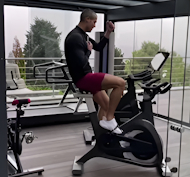
One of the greatest strengths of outdoor garden rooms is their design versatility. Whether you want a sleek, modern office, a cozy creative studio, or a multi-purpose space that doubles as a guest room or gym, there are endless design possibilities.

For professionals, this flexibility means you can create a space tailored to your exact needs. For example:

  • Writers and creatives might prefer a minimalist glass room flooded with natural light.

  • Tech professionals may want a fully equipped office with strong Wi-Fi, built-in storage, and ergonomic furnishings.

  • Therapists or consultants can design a professional yet welcoming environment for client meetings.

The adaptability of outdoor garden rooms makes them suitable for virtually every profession, ensuring you can work comfortably and efficiently no matter your industry.

6. Improved Work-Life Balance

Remote working often blurs the lines between professional and personal life. Without a physical office, it’s easy to find yourself answering emails late at night or taking work calls during family time.

Having a garden room as your designated office helps restore balance. At the end of the day, simply closing the door and walking back into your home signals the end of work. This mental separation is invaluable for reducing stress, preventing burnout, and protecting your personal time.

By creating boundaries between work and home life, outdoor garden rooms make remote working more sustainable in the long run.

7. Boosting Property Value

In addition to the personal benefits, outdoor garden rooms can also increase the value of your property. Homebuyers are increasingly looking for houses with dedicated workspaces, especially since remote working has become a permanent feature of modern life.

A stylish, well-built garden room can make your home stand out in the market, offering potential buyers a ready-made home office or versatile extra space. If you ever decide to sell your property, your investment in a garden room is likely to pay off.

8. Eco-Friendly Living and Working

Sustainability is a growing priority for many homeowners and professionals. Many outdoor garden rooms are designed with eco-friendly materials and energy-efficient features such as double-glazed windows, insulated panels, and green roofing options.

By working in a garden room, you also reduce the need for daily commuting, lowering your carbon footprint. This makes outdoor garden rooms not only a smart personal investment but also an environmentally responsible choice.

9. The Unique Appeal of Glass Garden Rooms

While all garden rooms offer excellent benefits, glass garden rooms have a unique appeal for work-from-home professionals. Their sleek, modern design creates an inspiring workspace that feels open and connected to the outdoors.

Key benefits include:

  • Abundant natural light that enhances mood and productivity.

  • Panoramic garden views for a serene and motivating atmosphere.

  • A contemporary aesthetic that elevates the look of your home and garden.

Glass garden rooms strike the perfect balance between functionality and style, making them a standout choice for professionals who want their workspace to be as inspiring as it is practical.

10. A Long-Term Investment in Your Career and Lifestyle

Ultimately, investing in an outdoor garden room is more than just creating extra space—it’s a long-term investment in your career, health, and overall lifestyle. By providing a professional, distraction-free environment, it enables you to perform at your best, while also offering a beautiful, versatile addition to your home.

Whether you opt for a classic insulated room or a modern glass garden room, the benefits extend far beyond work. These spaces can double as gyms, relaxation zones, or entertainment areas when you’re not working, ensuring you get maximum value from your investment.

Final Thoughts

For work-from-home professionals, the benefits of outdoor garden rooms are undeniable. They offer a dedicated, distraction-free workspace, boost productivity, improve work-life balance, and enhance the value of your home—all while keeping you connected to nature.

If you’re looking to create the perfect home office, glass garden rooms provide a sleek, modern solution that combines comfort and style with year-round practicality.

At SunSpaces, we specialise in designing and installing high-quality outdoor garden rooms tailored to your lifestyle. Whether you need a quiet office, a creative studio, or a flexible multi-purpose space, our expert team can help bring your vision to life.