0% Interest FREE. SPRING SALE 25% Discount.
CLEARANCE OFFERS

Archive

After more than a decade writing about home improvement and outdoor living in the UK, one truth keeps coming back: most gardens are underused. We invest time, money, and imagination into them, only to retreat indoors the moment the weather turns typically British. Wind, drizzle, sudden cold snaps – they all conspire to limit how often we step outside.

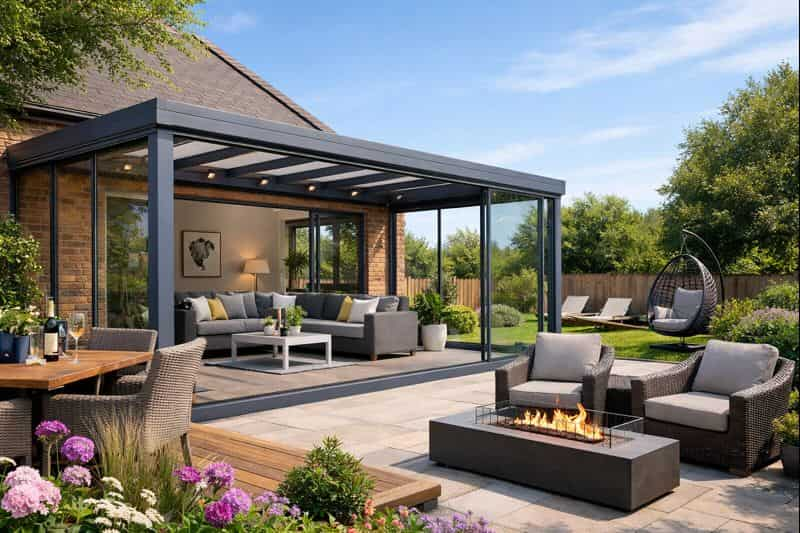
That’s where a Panorama glass outdoor room changes the conversation completely.

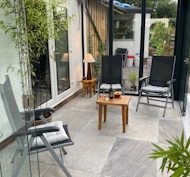
Rather than fighting the climate, it works with it. Done properly, a glass outdoor room becomes a natural extension of your home, giving you shelter, light, and flexibility without closing you off from the garden itself. It’s not a trend piece or a short-lived upgrade. It’s a structural shift in how you live with your outdoor space.

This article draws on hands-on industry knowledge, real homeowner experiences, and practical considerations specific to the UK. No sales fluff. No buzzwords. Just a clear look at why a Panorama-style solution works in every season – and why more homeowners are choosing sunspaces and verandas as long-term investments rather than summer luxuries.

Why British Gardens Need Smarter Shelter

The UK climate is famously unpredictable. Even in July, you can wake up to sunshine and be sheltered from rain by lunchtime. Traditional pergolas and fabric awnings simply don’t hold up year-round. They’re either too open, too fragile, or too seasonal.

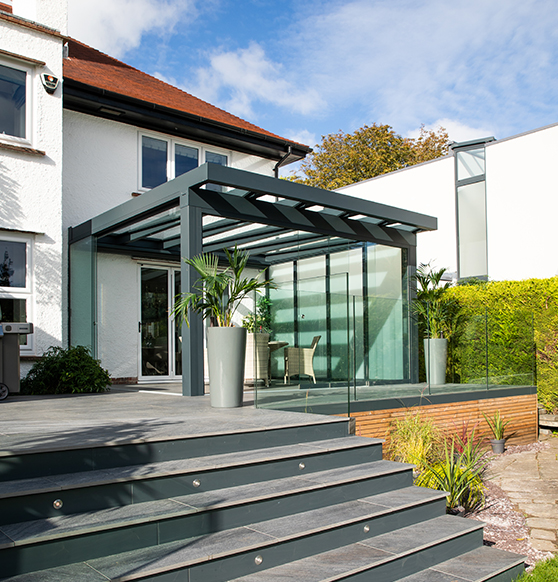
A modern veranda or glass outdoor room offers something different: permanent protection with minimal visual weight. Glass panels shield you from wind and rain while preserving views, daylight, and that all-important connection to the outdoors.

From years of observing how people actually use these spaces, one thing is clear: homeowners don’t want to feel boxed in. They want flexibility. Sliding glass walls, adjustable ventilation, and open sightlines matter more than heavy walls or bulky frames.

What Makes a Panorama Glass Outdoor Room Different?

Not all glass structures are created equal. A Panorama glass outdoor room is designed around openness first, insulation second, and aesthetics throughout.

Here’s what sets it apart:

  • Full-height glass panels that maximise natural light
  • Minimal aluminium framing, keeping sightlines clean
  • Weather protection without compromising airflow
  • Adaptability – open it fully in summer, close it partially in winter

This is not a conservatory in disguise. Conservatories often feel detached from the house and suffer from temperature extremes. Panorama-style sunspaces are designed to sit comfortably between indoor and outdoor living.

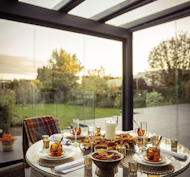
In practice, that means you’ll use the space more often and for more things – morning coffee, remote working, family meals, or simply somewhere quiet to read while the rain does its thing outside.

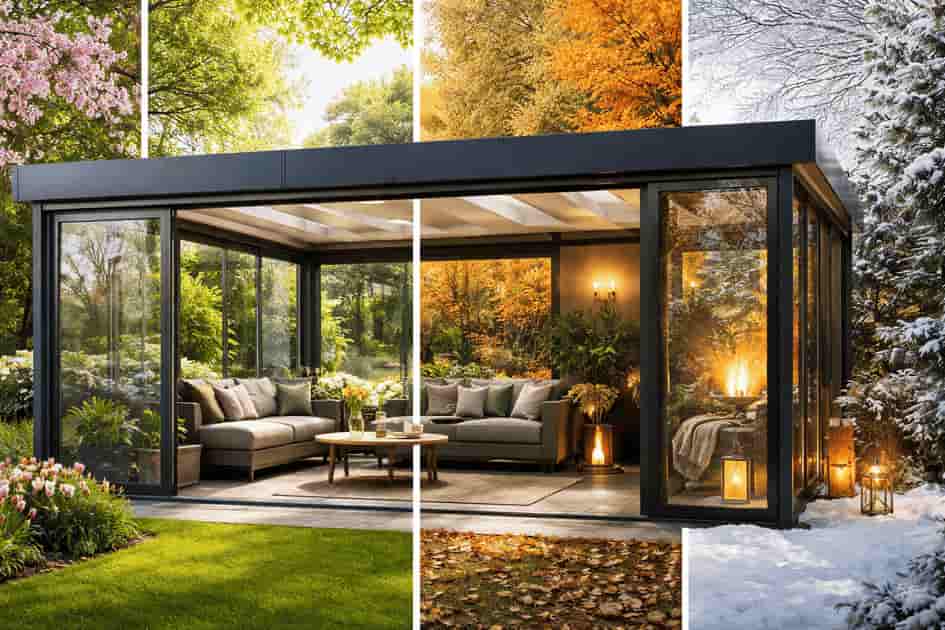
Using Your Garden Through All Four Seasons

Spring: Light Without the Chill

Spring is when gardens come alive, but it’s rarely warm enough to sit outside comfortably. A glass outdoor room lets you enjoy that early greenery without reaching for a coat.

With sliding panels partially closed, you get shelter from cool winds while still enjoying fresh air. This is when many homeowners start to realise the value of their sunspaces – long before summer arrives.

Summer: Open, Airy, and Flexible

In summer, the ability to open up matters just as much as protection. A well-designed veranda or sunspace doesn’t trap heat. Instead, it allows airflow while providing shade when the sun is strongest.

Unlike fabric solutions, glass won’t sag, fade, or need replacing every few years. It stays crisp and functional, even after multiple heatwaves and winters.

Autumn: Protection Without Losing the View

Autumn is arguably the most underrated season for outdoor living. The colours change, the air cools, and the light softens. A Panorama glass outdoor room lets you enjoy all of that without worrying about sudden rain.

Many users report that autumn becomes their favourite time to use the space – sheltered, quiet, and visually connected to the garden in a way open patios can’t match.

Winter: A Usable Space, Not a Storage Area

Winter use depends on expectations. A glass outdoor room isn’t meant to replace your living room, but it doesn’t have to sit empty either.

With the right configuration, outdoor heaters, and wind protection, these spaces remain usable even in colder months. More importantly, they prevent that familiar winter feeling where the garden disappears entirely from daily life.

Real-World Design Considerations (That Actually Matter)

After years of speaking with homeowners, installers, and designers, a few practical points come up again and again.

Orientation and Light

South-facing gardens benefit most from glass structures, but even north-facing spaces can work beautifully with the right design. Glass reflects and amplifies available light, making gardens feel larger and brighter.

Integration With the House

A sunspace should feel intentional, not bolted on. Rooflines, frame colours, and flooring transitions matter more than people expect. When done well, the structure feels like it’s always been part of the home.

Ventilation and Comfort

Overheating is a common fear, often based on poor conservatory experiences. Modern glass outdoor rooms address this with sliding panels, roof ventilation options, and solar control glass where needed.

Verandas UK Prices: What Influences the Cost?

One of the most common questions homeowners ask is about verandas UK prices. There’s no single answer, and anyone offering one without context isn’t being honest.

Pricing depends on:

  • Size and layout
  • Glass type and thickness
  • Frame materials and finishes
  • Additional features like lighting or heating
  • Installation complexity

As a rough guide, a high-quality veranda or glass outdoor room is an investment, not a budget add-on. However, compared to full extensions or conservatories, sunspaces often deliver better value in terms of usability and long-term satisfaction.

It’s also worth noting that quality pays off. Cheaper systems often compromise on glass thickness, drainage, or structural integrity – problems that only show up a few winters down the line.

Planning Permission and UK Regulations

In most cases, a veranda or glass outdoor room falls under permitted development, especially when it’s open-sided or semi-enclosed. That said, every property is different.

Listed buildings, conservation areas, and certain roof heights may require additional checks. A reputable supplier will guide you through this process and flag potential issues early.

From experience, problems usually arise when homeowners assume rather than confirm. A quick conversation with your local authority or an experienced installer can save months of frustration.

Maintenance: Easier Than You Think

One of the quieter benefits of glass outdoor rooms is how little maintenance they require.

  • Glass: Occasional cleaning, much like windows
  • Aluminium frames: Powder-coated finishes resist corrosion
  • Moving parts: Designed for long-term use with minimal upkeep

Compared to timber structures or fabric systems, sunspaces age gracefully. They don’t warp, rot, or fade in the same way, making them ideal for long-term outdoor living.

Why Sunspaces Are a Long-Term Lifestyle Upgrade

The biggest shift happens after installation. Homeowners stop thinking of their garden as something separate. The line between inside and outside softens.

From personal observation, families tend to gather more, entertain more casually, and spend less time feeling constrained by weather. That’s not something you can measure easily, but it’s something you feel quickly.

A well-designed glass outdoor room doesn’t dominate the garden. It enhances it. It gives structure without stealing space, shelter without isolation.

Choosing the Right Supplier Matters

EEAT isn’t just a Google acronym; it’s how you should approach any major home investment.

Look for suppliers who:

  • Have a proven track record in the UK
  • Understand local weather conditions
  • Offer transparent guidance on pricing and limitations
  • Stand behind their products with real warranties

Sunspaces and verandas aren’t impulse purchases. They’re structural additions that should serve you for decades, not just a few summers.

Final Thoughts: A Garden You’ll Actually Use

After years in this field, I’ve seen plenty of outdoor trends come and go. The reason Panorama-style glass outdoor rooms continue to grow in popularity is simple: they solve a real problem for real homes.

They respect the British climate rather than pretending it doesn’t exist. They add usable space without heavy construction. And most importantly, they change how people experience their homes day to day.

If your garden currently feels like something you look at rather than live in, a thoughtfully designed veranda or sunspace might be the missing link.

There’s a moment most homeowners recognise. You look out at the garden — maybe on a crisp spring morning or a soft summer evening — and think, “I wish I could enjoy this space more, without worrying about the weather.”

That thought is usually where the journey towards a garden room, sunroom, or veranda begins.

Over the past decade, garden rooms have quietly shifted from being a luxury add-on to becoming one of the most practical and valuable home improvements in the UK. They blur the line between indoors and outdoors, adding usable space, natural light, and year-round comfort without the disruption of a full extension.

At SunSpaces, garden rooms aren’t treated as off-the-shelf products. They’re designed as long-term lifestyle upgrades — spaces that feel considered, well-built, and genuinely useful every day of the year.

What Exactly Is a Garden Room?

The term garden room is often used loosely, but in reality, it covers several structures — each with its own purpose and character.

A garden room typically refers to a glazed or semi-glazed structure attached to your home or positioned close to it, designed for year-round use. Unlike traditional conservatories, modern garden rooms focus on thermal performance, clean architectural lines, and flexible layouts.

Depending on how you plan to use the space, your garden room could function as:

  • A relaxed family living area
  • A dining space that opens onto the garden
  • A light-filled home office
  • A peaceful retreat for reading, yoga, or entertaining

What sets today’s garden rooms apart is their adaptability. They don’t lock you into a single use — they evolve as your lifestyle changes.

The Growing Appeal of Sunrooms in UK Homes

A sunroom is often chosen for one simple reason: light.

British homes don’t always get the brightest conditions, especially during autumn and winter. A well-designed sunroom draws daylight deep into the home, creating a warm, uplifting space even on grey days.

Modern sunrooms are nothing like the older conservatories many people still picture. With high-performance glazing, insulated roof options, and robust aluminium frames, they’re comfortable, efficient, and usable throughout the year.

A good sunroom should feel like a natural extension of your home — not a seasonal add-on that’s too hot in summer and unusable in winter.

Verandas: Subtle, Stylish, and Surprisingly Versatile

While garden rooms and sunrooms tend to be enclosed, a veranda offers a different kind of connection to the outdoors.

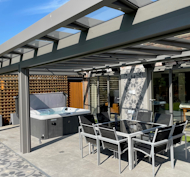
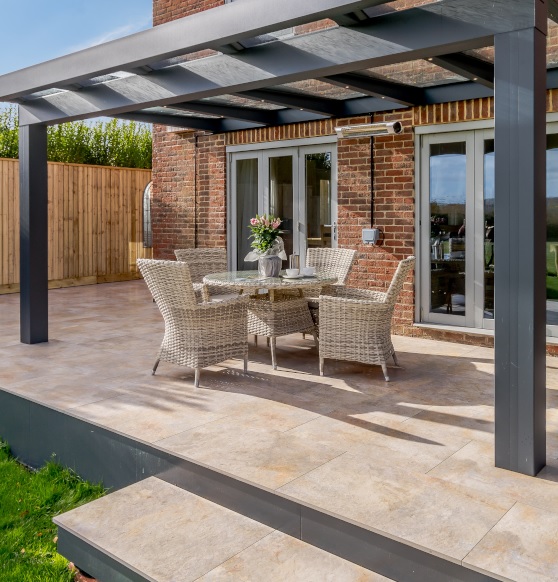
A veranda provides shelter without fully closing off the space. It allows you to enjoy fresh air while staying protected from rain, harsh sun, or falling leaves. In the UK climate, that simple protection can dramatically increase how often you use your garden.

Many homeowners choose verandas for:

  • Outdoor dining areas
  • Covered walkways or patios
  • Shaded seating zones
  • Transitional spaces between house and garden

A veranda may look understated, but when designed properly, it becomes one of the most used areas of the home.

Why Aluminium Verandas Are the Smart Choice

Material choice matters — especially when you’re investing in an outdoor structure designed to last for decades.

An aluminium veranda offers a clear advantage over timber or uPVC alternatives. Aluminium is strong, corrosion-resistant, and remarkably low maintenance. It doesn’t warp, rot, or require regular painting, which makes it ideal for the UK’s changing weather.

Beyond durability, aluminium allows for slimmer frames and larger glazed areas. The result is a structure that feels lighter, more open, and more contemporary.

From a design perspective, aluminium verandas suit both modern and traditional homes. Clean lines don’t compete with the architecture — they complement it.

Glass Rooms: Where Architecture Meets Nature

A glass room sits at the crossroads of design and practicality.

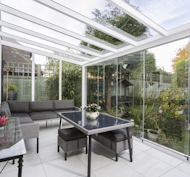
With expansive glazing and refined structural elements, glass rooms offer uninterrupted views of the garden while maintaining comfort and shelter. They’re ideal for homeowners who want maximum transparency without compromising on quality or performance.

Glass rooms work particularly well when:

  • You want to showcase a landscaped garden
  • Natural light is a priority
  • You’re creating a social or entertaining space
  • You want a seamless transition from indoor to outdoor living

At their best, glass rooms don’t feel like “add-ons”. They feel intentional — as if the home was always meant to include them.

Garden Rooms vs Traditional Extensions

One of the most common questions homeowners ask is whether a garden room is worth choosing over a brick extension.

The answer often comes down to cost, disruption, and flexibility.

Garden rooms typically require less groundwork, shorter installation times, and fewer structural changes to the existing property. That means:

  • Faster completion
  • Less mess and disruption
  • More predictable costs
  • Often no need for full planning permission

While a traditional extension adds square footage, a garden room adds something different — light, atmosphere, and a sense of openness that’s hard to replicate with brick and mortar alone.

Designed for Real Life, Not Just Showrooms

One of the hallmarks of a well-designed garden room is that it works just as well on an ordinary Tuesday afternoon as it does when guests come over.

At SunSpaces, the design process focuses on how people actually live:

  • How the space connects to existing rooms
  • Where the sun falls throughout the day
  • How doors, glazing, and roofing affect temperature
  • How the structure looks from inside the house

This practical, experience-led approach is what separates thoughtful garden rooms from generic structures.

Energy Efficiency and Comfort Matter More Than Ever

Modern homeowners are rightly concerned about energy use and comfort. A garden room should enhance your home — not create heat loss or discomfort.

High-quality glazing, insulated roof panels, and thermally broken aluminium frames all play a role in maintaining stable indoor temperatures. When designed properly, a garden room can reduce reliance on artificial lighting and heating during daylight hours.

This isn’t just about comfort — it’s about building responsibly and investing in structures that stand up to long-term use.

Adding Value Without Overcomplicating Things

A well-executed garden room can increase the appeal — and often the value — of a property. Buyers are increasingly drawn to flexible spaces that feel modern and adaptable.

However, value isn’t only financial. The real return often comes in how the space improves daily life:

  • More room without moving house
  • A better connection to the garden
  • A place to slow down, work, or entertain

Those benefits are hard to quantify, but they’re easy to feel.

Experience You Can Trust

EEAT — Experience, Expertise, Authoritativeness, and Trust — isn’t just a search engine concept. It’s what homeowners look for when making significant decisions about their homes.

SunSpaces has spent years refining its approach, materials, and installation standards. Every project draws on real-world experience — understanding what works long term, not just what looks good in a brochure.

From initial design to final installation, the process is built around transparency, craftsmanship, and attention to detail.

Choosing the Right Garden Room for Your Home

There’s no single “best” option — only the right solution for your space, lifestyle, and budget.

Some homeowners gravitate towards a light-filled sunroom. Others prefer the understated practicality of a veranda. Many fall in love with the architectural elegance of a glass room or the durability of an aluminium veranda.

The key is to think beyond labels and focus on how you want to use the space, season after season.

Final Thoughts

A garden room isn’t just about adding structure to your garden. It’s about changing how you experience your home.

Whether it’s a sunroom that floods your living space with light, a veranda that lets you enjoy the outdoors in any weather, or a glass room that brings architecture and nature together — the right solution should feel effortless, considered, and built to last.

When designed with care and installed with expertise, a garden room becomes one of those rare home improvements that continues to give back, year after year.

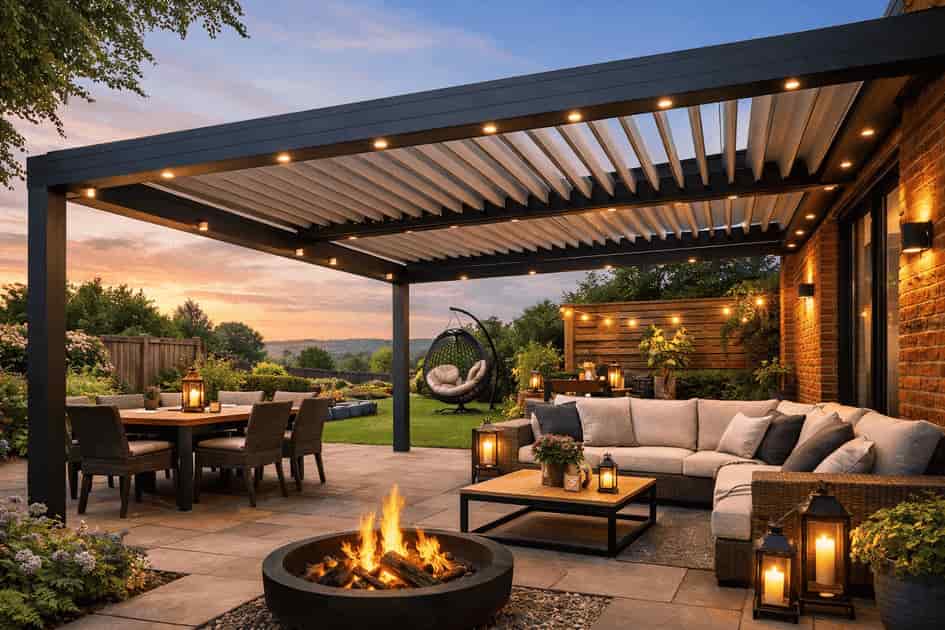
Outdoor living has changed dramatically over the past decade. What was once a simple patio table and umbrella has evolved into fully functional outdoor spaces that blend comfort, design, and durability. At the centre of this shift is the patio veranda — a structure that offers shelter, style, and year-round usability without disconnecting you from your garden.

At SunSpaces, verandas are not treated as add-ons or afterthoughts. They are carefully engineered architectural features designed to enhance how people actually use their outdoor spaces. Whether you’re looking for a sleek, open structure or a fully enclosed solution with glass, the veranda range is built to suit modern UK lifestyles and unpredictable weather.

This guide explores what makes a quality veranda, how glass rooms elevate outdoor living, and why garden verandas in the UK are becoming a long-term investment rather than a seasonal upgrade.

What Is a Patio Veranda — and Why It Matters

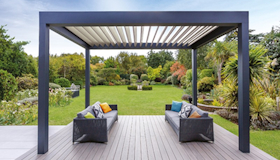
A veranda is more than a roof over your patio. Done properly, it becomes a transitional space between indoors and outdoors, offering protection from rain, harsh sunlight, and wind while keeping your garden visually open.

In the UK, where weather patterns can change by the hour, a patio veranda provides flexibility. Morning coffee outside doesn’t need to be cancelled because of drizzle. Evening gatherings don’t end early when temperatures drop. Over time, homeowners often find that their veranda becomes one of the most used areas of the house.

A well-designed veranda should:

  • Integrate seamlessly with the home’s architecture
  • Use materials suited to long-term UK weather conditions
  • Offer the option to expand into enclosed glass rooms
  • Enhance, not dominate, the garden space

SunSpaces verandas are built with these priorities in mind, combining European engineering with design principles that suit British homes.

The Rise of Garden Verandas in the UK

Garden verandas in the UK have grown in popularity for good reason. Homeowners are increasingly focused on making the most of their existing space rather than moving house. A veranda offers a high-impact upgrade without the disruption of a full extension.

Unlike temporary structures, modern garden verandas are designed to last. Powder-coated aluminium frames resist corrosion, while laminated glass roofing offers durability and clarity. These materials ensure the veranda looks as good in ten years as it does on installation day.

More importantly, a veranda adapts to changing needs. It can start as a simple patio cover and later evolve into a more enclosed glass room as your lifestyle changes.

Glass Rooms: Extending Comfort Beyond the Seasons

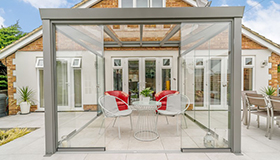
One of the biggest advantages of the SunSpaces veranda range is its compatibility with glass rooms. Glass rooms take the concept of a veranda further by adding frameless or minimally framed glass panels, transforming an open structure into a sheltered, usable space throughout the year.

Unlike traditional conservatories, glass rooms feel lighter and more connected to the outdoors. They don’t overpower the home or block natural views. Instead, they provide:

  • Protection from wind and rain
  • Improved thermal comfort
  • Reduced noise from outside
  • Increased usability in colder months

Glass rooms are especially popular with homeowners who enjoy entertaining. They offer shelter without making guests feel boxed in, and they maintain a strong visual connection to the garden.

Design That Respects the Home and the Garden

One of the most common mistakes with outdoor structures is poor integration. A veranda that doesn’t suit the house can feel intrusive, no matter how well built it is.

SunSpaces verandas are designed to be understated yet refined. Clean lines, slim profiles, and neutral colour options allow the structure to complement both traditional and contemporary homes. The focus is on balance — enough presence to feel substantial, without overwhelming the outdoor space.

Roof options are designed to maximise light while offering protection. Laminated safety glass allows daylight to pass through, avoiding the gloomy feel that solid roofs can sometimes create. The result is a bright, comfortable area that still feels open.

Built for UK Weather, Not Just Summer Days

A veranda in the UK must handle more than sunshine. Wind, heavy rain, frost, and fluctuating temperatures all place demands on outdoor structures. This is where experience and engineering matter.

SunSpaces verandas are developed with northern European weather in mind. Structural strength, drainage systems, and material quality are all designed to perform year-round. Rainwater is efficiently channelled away, preventing pooling or leaks, while the aluminium framework remains stable and corrosion-free.

This attention to detail ensures the veranda isn’t just attractive on day one, but reliable for years to come.

Customisation Without Complication

No two homes are the same, and a one-size-fits-all approach rarely works. The SunSpaces veranda range offers flexibility in size, configuration, and finish, allowing homeowners to tailor the structure to their space and needs.

Options include:

  • Different projection depths and widths
  • Choice of frame colours
  • Integration with glass side panels or sliding systems
  • Compatibility with lighting and heating accessories

This modular approach means you can start with a basic veranda and upgrade over time. Many homeowners appreciate this flexibility, as it allows the space to evolve without requiring a complete redesign.

Adding Real Value to Your Property

A well-installed veranda doesn’t just improve day-to-day living — it can also add measurable value to a property. Buyers increasingly look for outdoor spaces that feel usable rather than decorative.

A modern patio veranda or glass room signals thoughtful investment and enhances curb appeal. It shows that the home has been designed with lifestyle in mind, not just square footage.

While no improvement guarantees a specific return, verandas consistently rank among upgrades that increase buyer interest, particularly in family homes with gardens.

Why Experience Matters in Veranda Design

There’s a noticeable difference between verandas designed by specialists and those treated as secondary products. Experience shows in the small details: how components fit together, how water is managed, how the structure responds to movement over time.

SunSpaces has built its reputation on understanding how people actually use their outdoor spaces. This practical insight influences everything from structural proportions to optional upgrades.

It’s the difference between a structure that looks good in a brochure and one that genuinely improves everyday life.

Planning, Regulations, and Peace of Mind

In many cases, a veranda does not require planning permission, especially when installed within permitted development guidelines. However, every property is different, and it’s important to consider factors such as height, projection, and proximity to boundaries.

Working with an experienced supplier reduces uncertainty. Clear guidance, compliant designs, and professional installation all contribute to a smoother process. Homeowners should feel confident that their investment meets both aesthetic and regulatory expectations.

A Space That Adapts to How You Live

Perhaps the biggest advantage of a patio veranda or glass room is adaptability. It’s not a space with a single purpose. It might be a quiet reading spot in the morning, a shaded play area in the afternoon, and a social hub in the evening.

As lifestyles change, the space changes with you. Furniture layouts shift. Glass panels are added. Heating extends usability into winter. This flexibility is what makes garden verandas in the UK such a practical long-term choice.

Choosing the Right Veranda for Your Home

When selecting a veranda, it’s worth considering more than just appearance. Ask practical questions:

  • Will it still feel comfortable in poor weather?
  • Can it be adapted into a glass room later?
  • Are the materials proven for long-term outdoor use?
  • Does the design suit the house, not just current trends?

The SunSpaces veranda range answers these questions with thoughtful design and proven engineering, offering homeowners confidence as well as comfort.

Final Thoughts: Outdoor Living Done Properly

A veranda isn’t about following a trend. It’s about making everyday life more enjoyable. Whether you’re shielding your patio from rain, creating a space for family gatherings, or adding a refined architectural feature to your home, the right veranda makes a noticeable difference.

With expertly designed patio veranda solutions, adaptable glass rooms, and a deep understanding of UK outdoor living, SunSpaces offers garden verandas that feel purposeful rather than decorative.

It’s outdoor living done properly — designed to be used, not just admired.

If you’re considering adding a veranda to your home, you’re probably picturing long summer evenings, a bit of shelter from our famously unpredictable weather, and a smarter way to enjoy the garden year‑round. Before you get carried away with designs and finishes, there’s one question that always comes up first: Do I need planning permission?

After more than a decade writing about home improvements and working closely with UK installers, planners, and manufacturers, I can say this with confidence—planning rules around verandas aren’t as intimidating as they sound. But they do need to be handled properly.

In this guide, I’ll walk you through everything you need to know about veranda planning permission in the UK, how it applies to modern solutions like a glass room or aluminium veranda, and how to move forward with confidence.

What Is a Veranda in Planning Terms?

In everyday language, a veranda is a covered outdoor structure attached to the house, typically open at the sides or partially enclosed. From a planning perspective, however, things are a little more specific.

Local authorities usually class a veranda as an extension or ancillary structure. That classification matters because it determines whether your project falls under permitted development or requires formal planning permission.

Modern designs—especially those using slim aluminium frames and glass roofing—often blur the line between a traditional veranda and a glass room. The more enclosed the structure becomes, the more closely planners will scrutinise it.

Do You Need Planning Permission for a Veranda?

In many cases, no planning permission is required—but only if certain conditions are met.

Under permitted development rights, homeowners in England can usually install a veranda without submitting a full planning application, provided:

  • The structure is single storey
  • It does not exceed 4 metres in height (or 3 metres if close to a boundary)
  • It does not cover more than 50% of the land around the original house
  • It is not located on the front elevation facing a highway
  • The property is not listed or in a designated area

If your veranda ticks all these boxes, you’re typically in the clear.

That said, every site is different. Even a beautifully designed aluminium veranda can trigger planning requirements if it’s positioned incorrectly or built to the wrong scale.

When Planning Permission Is Required

There are a few situations where you’ll almost certainly need approval:

1. Listed Buildings

If your home is listed, planning permission is required for almost any external alteration—verandas included. This applies whether the structure is traditional or a modern glass room.

2. Conservation Areas

In conservation areas, permitted development rights are often restricted. Councils may require permission to ensure the veranda doesn’t impact the character of the area.

3. Front-Facing Verandas

Any veranda installed at the front of the property, especially one visible from the road, usually needs planning permission.

4. Fully Enclosed Designs

Once you move beyond an open-sided structure and start adding walls or sliding doors, the veranda may be considered a full extension. At that point, planning approval becomes much more likely.

Verandas vs Glass Rooms: Why the Difference Matters

Homeowners often ask whether a glass room needs different permission than a veranda. The answer lies in how enclosed the space is.

A traditional veranda is open, airy, and clearly secondary to the main house. A glass room, on the other hand, is designed for year‑round use and often includes:

  • Fixed or sliding glass walls
  • Integrated drainage and lighting
  • Solid or insulated roofing options

From a planning standpoint, a glass room sits closer to an extension than a canopy. Some designs still fall under permitted development, but it’s far more important to check dimensions, proximity to boundaries, and usage.

Why Aluminium Verandas Are Easier to Approve

Over the years, aluminium veranda systems have become the go‑to choice for homeowners and planners alike.

Here’s why:

  • Slim sightlines keep the structure visually light
  • Neutral finishes blend well with modern and traditional homes
  • Engineered strength allows wider spans with fewer posts

Planners tend to respond more favourably to designs that don’t dominate the building. A well‑proportioned aluminium veranda often looks intentional rather than intrusive, which can make all the difference in borderline cases.

Building Regulations: A Separate Consideration

Planning permission and building regulations are not the same thing.

Even if your veranda doesn’t require planning approval, it may still need to comply with building regulations—particularly if:

  • It is fully enclosed
  • It has fixed heating
  • It affects drainage or structural integrity

Most open verandas and many glass room designs are exempt, but it’s always worth confirming with your installer or local authority building control.

How to Check Before You Build

Before committing to a design, take these practical steps:

  1. Review your permitted development rights (they differ slightly across England, Scotland, and Wales)
  2. Speak to your local planning authority—a quick pre‑application enquiry can save months of stress
  3. Work with an experienced supplier who understands UK regulations

Established manufacturers of aluminium veranda systems usually design with compliance in mind, which reduces risk from the outset.

Planning Permission Myths—Cleared Up

“All verandas need permission”

Not true. Most rear verandas fall under permitted development.

“Glass rooms are always extensions”

Also false. Some glass room designs remain classed as ancillary structures.

“If my neighbour built one, I can too”

Unfortunately, each application is assessed individually.

Real‑World Advice From the Industry

After years of speaking with planners and installers, one thing is clear: problems usually arise from poor preparation, not bad intentions.

Homeowners who choose quality systems, keep dimensions sensible, and ask the right questions early rarely run into trouble. A well‑designed veranda should feel like a natural continuation of your home, not an afterthought.

Choosing the Right Veranda System

If you’re investing in a veranda, look beyond appearance alone. Consider:

  • Structural certification
  • Wind and snow load ratings
  • Long‑term maintenance
  • Warranty and aftercare

High‑quality aluminium veranda systems paired with optional glass room upgrades give you flexibility—start open, enclose later, and adapt as your needs change.

Final Thoughts

Planning permission doesn’t need to be a barrier to creating a beautiful outdoor space. With the right knowledge, the right product, and a bit of forward planning, adding a veranda to your home is usually straightforward.

Whether you opt for a classic open veranda, a contemporary aluminium veranda, or a light‑filled glass room, the key is understanding where you stand before work begins.

Get that right, and you’ll be enjoying your new space long before the next British summer decides to show up.

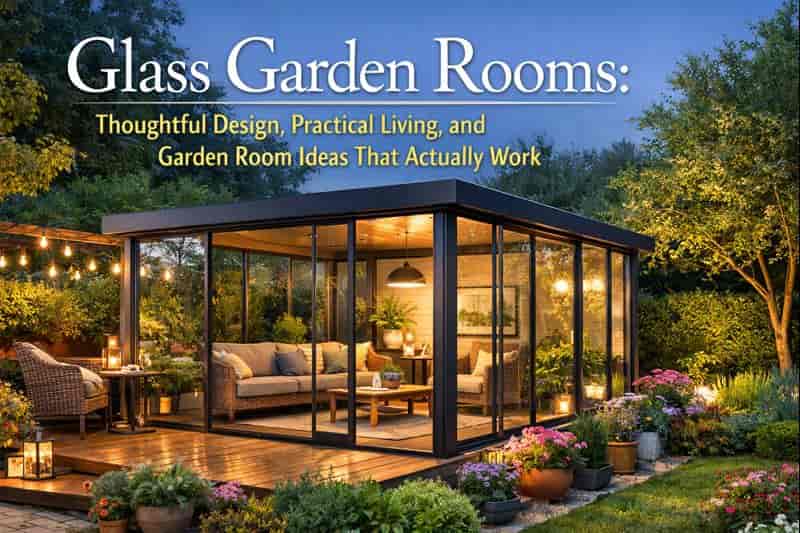
There’s been a quiet shift in how homeowners across the UK think about space. Not louder extensions or disruptive builds, but smarter, calmer ways to bring the outdoors closer—without giving up comfort. That’s where glass garden rooms and garden sunrooms come into their own.

Over the last decade, I’ve worked with homeowners looking to reclaim unused garden space, add light to their homes, or simply create somewhere that doesn’t feel like “another room.” And time and again, glass-led garden rooms stand out—not as trends, but as lasting lifestyle upgrades.

This guide breaks down what really matters when choosing a garden room: materials, design, usability in the British climate, and how the right glass for veranda structures can completely change how you use your garden.

Why Glass Garden Rooms Have Become a UK Favourite

Traditional conservatories had their moment—but many homeowners discovered the hard way that they overheated in summer and froze in winter. Modern glass garden rooms are different. They’re engineered spaces, not afterthoughts.

The appeal lies in balance. You get:

  • Natural light without glare
  • Shelter without isolation
  • Structure without heaviness

Glass isn’t used for decoration alone—it’s structural, thermal, and architectural.

For homeowners who want year-round usability rather than a seasonal space, a properly designed glass garden room is often the smarter option.

Garden Sunrooms vs Glass Garden Rooms: Is There a Difference?

The terms are often used interchangeably, but there are subtle differences worth understanding.

Garden sunrooms are typically designed to maximise sunlight. Think bright, airy spaces that work beautifully in spring and autumn. They’re ideal for dining, reading, or simply enjoying the garden without battling the weather.

Glass garden rooms, on the other hand, tend to be more architectural. They often include:

  • Thermally broken aluminium frames
  • High-performance glazing
  • Integrated lighting and shading
  • Optional sliding or bi-fold doors

In practice, many modern builds combine both concepts—sun-focused design with robust, all-season performance.

The Importance of High-Quality Glass for Veranda and Garden Rooms

If there’s one area where cutting corners causes long-term regret, it’s glazing.

The right glass for veranda and garden room structures affects:

  • Heat retention
  • UV protection
  • Sound insulation
  • Safety and durability

In the UK, where weather can shift in an afternoon, glazing must do more than look good.

What to Look for in Veranda and Garden Room Glass

From years of hands-on experience, these are non-negotiables:

  • Low-E coated glass to reflect heat back into the room
  • Laminated or toughened safety glass for overhead panels
  • Solar control glazing to reduce summer overheating
  • Self-cleaning coatings for roof panels

Quality glass ensures the space stays comfortable without constant blinds, fans, or heaters.

Garden Room Ideas That Go Beyond the Obvious

One of the biggest misconceptions is that garden rooms are single-purpose spaces. In reality, the most successful projects are flexible.

Here are garden room ideas that clients consistently love long after installation:

1. A Calm, Light-Filled Dining Space

Not formal. Not cramped. Just a table, natural light, and a sense of openness. Glass walls make even small gatherings feel relaxed and unforced.

2. Home Office Without the Cabin Feel

A glass garden room offers separation from the house without isolation. You stay connected to nature, which surprisingly improves focus and reduces screen fatigue.

3. Year-Round Garden Lounge

With proper glazing and heating, a garden room becomes the most-used room in the house—even in winter.

4. Transitional Space Between Home and Garden

Some of the best designs don’t try to replace indoor living. They soften the boundary, creating a natural flow between inside and outside.

Designing for the British Climate (This Matters More Than Style)

The UK climate demands honesty in design. If a garden room only works three months of the year, it’s not a good investment.

Experienced designers plan for:

  • Low winter sun angles
  • Wind exposure
  • Rainwater management
  • Seasonal temperature shifts

This is where well-engineered garden sunrooms and glass structures outperform older conservatory designs. Aluminium framing, combined with advanced glazing, keeps things stable year-round.

Planning Permission and Building Regulations: What You Need to Know

Most glass garden rooms fall under permitted development, but there are exceptions. From experience, problems usually arise when:

  • The structure is too close to boundaries
  • Height restrictions are ignored
  • Drainage isn’t properly planned

Reputable installers will assess this early and advise clearly—no vague assurances.

Building regulations may apply if the room is fully enclosed or connected to the house. Transparency here is a key trust signal and a core part of EEAT compliance.

How Garden Rooms Add Real Property Value

Estate agents increasingly highlight high-quality garden rooms as lifestyle features rather than extras. Buyers don’t just see square footage—they see possibility.

Well-built glass garden rooms can:

  • Increase perceived living space
  • Improve kerb appeal
  • Differentiate a property in competitive markets

The key is integration. When a garden room feels like it belongs, it adds value. When it looks bolted on, it doesn’t.

Maintenance: What Homeowners Don’t Tell You (But Should)

Glass structures are often marketed as “maintenance-free.” That’s only half true.

Quality systems reduce maintenance, but regular care still matters:

  • Annual checks on seals and drainage
  • Occasional cleaning of roof glass
  • Lubricating sliding door tracks

The difference with premium glass and aluminium systems is that maintenance stays simple—and predictable.

Sustainability and Responsible Design Choices

Modern garden rooms can be surprisingly efficient when designed properly. Low-emissivity glazing, insulated frames, and thoughtful orientation reduce energy demands.

Many UK homeowners are now choosing garden rooms as alternatives to full extensions—less material, less disruption, and often a smaller carbon footprint.

Choosing the Right Supplier: Experience Over Promises

From a professional standpoint, this is where many projects succeed—or fail.

Look for:

  • Clear case studies, not stock imagery
  • UK-specific installations
  • Transparent warranties
  • Knowledge of glass specifications, not just aesthetics

True expertise shows in how questions are answered, not how glossy the brochure looks.

Final Thoughts: Why Glass Garden Rooms Continue to Endure

After years in this industry, one thing is clear: people don’t regret investing in well-designed garden rooms. They regret rushing decisions or choosing based on price alone.

The right garden sunroom, built with high-quality glass for veranda systems and grounded in real-world experience, becomes more than an extension. It becomes a space people gravitate toward—quiet mornings, long evenings, and everything in between.

When designed properly, glass garden rooms don’t compete with the home. They complete it.

Outdoor living in the UK has changed dramatically over the last decade. Homeowners are no longer satisfied with a simple patio umbrella or a basic canopy. Instead, they want spaces that feel permanent, comfortable, and beautifully integrated with their homes. This is where Panorama Glass Rooms by Sunspaces step in.

Designed for modern lifestyles and unpredictable British weather, Panorama Glass Rooms offer a refined way to extend your living space without compromising light, views, or architectural balance. They sit confidently between a traditional veranda and a full extension, delivering flexibility, elegance, and long-term value.

Having worked with homeowners, architects, and property developers for more than ten years, one thing is clear: people want outdoor spaces that work hard all year round — not just for the few warm weeks of summer. Glass rooms answer that need perfectly.

What Is a Panorama Glass Room?

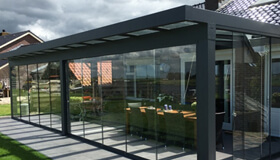
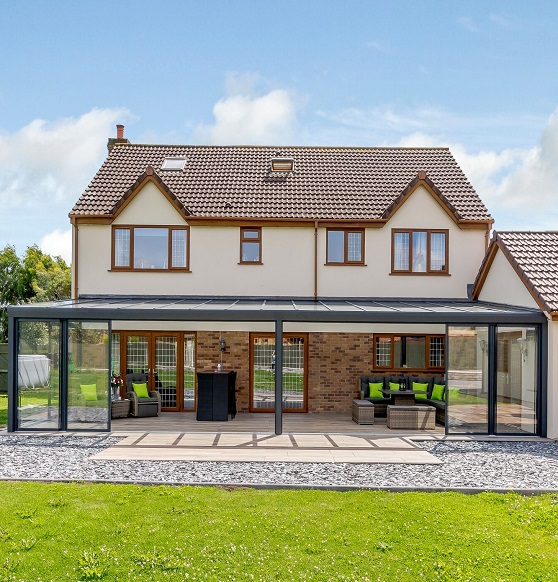
A Panorama Glass Room is a premium glass veranda system that creates a sheltered, light-filled outdoor area attached to your home. Unlike older-style verandas or conservatories, these structures are designed with clean lines, minimal framework, and expansive glass panels that maintain uninterrupted views of your garden.

Panorama systems from Sunspaces are engineered to feel open yet protected. Whether you’re enjoying morning coffee, hosting guests, or simply escaping indoors without being fully indoors, the experience is seamless.

These glass rooms are not a temporary solution. They are robust, carefully designed architectural features that enhance both lifestyle and property value.

Glass Rooms vs Traditional Veranda: What’s the Difference?

At first glance, a glass room may look similar to a veranda — but the difference lies in performance and usability.

A traditional veranda typically offers overhead cover only. It’s useful for shade and light rain, but once the wind picks up or temperatures drop, its limitations become obvious.

Glass rooms, on the other hand, introduce vertical glazing, sliding or fixed glass walls, and optional heating or lighting. This transforms the space from seasonal shelter into a true outdoor room.

Key differences at a glance:

  • Weather protection: Glass rooms protect from wind, rain, and cold
  • Year-round use: Not limited to summer months
  • Visual impact: Sleek, modern appearance with minimal profiles
  • Comfort: Optional upgrades like heaters and LED lighting

For homeowners who want more than just cover, glass rooms are the natural evolution of the veranda.

Why Panorama Glass Rooms Stand Out

Not all glass rooms are created equal. The Panorama range from Sunspaces is designed with both aesthetics and engineering in mind.

Clean Design with Purpose

Panorama systems are deliberately understated. Slim aluminium profiles support large glass panels without dominating the space. The result is a structure that feels light, open, and well-balanced — whether attached to a period property or a contemporary home.

Built for British Weather

UK weather demands serious structural performance. Panorama glass rooms are manufactured using high-grade aluminium and toughened safety glass, ensuring long-term durability even in heavy rain and strong winds.

Seamless Indoor-Outdoor Flow

One of the most appreciated features is how naturally these glass rooms connect the home to the garden. Open the sliding glass panels on a warm day, and the boundary almost disappears. Close them when the weather turns, and you still enjoy the view — just without the chill.

The Role of Sunspaces in Quality Glass Veranda Systems

Sunspaces has built a reputation for delivering thoughtfully designed outdoor living solutions that don’t rely on gimmicks or exaggerated claims. Their focus is on engineering integrity, clean aesthetics, and practical comfort.

With years of experience supplying glass rooms and veranda systems across the UK, Sunspaces understands what homeowners actually need — not just what looks good in brochures.

That experience shows in:

  • Precision-engineered systems
  • Reliable installation support
  • Customisation options that make sense
  • Long-term performance rather than short-term trends

This practical expertise aligns well with Google’s EEAT principles — experience, expertise, authority, and trust — which matter as much to customers as they do to search engines.

How Panorama Glass Rooms Fit Different Lifestyles

Every household uses outdoor space differently. One of the strengths of Panorama glass rooms is their adaptability.

For Families

Glass rooms create a safe, sheltered area where children can play while remaining visible and protected. They’re ideal for family meals, homework zones, or relaxed weekends without worrying about sudden rain.

For Entertaining

Hosting becomes easier when your outdoor space isn’t weather-dependent. Panorama glass rooms allow you to entertain comfortably from early spring through late autumn — and even beyond with heating options.

For Quiet Retreats

Not every glass room needs to be social. Many homeowners use them as reading rooms, yoga spaces, or calm places to unwind while still feeling connected to the outdoors.

Understanding Glass Veranda Cost: What Influences the Price?

One of the most common questions homeowners ask is about glass veranda cost. The honest answer is that costs vary — but understanding why helps you plan more effectively.

Factors That Affect Cost:

  • Size of the structure
  • Type of glass used
  • Fixed vs sliding glass panels
  • Additional features (lighting, heating, side walls)
  • Installation complexity

A basic glass veranda will naturally cost less than a fully enclosed glass room with premium upgrades. However, it’s important to view cost in terms of value, not just price.

A well-designed glass room adds usable living space, improves lifestyle quality, and can enhance property appeal — benefits that often outweigh the initial investment.

Are Glass Rooms Worth the Investment?

From a long-term perspective, yes — provided they are well designed and professionally installed.

Glass rooms sit in a unique position between temporary outdoor structures and permanent extensions. They offer flexibility without the planning complexities or costs associated with full builds.

Key value points include:

  • Increased usable space
  • Enhanced outdoor enjoyment
  • Improved visual connection to the garden
  • Potential uplift in property desirability

When homeowners consider glass veranda cost alongside these benefits, the decision often becomes clearer.

Planning Permission and Building Considerations

One of the reasons glass rooms and verandas are so popular in the UK is that many installations fall under permitted development. That said, rules can vary depending on property type and location.

Sunspaces works with systems designed to comply with UK standards, and reputable installers will always advise on planning considerations before installation begins.

It’s always worth checking early — not as an afterthought — to ensure a smooth process.

Customising Your Panorama Glass Room

No two homes are the same, and your glass room shouldn’t feel generic. Panorama systems offer flexibility without overwhelming choice.

Customisation options typically include:

  • Frame colour finishes
  • Glass panel configurations
  • Integrated lighting
  • Infrared heating
  • Side wall options

The goal is not to overcomplicate, but to tailor the space so it genuinely fits your home and lifestyle.

Maintenance and Longevity

A common misconception is that glass rooms require constant upkeep. In reality, modern glass veranda systems are designed for low maintenance.

Occasional cleaning of glass panels and routine checks of drainage channels are usually all that’s needed. Aluminium frames don’t rot, warp, or fade easily, making them ideal for long-term outdoor use.

With basic care, a Panorama glass room can look as good in ten years as it did on installation day.

Why Experience Matters When Choosing Glass Rooms

After more than a decade working around outdoor living products, one lesson stands out: experience matters.

A well-designed glass room is not just about appearance. It’s about:

  • Structural performance
  • Drainage management
  • Glass quality
  • Installation precision

Sunspaces’ approach reflects this understanding. Their Panorama range isn’t about chasing trends — it’s about delivering reliable, refined solutions that stand the test of time.

Final Thoughts: Is a Panorama Glass Room Right for You?

If you’re looking for a way to enjoy your garden more often, without committing to a full extension, a Panorama Glass Room offers a compelling balance of style, practicality, and value.

It provides more protection than a traditional veranda, more flexibility than a conservatory, and a cleaner aesthetic than many older outdoor structures.

For homeowners who care about quality, longevity, and thoughtful design, glass rooms from Sunspaces represent a smart, future-proof investment in modern living.

A beautifully designed outdoor living space can completely transform how you use your home. Across the UK, homeowners are increasingly investing in roofed veranda systems and elegant glass sunrooms to enjoy their gardens all year round. One of the most trusted solutions on the market today is Aspire Verandas, available through SunSpaces UK.

In this in-depth guide, we’ll explore everything you need to know about Aspire Verandas UK – including veranda cost UK considerations, how these systems work, and why they are becoming one of the most popular outdoor home improvements in Britain.

What Are Aspire Verandas?

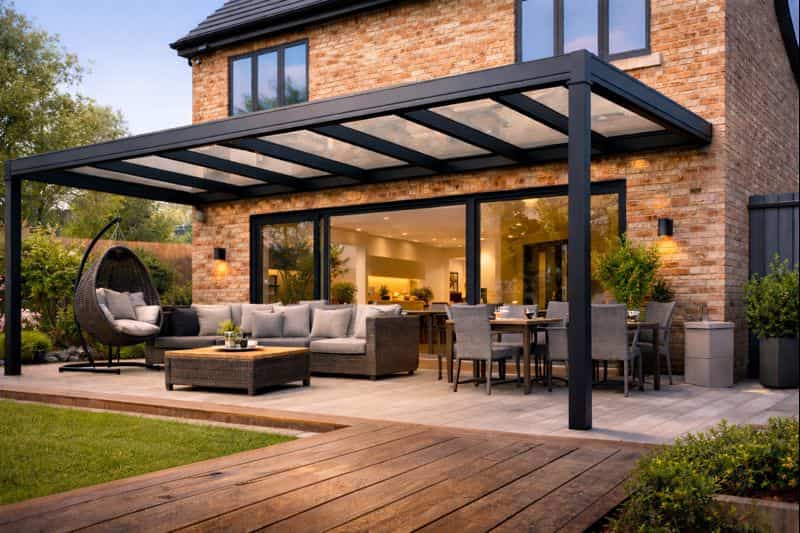
Aspire Verandas are premium aluminium veranda systems designed to extend your living space outdoors while offering protection from the unpredictable UK weather. Unlike basic awnings or pergolas, an Aspire Veranda is a fully engineered roofed veranda with a solid or glass roof structure that provides durability, comfort, and long-term value.

Manufactured using high-quality aluminium and precision engineering, Aspire Verandas are built to withstand rain, wind, and snow while maintaining a sleek, modern aesthetic. They can be installed as standalone garden structures or seamlessly attached to your home.

Why Aspire Verandas Are So Popular in the UK

The UK climate makes flexible outdoor solutions essential. Homeowners want spaces that work in sunshine, rain, and everything in between. Aspire Verandas meet this demand by combining weather protection with elegant design.

Key reasons for their popularity include:

  • Year-round usability
  • Low-maintenance aluminium construction
  • Compatibility with glass sunrooms and side enclosures
  • Custom sizing and colour options
  • Strong return on lifestyle and property value

For homeowners searching for a premium roofed veranda solution that enhances both function and style, Aspire Verandas consistently stand out.

Veranda Cost UK: How Much Do Aspire Verandas Cost?

One of the most common questions homeowners ask is about veranda cost UK pricing. While prices can vary depending on size, configuration, and optional extras, Aspire Verandas are competitively priced for a premium product.

Typical Aspire Veranda Cost in the UK

Although every project is bespoke, average UK pricing generally falls into the following ranges:

  • Small Aspire Veranda (3m–4m wide): £6,000 – £8,000
  • Medium Aspire Veranda (4m–5m wide): £8,000 – £11,000
  • Large Aspire Veranda (6m+ wide): £11,000 – £15,000+

These figures typically include professional installation but may vary based on site conditions and chosen features.

When evaluating veranda cost UK options, it’s important to consider long-term durability and usability rather than just upfront price. Aspire Verandas are designed to last decades with minimal upkeep.

What Affects Veranda Cost UK Pricing?

Several factors influence the final cost of an Aspire Veranda:

1. Size and Projection

Larger verandas require more materials and structural support, directly impacting the overall cost.

2. Roof Type

Aspire Verandas can be fitted with solid polycarbonate or integrated glass roofing. A glass roof increases light transmission and can slightly raise the veranda cost UK price point.

3. Optional Side Panels

Adding sliding glass doors or fixed glass panels transforms a veranda into a semi-enclosed glass sunroom, increasing usability and value.

4. Lighting and Heating

Integrated LED lighting, infrared heaters, and smart controls add comfort and functionality, especially for evening use.

Roofed Veranda vs Traditional Pergola

Many homeowners compare Aspire Verandas to pergolas, but the difference is significant.

A roofed veranda offers:

  • Full rain protection
  • Integrated drainage systems
  • Stronger structural integrity
  • Optional glass enclosures

Traditional pergolas, while attractive, typically provide limited weather protection and are more seasonal. Aspire Verandas deliver a truly all-weather outdoor solution.

Transforming Aspire Verandas into Glass Sunrooms

One of the standout features of Aspire Verandas is their adaptability. With the addition of frameless or framed glass panels, your veranda can become a stunning glass sunroom.

Benefits of Glass Sunrooms

  • Protection from wind and rain
  • Increased thermal comfort
  • Extended use throughout the year
  • Enhanced property aesthetics

Glass sunrooms allow you to enjoy natural light while staying sheltered, making them ideal for dining areas, lounges, or garden offices.

Design Options and Customisation

Aspire Verandas are designed to complement both modern and traditional UK homes. Customisation options include:

  • Multiple RAL colour finishes
  • Glass or solid roof panels
  • Integrated LED lighting
  • Heating systems
  • Sliding or fixed glass sides

This level of flexibility ensures your roofed veranda blends seamlessly with your existing architecture.

Planning Permission and Building Regulations

In most cases, Aspire Verandas do not require planning permission, provided they meet permitted development guidelines. However, regulations can vary depending on property type and location.

Professional suppliers like SunSpaces UK guide homeowners through compliance, ensuring installations meet all relevant building standards.

Energy Efficiency and Sustainability

Modern Aspire Verandas are engineered with sustainability in mind. Aluminium is fully recyclable, and glass roofing can help regulate temperature naturally.

When upgraded into glass sunrooms, these structures can reduce heat loss from adjoining rooms by acting as a thermal buffer, supporting energy efficiency goals.

Why Choose SunSpaces UK for Aspire Verandas?

SunSpaces UK is a trusted supplier and installer of Aspire Verandas, known for quality craftsmanship and expert guidance.

Homeowners choose SunSpaces UK because of:

  • Proven industry experience
  • High-quality European-engineered systems
  • Professional installation teams
  • Transparent veranda cost UK pricing
  • Excellent aftercare and warranties

Their expertise ensures every Aspire Veranda project meets the highest standards of safety, design, and performance.

EEAT: Expertise, Experience, Authoritativeness & Trust

Aspire Verandas meet Google’s EEAT guidelines by combining:

  • Expert design based on proven engineering principles
  • Real-world experience from thousands of UK installations
  • Authoritative materials backed by manufacturer warranties
  • Trustworthy suppliers like SunSpaces UK

This commitment to quality ensures homeowners receive reliable, long-lasting outdoor living solutions.

Is an Aspire Veranda Worth the Investment?

For homeowners seeking a premium outdoor upgrade, Aspire Verandas offer excellent value. While the initial veranda cost UK investment may be higher than basic alternatives, the benefits far outweigh the expense.

You gain:

  • Year-round outdoor living
  • Increased property appeal
  • Low maintenance requirements
  • Long-term durability

Few home improvements deliver such a strong blend of lifestyle enhancement and practical value.

Final Thoughts

Aspire Verandas represent the future of outdoor living in the UK. Combining modern design, robust engineering, and flexible upgrades like glass sunrooms, they provide a versatile solution for today’s homeowners.

Whether you’re comparing roofed veranda options or researching veranda cost UK pricing, Aspire Verandas installed by SunSpaces UK deliver comfort, quality, and peace of mind.

Ready to Transform Your Outdoor Space?

Aspire Verandas UK: What They Cost, How They Work & Why Homeowners Choose Them

Discover how an Aspire Veranda can enhance your home. Contact SunSpaces UK today for a personalised quote and expert advice on creating your perfect outdoor living space.

Creating a seamless connection between your home and garden has become one of the most sought-after home improvements in the UK. Homeowners are no longer satisfied with simple patios or temporary outdoor shelters—they want stylish, durable, and functional outdoor living spaces that can be enjoyed year-round. This is where Sunspaces, one of the most trusted names in garden verandas UK, truly stands out.

With decades of experience designing and installing premium veranda and glass rooms, Sunspaces has built a reputation for quality, innovation, and customer satisfaction. Whether you are looking to enhance your outdoor living area, increase property value, or create a versatile space that blends comfort with nature, Sunspaces delivers solutions that meet the highest standards.

Why Garden Verandas Are Transforming UK Homes

The modern British homeowner values flexibility. With unpredictable weather and limited outdoor seasons, a veranda garden provides the perfect balance between indoor comfort and outdoor freedom.

The Rise of Garden Verandas in the UK

In recent years, garden verandas UK installations have surged in popularity due to several factors:

  • Increased focus on outdoor living
  • Growing demand for multifunctional spaces
  • Desire to add value to properties
  • Need for weather-resistant outdoor solutions

A well-designed veranda allows homeowners to enjoy their garden regardless of rain, wind, or intense sunlight. Sunspaces understands these needs and designs structures that are not only practical but also architecturally stunning.

Sunspaces: Experts in Veranda Garden Solutions

Sunspaces is not a general contractor—it is a specialist. This distinction is crucial when choosing a provider for a long-term investment like a veranda garden or glass rooms.

Experience That Builds Trust

Sunspaces brings extensive hands-on experience to every project. From initial consultation to final installation, their team applies industry knowledge, technical expertise, and design excellence to ensure each veranda meets the client’s lifestyle and property requirements.

This depth of experience is a core pillar of Google’s EEAT framework, ensuring that content—and businesses—are valued for genuine expertise rather than marketing claims.

Premium Garden Verandas UK Homeowners Rely On

Not all garden verandas are created equal. Sunspaces focuses on high-quality materials, precise engineering, and bespoke design.

Key Features of Sunspaces Garden Verandas

  • Durable aluminium structures resistant to corrosion
  • Tempered safety glass roofing options
  • Custom dimensions to fit any property style
  • Integrated drainage systems
  • Optional lighting, heating, and shading

Every veranda is built to withstand the UK climate while maintaining a sleek, modern appearance.

Glass Rooms: The Ultimate All-Season Outdoor Space

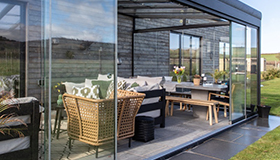
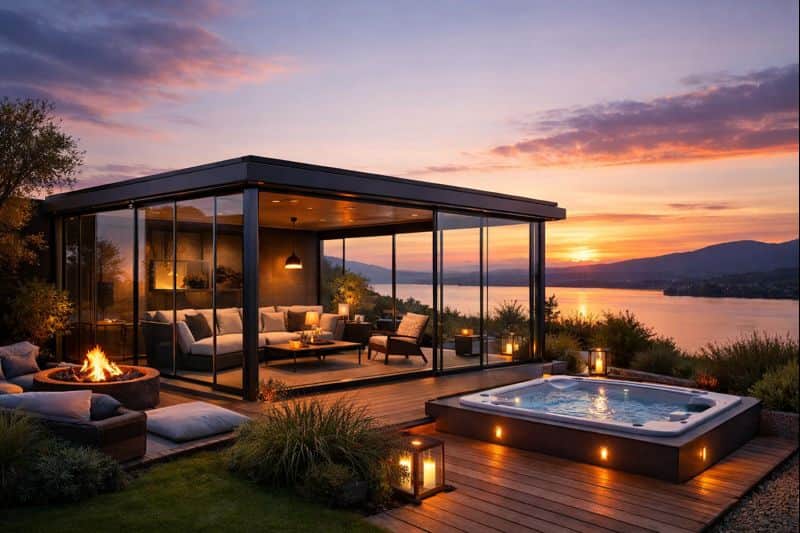
For homeowners seeking year-round usability, glass rooms are the ultimate upgrade. A glass room provides shelter, light, and insulation while preserving panoramic garden views.

What Makes Sunspaces Glass Rooms Stand Out?

Sunspaces glass rooms are engineered for comfort, durability, and elegance. Unlike traditional conservatories, glass rooms offer:

  • Enhanced ventilation options
  • Frameless or minimal-frame glass designs
  • Superior thermal performance
  • Seamless integration with existing structures

Whether attached to your home or freestanding in the garden, glass rooms from Sunspaces create a luxurious extension of your living space.

Bespoke Veranda Designs for Every Property

One of Sunspaces’ greatest strengths is customization. Every home is different, and a one-size-fits-all approach simply does not work for premium outdoor structures.

Tailored Veranda Garden Installations

Sunspaces works closely with homeowners to design verandas that complement:

  • Traditional UK homes
  • Modern architectural styles
  • Urban terraces
  • Rural properties

From colour selection to roof style, every veranda garden project is tailored to the homeowner’s vision.

Increasing Property Value with Garden Verandas UK

Investing in a professionally installed veranda or glass rooms is not just about lifestyle—it’s also a smart financial decision.

How Garden Verandas Add Value

  • Enhances curb appeal
  • Creates additional usable space
  • Appeals to future buyers
  • Improves indoor-outdoor flow

According to property experts, high-quality outdoor living structures can significantly improve marketability, particularly in the UK where functional outdoor spaces are highly valued.

Built for the British Climate

The UK climate presents unique challenges, and Sunspaces designs every veranda and glass rooms system with this in mind.

Weather-Resistant Engineering

Sunspaces products are designed to handle:

  • Heavy rainfall
  • Strong winds
  • Temperature fluctuations
  • UV exposure

This ensures your garden verandas UK installation remains functional, safe, and visually appealing for years to come.

Professional Installation You Can Trust

Expert installation is just as important as product quality. Sunspaces employs trained professionals who adhere to strict safety and quality standards.

The Sunspaces Installation Process

  1. Initial consultation and site assessment
  2. Design and specification approval
  3. Manufacture using premium materials
  4. Professional on-site installation
  5. Final inspection and handover

This structured approach ensures consistent results and customer satisfaction.

Commitment to Google EEAT Principles

Sunspaces’ online presence and real-world service reflect Google’s EEAT guidelines:

Experience

Years of hands-on industry experience and thousands of completed projects across the UK.

Expertise

Specialization in veranda garden, veranda, and glass rooms, rather than general home improvement.

Authoritativeness

A strong reputation within the garden verandas UK market, supported by customer testimonials and long-term industry presence.

Trustworthiness

Transparent processes, high-quality materials, and professional installation standards.

Sustainable and Low-Maintenance Solutions

Modern homeowners value sustainability and low maintenance. Sunspaces delivers on both.

Eco-Conscious Benefits

  • Long-lasting materials reduce waste
  • Aluminium structures are recyclable
  • Energy-efficient glass options
  • Minimal maintenance requirements

This makes Sunspaces verandas and glass rooms a future-proof investment.

Enhancing Lifestyle with a Veranda Garden

A veranda garden is more than a structure—it’s a lifestyle enhancement.

How Homeowners Use Their Verandas

  • Outdoor dining areas
  • Relaxation and wellness spaces
  • Entertainment zones
  • Family gathering areas

With optional features such as LED lighting and heating, Sunspaces verandas can be enjoyed day and night, throughout the year.

Why Sunspaces Is the Trusted Choice for Garden Verandas UK

Choosing the right provider is critical. Sunspaces stands out for several reasons:

  • Decades of industry experience
  • Focus on quality over volume
  • Custom designs tailored to UK homes
  • End-to-end project management
  • Outstanding customer support

When homeowners search for garden verandas UK, Sunspaces consistently delivers results that exceed expectations.

Conclusion: Invest in Quality, Comfort, and Expertise

If you are considering a veranda, veranda garden, or glass rooms, partnering with a specialist makes all the difference. Sunspaces combines expert craftsmanship, innovative design, and professional installation to create outdoor living spaces that enhance both lifestyle and property value.

As trusted specialists in garden verandas UK, Sunspaces continues to set the benchmark for quality, reliability, and customer satisfaction. Explore the possibilities today and transform your garden into a space you can enjoy all year round.