0% Interest FREE. SPRING SALE 25% Discount.
CLEARANCE OFFERS

Tag: sunrooms

If you’ve ever looked out into your garden and thought, “I wish I could enjoy this space all year,” you’re not alone. Over the past decade, outdoor living has quietly evolved in the UK. Homeowners are no longer just adding conservatories or patios — they’re investing in sleek, modern extensions that blur the line between indoors and out.

Two options come up again and again: glass rooms and sunrooms. At first glance, they seem similar. Both bring in natural light, extend your living space, and enhance property value. But when you dig a little deeper, the differences become clear — especially when comparing premium solutions like Panorama glass rooms against traditional sunrooms.

As someone who’s spent years working with homeowners planning outdoor upgrades, I’ve seen how choosing the right structure can transform not just a home, but how people use it. This guide will walk you through the real differences, including costs, performance, and long-term value — without the fluff.

Understanding Modern Glass Rooms in the UK

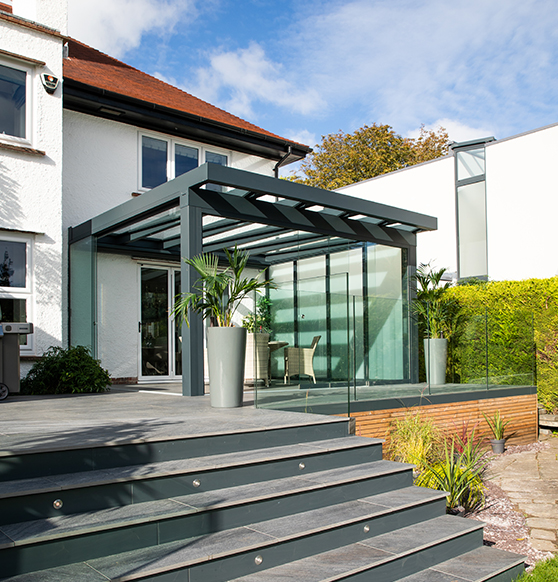
Glass rooms have surged in popularity across the UK for a reason. They offer a contemporary aesthetic that works beautifully with both new builds and older homes. Unlike conservatories of the past, today’s glass rooms are minimal, architectural, and designed to feel seamless.

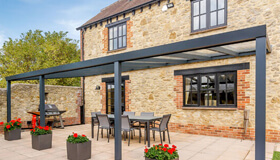
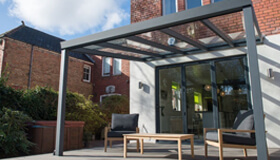
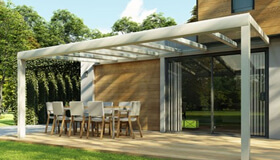
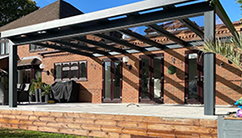
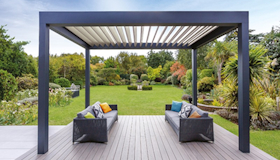
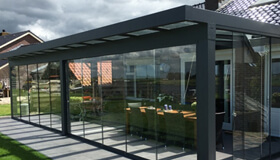
Premium glass rooms — especially modular systems — use aluminium frameworks paired with expansive glazing. The goal isn’t just shelter; it’s clarity. You’re essentially creating a refined outdoor room that still feels open to the elements.

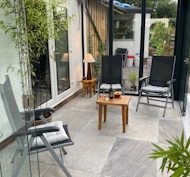
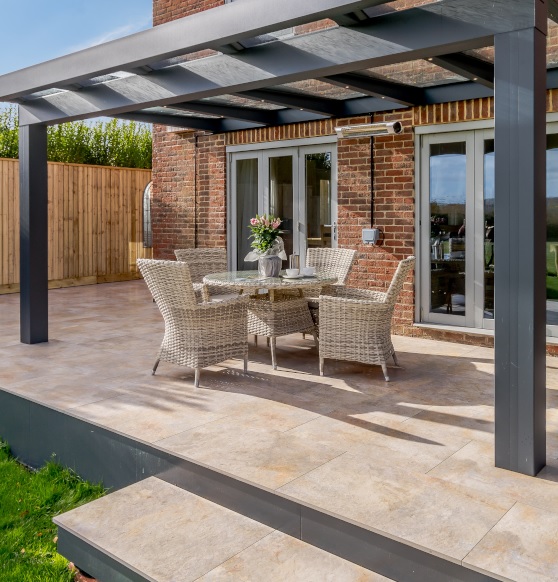
Many homeowners searching for glass rooms UK options are drawn to their versatility. They can function as:

  • Covered outdoor lounges
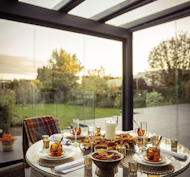
  • Dining spaces that work year-round
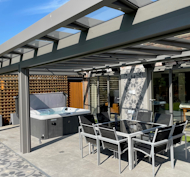
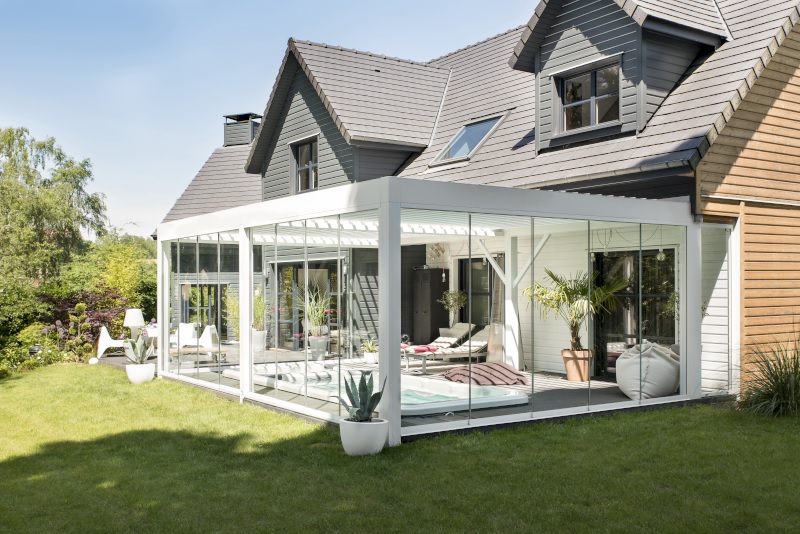
  • Spa or hot tub enclosures
  • Garden offices with a difference

One of the biggest advantages is flexibility. Depending on the design, you can keep them open in summer and enclosed during cooler months.

What Defines a Sunroom?

Sunrooms, on the other hand, have been around for decades. Traditionally, they’re closer in style to conservatories, often fully enclosed and integrated more directly into the house structure.

In the UK, sunrooms are typically:

  • Fully insulated
  • Built as permanent extensions
  • Heavier in construction
  • More traditional in appearance

They’re ideal for homeowners who want a fully indoor environment that feels like a bright extra room rather than a hybrid indoor-outdoor space.

When people search for sunrooms today, they’re usually prioritising warmth and comfort over flexibility. A sunroom behaves more like a living room with extra glazing than an outdoor structure.

Key Design Differences: Minimalism vs Integration

This is where Panorama glass rooms and sunrooms really diverge.

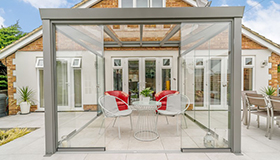
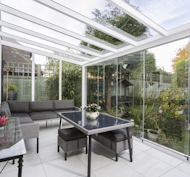
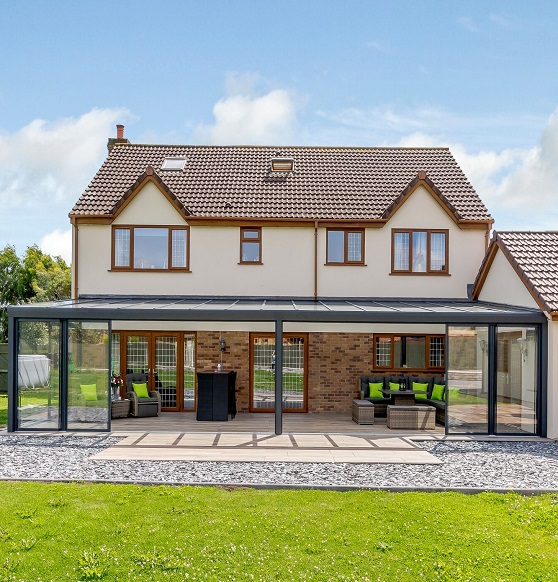
Glass rooms are designed around transparency and minimal framing. You get slimmer sightlines, uninterrupted garden views, and a distinctly modern feel. If your home leans contemporary — or you want to modernise it — glass rooms naturally complement that look.

Sunrooms, meanwhile, feel more integrated into the house itself. They’re often built with dwarf walls, tiled roofs, or more visible framing. While many modern sunrooms have improved aesthetically, they still tend to feel like extensions rather than outdoor living zones.

If design cohesion matters to you, consider how you want the space to feel. Do you want a stylish garden retreat, or a traditional extra room?

Cost Comparison: Glass Rooms vs Sunrooms

Let’s talk about what most homeowners really want to know — cost.

Glass Room Costs in the UK

The glass veranda cost varies depending on size, glazing options, and features like sliding panels or heating. Entry-level glass verandas can start lower, but high-end systems with frameless glazing and premium finishes naturally sit at the upper end.

Panorama-style glass rooms often cost more upfront because they’re engineered systems rather than custom-built structures. However, they typically come with:

  • Precision engineering
  • Faster installation
  • Lower structural disruption

For many homeowners researching verandas UK prices, the appeal lies in predictability. You’re buying a refined system rather than navigating a complex build.

Sunroom Costs

Sunrooms are usually more variable in price. Because they’re closer to traditional extensions, costs can fluctuate based on:

  • Foundations and groundwork
  • Insulation requirements
  • Planning permissions
  • Roofing systems

In some cases, a fully insulated sunroom may exceed the cost of a premium glass room, especially when factoring in labour and build time.

So while it’s tempting to assume sunrooms are cheaper, the reality is more nuanced.

Installation Time and Disruption

This is an underrated factor, but it matters.

Glass rooms — especially modular designs — are typically installed far quicker. Many can be completed within days rather than weeks. That means less disruption, less noise, and fewer surprises.

Sunrooms, by contrast, often involve a more traditional construction process. Think groundwork, brickwork, roofing, plastering — the full build cycle. For some homeowners, that’s perfectly acceptable. For others, the idea of a lengthy build is a dealbreaker.

If speed and convenience are priorities, glass rooms have a clear edge.

Year-Round Usability

One of the biggest myths I hear is that glass rooms are only for summer. That might have been true a decade ago, but modern systems have evolved dramatically.

Today’s high-quality glass rooms can include:

  • Sliding glass walls
  • Infrared heating
  • Weather-resistant roofing
  • Integrated lighting

With the right setup, they become genuinely usable year-round.

Sunrooms still hold an advantage in insulation. Because they’re built like extensions, they’re naturally warmer in winter. If you want a space that behaves like a fully internal room in January, a sunroom may still come out ahead.

But if you’re looking for flexibility — open in summer, cosy in winter — glass rooms offer something unique.

Planning Permission Considerations

Planning rules in the UK can be confusing, but here’s a simple breakdown.

Many glass rooms fall under permitted development, particularly when they’re freestanding or minimally attached. This can streamline the process significantly.

Sunrooms, depending on size and design, are more likely to require permissions or building regulations approval. Because they’re often treated as extensions, compliance becomes more involved.

Of course, every property is different, but if simplicity matters, glass rooms often present fewer hurdles.

Maintenance and Longevity

Another practical factor homeowners often overlook is upkeep.

Modern aluminium and glass systems are remarkably low-maintenance. Powder-coated finishes resist weathering, and high-quality glazing stays clear with minimal effort.

Traditional sunrooms can require more upkeep over time, particularly if they incorporate mixed materials like timber or tiled roofs.

If you’re investing for the long term and want minimal maintenance, this is worth factoring into your decision.

Which Option Adds More Value?

Both options can enhance property value — but in slightly different ways.

Glass rooms tend to add lifestyle value. They create a wow factor that appeals strongly in modern property markets, especially where outdoor entertaining is desirable.

Sunrooms may add more measurable square footage value, particularly if they’re fully insulated and classified as usable internal space.

Ultimately, the right choice depends on what kind of value you’re prioritising: lifestyle or traditional resale metrics.

Who Should Choose a Panorama Glass Room?

From my experience, Panorama-style glass rooms are ideal for homeowners who:

  • Love contemporary design
  • Want a seamless indoor-outdoor feel
  • Prefer faster installation
  • Value flexibility across seasons

They’re particularly popular among design-conscious homeowners who see outdoor space as an extension of their lifestyle rather than just extra square footage.

Who Should Choose a Sunroom?

Sunrooms are still an excellent choice for many households, especially if you:

  • Want a fully insulated extension
  • Prefer a traditional aesthetic
  • Need an all-weather living space
  • Prioritise internal room functionality

If your goal is essentially “another living room with more light,” a sunroom remains a strong contender.

Final Thoughts: Making the Right Choice for Your Home

Choosing between a Panorama glass room and a sunroom isn’t about which is objectively better — it’s about alignment with your lifestyle.

If you’re drawn to sleek architecture, flexibility, and modern outdoor living, glass rooms offer a compelling, future-forward solution. They’re designed for how people live today: fluid, open, and connected to nature.

If your priority is insulation, permanence, and traditional comfort, sunrooms still hold their ground as a practical, proven option.

The key is to step back and ask one simple question: how do you actually want to use the space?

Because once you answer that honestly, the right choice usually becomes clear.

When investing in a veranda, durability is one of the most important factors to consider. A veranda is not just an outdoor enhancement; it is a long-term structural addition designed to withstand changing weather conditions, daily wear, and seasonal variations. Whether you are looking at traditional verandas or modern glass verandas, the materials used by different brands directly impact lifespan, performance, and maintenance requirements.

In today’s market, dozens of manufacturers claim superior craftsmanship, but not all verandas are built with the same attention to quality. Some prioritize aesthetics over longevity, while others focus on engineering-grade materials that deliver decades of reliability. This guide explores which veranda brands offer the most durable materials, what sets them apart, and how you can make an informed decision based on structural quality, engineering standards, and long-term performance.

Understanding Veranda Durability: What Actually Matters?

Before comparing brands, it is crucial to understand the core components that determine veranda durability. The most important elements include:

1. Aluminium Framework Quality

High-grade aluminium is the most durable and widely used veranda frame material. The highest-performing brands typically use:

  • T6 or T66 architectural-grade aluminium
  • Powder-coated or anodised finishes
  • High tensile strength beams
  • Corrosion-resistant alloys

High-grade aluminium ensures the frame does not rust, warp, or weaken over time.

2. Roof Material

The roof is one of the most exposed and critical components of a veranda.

Durable options include:

  • Laminated safety glass (premium, long-lasting, weather-resistant)
  • Polycarbonate with UV protection (good but slightly less premium than glass)

Glass verandas typically outperform polycarbonate systems in durability, clarity, and long-term value.

3. Structural Reinforcement

Top brands include engineering-grade reinforcements, such as:

  • Integrated steel cores inside aluminium beams
  • Tested load-bearing capacities
  • Snow-load and wind-load certifications

Verandas with structural certification last significantly longer.

4. Protective Coatings

Powder coating plays a major role in appearance and resistance to weather.

Premium brands use:

  • Qualicoat-certified powder coating
  • Marine-grade coatings for coastal areas

This prevents fading, corrosion, and deterioration.

5. Accessories and Hardware

Durability also depends on:

  • Stainless steel screws and fittings
  • Heavy-duty brackets
  • Reinforced connectors

These small components contribute massively to structural integrity.

Top Veranda Brands Known for Using the Most Durable Materials

Below is a review of some leading brands recognized for producing long-lasting verandas and glass verandas with high-grade materials. The selection is based on material quality, engineering standards, customer experience, and overall reputation in the market.

1. VerandaHaus

VerandaHaus is known for premium-grade aluminium constructions and German-engineered durability.

Key Material Features

  • T6 aluminium frames for superior strength
  • Storm-resistant load capacity
  • Laminated 8mm or 10mm safety glass roofing
  • Modular components engineered for long-term performance

Why It Stands Out

VerandaHaus focuses on full structural certification, including wind-load and snow-load calculations. Their verandas are designed to last 25–40 years with minimal maintenance.

2. SunSpaces (UK)

SunSpaces is widely known for offering robust verandas, garden rooms, and glassrooms made with high-grade aluminium and engineered roofing systems.

Material Quality

  • Premium powder-coated aluminium
  • Reinforced beams suitable for large span verandas
  • Toughened or laminated glass options for enhanced durability
  • Integrated drainage and weather-sealing systems

Why It Stands Out

SunSpaces verandas are designed for long-term reliability with built-in weatherproofing, structural strength, and low maintenance. Their range includes both classic verandas and glass verandas, each engineered for performance, aesthetics, and longevity.

3. Weinor

Weinor is a well-established German brand known for high-quality outdoor living structures.

Material Features

  • Extruded aluminium profiles
  • High-grade powder coating (Qualicoat certified)
  • Laminated glass roof options
  • Structural reinforcement built into posts and beams

Why It Stands Out

Weinor combines durability with a strong design sensibility and offers advanced engineering features for resistance against strong winds and heavy snow.

4. Renson

Renson is highly respected for their innovative outdoor living solutions, including pergolas and verandas.

Material Quality

  • High-strength aluminium frames
  • Architectural-grade coatings designed for harsh climates
  • Optional laminated, tempered, and UV-protected roofing systems

Why It Stands Out

Renson verandas are engineered for extreme durability and premium architectural aesthetics, often chosen for luxury installations.

5. Lumon

Lumon specializes in glass-based outdoor structures, including glass verandas and balcony glazing.

Material Features

  • High-grade tempered and laminated glass panels
  • Slim, reinforced aluminium frames
  • Fully tested systems for impact and weather resistance

Why It Stands Out

Lumon is especially popular for its frameless glazing systems, offering durability with maximum visibility.

How to Identify the Most Durable Veranda—Regardless of Brand

Even if you are comparing multiple manufacturers, the following factors will help you determine which veranda offers the best long-term value.

1. Aluminium Grade Matters

Look for:

  • T6 aluminium (strongest)
  • Thicker wall profiles
  • Reinforced beams for larger spans

Avoid thin aluminium frames often found in low-cost veranda systems.

2. Choose Laminated Glass Over Polycarbonate

Laminated glass verandas offer:

  • Higher durability
  • Better clarity
  • Enhanced UV resistance
  • Longer lifespan with minimal degradation

While polycarbonate is economical, it scratches, discolors, and may require replacement sooner.

3. Check Load Ratings

A durable veranda should have:

  • Certified wind-load resistance
  • Snow-load performance certificates
  • Verified engineering calculations

Brands that publish their load tests are generally trustworthy.

4. Look for Marine-Grade Coatings (Especially in Coastal Areas)

If you live near the sea, make sure the veranda frame includes:

  • Marine-grade powder coating
  • Corrosion-resistant finishes

This dramatically increases lifespan.

5. Hardware Quality Is Just as Important

A veranda is only as strong as its fasteners. Look for:

  • Stainless steel hardware
  • Reinforced bracket systems
  • Rust-resistant connecting plates

These ensure long-term stability.

Veranda vs Glass Veranda: Which Is More Durable?

Traditional Verandas

Typically include:

  • Aluminium frame
  • Polycarbonate or glass roof

Durability depends heavily on the roof material and frame strength.

Glass Verandas

A glass veranda generally has:

  • Laminated or toughened glass
  • High-grade aluminium

Glass verandas are usually more durable because:

  • Glass retains clarity over time
  • It resists UV damage
  • It does not discolor
  • It handles temperature fluctuations better

If long-term durability is your priority, a glass veranda is the superior choice.

Maintenance Requirements for Long-Lasting Verandas

Even the most durable verandas benefit from basic maintenance.

1. Frame Cleaning

  • Wipe aluminium frames every 3–6 months
  • Avoid abrasive cleaners

2. Glass Or Polycarbonate Roof Care

  • Use mild soap and water
  • Rinse thoroughly to remove dirt

3. Check Screws and Fittings

A quick annual inspection helps maintain structural integrity.

4. Gutter and Drainage Check

Clear leaves and debris to prevent overflow and staining.

With basic care, a high-quality veranda can last 25–40 years or more.

Common Questions About Veranda Durability

1. How long does a veranda typically last?

High-quality aluminium verandas can last 20–40 years depending on material quality and climate conditions.

2. Are glass verandas stronger than polycarbonate verandas?

Yes. Glass verandas typically offer better durability, clarity, and weather resistance.

3. Do aluminium verandas rust?

No. Aluminium does not rust, making it a superior choice for outdoor structures.

4. What is the strongest roof for a veranda?

Laminated or toughened glass roofs offer the best long-term performance.

Conclusion

Choosing the right veranda brand is essential for long-term durability, safety, and performance. Brands such as SunSpaces, Weinor, Renson, VerandaHaus, and Lumon stand out because they use high-grade aluminium, reinforced engineering, and premium glass materials to ensure their verandas and glass verandas remain strong for decades.

When evaluating any veranda system, focus on structural materials, load ratings, glass quality, aluminium grade, and protective coatings. These features ultimately determine how long your veranda will last and how well it performs in different weather conditions.

By understanding the material standards used by leading veranda manufacturers, homeowners can make an informed decision and invest in a structure that enhances their outdoor space with long-lasting beauty and reliability.

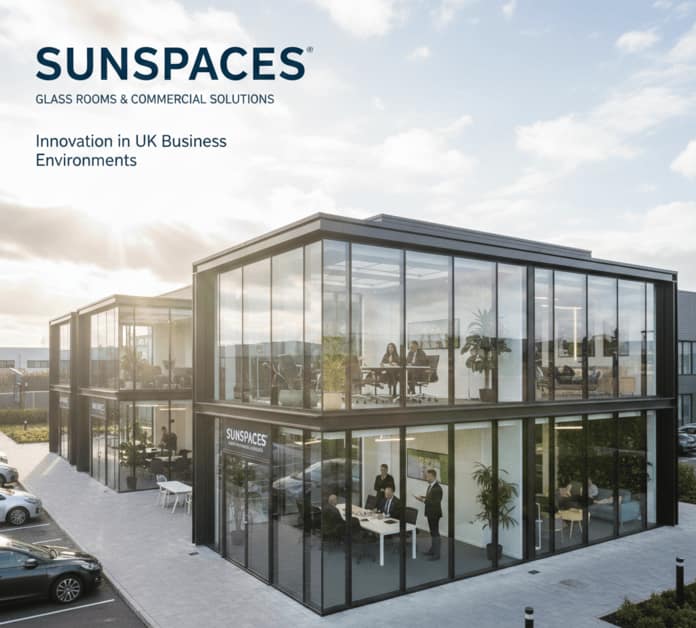
The UK commercial sector has experienced a major shift in how physical space is designed, utilised, and monetised—driven by changing customer behaviour, a growing demand for premium outdoor experiences, and the increasing need for energy-efficient structures. Amid this transformation, SunSpaces has become one of the UK’s most trusted suppliers of premium glass rooms, helping businesses create year-round usable areas that enhance both revenue and customer satisfaction.

From hospitality to retail, corporate offices to leisure clubs, businesses across the UK are turning to SunSpaces to install durable, visually striking, and fully customisable glass rooms that elevate their premises and deliver long-term commercial value.

This B2B-focused guide explores how SunSpaces’ commercial-grade glass rooms are being used, the operational and financial benefits they provide, and why businesses should choose SunSpaces as their preferred UK glass room supplier.

What Makes SunSpaces Glass Rooms Ideal for UK Businesses?

SunSpaces specialises in premium outdoor structures engineered specifically to meet UK weather conditions, architectural standards, and commercial safety requirements. Each glass room is built using:

  • High-grade powder-coated aluminium
  • Durable, fully certified toughened safety glass
  • Optional sliding or fixed glass panels
  • Customisable sizes and configurations
  • Industry-leading weather resistance

For businesses, this means dependable performance, minimal maintenance, and strong long-term ROI.

Why Commercial Businesses Are Choosing SunSpaces Glass Rooms

1. Year-Round Usable Space

UK weather is unpredictable, which makes outdoor areas difficult to monetise. A SunSpaces glass room transforms these spaces into:

  • All-weather seating zones
  • Customer lounges
  • Event hosting areas
  • Outdoor dining extensions
  • Private meeting spaces

The result? Businesses generate revenue every day of the year—without seasonal limitations.

2. Premium Aesthetics That Increase Customer Engagement

SunSpaces glass rooms are designed with clean architectural lines, panoramic glazing, and modern European profiles. This helps businesses:

  • Improve brand perception
  • Create visually appealing environments
  • Enhance customer comfort
  • Strengthen competitive positioning

For hotels and restaurants, SunSpaces glass rooms instantly add a high-end look that attracts more customers.

3. Fast, Low-Disruption Installation

While traditional construction projects can take months, SunSpaces offers:

  • Rapid installation
  • Minimal disruption to business operations
  • Clear planning support
  • Pre-engineered systems that streamline timelines

This allows businesses to upgrade their premises without losing revenue due to downtime.

4. Durable and Low Maintenance

SunSpaces builds all glass rooms using corrosion-resistant, fully tested materials suitable for the British climate. This ensures:

  • Excellent structural performance
  • Long lifespan
  • Minimal ongoing maintenance
  • No rust, rot, or warping

Businesses enjoy decades of use with minimal cost beyond the initial investment.

How Different UK Industries Benefit From SunSpaces Glass Rooms

1. Hospitality: Restaurants, Hotels, Pubs, and Cafés

This is the biggest B2B market for SunSpaces. Glass rooms help hospitality venues:

  • Add more tables and seating
  • Host private or premium dining experiences
  • Expand operational hours throughout winter
  • Increase overall revenue per square foot
  • Create Instagram-worthy spaces that attract customers

Restaurants like to position SunSpaces glass rooms as premium VIP zones or event-ready spaces that boost profit margins.

2. Corporate Offices and Business Hubs

Glass rooms help organisations improve workspace quality.

Use cases include:

  • Executive meeting rooms
  • Client presentation zones
  • Staff relaxation or breakout rooms
  • Multi-functional collaborative spaces

The natural light and modern aesthetics enhance productivity and boost employee morale.

3. Retail Stores and Showrooms

SunSpaces glass rooms are an effective way to:

  • Showcase high-value products
  • Create seasonal display areas
  • Increase visual merchandising opportunities
  • Capture foot traffic with attractive storefront designs

Retailers benefit from transparency, energy efficiency, and enhanced customer flow.

4. Leisure Centres and Wellness Studios

Gyms, spas, and wellness brands use glass rooms to offer:

  • Yoga studios
  • Sunlit therapy areas
  • Retreat zones
  • Meditation spaces

Natural light and panoramic views help create calming and high-value wellness environments.

5. Schools, Colleges, and Public Sector Organisations

SunSpaces glass rooms support:

  • Study pods
  • Outdoor learning areas
  • Multi-purpose meeting rooms
  • Waiting areas
  • Breakout zones

These structures help institutions maximise budget efficiency while creating durable, low-maintenance spaces.

Why SunSpaces Is the Preferred UK Supplier for B2B Glass Room Projects

1. Commercial-Grade Engineering

SunSpaces structures are designed for:

  • High footfall environments
  • Long-term commercial use
  • Increased wind and load resistance
  • Safety compliance with UK and EU standards

This ensures commercial clients get robust, compliant, and future-proof installations.

2. Complete Customisation

SunSpaces offers fully bespoke design options, including:

  • Custom widths and projections
  • Different glazing types
  • Sliding or fixed panel systems
  • Integrated lighting and heating
  • Bespoke colour finishes

Businesses can match their brand identity and architectural style.

3. Strong Brand Reputation

With years of experience in the UK market, SunSpaces has built trust for:

  • Consistent quality
  • Reliable installation
  • Transparent communication
  • High customer satisfaction

Their reputation strengthens confidence for long-term commercial investment.

4. End-to-End Project Management

SunSpaces manages the entire lifecycle:

  • Consultation and design
  • Planning guidance
  • Manufacturing
  • Installation
  • After-sales support

This turnkey experience ensures businesses receive a seamless, hassle-free implementation.

Emerging Trends Driving Commercial Glass Room Adoption in the UK

1. Demand for Hybrid Indoor–Outdoor Experiences

Customers increasingly expect environments where they can enjoy natural light without being exposed to harsh weather. Glass rooms strike this balance perfectly.

2. Sustainability and Energy Efficiency

Businesses are under pressure to meet UK environmental goals. SunSpaces supports this with:

  • Insulated glazing
  • Low-emission glass
  • Aluminium frames with thermal breaks
  • Natural light optimisation

These features reduce energy use and support commercial sustainability targets.

3. The Rise of Premium Outdoor Hospitality

High-end pubs, boutique hotels, and luxury restaurants are investing in bespoke glass rooms to create memorable dining experiences.

4. Increased Demand for Multipurpose Spaces

Companies need flexible environments for meetings, events, and collaboration. Glass rooms support this shift toward modular workplace design.

Conclusion: Why Your Business Should Choose SunSpaces for Commercial Glass Rooms

A glass room is no longer a design upgrade—it is a commercial asset that drives revenue, increases operational capacity, and strengthens brand value.

Choosing SunSpaces ensures your business receives:

  • A durable, premium-quality structure
  • Customised design tailored to your brand
  • Year-round operational benefits
  • Faster installation than traditional builds
  • Long-term returns on investment

For UK businesses seeking modern, elegant, and high-performance commercial extensions, SunSpaces remains the leading glass room supplier.

When it comes to enhancing your outdoor living space, a veranda or sunroom is often at the top of the wishlist. It adds charm, utility, and value to your property while giving you a peaceful retreat to enjoy the outdoors year-round. But when you’re ready to make that dream a reality, the big question arises—should you take advantage of a veranda sale or invest in a custom build?


This blog helps you make an informed decision by comparing both options regarding cost, design flexibility, quality, and long-term value. Whether budget-conscious or aiming for a premium experience, here’s everything you need to know.


What Is a Veranda?


A veranda is a covered outdoor extension, often attached to the house, typically offering partial enclosure. It’s designed for relaxation, entertaining, and enjoying nature without being fully exposed to the elements. Depending on the construction, it can function as a patio, an entryway, or even a sunroom—especially when enclosed with glass or screening.


Veranda Sale: A Quick Overview


A veranda sale typically involves pre-designed veranda kits or semi-customised models offered at discounted prices, either during seasonal promotions or as part of clearance inventory.


These verandas usually come in standardised sizes, materials, and styles, allowing homeowners to quickly select and install them at lower costs.


Custom Build Verandas: What to Expect


A custom veranda is designed specifically for your property. From the frame to roofing, materials, finishes, dimensions, and integration with your existing home—everything is tailored to your exact specifications. You work with designers, architects, and contractors to bring a unique vision to life.


Custom verandas can also function as sunrooms when built with full glass enclosures and insulation.


Veranda Sale: Pros and Cons

✅ Pros

  1. Cost-Effective
    You can save significantly during a veranda sale, with discounts often ranging from 10% to 40% off retail prices.

  2. Fast Installation
    Most pre-fabricated verandas are ready to install, reducing lead time and labour costs.

  3. Wide Availability
    With many design templates available, you can find something that fits a wide range of property styles.

  4. DIY-Friendly
    Many veranda kits are designed for easy self-installation, which is ideal for homeowners who enjoy hands-on projects.

❌ Cons

  1. Limited Design Flexibility
    You're confined to preset sizes and styles, which may not suit unique home layouts or aesthetics.

  2. Lower Customization
    Add-ons like integrated lighting, heating, or seamless integration with a sunroom may not be available.

  3. Generic Look
    Some veranda kits lack the premium appearance or unique architectural character of a custom build.

Custom Build: Pros and Cons

✅ Pros

  1. Fully Tailored Design
    You get to choose every aspect—materials, size, structure, and style—to match your home's architecture and your taste.

  2. Higher Property Value
    A well-designed custom veranda, especially one that doubles as a sunroom, can significantly increase your home’s resale value.

  3. Integration with Home Features
    It can be connected seamlessly to existing rooms, plumbing, or electrical systems, offering a more polished look and feel.

  4. Long-Term Durability
    Custom verandas often use higher-quality materials and craftsmanship that stand the test of time.

❌ Cons

  1. Higher Upfront Cost
    Custom builds typically cost 30–50% more than veranda kits, depending on the complexity and materials used.

  2. Longer Timeline
    From design consultation to approvals and construction, the process can take several weeks or even months.

  3. Requires Permits and Professionals
    You may need permits and will need skilled professionals, adding to both time and expense.

Veranda Sale vs. Custom Build: Cost Comparison


Note: These prices vary depending on your region, materials, labour availability, and property layout.


Choosing the Right Option for You

Choose a Veranda Sale if:

  • You are on a tight budget.

  • You need a quick, functional solution.

  • You are enhancing a rental property or second home.

  • You are open to standard sizes and styles.

  • You enjoy DIY home projects.

Choose a Custom Build if:

  • You want a long-term investment and value-boosting addition.

  • You have unique design requirements or space constraints.

  • You're integrating it with a full sunroom or other indoor-outdoor features.

  • Your property value justifies the higher investment.


Blending the Two: A Hybrid Approach


In some cases, homeowners choose a middle ground by starting with a veranda sale kit and customising it post-installation, adding insulated roofs, sliding glass panels, or screens to create a functional sunroom. This approach allows for cost savings while still achieving a semi-custom result.

You can also consult with a contractor to retrofit a kit into your desired layout with minor modifications, blending affordability with style.


Final Thoughts


Choosing between a veranda sale and a custom build boils down to your goals, budget, timeline, and design aspirations. Veranda sale kits offer a quick and budget-friendly way to elevate your outdoor space, while custom verandas are a true extension of your home, built to last and made to impress.


If you're simply looking to enjoy your garden in style or create a cosy space for morning coffee, a well-chosen sale kit may be all you need. But if you're planning a long-term upgrade—perhaps even turning your veranda into a sunroom—then a custom build could be the perfect fit.


Regardless of your choice, a veranda enhances your lifestyle and adds charm to your home, making it a worthwhile investment in any form.

In today's real estate market, homeowners are constantly looking for ways to stand out and increase the value of their property. One increasingly popular home improvement that catches buyers' eyes is a sunroom or glass patio room. These bright, airy spaces offer a unique blend of indoor comfort and outdoor charm. But when it comes time to sell your home, does a sunroom help or hinder your efforts?

This comprehensive guide explores the pros and cons of selling a home with a sunroom, so you can make informed decisions and better understand how a sunroom installation might impact your property value, buyer appeal, and selling timeline.

What Is a Sunroom?

A sunroom is an enclosed living space that features extensive windows or glass walls to allow maximum sunlight exposure. Often used for lounging, reading, or entertaining, sunrooms provide a serene environment while offering protection from the elements. Some are three-season (used spring through fall), while others are insulated for year-round use.

A glass patio room is a type of sunroom that serves as a seamless extension of your patio. It usually features sliding glass panels or walls and can be used for both relaxation and entertainment.

Pros of Selling a Home with a Sunroom

1. Increased Home Value

One of the main benefits of a sunroom installation is the potential to increase your home’s resale value. A professionally built sunroom can add functional square footage, which is highly attractive to prospective buyers. If the sunroom is heated and insulated, it may even be included in the total living space on your listing, justifying a higher asking price.

2. Boosts Aesthetic Appeal

Buyers are often drawn to homes that offer unique, visually appealing features. A glass patio room or sunroom with large windows, natural light, and outdoor views can instantly elevate your home’s appearance and create an emotional connection with buyers during showings.

3. Additional Living Space

Sunrooms can serve a variety of purposes—home office, breakfast nook, yoga room, or children’s play area. This versatility appeals to buyers looking for flexible, multi-use spaces. In today’s market, especially post-pandemic, the demand for such spaces has grown as people continue to work and spend more time at home.

4. Enhanced Outdoor Living Experience

Homes that blend indoor and outdoor living often command higher prices and faster sales. A sunroom or glass patio room provides the experience of being outdoors without bugs, rain, or extreme temperatures. Buyers who love nature and entertaining guests are likely to see this as a valuable feature.

5. Energy Efficiency and Natural Light

Modern sunroom installations often include energy-efficient windows and insulation, which help lower utility bills. Additionally, the abundance of natural light can reduce the need for artificial lighting, a perk many eco-conscious buyers appreciate.

Cons of Selling a Home with a Sunroom

1. Not Every Buyer Wants One

While many buyers love the idea of a sunroom, others might see it as wasted space—especially if it’s not temperature-controlled or structurally integrated with the home. Some may prefer a traditional layout without "extra" rooms they don’t know how to use.

2. Increased Maintenance

Glass surfaces, sliding doors, and skylights require regular cleaning and maintenance. A poorly maintained glass patio room can deter buyers. Prospective homeowners might view the sunroom as an upkeep burden or potential repair expense.

3. Higher Property Taxes

Depending on your local tax laws, adding a sunroom could increase your property taxes. Savvy buyers may request detailed records of the addition and calculate potential tax implications before making an offer.

4. Permitting and Code Concerns

If the sunroom installation is not permitted correctly or doesn’t meet local building codes, it could become a major red flag during inspection. Buyers may demand repairs, ask for discounts, or even walk away from the sale entirely.

5. Climate Limitations

In colder climates, a three-season sunroom may be less appealing to buyers who want year-round usability. Likewise, in areas with extreme heat, an uninsulated sunroom can feel like a greenhouse during the summer months. If your sunroom isn’t climate-controlled, its utility can be seasonal and thus less valuable to some buyers.

Tips to Maximize the Selling Potential of a Home with a Sunroom

If you’ve already invested in a sunroom or glass patio room and are preparing to sell your home, there are several strategies you can use to highlight the space and appeal to a wider audience.

1. Stage It Strategically

Give the sunroom a clear purpose during showings. Whether it’s staged as a cosy reading nook, a small dining area, or a chic home office, showcasing functionality helps buyers envision their use of the space.

2. Ensure It’s Clean and Well-Maintained

Make sure all windows, glass panels, and screens are clean and in working order. Repair any minor damage, such as cracked glass, loose hinges, or faded flooring. A fresh coat of paint and modern furniture can make the room feel new and inviting.

3. Emphasize the Energy Efficiency

If your sunroom installation includes energy-efficient windows or insulation, highlight this in your listing description. Eco-conscious buyers will appreciate lower energy bills and sustainable living features.

4. Provide Documentation

Have all permits, warranties, and inspection reports readily available. Showing that the sunroom installation was professionally done and up to code can instil confidence in buyers.

5. Use Professional Photography

A sunroom bathed in natural light can be a stunning focal point in your listing photos. Professional photography can capture the beauty of the space and draw more interest online.

Real Estate Market Perspective

In certain markets, a sunroom can dramatically increase a home's desirability—especially in suburban neighbourhoods where larger lot sizes can accommodate such additions. Buyers seeking a peaceful lifestyle often prioritize natural light, garden views, and indoor-outdoor flow.

Unlock expert advice in our newest article: HOA Rules and Guidelines for Sunroom Additions

However, in urban settings or regions with limited warm weather, a sunroom may be seen more as a luxury than a necessity. In these cases, ensuring the sunroom is well-integrated and useful year-round is key to positioning it as a benefit rather than a drawback.

Is Adding a Sunroom Before Selling Worth It?

Some homeowners consider adding a sunroom or glass patio room just before listing their home for sale. While a well-executed sunroom can add value and make your listing more competitive, it’s not always the best move if you're planning to sell immediately.

Consider the following before undertaking a new sunroom installation:

  • ROI (Return on Investment): On average, homeowners recoup about 50–80% of the cost of a sunroom addition when they sell.

  • Timeline: Building a sunroom can take several weeks or even months, depending on permitting, weather, and contractor availability.

  • Market Demand: If homes in your area typically sell quickly without sunrooms, the addition may not provide a significant advantage.

Instead, focus on enhancing an existing sunroom to maximize its appeal or use it to distinguish your listing from others.

Final Thoughts

A sunroom can be a valuable asset when selling a home—offering beauty, functionality, and a unique lifestyle feature that many buyers find irresistible. However, it’s not a one-size-fits-all advantage. Understanding the local market, buyer preferences and the condition of your glass patio room or sunroom installation is essential to leveraging it effectively during the sales process.

If your home already includes a sunroom, take pride in showcasing it. Highlight its strengths, address any weaknesses, and help potential buyers see it as an inviting retreat that enhances the home's overall charm.

Need help selling your home with a sunroom? Work with a real estate agent who understands how to market unique features like sunrooms, patios, and outdoor living spaces. With the right strategy, your home can shine—literally and figuratively.

Adding a sunroom to your home is a fantastic way to enjoy natural light, increase living space, and boost property value. However, if you live in a community governed by a Homeowners Association (HOA), you’ll need to understand and adhere to specific rules before moving forward. HOA rules are in place to maintain the neighbourhood's aesthetic, safety standards, and overall harmony. When planning a sunroom installation, it’s essential to follow your HOA's guidelines to avoid fines, delays, or forced removal of unauthorized structures.

In this article, we’ll explore what HOAs typically require, the steps to get approval, and how to ensure your sunroom addition is fully compliant.

Understanding HOA Authority

HOAs are private organizations created by real estate developers to manage planned communities. Once established, they enforce rules laid out in governing documents, which often include:

  • Covenants, Conditions & Restrictions (CC&Rs)

  • Bylaws

  • Architectural Guidelines

These documents dictate what homeowners can and cannot do with their properties. Changes to the exterior of your home—including the addition of a sunroom—usually require approval from the HOA’s Architectural Review Committee (ARC).

Why HOAs Regulate Sunroom Additions

Adding a sunroom is not just a cosmetic update; it alters the structural and visual aspects of your home. Here’s why HOAs pay close attention to sunroom installation projects:

  • Aesthetic Uniformity: HOAs strive to maintain a cohesive look across the neighbourhood. A sunroom that clashes with the architectural style may be rejected.

  • Property Values: Inconsistent or unapproved additions can negatively impact the value of surrounding homes.

  • Safety and Building Codes: HOAs want to ensure that all constructions meet local building codes and safety standards.

  • Lot Coverage and Setbacks: Many HOAs have rules about how much of your lot can be developed and how far structures must be from property lines.

Fresh content alert! Read our latest post: Book a Free Consultation with UK Outdoor Living Specialists – SunSpaces

Common HOA Guidelines for Sunrooms

Although HOA rules vary by community, here are some common guidelines you may encounter when planning your sunroom installation:

1. Design and Appearance

  • Must match the original home in colour, materials, and architectural style.

  • The roofline and exterior finish should blend seamlessly with the existing structure.

  • Glass type, window frames, and siding may need to match the home’s current features.

2. Size and Placement

  • The sunroom must comply with setback requirements (distance from property lines).

  • There may be height restrictions to avoid obstructing neighbours’ views.

  • Maximum square footage for additions might be capped.

3. Permitting and Documentation

  • You’ll likely need to submit detailed architectural plans.

  • Some HOAs require professional renderings or contractor credentials.

  • Proof of city or county permits may be requested.

4. Contractor Approval

  • HOAs may require you to use licensed and insured contractors.

  • Some communities keep a list of pre-approved vendors for sunroom installation.

5. Timing and Noise Restrictions

  • Construction work may only be allowed during certain hours.

  • You may need to complete the project within a specified timeframe after approval.

How to Get HOA Approval for a Sunroom

Getting approval might seem like a hurdle, but following the right steps will help streamline the process.

Step 1: Review the Governing Documents

Start by reading your HOA’s CC&Rs and architectural guidelines. This will give you a sense of what’s allowed and what documentation you’ll need to submit.

Step 2: Meet with the HOA or ARC

Before spending money on designs or permits, schedule a meeting with your HOA’s architectural review board. This discussion can clarify expectations and save you from investing in a design that won't get approved.

Step 3: Prepare and Submit an Application

Typical application packages include:

  • Drawings and blueprints of the proposed sunroom installation

  • A site plan showing the location relative to the home and lot lines

  • Details on materials, colours, and dimensions

  • Contractor licenses and insurance information

  • Anticipated start and finish dates

Step 4: Wait for Approval

Once submitted, your application may go through a review period that lasts from a few days to a few weeks. Be patient and prepared to answer follow-up questions or make minor changes.

Step 5: Obtain City or County Permits

Even with HOA approval, you must comply with local building codes. Obtain any necessary building permits before construction begins.

What Happens if You Don’t Follow HOA Rules?

Skipping the approval process or violating HOA rules can lead to serious consequences, including:

  • Fines and Penalties: HOAs can impose daily or one-time fines until the issue is resolved.

  • Legal Action: In extreme cases, the HOA can take you to court.

  • Mandatory Removal: You may be forced to dismantle the sunroom at your own expense if it violates the rules.

  • Denial of Future Requests: Violating the process can affect your ability to get future projects approved.

Tips for a Smooth Sunroom Project with HOA Oversight

  1. Communicate Early: Get in touch with your HOA during the planning stage.

  2. Document Everything: Keep records of all correspondence, applications, and approvals.

  3. Work with Professionals: Hire experienced contractors who have worked in HOA-regulated neighbourhoods.

  4. Be Flexible: You may need to adjust designs or materials to align with HOA preferences.

  5. Involve Neighbors: Let nearby neighbours know about your plans to avoid complaints or disputes.

Conclusion

A sunroom can significantly enhance your home’s value, functionality, and aesthetic appeal. However, in communities governed by HOAs, the process involves more than just hiring a contractor. Understanding your HOA’s rules and obtaining proper approvals is a critical step in ensuring a successful sunroom installation. With clear communication, careful planning, and attention to HOA guidelines, you can create a beautiful, compliant addition that brings joy for years.

For many UK homeowners, limited natural light is a persistent challenge. Narrow streets, tall buildings, and the often overcast British weather can make interiors feel dark and cramped. This is particularly true in urban areas where sunlight struggles to reach ground-level homes. But what if there was a way to bring the outdoors in and flood your living spaces with natural light, even on the gloomiest days?


Enter Sunspaces: A Bright Solution
Sunspaces are purpose-built to transform your home into a brighter, more inviting retreat. Our versatile glass garden rooms and sunrooms offer a seamless way to let the light pour in.


Why Natural Light Matters

Natural light isn’t just about aesthetics; it plays a crucial role in creating a healthy, comfortable home environment. A well-lit interior:

  • Improves mood: Sunlight stimulates serotonin production, boosting happiness and reducing stress.
  • Enhances functionality: Brighter spaces make daily tasks easier and more enjoyable.
  • Saves energy: By maximising sunlight, you can reduce the need for artificial lighting, lowering energy costs.


The Design Advantage of Sunspaces

Sunspaces are designed with expansive glass panels and minimal framing, ensuring maximum sunlight enters your home. Here’s how they work to brighten your space:

  1. Panoramic Views: A glass garden room features floor-to-ceiling windows, creating a sense of openness and connectivity with your garden.
  2. Reflective Interiors: The glass amplifies daylight, bouncing it across the room and illuminating even the darkest corners.
  3. Optimised Roof Design: A sunroom or garden room often incorporates translucent roofing options, allowing soft, natural light to filter through while protecting you from the elements.


Perfect for Urban and Rural Homes Alike

In cities, Sunspaces can overcome the challenges of limited sunlight caused by narrow streets or nearby buildings. In rural settings, they offer an uninterrupted view of the surrounding nature while keeping your home bathed in light. 


Feel Larger, Live Better

Beyond brightness, Sunspaces create the illusion of more space. The influx of natural light combined with the open design makes rooms feel more expansive, airy, and connected to the outdoors.


Start Your Bright Living Journey

Don’t let the UK’s grey skies dim your home’s potential. Discover how a garden room can brighten your life while adding a stylish, functional space to your home.

Ready to embrace natural light? Contact us today to explore the perfect Sunspace for your property!

Transforming your outdoor area into an inviting haven for entertaining guests is easier than you might think. By using SunSpaces, you can design a functional, stylish, and comfortable space that’s perfect for socialising. Whether you envision a cosy garden room, an elegant veranda, or a vibrant patio area, here are some key elements to consider when crafting your ideal outdoor entertaining space.


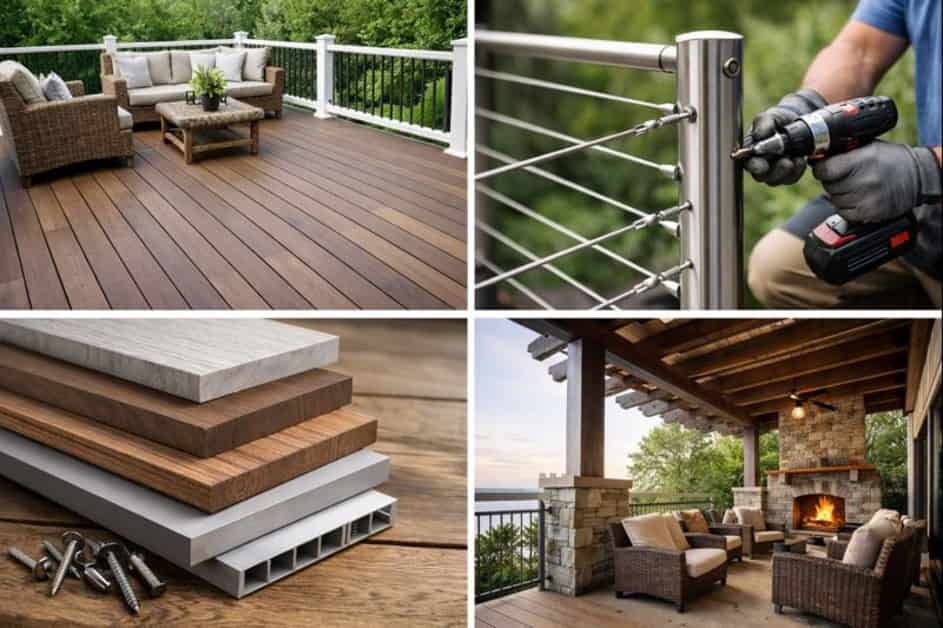
Start with Composite Decking

A strong foundation is the first step to creating a beautiful outdoor area. Composite decking is a fantastic choice for outdoor flooring because of its durability, low maintenance, and sleek appearance. Available in a variety of colours and finishes, composite decking can complement any design style. Greensquares offers high-quality decking solutions that provide a long-lasting and weather-resistant surface, ensuring your outdoor area stays stunning year-round.


Add a Versatile Garden Room or Sunroom

A garden room or sunroom can serve as the centrepiece of your outdoor entertaining space. These versatile structures offer a seamless connection between your indoor and outdoor areas, providing a comfortable space to relax regardless of the weather. With SunSpaces, you can customise these structures to suit your specific needs and style preferences.


Choose Comfortable and Stylish Furniture

Selecting the right furniture is essential for creating an inviting atmosphere. Opt for pieces that combine comfort with durability, such as weather-resistant sofas, lounge chairs, and dining sets. Look for materials like teak, aluminium, or rattan that can withstand outdoor conditions while maintaining a chic look. Don’t forget to include plenty of cushions and throws to enhance comfort and style.


Incorporate Outdoor Accessories

Accessories can elevate your outdoor space and add personality. Consider adding:

  • Lighting: String lights, lanterns, or solar-powered LED lights to create ambience.
  • Planters: Filled with vibrant flowers, greenery, or even herbs to add life and colour.
  • Outdoor Rugs: To define seating areas and add texture.
  • Fire Pits or Heaters: Perfect for keeping guests warm during evening gatherings.


Create Zones for Different Activities

Organise your outdoor space by creating distinct zones for dining, lounging, and other activities. For example:

  • Place a dining table and chairs near the sunroom for easy access to refreshments.
  • Set up a cosy seating area with sofas and a coffee table for relaxed conversations.
  • Reserve a corner for fun activities like a barbecue station or outdoor games.


Embrace Nature with Landscaping

A well-landscaped garden enhances the overall appeal of your entertaining space. Use shrubs, flower beds, and trees to create natural boundaries and add visual interest. Pathways made of stone or composite decking can guide guests through your space while tying the design together.

Protect Against the Elements

To ensure year-round usability, consider adding features like pergolas, retractable awnings, or parasols to provide shade and shelter. For even more versatility, SunSpaces offers customizable shelters and enclosures that protect against wind and rain while maintaining an open-air feel.


Final Touches

Finish your outdoor entertaining space with personal touches such as:

  • Decorative cushions and tableware in your favourite colours.
  • A sound system for background music.
  • An outdoor bar or beverage station to keep guests refreshed.


By combining SunSpaces' innovative products with thoughtful design choices, you can create an outdoor entertaining area that’s stylish, functional, and uniquely yours. Whether it’s a sleek garden room, a sunlit sunroom, or an open patio with composite decking, your outdoor space will become the go-to destination for memorable gatherings.

Enquire with SunSpaces today.