0% Interest FREE. SPRING SALE 25% Discount.
CLEARANCE OFFERS

Tag: sunroom-installation

In today's real estate market, homeowners are constantly looking for ways to stand out and increase the value of their property. One increasingly popular home improvement that catches buyers' eyes is a sunroom or glass patio room. These bright, airy spaces offer a unique blend of indoor comfort and outdoor charm. But when it comes time to sell your home, does a sunroom help or hinder your efforts?

This comprehensive guide explores the pros and cons of selling a home with a sunroom, so you can make informed decisions and better understand how a sunroom installation might impact your property value, buyer appeal, and selling timeline.

What Is a Sunroom?

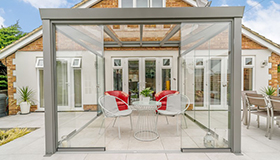
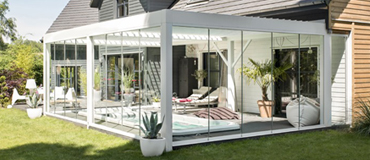
A sunroom is an enclosed living space that features extensive windows or glass walls to allow maximum sunlight exposure. Often used for lounging, reading, or entertaining, sunrooms provide a serene environment while offering protection from the elements. Some are three-season (used spring through fall), while others are insulated for year-round use.

A glass patio room is a type of sunroom that serves as a seamless extension of your patio. It usually features sliding glass panels or walls and can be used for both relaxation and entertainment.

Pros of Selling a Home with a Sunroom

1. Increased Home Value

One of the main benefits of a sunroom installation is the potential to increase your home’s resale value. A professionally built sunroom can add functional square footage, which is highly attractive to prospective buyers. If the sunroom is heated and insulated, it may even be included in the total living space on your listing, justifying a higher asking price.

2. Boosts Aesthetic Appeal

Buyers are often drawn to homes that offer unique, visually appealing features. A glass patio room or sunroom with large windows, natural light, and outdoor views can instantly elevate your home’s appearance and create an emotional connection with buyers during showings.

3. Additional Living Space

Sunrooms can serve a variety of purposes—home office, breakfast nook, yoga room, or children’s play area. This versatility appeals to buyers looking for flexible, multi-use spaces. In today’s market, especially post-pandemic, the demand for such spaces has grown as people continue to work and spend more time at home.

4. Enhanced Outdoor Living Experience

Homes that blend indoor and outdoor living often command higher prices and faster sales. A sunroom or glass patio room provides the experience of being outdoors without bugs, rain, or extreme temperatures. Buyers who love nature and entertaining guests are likely to see this as a valuable feature.

5. Energy Efficiency and Natural Light

Modern sunroom installations often include energy-efficient windows and insulation, which help lower utility bills. Additionally, the abundance of natural light can reduce the need for artificial lighting, a perk many eco-conscious buyers appreciate.

Cons of Selling a Home with a Sunroom

1. Not Every Buyer Wants One

While many buyers love the idea of a sunroom, others might see it as wasted space—especially if it’s not temperature-controlled or structurally integrated with the home. Some may prefer a traditional layout without "extra" rooms they don’t know how to use.

2. Increased Maintenance

Glass surfaces, sliding doors, and skylights require regular cleaning and maintenance. A poorly maintained glass patio room can deter buyers. Prospective homeowners might view the sunroom as an upkeep burden or potential repair expense.

3. Higher Property Taxes

Depending on your local tax laws, adding a sunroom could increase your property taxes. Savvy buyers may request detailed records of the addition and calculate potential tax implications before making an offer.

4. Permitting and Code Concerns

If the sunroom installation is not permitted correctly or doesn’t meet local building codes, it could become a major red flag during inspection. Buyers may demand repairs, ask for discounts, or even walk away from the sale entirely.

5. Climate Limitations

In colder climates, a three-season sunroom may be less appealing to buyers who want year-round usability. Likewise, in areas with extreme heat, an uninsulated sunroom can feel like a greenhouse during the summer months. If your sunroom isn’t climate-controlled, its utility can be seasonal and thus less valuable to some buyers.

Tips to Maximize the Selling Potential of a Home with a Sunroom

If you’ve already invested in a sunroom or glass patio room and are preparing to sell your home, there are several strategies you can use to highlight the space and appeal to a wider audience.

1. Stage It Strategically

Give the sunroom a clear purpose during showings. Whether it’s staged as a cosy reading nook, a small dining area, or a chic home office, showcasing functionality helps buyers envision their use of the space.

2. Ensure It’s Clean and Well-Maintained

Make sure all windows, glass panels, and screens are clean and in working order. Repair any minor damage, such as cracked glass, loose hinges, or faded flooring. A fresh coat of paint and modern furniture can make the room feel new and inviting.

3. Emphasize the Energy Efficiency

If your sunroom installation includes energy-efficient windows or insulation, highlight this in your listing description. Eco-conscious buyers will appreciate lower energy bills and sustainable living features.

4. Provide Documentation

Have all permits, warranties, and inspection reports readily available. Showing that the sunroom installation was professionally done and up to code can instil confidence in buyers.

5. Use Professional Photography

A sunroom bathed in natural light can be a stunning focal point in your listing photos. Professional photography can capture the beauty of the space and draw more interest online.

Real Estate Market Perspective

In certain markets, a sunroom can dramatically increase a home's desirability—especially in suburban neighbourhoods where larger lot sizes can accommodate such additions. Buyers seeking a peaceful lifestyle often prioritize natural light, garden views, and indoor-outdoor flow.

Unlock expert advice in our newest article: HOA Rules and Guidelines for Sunroom Additions

However, in urban settings or regions with limited warm weather, a sunroom may be seen more as a luxury than a necessity. In these cases, ensuring the sunroom is well-integrated and useful year-round is key to positioning it as a benefit rather than a drawback.

Is Adding a Sunroom Before Selling Worth It?

Some homeowners consider adding a sunroom or glass patio room just before listing their home for sale. While a well-executed sunroom can add value and make your listing more competitive, it’s not always the best move if you're planning to sell immediately.

Consider the following before undertaking a new sunroom installation:

  • ROI (Return on Investment): On average, homeowners recoup about 50–80% of the cost of a sunroom addition when they sell.

  • Timeline: Building a sunroom can take several weeks or even months, depending on permitting, weather, and contractor availability.

  • Market Demand: If homes in your area typically sell quickly without sunrooms, the addition may not provide a significant advantage.

Instead, focus on enhancing an existing sunroom to maximize its appeal or use it to distinguish your listing from others.

Final Thoughts

A sunroom can be a valuable asset when selling a home—offering beauty, functionality, and a unique lifestyle feature that many buyers find irresistible. However, it’s not a one-size-fits-all advantage. Understanding the local market, buyer preferences and the condition of your glass patio room or sunroom installation is essential to leveraging it effectively during the sales process.

If your home already includes a sunroom, take pride in showcasing it. Highlight its strengths, address any weaknesses, and help potential buyers see it as an inviting retreat that enhances the home's overall charm.

Need help selling your home with a sunroom? Work with a real estate agent who understands how to market unique features like sunrooms, patios, and outdoor living spaces. With the right strategy, your home can shine—literally and figuratively.

Adding a sunroom to your home is a fantastic way to enjoy natural light, increase living space, and boost property value. However, if you live in a community governed by a Homeowners Association (HOA), you’ll need to understand and adhere to specific rules before moving forward. HOA rules are in place to maintain the neighbourhood's aesthetic, safety standards, and overall harmony. When planning a sunroom installation, it’s essential to follow your HOA's guidelines to avoid fines, delays, or forced removal of unauthorized structures.

In this article, we’ll explore what HOAs typically require, the steps to get approval, and how to ensure your sunroom addition is fully compliant.

Understanding HOA Authority

HOAs are private organizations created by real estate developers to manage planned communities. Once established, they enforce rules laid out in governing documents, which often include:

  • Covenants, Conditions & Restrictions (CC&Rs)

  • Bylaws

  • Architectural Guidelines

These documents dictate what homeowners can and cannot do with their properties. Changes to the exterior of your home—including the addition of a sunroom—usually require approval from the HOA’s Architectural Review Committee (ARC).

Why HOAs Regulate Sunroom Additions

Adding a sunroom is not just a cosmetic update; it alters the structural and visual aspects of your home. Here’s why HOAs pay close attention to sunroom installation projects:

  • Aesthetic Uniformity: HOAs strive to maintain a cohesive look across the neighbourhood. A sunroom that clashes with the architectural style may be rejected.

  • Property Values: Inconsistent or unapproved additions can negatively impact the value of surrounding homes.

  • Safety and Building Codes: HOAs want to ensure that all constructions meet local building codes and safety standards.

  • Lot Coverage and Setbacks: Many HOAs have rules about how much of your lot can be developed and how far structures must be from property lines.

Fresh content alert! Read our latest post: Book a Free Consultation with UK Outdoor Living Specialists – SunSpaces

Common HOA Guidelines for Sunrooms

Although HOA rules vary by community, here are some common guidelines you may encounter when planning your sunroom installation:

1. Design and Appearance

  • Must match the original home in colour, materials, and architectural style.

  • The roofline and exterior finish should blend seamlessly with the existing structure.

  • Glass type, window frames, and siding may need to match the home’s current features.

2. Size and Placement

  • The sunroom must comply with setback requirements (distance from property lines).

  • There may be height restrictions to avoid obstructing neighbours’ views.

  • Maximum square footage for additions might be capped.

3. Permitting and Documentation

  • You’ll likely need to submit detailed architectural plans.

  • Some HOAs require professional renderings or contractor credentials.

  • Proof of city or county permits may be requested.

4. Contractor Approval

  • HOAs may require you to use licensed and insured contractors.

  • Some communities keep a list of pre-approved vendors for sunroom installation.

5. Timing and Noise Restrictions

  • Construction work may only be allowed during certain hours.

  • You may need to complete the project within a specified timeframe after approval.

How to Get HOA Approval for a Sunroom

Getting approval might seem like a hurdle, but following the right steps will help streamline the process.

Step 1: Review the Governing Documents

Start by reading your HOA’s CC&Rs and architectural guidelines. This will give you a sense of what’s allowed and what documentation you’ll need to submit.

Step 2: Meet with the HOA or ARC

Before spending money on designs or permits, schedule a meeting with your HOA’s architectural review board. This discussion can clarify expectations and save you from investing in a design that won't get approved.

Step 3: Prepare and Submit an Application

Typical application packages include:

  • Drawings and blueprints of the proposed sunroom installation

  • A site plan showing the location relative to the home and lot lines

  • Details on materials, colours, and dimensions

  • Contractor licenses and insurance information

  • Anticipated start and finish dates

Step 4: Wait for Approval

Once submitted, your application may go through a review period that lasts from a few days to a few weeks. Be patient and prepared to answer follow-up questions or make minor changes.

Step 5: Obtain City or County Permits

Even with HOA approval, you must comply with local building codes. Obtain any necessary building permits before construction begins.

What Happens if You Don’t Follow HOA Rules?

Skipping the approval process or violating HOA rules can lead to serious consequences, including:

  • Fines and Penalties: HOAs can impose daily or one-time fines until the issue is resolved.

  • Legal Action: In extreme cases, the HOA can take you to court.

  • Mandatory Removal: You may be forced to dismantle the sunroom at your own expense if it violates the rules.

  • Denial of Future Requests: Violating the process can affect your ability to get future projects approved.

Tips for a Smooth Sunroom Project with HOA Oversight

  1. Communicate Early: Get in touch with your HOA during the planning stage.

  2. Document Everything: Keep records of all correspondence, applications, and approvals.

  3. Work with Professionals: Hire experienced contractors who have worked in HOA-regulated neighbourhoods.

  4. Be Flexible: You may need to adjust designs or materials to align with HOA preferences.

  5. Involve Neighbors: Let nearby neighbours know about your plans to avoid complaints or disputes.

Conclusion

A sunroom can significantly enhance your home’s value, functionality, and aesthetic appeal. However, in communities governed by HOAs, the process involves more than just hiring a contractor. Understanding your HOA’s rules and obtaining proper approvals is a critical step in ensuring a successful sunroom installation. With clear communication, careful planning, and attention to HOA guidelines, you can create a beautiful, compliant addition that brings joy for years.