0% Interest FREE. SPRING SALE 25% Discount.
CLEARANCE OFFERS

Tag: garden-rooms-uk

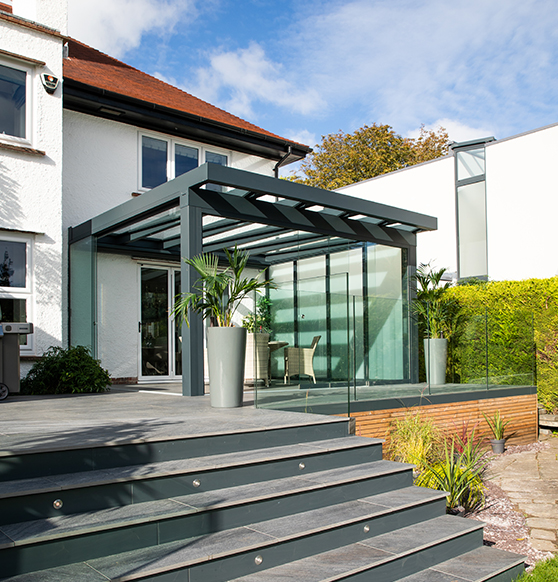
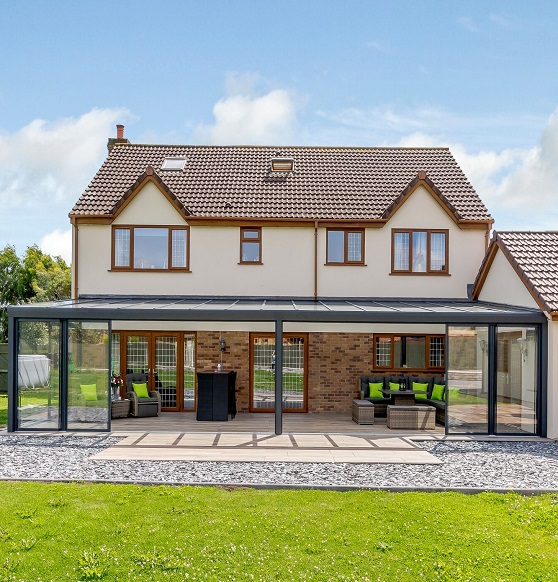
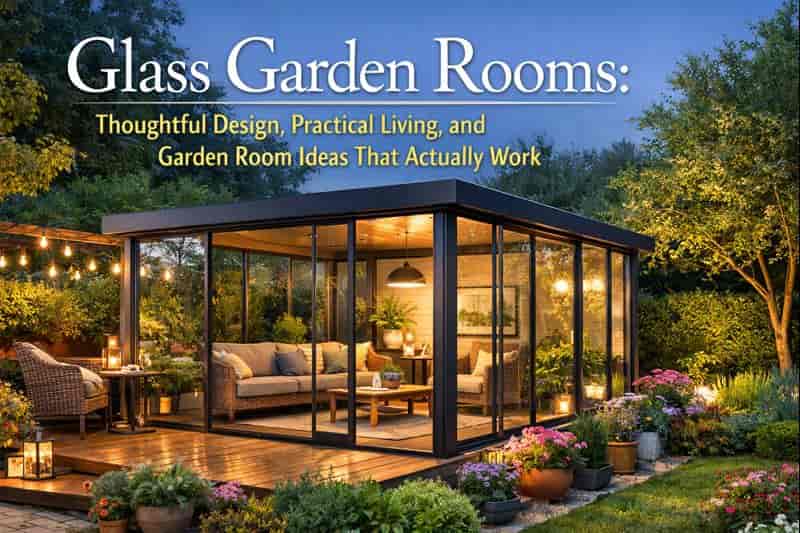
There’s been a quiet shift in how homeowners across the UK think about space. Not louder extensions or disruptive builds, but smarter, calmer ways to bring the outdoors closer—without giving up comfort. That’s where glass garden rooms and garden sunrooms come into their own.

Over the last decade, I’ve worked with homeowners looking to reclaim unused garden space, add light to their homes, or simply create somewhere that doesn’t feel like “another room.” And time and again, glass-led garden rooms stand out—not as trends, but as lasting lifestyle upgrades.

This guide breaks down what really matters when choosing a garden room: materials, design, usability in the British climate, and how the right glass for veranda structures can completely change how you use your garden.

Why Glass Garden Rooms Have Become a UK Favourite

Traditional conservatories had their moment—but many homeowners discovered the hard way that they overheated in summer and froze in winter. Modern glass garden rooms are different. They’re engineered spaces, not afterthoughts.

The appeal lies in balance. You get:

  • Natural light without glare
  • Shelter without isolation
  • Structure without heaviness

Glass isn’t used for decoration alone—it’s structural, thermal, and architectural.

For homeowners who want year-round usability rather than a seasonal space, a properly designed glass garden room is often the smarter option.

Garden Sunrooms vs Glass Garden Rooms: Is There a Difference?

The terms are often used interchangeably, but there are subtle differences worth understanding.

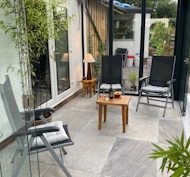
Garden sunrooms are typically designed to maximise sunlight. Think bright, airy spaces that work beautifully in spring and autumn. They’re ideal for dining, reading, or simply enjoying the garden without battling the weather.

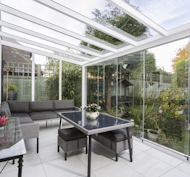
Glass garden rooms, on the other hand, tend to be more architectural. They often include:

  • Thermally broken aluminium frames
  • High-performance glazing
  • Integrated lighting and shading
  • Optional sliding or bi-fold doors

In practice, many modern builds combine both concepts—sun-focused design with robust, all-season performance.

The Importance of High-Quality Glass for Veranda and Garden Rooms

If there’s one area where cutting corners causes long-term regret, it’s glazing.

The right glass for veranda and garden room structures affects:

  • Heat retention
  • UV protection
  • Sound insulation
  • Safety and durability

In the UK, where weather can shift in an afternoon, glazing must do more than look good.

What to Look for in Veranda and Garden Room Glass

From years of hands-on experience, these are non-negotiables:

  • Low-E coated glass to reflect heat back into the room
  • Laminated or toughened safety glass for overhead panels
  • Solar control glazing to reduce summer overheating
  • Self-cleaning coatings for roof panels

Quality glass ensures the space stays comfortable without constant blinds, fans, or heaters.

Garden Room Ideas That Go Beyond the Obvious

One of the biggest misconceptions is that garden rooms are single-purpose spaces. In reality, the most successful projects are flexible.

Here are garden room ideas that clients consistently love long after installation:

1. A Calm, Light-Filled Dining Space

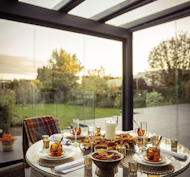
Not formal. Not cramped. Just a table, natural light, and a sense of openness. Glass walls make even small gatherings feel relaxed and unforced.

2. Home Office Without the Cabin Feel

A glass garden room offers separation from the house without isolation. You stay connected to nature, which surprisingly improves focus and reduces screen fatigue.

3. Year-Round Garden Lounge

With proper glazing and heating, a garden room becomes the most-used room in the house—even in winter.

4. Transitional Space Between Home and Garden

Some of the best designs don’t try to replace indoor living. They soften the boundary, creating a natural flow between inside and outside.

Designing for the British Climate (This Matters More Than Style)

The UK climate demands honesty in design. If a garden room only works three months of the year, it’s not a good investment.

Experienced designers plan for:

  • Low winter sun angles
  • Wind exposure
  • Rainwater management
  • Seasonal temperature shifts

This is where well-engineered garden sunrooms and glass structures outperform older conservatory designs. Aluminium framing, combined with advanced glazing, keeps things stable year-round.

Planning Permission and Building Regulations: What You Need to Know

Most glass garden rooms fall under permitted development, but there are exceptions. From experience, problems usually arise when:

  • The structure is too close to boundaries
  • Height restrictions are ignored
  • Drainage isn’t properly planned

Reputable installers will assess this early and advise clearly—no vague assurances.

Building regulations may apply if the room is fully enclosed or connected to the house. Transparency here is a key trust signal and a core part of EEAT compliance.

How Garden Rooms Add Real Property Value

Estate agents increasingly highlight high-quality garden rooms as lifestyle features rather than extras. Buyers don’t just see square footage—they see possibility.

Well-built glass garden rooms can:

  • Increase perceived living space
  • Improve kerb appeal
  • Differentiate a property in competitive markets

The key is integration. When a garden room feels like it belongs, it adds value. When it looks bolted on, it doesn’t.

Maintenance: What Homeowners Don’t Tell You (But Should)

Glass structures are often marketed as “maintenance-free.” That’s only half true.

Quality systems reduce maintenance, but regular care still matters:

  • Annual checks on seals and drainage
  • Occasional cleaning of roof glass
  • Lubricating sliding door tracks

The difference with premium glass and aluminium systems is that maintenance stays simple—and predictable.

Sustainability and Responsible Design Choices

Modern garden rooms can be surprisingly efficient when designed properly. Low-emissivity glazing, insulated frames, and thoughtful orientation reduce energy demands.

Many UK homeowners are now choosing garden rooms as alternatives to full extensions—less material, less disruption, and often a smaller carbon footprint.

Choosing the Right Supplier: Experience Over Promises

From a professional standpoint, this is where many projects succeed—or fail.

Look for:

  • Clear case studies, not stock imagery
  • UK-specific installations
  • Transparent warranties
  • Knowledge of glass specifications, not just aesthetics

True expertise shows in how questions are answered, not how glossy the brochure looks.

Final Thoughts: Why Glass Garden Rooms Continue to Endure

After years in this industry, one thing is clear: people don’t regret investing in well-designed garden rooms. They regret rushing decisions or choosing based on price alone.

The right garden sunroom, built with high-quality glass for veranda systems and grounded in real-world experience, becomes more than an extension. It becomes a space people gravitate toward—quiet mornings, long evenings, and everything in between.

When designed properly, glass garden rooms don’t compete with the home. They complete it.

When you’re planning to add a garden room to your outdoor space, one of the most important decisions you’ll make is the type of foundation it will stand on. Just like a house, a garden room needs a stable, durable base to ensure it lasts for years, remains weather-resistant, and feels comfortable underfoot. At SunSpaces, we provide luxury garden rooms across the UK, and over the years, we’ve seen how the right foundation makes all the difference in both performance and longevity.

In this guide, we’ll explore the different types of garden room foundations, their pros and cons, and help you decide which option is best for your project.


Why Do Garden Rooms Need a Foundation?

Before diving into the types of bases, it’s important to understand why a foundation is non-negotiable for garden rooms UK homeowners. A foundation:

  • Provides stability: Prevents the structure from sinking or shifting over time.

  • Improves insulation: Keeps your garden room warmer and drier by reducing moisture build-up.

  • Protects against damp: Lifts the structure off wet soil, reducing long-term water damage.

  • Ensures longevity: A well-prepared base supports the weight of the garden room, ensuring it remains secure for decades.

Whether you’re building a small hobby room or a luxury garden room with full electrics and heating, your foundation sets the stage for durability and comfort.

Main Types of Garden Room Foundations

Let’s look at the most common foundation options for garden rooms in the UK.

1. Concrete Slab Foundation

The concrete slab is one of the most popular and durable foundations. A large, flat concrete base is poured and levelled to create a strong surface for your garden room.

Pros:

  • Extremely durable and long-lasting.

  • Provides a perfectly flat surface for installation.

  • Great for larger or heavier luxury garden rooms with utilities like plumbing or electrics.

  • Offers excellent protection against moisture rising from the soil.

Cons:

  • More expensive than other options.

  • Requires skilled installation.

  • Permanent – once laid, it’s not easy to move or adjust.

Best for: Homeowners looking for a permanent, highly stable solution for bigger, year-round garden rooms UK.

2. Ground Screws Foundation

Ground screws are large, metal screws that are drilled deep into the ground to support the garden room frame. They eliminate the need for concrete and can be installed quickly.

Pros:

  • Quick installation, often completed in a single day.

  • Eco-friendly alternative to concrete (minimal ground disturbance).

  • Adjustable – perfect for sloping gardens.

  • No need for heavy machinery or extensive digging.

Cons:

  • Not always suitable for extremely heavy garden rooms.

  • May cost more than a simple concrete base.

Best for: Sloping gardens or homeowners who prefer a less invasive, sustainable solution.

3. Timber Frame Base

A treated timber frame is another common choice for smaller or mid-sized garden rooms. It involves constructing a wooden grid that supports the structure.

Pros:

  • Cost-effective compared to concrete.

  • Easier and quicker to install.

  • Good for lighter garden rooms.

Cons:

  • Requires ongoing maintenance (wood can rot if not properly treated).

  • May not last as long as concrete or ground screws.

Best for: Smaller garden rooms or budget-friendly projects.

4. Paving Slab Base

This method uses heavy-duty paving slabs laid out evenly to create a stable surface.

Pros:

  • Affordable and straightforward.

  • Can be installed by DIY enthusiasts.

  • Suitable for small to medium-sized garden rooms.

Cons:

  • Can shift or sink over time if not installed properly.

  • Requires meticulous preparation for stability.

Best for: Hobby rooms, summerhouses, or lighter structures where budget is a key factor.

5. Pile Foundations

Piling involves driving deep supports into the ground, similar to ground screws but often using concrete or steel piles.

Pros:

  • Ideal for unstable or soft ground.

  • Provides strong support for heavy luxury garden rooms.

  • Great for sloping sites.

Cons:

  • Can be expensive.

  • Requires professional installation.

Best for: Large, heavy garden rooms built on tricky terrain.

Which Garden Room Foundation is Best?

The best foundation depends on your budget, garden type, and the size of your garden room. Here’s a quick breakdown:

  • For permanent, luxury garden rooms → Go for a concrete slab or pile foundation.

  • For sloping or uneven gardens → Choose ground screws or piles.

  • For budget-conscious projects → Consider timber frames or paving slabs.

At SunSpaces, we often recommend concrete slabs or ground screws for most clients in the UK, as they provide the perfect balance of durability, cost-effectiveness, and long-term performance.

Preparing for Your Garden Room Installation

Whichever foundation you choose, preparation is key. Here are some steps to ensure success:

  1. Site Survey – Assess the ground conditions, slope, and soil type.

  2. Clear the Area – Remove vegetation, rocks, and debris.

  3. Check Drainage – Ensure water flows away from your garden room to avoid dampness.

  4. Hire Professionals – For concrete slabs, piles, or ground screws, professional installation guarantees accuracy and long-term results.

Why Choose SunSpaces for Luxury Garden Rooms?

At SunSpaces, we design and install high-quality, bespoke garden rooms UK homeowners can enjoy all year round. Whether you want a home office, gym, studio, or relaxing retreat, we’ll guide you through every step – from selecting the right types of garden room foundations to customising the perfect design.

Our expert team ensures your garden room not only looks stunning but also stands on a foundation that guarantees durability, safety, and comfort.

Final Thoughts

Your garden room foundation is the backbone of your entire build. Choosing the right type ensures your investment is secure, comfortable, and built to last. From concrete slabs for durability to ground screws for eco-friendliness, each option has its place depending on your needs.

If you’re planning to add a luxury garden room to your home, trust SunSpaces to provide expert advice, premium quality, and stunning designs that transform your outdoor space.