
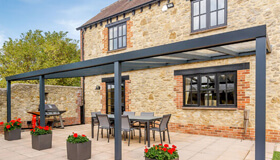
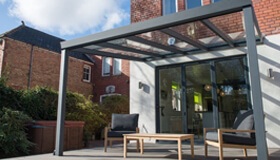
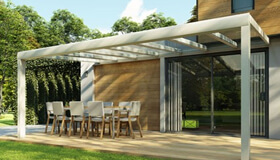
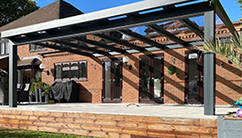

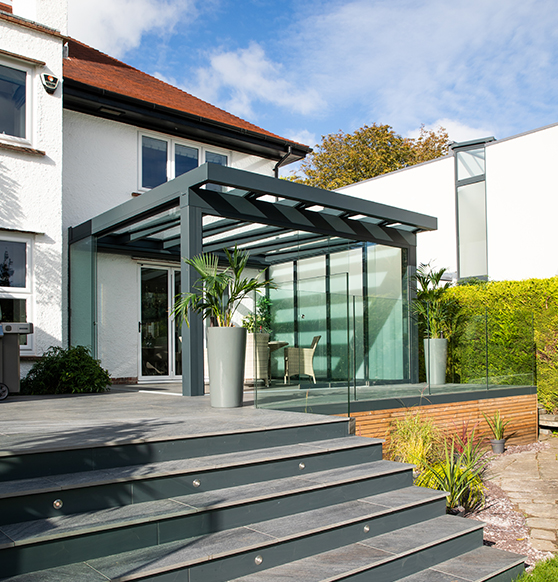
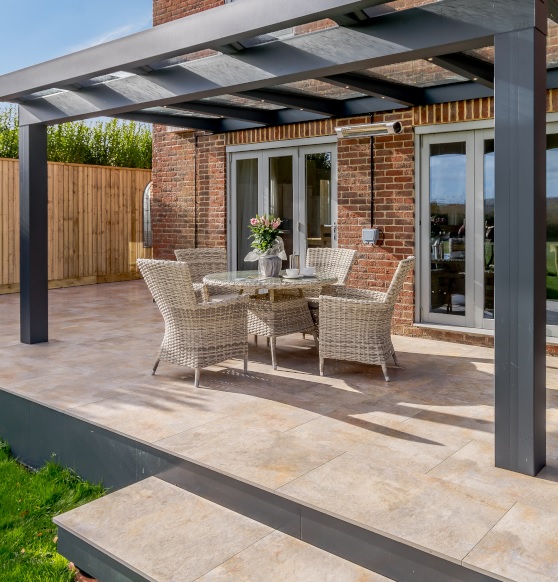
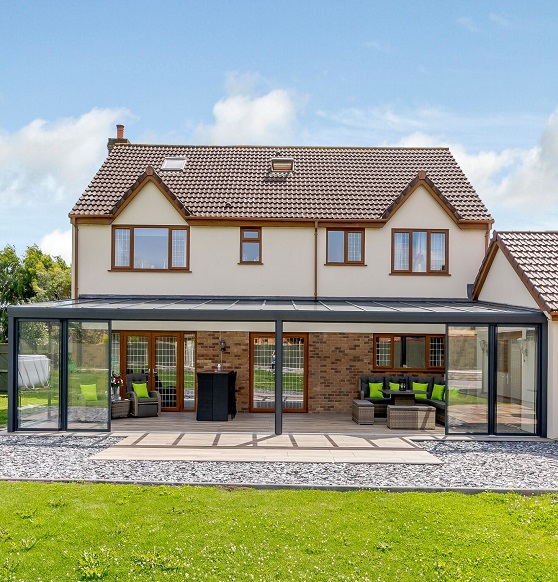
A garden is often one of the most enjoyable parts of a home, but how much time do you actually spend using it? In Britain, a sunny afternoon can quickly turn into a rainy one, and even a little wind can make sitting outside less comfortable. This is one reason more homeowners are looking at ways to make their outdoor spaces useful throughout the year. Exploring the different veranda designs is a good starting point if you want to make better use of your patio or garden.
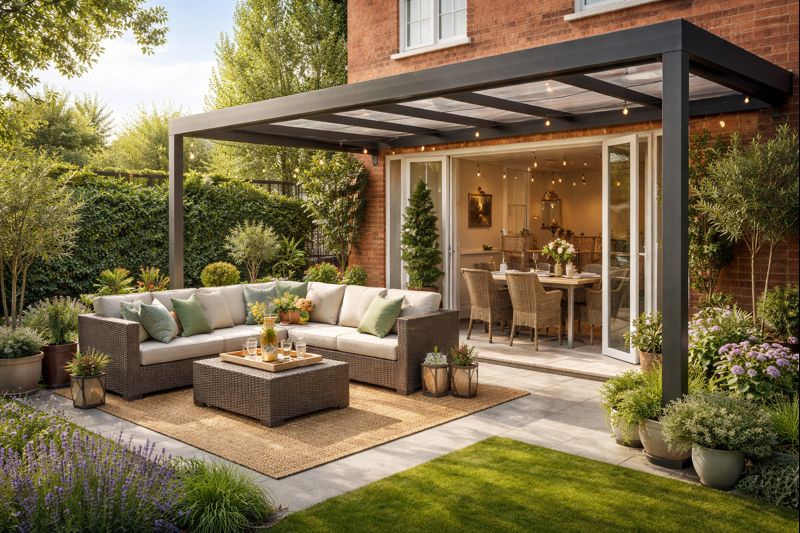
A veranda provides a sheltered area next to the house where you can enjoy your morning coffee, have dinner with family or simply sit and watch the garden without worrying too much about a sudden shower.
But there is something worth thinking about before choosing one: not every veranda looks right on every property. A sleek glass structure might be perfect for a recently built house, while a traditional cottage may need a design with warmer colours and more classic details.
The good news is that modern veranda systems offer plenty of flexibility. From simple glass roofs to larger aluminium structures with sliding panels, there are options for different homes, gardens and budgets.
Let's look at some veranda designs that work particularly well for UK properties and what to consider before choosing one.
What Makes a Good Veranda Design?
A good veranda should look as though it belongs to the house. It should not feel like an afterthought or take attention away from the property's existing features.
For example, a house with large windows, simple exterior finishes and contemporary doors will usually suit a veranda with slim frames and a clean appearance. A property with traditional brickwork and timber details may look better with a warmer finish.
Appearance is only one part of the decision, though. Think about how you will use the space. Someone who wants a sheltered seating area will have different requirements from a family planning to use the veranda for outdoor dining.
Before settling on a design, consider:
-
The available patio or garden space.
-
The amount of natural light you want to retain.
-
The style and colour of your existing windows and doors.
-
How much protection you need from wind and rain.
-
Whether you want additional features such as lighting or glass side panels.
Getting these details right from the beginning can save you from making changes later.
Modern Veranda Designs for Contemporary Homes
Contemporary properties tend to have a fairly simple architectural style. Large windows, open-plan interiors and uncluttered exterior finishes are common features. A veranda should complement these details rather than compete with them.
Here are some designs worth considering.
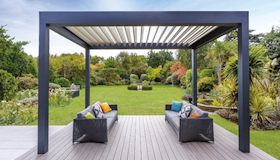
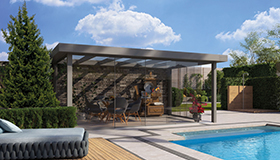
1. Minimalist Glass Verandas
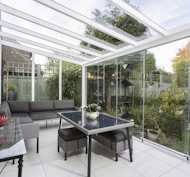
Glass verandas are a natural fit for modern homes, particularly where the owners want to enjoy their garden without making the patio feel enclosed.
Imagine having a glass roof above your outdoor seating area. You can still see the sky, enjoy daylight and watch the garden while having shelter from rainfall. It creates a useful outdoor space without introducing a heavy-looking roof structure.
Clear glass is a popular choice because it keeps the area bright. Depending on the system, other glass options may also be available to suit different requirements.
If you are considering this style, take a look at the glass veranda range from SunSpaces for ideas on different designs, frame finishes and optional features.
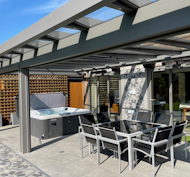
2. Aluminium Verandas with Slim Frames
Aluminium has become a popular material for outdoor structures, and it is easy to understand why. It offers a neat appearance, is relatively lightweight and can be finished in different colours.
One advantage is that aluminium allows manufacturers to create relatively slim structural profiles. This can be useful when you want a veranda that provides shelter without making the garden feel smaller.
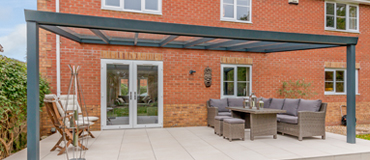
Black and anthracite grey frames are often chosen for contemporary properties. They look particularly attractive against light-coloured walls and modern exterior finishes.
Another benefit is maintenance. Aluminium does not require the same regular painting or protective treatment as traditional timber, although occasional cleaning is still necessary.
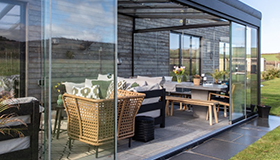
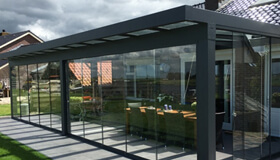
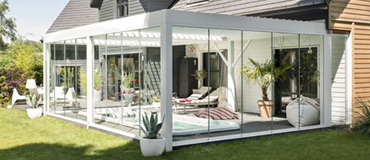
3. Verandas with Sliding Glass Panels
A roof alone provides overhead shelter, but it does not do much to protect you from a cold breeze coming across the garden.
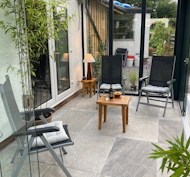
Adding sliding glass panels can make a noticeable difference. They provide additional shelter while keeping the outdoor views open. You can close the panels when the weather turns unpleasant and open them again when you want more fresh air.
This arrangement is useful for homeowners who enjoy spending time outside but do not want to be restricted by every change in the weather.
It is worth remembering that sliding glass panels do not automatically turn a veranda into an insulated indoor room. Their purpose is to provide additional shelter and flexibility.
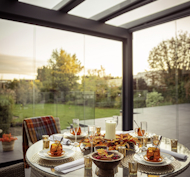
4. Large Verandas for Outdoor Dining
If you regularly invite friends or family over, a larger veranda could be a worthwhile addition.
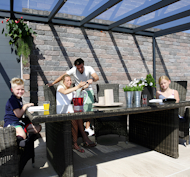
Rather than squeezing a table and chairs into a small patio, you can create a dedicated outdoor dining area. There may even be enough room for a separate seating corner.
Think about how people will move around the space. Leave enough room to pull chairs out comfortably and walk between furniture without constantly moving things around.
Integrated lighting can also make a difference, particularly during evenings when you want to continue enjoying the garden.
Traditional Veranda Designs for Classic UK Properties
Traditional homes have a different character. Cottages, Victorian houses and period properties often feature details that give them a distinctive appearance.
A veranda should respect those features. It does not necessarily need to look old-fashioned, but its colours, proportions and materials should work with the building.
1. Timber-Style Verandas
Timber has a warmth that is difficult to replicate. It is particularly attractive alongside natural stone, exposed brickwork and cottage-style gardens.
A timber veranda can create a relaxed appearance, especially when paired with wooden garden furniture and natural landscaping.
For homeowners who like the appearance of wood but want a different maintenance option, timber-effect finishes may also be worth exploring.
Natural oak, warm brown and similar shades can help the structure blend into the surroundings.
Keep in mind that actual timber needs regular care. Depending on the type of wood and its exposure to the weather, protective treatments may be needed to prevent deterioration.
2. Classic Verandas with Decorative Features
Some traditional properties look better with a little more detail.
Decorative supports, carefully selected frame finishes and traditional proportions can help a veranda complement the existing building.
This does not mean adding elaborate features everywhere. Often, a simple structure with a few well-chosen details looks much better than something overly decorative.
Take a look at your home's existing exterior features before making a decision. Matching the veranda to the style of the windows, doors or other architectural details can help everything feel connected.
3. Pitched Roof Verandas
A pitched roof can work particularly well with traditional properties because its shape relates more closely to conventional house rooflines.
It can also help rainwater drain away, provided the structure has been properly designed with suitable drainage arrangements.
When considering this option, pay attention to the roof's height and angle. An oversized structure may look out of proportion, especially on a smaller property.
The aim is to create something that complements the house rather than dominates it.
4. Cottage-Style Garden Verandas
Cottage gardens have a charm of their own. Flowers, climbing plants, natural materials and comfortable seating all contribute to their character.
A veranda can make this space even more enjoyable by providing a sheltered place to sit.
You could add a small outdoor table, a couple of comfortable chairs and some decorative planters. Warm lighting can make the area feel particularly inviting in the evening.
If you enjoy gardening, leave enough room around the structure for planting and maintenance. A veranda should enhance the garden, not take away all the space that makes it special.
Can a Modern Glass Veranda Work with a Traditional House?
Absolutely. In fact, this is an option that many homeowners overlook.
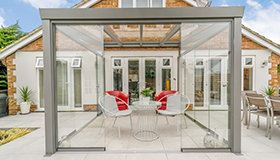
You do not always need a completely traditional structure to complement an older property. A simple glass veranda can look surprisingly attractive against traditional brickwork or stone walls.
The secret is choosing the right proportions and frame finish.
For example, a glass roof with a dark aluminium frame may sit comfortably alongside an older brick property. The transparent roofing keeps the structure visually light, while the frame provides a subtle connection with the building's exterior details.
Looking through real veranda installation photographs can also help you understand how different frame colours and structures look against different types of homes.
Modern vs Traditional Verandas: Which Is Right for You?
The choice largely comes down to personal preference and the appearance of your property.
| Design feature | Modern veranda | Traditional veranda |
|---|---|---|
| Appearance | Simple and uncluttered | Classic and detailed |
| Common materials | Glass and aluminium | Timber and traditional finishes |
| Frame colours | Black, grey and white | Natural and heritage-inspired shades |
| Roof options | Contemporary glass or other modern systems | Pitched or traditional-style roofs |
| Suitable properties | Contemporary houses and extensions | Cottages and period properties |
There is no strict rule that says a modern house must have a modern veranda or a traditional property must have a classic one.
Some of the most attractive designs combine elements from both styles. What matters is that the finished structure looks balanced and serves a useful purpose.
Practical Things to Check Before Installing a Veranda
Once you have found a design you like, it is tempting to start thinking about furniture and decoration. However, there are a few practical matters to sort out first.
Measure Your Outdoor Space Properly
A veranda should fit the patio rather than take over the entire garden.
Measure the width and projection of the proposed structure. Think about where the doors open, where furniture will go and whether there is enough room to walk around comfortably.
If you have a smaller garden, a compact design may be more useful than a large structure that leaves very little open space.
Choose Roofing That Suits Your Needs
The roof affects both the appearance and everyday use of a veranda.
Glass is a good option if maintaining natural light is important to you. Other roofing materials may be more suitable where shading or different performance characteristics are a priority.
Consider the direction your patio faces, how much direct sunlight it receives and how you intend to use the area.
Do Not Overlook Drainage
Rainwater needs somewhere to go. A properly designed veranda should include suitable roof falls and drainage arrangements to direct water away from the structure.
This is particularly important in the UK, where prolonged rainfall is not unusual.
Ask about guttering, downpipes and how the system will connect with your existing outdoor drainage.
Check Planning Requirements
Not every veranda installation requires planning permission, but the rules depend on the property and proposed structure.
Listed buildings, conservation areas, property boundaries and the dimensions of the installation can all affect the requirements.
It is sensible to speak with your local planning authority before starting work. Building regulations should also be considered where applicable.
Think About Long-Term Maintenance
A veranda should make life easier, not create another demanding maintenance job.
Aluminium frames are generally straightforward to clean. Glass panels need occasional washing, while gutters should be checked regularly to prevent leaves and debris from blocking the drainage.
If you choose timber, be prepared for additional maintenance and protective treatments.
Simple Ways to Make Your Veranda More Inviting
The structure provides the foundation, but the finishing touches make the space enjoyable.
Start with furniture that suits the available area. A small bistro table and two chairs may be all you need for a compact veranda. Larger spaces can accommodate outdoor sofas and dining furniture.
Plants are another easy way to soften the appearance. A few large planters around the edges can help connect the veranda with the rest of the garden.
Lighting deserves some attention too. Warm LED lights can create a comfortable atmosphere during darker evenings, while well-positioned outdoor wall lights can make the area more practical.
If you plan to use the space during colder months, you could also look into suitable outdoor heating options and additional glazing. Just remember that an open veranda is not the same as an insulated extension.
Final Thoughts
A veranda is a relatively simple addition that can change how you use your garden. It gives you somewhere to sit when the weather is not perfect, creates a natural space for entertaining and can improve the overall appearance of your home's exterior.
For modern properties, glass roofs and slim aluminium frames are worth considering. Traditional houses may benefit from warmer finishes, classic proportions and designs that complement their existing architectural features.
There is also no reason why you cannot combine the two approaches.
If you are considering a more enclosed outdoor space, you can also explore SunSpaces garden room designs to see how they differ from open veranda structures.
A little planning at the beginning can help you create an outdoor space that you will genuinely enjoy using.
Frequently Asked Questions
1. What is the most popular veranda design in the UK?
Glass and aluminium verandas are popular choices because they offer a modern appearance, allow natural light through and are relatively easy to maintain.
2. Are glass verandas suitable for traditional homes?
Yes. A glass veranda can look attractive on a traditional property when the frame colour, dimensions and overall design complement the existing architecture.
3. Which is better, an aluminium or timber veranda?
Both have their advantages. Aluminium is generally easier to maintain and offers a contemporary appearance, while timber provides a natural, traditional look but needs more regular care.
4. Can I add glass sides to an existing veranda?
This depends on the veranda's design and structural compatibility. Some systems can accommodate additional sliding glass panels, but the existing structure should be checked before any modifications are made.
5. How can I use my veranda during winter?
You can make it more comfortable with additional glazing, suitable outdoor heating, weather-resistant furniture and good lighting. The level of protection will depend on the veranda system.
6. Does a veranda add value to a property?
A well-designed veranda may improve a property's appeal by making the garden more functional and attractive. However, any effect on property value depends on the location, quality of installation and preferences of potential buyers.