0% Interest FREE. SPRING SALE 25% Discount.
CLEARANCE OFFERS

Author: ryan


Extending your home is an exciting prospect, as it should be! The thought of having additional space that you can take advantage of is one that most homeowners would relish, whether it's for storage, a place to relax or somewhere where you can entertain your guests for hours on end. 


However, the whole process can quickly transcend into chaos if nightmare neighbours object to the plans. But can they? 


In this blog, we take a closer look at if it is possible for neighbours to object to home extensions such as garden rooms and what you can do about it, hopefully providing you with some peace of mind if you plan on extending your home with a stylish new garden room.


Property with garden room


One of the many ways that homeowners up and down the country can add value to their properties is by building an extension that provides more space and greater functionality to their home.


However, building a full-blown extension requires a lot of time, planning and money, a heavy investment that comes with plenty of hassle and potential to go wrong. 


Garden rooms, on the other hand, are a much easier choice that homeowners can opt for. They still add value to a property but come with far fewer issues as a result of their quick and easy installation and often little to no planning permission requirements.


But how does a garden room add value to your property exactly? In this blog, we take a look at the main areas where a garden room can boost the worth of your home!


After nearly 12 months of living under strict restrictions thanks to the COVID-19 pandemic, there may finally be some light at the end of this very long and dark tunnel.


With vaccinations well underway and the number of new cases falling all over the UK, at last, we may be heading towards the end of what has felt like a very tiresome 12 months, but how long until you're able to meet back up with people in the comfort of your garden? Well, that very much depends on what each of the four UK nations believes to be the best way out of their respective lockdowns. 


In the last week, we have heard from all four national leaders on their plans to ease lockdown restrictions. Some provide clear dates of when certain restrictions will be eased, whereas others have been a little vaguer. If you happened to miss these recent updates and are wondering when you can meet people in your garden, read on to find out!


wild garden

With 2020 coming to an end (thankfully), we can finally start to look forward to 2021 in hope that it brings much more joy than the previous year. For many, this year has been a real struggle due to the sheer amount of time that we have been forced to spend indoors. But for some, this has provided new opportunities and new hobbies that they may have never indulged in before, such as gardening or simply spending more time in their outdoor space.


With that said, this blog looks at the garden trends that are set to be a hit in 2021, inspired by the activities and noises on Instagram, a place where many garden and outdoor lovers go to share their experiences, advice and ideas.


So, without further ado, let's take a look at the biggest garden trends that are set to take 2021 by storm...


Image: Pixabay

What Are Sunrooms Made Of


In previous times, sunroom construction was a lot simpler. There were only a handful of styles to choose from, and the materials used to construct them were limited to just wood, brick or stone. However, thanks to advances in technology, this has all changed. Nowadays, there is a wide variety of materials that can be used to bring a sunroom to life, including wood, vinyl and aluminium. All of which bring their benefits and drawbacks. The material that you choose to use for your sunroom will depend on several factors, such as the style you want to create, whether you plan to use your sunroom during a particular season in the year or year-round and of course, your budget.

Here, we take a look a closer look at the most common materials used to make sunrooms today.


Sunrooms made from wood

Traditionally, all sunrooms have been made from wood. It is easier to feel like you are outdoors when you are surrounded by the natural feel of organic wood, which is unmatched by the other common materials of aluminium and vinyl. Wood for sunrooms provides excellent insulation properties as well as the ability to withstand extreme fluctuations in temperatures and resist the effects of condensation. However, wood can be expensive, especially now as more people are becoming environmentally sensitive. Additionally, sunrooms made out of wood require a lot more maintenance and upkeep than other materials. Despite these slight negatives, wood is a great option for homeowners looking for a unique look for their sunroom.


Sunrooms made from vinyl

If a high level of insulation is what you’re looking for, then vinyl is the material to choose. When combined with double or triple-pane energy-efficient windows, vinyl will keep your sunroom comfortable all year round, whilst saving you money through reduced energy costs. Additionally, vinyl is super low-maintenance, resists rust and is available in a range of styles, colours and size options – perfect to match any sunroom need that you may have.


Sunrooms made from aluminium

Despite aluminium being lightweight, it is one of the most robust materials available and can hold heavy loads with ease. One of the main reasons why homeowners choose aluminium for their sunroom is down to the fact it allows larger windows and glass panes to be installed. With less supporting material required, you will get more for your money, which is the main purpose of a sunroom. Aluminium is also manufactured in a variety of colours, which allows you to match your sunroom to the rest of your home’s décor. The only slight drawback to aluminium is that its insulation properties fall short of the other two materials. You, therefore, have to deploy other insulation techniques to ensure your sunroom doesn’t reach extreme temperatures throughout the summer and winter months. Whilst the insulation qualities of aluminium have improved over recent years, it is still not adequate to be used alone. As a result, many manufacturers use a combination of vinyl and aluminium to achieve the insulation needed for a comfortable living space.


Our sunrooms

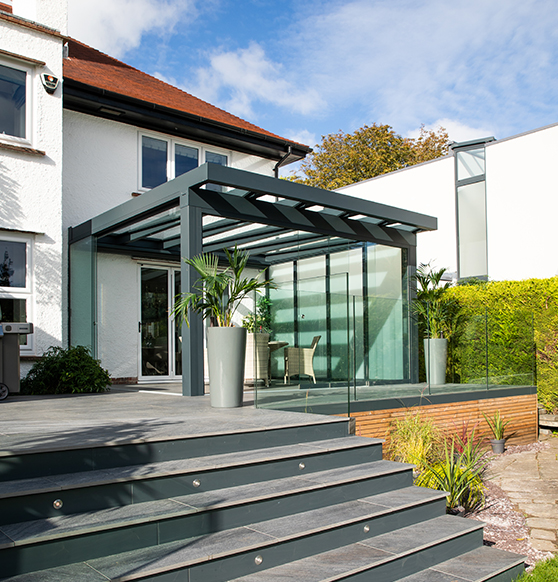
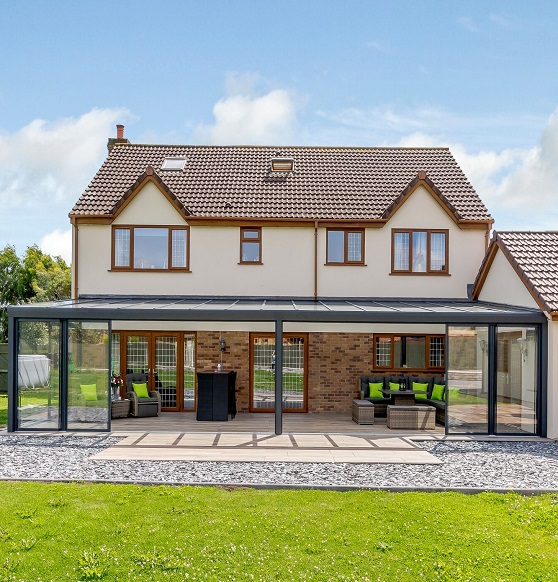
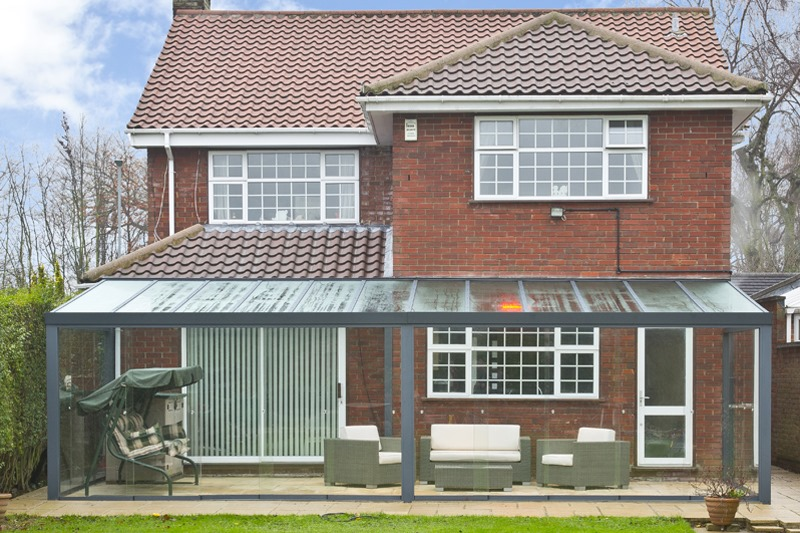
Here at SunSpaces Garden Rooms and Veranda, we supply a whole host of sunrooms in a variety of styles and looks to suit your every need. All of which are made out of aluminium to provide the most sturdy and long-lasting material available. All of our sunrooms come with a range of optional extras such as heating and shade to make your sunroom the ultimate year-round living space. Learn more about our collection of sunrooms below.


Browse Our Sunroom Range >


If you would like to learn more about what our sunrooms are made of or for more information on one of our sunroom models, then please contact a member of the SunSpaces team today. We’d be more than happy to help.

polycarbonate vs glass roof


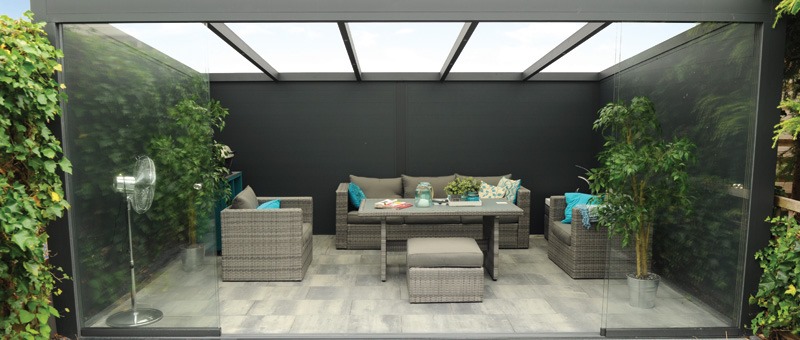
Our range of verandas and garden rooms is available to order with a variety of customisable options. From sound, heating, locking doors and gutter options, with SunSpaces you are truly able to make your veranda or garden room your own.


One of the main options available, however, is the material of the roof. Choose from either glass or polycarbonate, but which is better? Here we take a look at the two materials, providing the advantages and disadvantages of both.


Glass Roofs

Advantages:

  • A glass roof provides ideal acoustic properties, meaning less noise will be made during heavy rainfall
  • Completely clear material results in great opportunities to gaze outside at the stars at night and birds in the day
  • A clean, polished appearance brings a classy look to the property

Disadvantages:

  • Potential safety risk if the panels are not of a good enough quality
  • Little to no UV protection
  • Sometimes slightly costlier


Polycarbonate Roofs

Advantages:

  • Life expectancy of up to 25 years
  • Cost-effective option
  • Very high impact resistance
  • Available in a variety of clarity options
  • High UV protection
  • Excellent structural performance
  • Maintains strength and colour over a long period
  • Resistance to all weather conditions
  • Self-extinguishing qualities

Disadvantages:

  • Unlike a glass roof, you are not able to have a clear view of the sky unless a solid polycarbonate is used
  • Poor acoustic properties – quite noisy during heavy rainfall


The main points

The roof of your garden room or veranda is its most important feature. It keeps the structure together as well as protecting it from rain, wind and snow. But with different material options available, it can become quite difficult to choose the right one. Above, we have listed some of the main advantages and disadvantages when it comes to polycarbonate vs glass roofs, but a few of these stand out more than others, so let’s take a deeper look!

Sounds Insulation

If you’ve ever been under a polycarbonate roof during heavy rainfall, you’ll be familiar with the loud thudding and sometimes unbearable noises that occur. Unfortunately, this is enough to put the majority of homeowners off, as a veranda and garden room is a place where people want to sit back and relax, not listen to loud and annoying noises. Being interrupted by the loud thudding of rain and the howling wind is the last thing you want; therefore, if a peaceful space is something you’re interested in, a glass roof is the choice for you.

Aesthetics

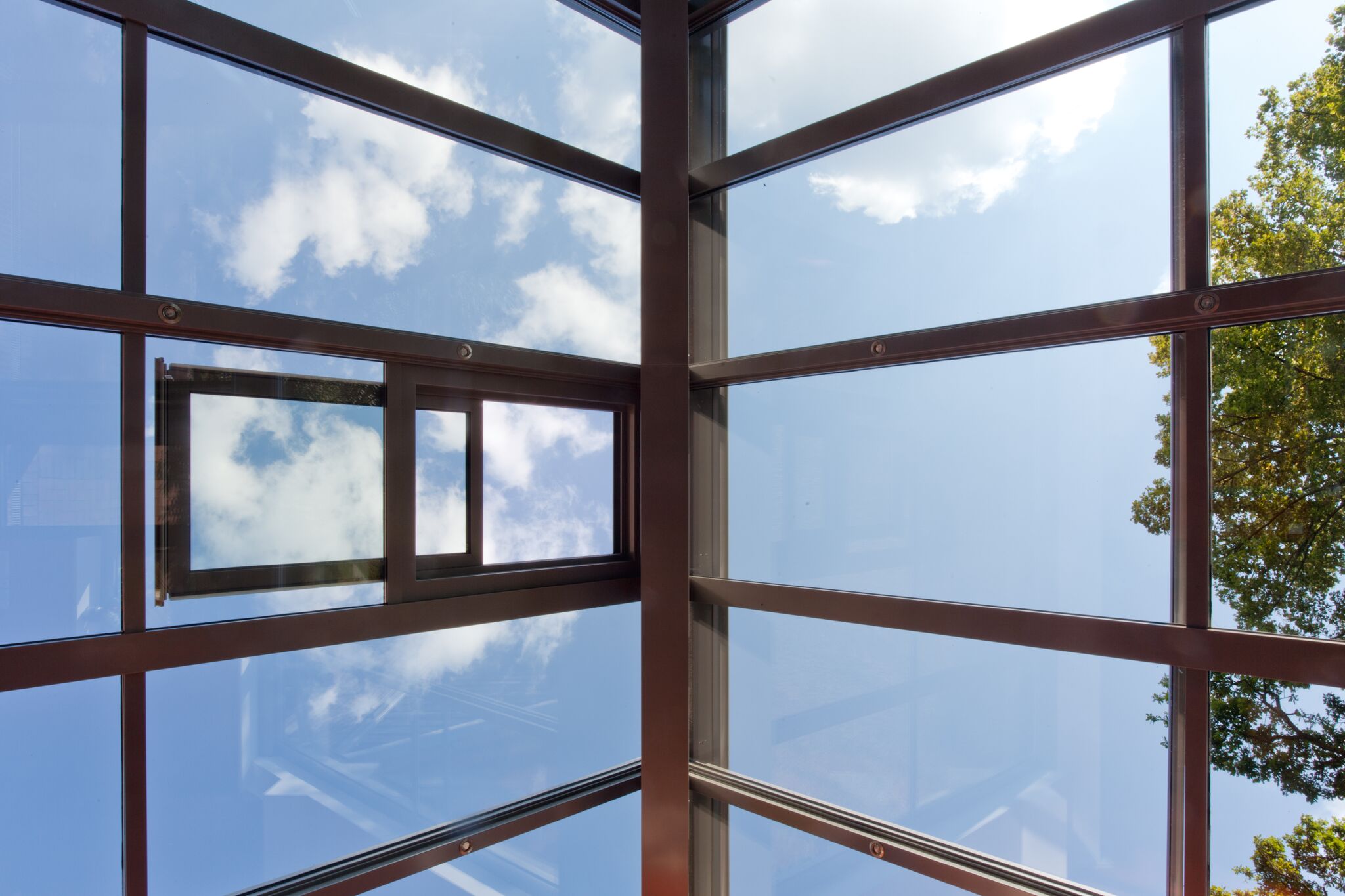
Glass roofs enable light to fill your garden room as well as providing beautiful views that you can use to gaze at the sky and surroundings during both day and night. Its classier appearance enables structures to look more prestige, perfect for homeowners looking to create a property that stands out. Polycarbonate roofs, on the other hand, are often translucent, so not completely clear and do not offer the same look as glass.

Maintenance

Glass roofs often use an easy clean coating which repels dirt fantastically. The provides a clean-looking roof that doesn’t require much effort to keep looking good. Polycarbonate roofs sometimes do not offer this level of low-maintenance and require some level of upkeep to remove dirt and moss.   


And there you have it – our polycarbonate vs glass roof comparison! Here at SunSpaces, we offer both glass and polycarbonate roof options for our range of verandas and garden rooms. However, our selection of polycarbonate and glass roofs is made of the very best materials, meaning the differences between the two are very slight and ultimately come down pto ersonal preference.


For more information on our polycarbonate and glass roofs, please do not hesitate to get in touch with a member of the SunSpaces team today by calling 01727 845 788 or emailing info@sunspaces.co.uk

The Difference Between a Sunroom and Conservatory


For many people in the UK, a sunroom and a conservatory are the same thing, often mistaken for one another. The names are used interchangeably, without ever realising that they are two different structures that contain distinct differences.


One thing that the two do have in common, however, is the fact that they are both structures added onto a property, designed to soak up the sun whenever possible. Homeowners who have either of these attached to their property can look forward to a beautiful summer's day in peace.


So, what exactly makes a sunroom and a conservatory different? Let's take a look!


Length of Use

Conservatories are well known for their seasonality, meaning the times of the year they are typically used. Conservatories tend to become incredibly cold during the winter months, which can make it difficult to relax! In the summer, on the other hand, a conservatory can become extremely hot due to high exposure levels to the sun.


Sunrooms, however, are suitable for use from March until early October.


Materials

Another difference between a sunroom and a conservatory is the materials that are used when building them. A conservatory tends to be made of UVPC and glass windows, or a brick base and glass windows with a polycarbonate/glass roof, meaning you typically only benefit from the top half of the structure being made of glass.


A sunroom, on the other hand, is typically made entirely of glass, from the glass door panels all the way up to the glass roof. The roof of a sunroom is typically manufactured from glass and is solid, offering increased protection from the sun.


Consent & Speed of Assembly

The final difference between a sunroom and a conservatory is the process that you need to follow in order for it to be built and attached to your home. If your sunroom or conservatory exceeds a certain size, it will require planning permission from your local council*.


Neither option is cheap when built from the ground up. A great way that you can avoid the problems and drama of planning permission and building from scratch is by purchasing a ready-built structure that you can attach straight onto your home.


These ready-made structures mostly* eliminate the need to gain planning ​permission (*in most circumstances – speak to a representative to ensure no planning permission is required) and your home turning into a building site for a couple of months – and you can get one right here!


But by far the biggest benefit of adding a sunroom over a conservatory is the speed of assembly. A typical veranda can be installed in 1-2 days, with a garden room typically being installed in 3-4 working days!


There you have it, the main differences between a sunroom and a conservatory. If you're thinking about adding one of these structures to your property, we hope this blog helps to inform your decision. But if you're asking us, a sunroom is the way to go. The ability to use it year-round and add amazing customisable options makes it a no-brainer.

Don't just take our word for it...

One of our previous clients has moved from a home with a SunSpaces sunroom to a home with a conservatory. She got in touch and said:


"We had one of your sunrooms built onto our old house, and it was fantastic. The best thing we ever purchased. We have a conservatory in our new house and we hate it. It's so old-fashioned and dated. Would love to remove it, but not an option at the moment. We can’t understand anyone purchasing a conservatory anymore when they could have an amazing sunroom design. Stunning!"


For more information on our range of sunrooms, be sure to get in touch with a member of the SunSpaces team today or request an instant, free quote!

Request a Quote >

With the digital age that we now live in becoming bigger and bigger as time passes, the need for real, human interactions and connections has never been greater and going into the new year, your outdoor living space can play a vital role in making these connections happen. 


The once simple patio with weatherproof furniture and bbq, which has worked for so many people for so many years, just isn't enough anymore. People now want a comfortable space where they are able to relax and connect with family and friends that match and in most cases surpass, the comfort of their indoor spaces. With this in mind, we take a look at some of the predominant outdoor living trends that can be expected to continue gaining popularity in 2019.


Combine with Nature 


(Pictured: Serenity Veranda)


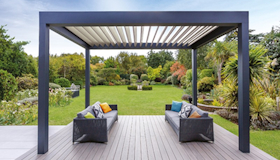
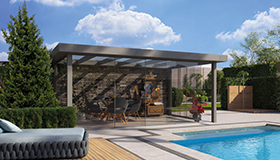
One of the most exciting up-and-coming trends is to combine or 'entangle' hardscape installations with the surrounding nature and landscape, which can be achieved in a number of different ways. For example, installing a detached veranda in an area of your garden surrounded by beautiful greenery or placing plants and flowers inside to create a natural environment within it. 


Contemporary Design


(Pictured: Compact Awning)


2019 will most definitely see many homeowners continue following the trend of transforming their outdoor living spaces to match the clean lines of contemporary design found within their inside spaces. People often associate textures and colours with contemporary design, so we can expect this to continue over the next 12 months. Another aspect of the contemporary trend focuses on monochromatic colour schemes with bright pops of colour.


Transitioning Inside to Outside


(Pictured: Sanctuary Garden Room)


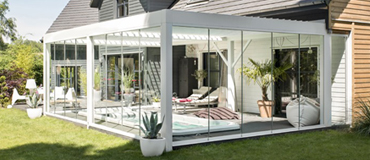
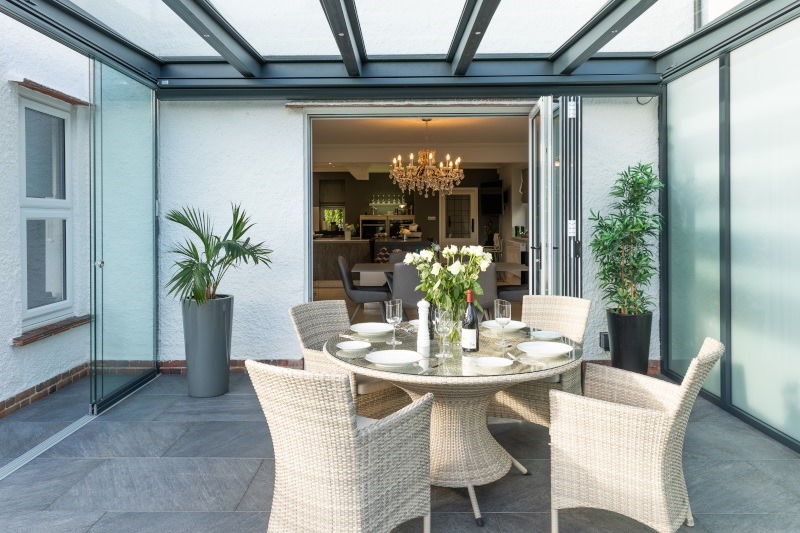
One of the biggest outdoor living trends for 2019 is distorting the line between indoors and outdoors. This usually involves a lot more than just patio doors and windows, with a number of our SunSpaces providing the perfect opportunity to achieve just this! A garden room is a perfect solution if you're looking to extend your outside living area and with a number of additional features available such as lighting and heating, you are able to make the transition feel even easier. 


Grey & Greige Tones


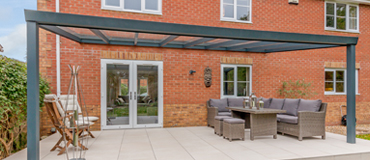
(Pictured: Graphite Grey Outlook Veranda)


From light grey to darker charcoal colours, grey continued to dominate indoor and outdoor colour trends in 2018 and we do not expect this to slow down anytime soon! However, a recent trend has started which sees colours leaning back towards warmer tones, resulting in the rise of 'greige', a fine blend of grey and beige tones. Homeowners are expected to utilise these tones into new hardscapes, taking advantage of its ability to work extremely well with both cool and warm design palettes. 


Our collection of SunSpaces is perfect if you're looking to capitalise on any of these outdoor living trends in 2019! For more information about any of the listed products or our range of SunSpaces, please do not hesitate to contact us today!