0% Interest FREE. SPRING SALE 25% Discount.
CLEARANCE OFFERS

Archive

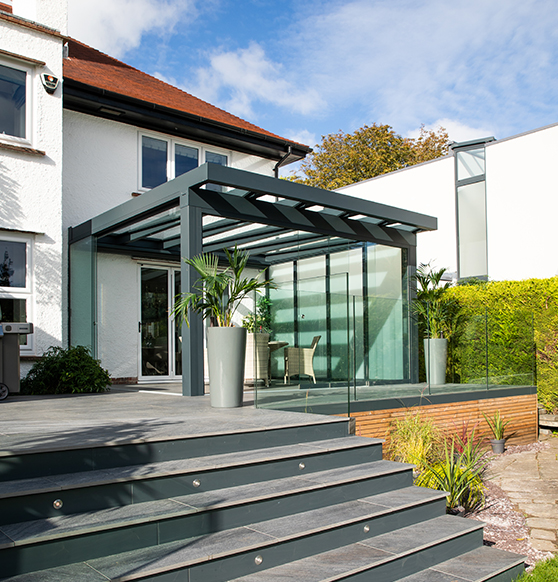
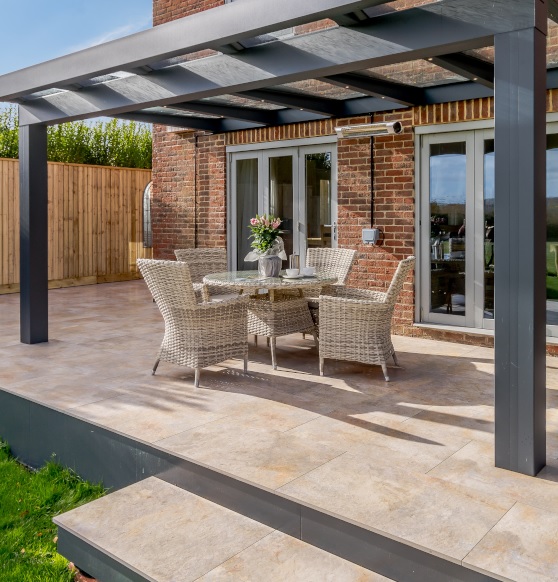
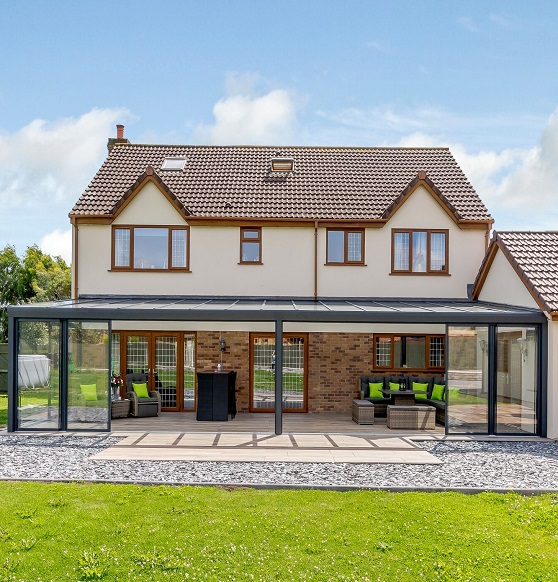
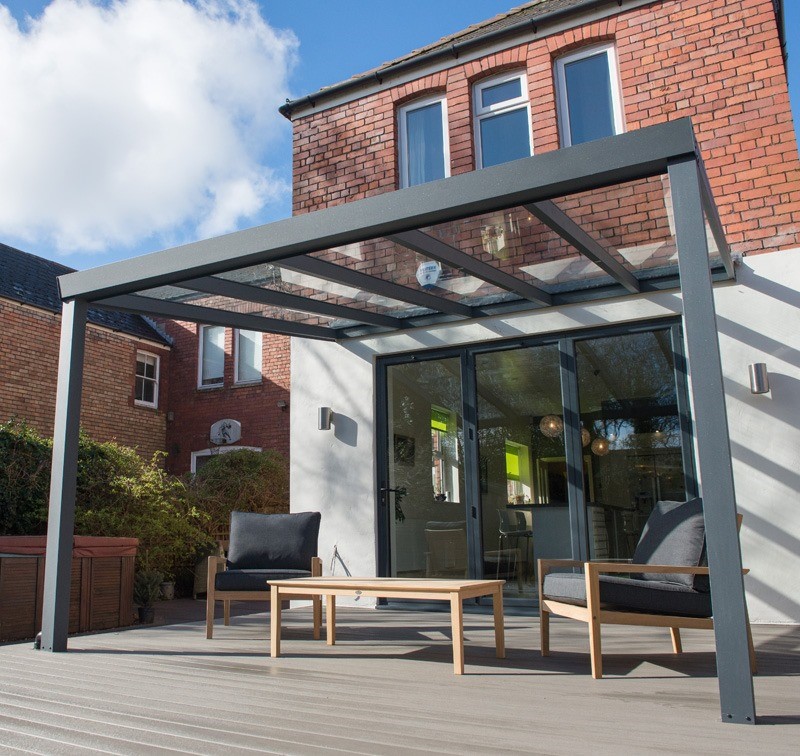
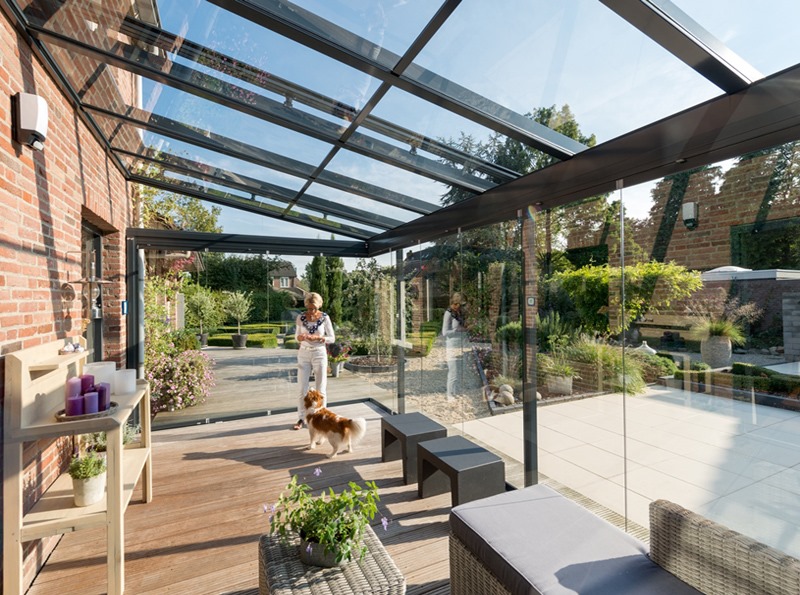
Adding a glass veranda or modern garden room to your property is a fantastic way to enjoy your outdoor space all year round. These contemporary structures offer shelter, style, and a seamless transition between your home and garden. But before you start planning your dream outdoor extension, there’s one crucial question that often comes up:

Do you need planning permission to have a glass veranda or garden sunroom in the UK?

At SunSpaces, we understand the hesitation homeowners feel when considering external improvements. The concern about navigating planning laws can be a major barrier, but the good news is that, in many cases, you don’t need planning permission at all


In this comprehensive guide, we’ll explain everything you need to know, from permitted development rights to the Four Year Rule and how SunSpaces takes care of the paperwork so you can focus on designing your perfect outdoor structure.


Understanding Permitted Development Rights in the UK


Permitted development (PD) rights are a set of planning rules that allow homeowners to make certain changes to their property without applying for formal planning permission. These rights were introduced to simplify the home improvement process, and they cover things like:

  • Extensions
  • Conservatories
  • Garden rooms
  • Porches
  • Outbuildings
  • And yes, glass verandas and sunrooms

When is a Glass Veranda Permitted Development?

A glass veranda usually qualifies under permitted development if:

  • It is a single-storey structure
  • It does not extend more than 3 metres from the rear wall of a semi-detached/terraced house (4 metres for detached homes)
  • The total height does not exceed 4 metres
  • It is not built on designated land (e.g. conservation areas, national parks, or Areas of Outstanding Natural Beauty)
  • It does not cover more than 50% of the garden area

These rules may seem simple, but it’s crucial to confirm them for your specific location. SunSpaces always checks local council guidelines and performs full planning assessments before starting a project.


When Do You Need Planning Permission for a Veranda or Sunroom?


Despite PD rights, there are still circumstances where planning permission is required. Here are some key scenarios where additional approval may be necessary:

1- Listed Buildings

If your home is a listed building, you’ll need permission for any external change, even if the addition is temporary or small.

2- Conservation Areas or Protected Land

If your property is in a conservation area, green belt, or national park, development rights are restricted. The goal is to protect the historical or natural character of the area.

3- Oversized Verandas or Sunrooms

Structures that exceed the PD dimensions (e.g., a veranda over 3-4 meters deep or taller than 4 meters) typically require a full planning application.

4- Attached Glass Rooms or Enclosed Structures

If you’re building a fully enclosed structure (like a sunroom with walls, rather than an open glass veranda), the rules may be different. The greater the permanence and utility of the space, the more likely planning permission is needed.

What is the Four-Year Rule in Planning Law?


The Four Year Rule is a legal provision that allows homeowners to apply for retrospective planning permission for a development that has existed for more than four years without enforcement action.

How Does It Work?

If you built a glass veranda or sunroom without knowing you needed planning permission, and four years have passed with no objections or action from the council, you may be able to apply for a Certificate of Lawfulness.

This certificate effectively legalises the structure retrospectively, assuming:

  • It’s been in continuous use for four years
  • There has been no enforcement action
  • No neighbours or officials objected during that time

The Catch?

You can’t just wait four years and hope for the best. If enforcement action is taken within that time, you may be instructed to:

  • Remove the structure
  • Or submit a planning application (which might not be approved)

This is why we always recommend working with professionals like SunSpaces who assess planning needs before installation.


What Happens if You Build Without Permission?


If you construct a glass veranda without permission in an area where it is required, you might face:

  • Fines or penalties
  • An enforcement notice requiring the structure’s removal
  • Problems during property sale or mortgaging
  • Difficulty getting insurance or warranties validated

It’s simply not worth the risk. The earlier you check the rules, the better.


SunSpaces: Your Partner in Planning and Outdoor Design


At SunSpaces, we offer a wide range of stylish glass verandas, along with roofing options and accessories that let you customise your dream outdoor space. But beyond aesthetics, we also handle all the technical and legal details, including:

1- Planning, Assessment, and Advice

We check if your project falls under permitted development or if full planning permission is required.

2- Custom Plans and Drawings

If an application is needed, we’ll prepare all required architectural plans and technical drawings.

3- Liaising with Local Councils

We deal with your local planning authority directly, saving you time and stress.

4- Submissions and Tracking

We’ll apply on your behalf and keep you informed of its progress.


FAQs: Planning Permission for Glass Verandas

1- Do glass verandas add value to your property?

Yes! A well-installed veranda or garden room can increase your property value by improving kerb appeal, increasing usable living space, and enhancing the outdoor lifestyle factor.

2- How long does it take to get planning permission?

It typically takes 8-12 weeks from submission to decision. With SunSpaces managing the process, we aim to keep this timeline on track.

3- Can I install a veranda on a flat roof?

Yes, but structural load and drainage must be carefully calculated. Our expert installers ensure all designs are safe and compliant.

4- What materials are used in SunSpaces UK verandas?

Our verandas feature high-quality aluminium frames, UV-protected glass, and a range of modern roofing materials, including polycarbonate and retractable fabric roofs.


How to Start Your Veranda Project with SunSpaces


Whether you're planning a simple glass canopy or a fully enclosed outdoor sunroom, SunSpaces offers everything you need:

  • Modern, stylish designs
  • Weather-resistant, low-maintenance materials
  • Fully customizable accessories like sliding glass walls, LED lighting, and heaters
  • Professional installation and project management
  • Assistance with planning permissions and building regulations

Want Veranda Cost Knowledge? You Can Read This Blog: https://www.sunspaces.co.uk/news/post/2025/06/07/how-much-does-a-veranda-cost-in-the-uk-a-complete-pricing-guide  

Ready to Explore Your Options?

Get in touch today for:

Free, no-obligation consultation
A downloadable brochure full of veranda styles and ideas

Help with planning advice tailored to your property


Build with Confidence


Don’t let planning permission stop you from enjoying a stylish outdoor lifestyle. With the right team behind you, designing your dream garden structure is easier — and more achievable — than you think.


At SunSpaces, we’ve helped hundreds of homeowners enhance their homes with beautiful, functional glass verandas and sunrooms. We’re not just about design — we’re your partners in the full process, including compliance, safety, and planning approval.


Contact SunSpaces UK today and let’s make your outdoor vision a reality.
No stress
No paperwork headaches
Just a beautiful new space to enjoy all year round


Call us now on: 0800 028 8756
Or email: info@sunspaces.co.uk
Visit: www.sunspaces.co.uk


Explore our selection of garden verandas, patio verandas, and glass sunrooms. Upgrade your outdoor space with our high-quality glass verandas and sunrooms. Enjoy comfort and style.

When it comes to enhancing your outdoor living space, a veranda or sunroom is often at the top of the wishlist. It adds charm, utility, and value to your property while giving you a peaceful retreat to enjoy the outdoors year-round. But when you’re ready to make that dream a reality, the big question arises—should you take advantage of a veranda sale or invest in a custom build?


This blog helps you make an informed decision by comparing both options regarding cost, design flexibility, quality, and long-term value. Whether budget-conscious or aiming for a premium experience, here’s everything you need to know.


What Is a Veranda?


A veranda is a covered outdoor extension, often attached to the house, typically offering partial enclosure. It’s designed for relaxation, entertaining, and enjoying nature without being fully exposed to the elements. Depending on the construction, it can function as a patio, an entryway, or even a sunroom—especially when enclosed with glass or screening.


Veranda Sale: A Quick Overview


A veranda sale typically involves pre-designed veranda kits or semi-customised models offered at discounted prices, either during seasonal promotions or as part of clearance inventory.


These verandas usually come in standardised sizes, materials, and styles, allowing homeowners to quickly select and install them at lower costs.


Custom Build Verandas: What to Expect


A custom veranda is designed specifically for your property. From the frame to roofing, materials, finishes, dimensions, and integration with your existing home—everything is tailored to your exact specifications. You work with designers, architects, and contractors to bring a unique vision to life.


Custom verandas can also function as sunrooms when built with full glass enclosures and insulation.


Veranda Sale: Pros and Cons

✅ Pros

  1. Cost-Effective
    You can save significantly during a veranda sale, with discounts often ranging from 10% to 40% off retail prices.

  2. Fast Installation
    Most pre-fabricated verandas are ready to install, reducing lead time and labour costs.

  3. Wide Availability
    With many design templates available, you can find something that fits a wide range of property styles.

  4. DIY-Friendly
    Many veranda kits are designed for easy self-installation, which is ideal for homeowners who enjoy hands-on projects.

❌ Cons

  1. Limited Design Flexibility
    You're confined to preset sizes and styles, which may not suit unique home layouts or aesthetics.

  2. Lower Customization
    Add-ons like integrated lighting, heating, or seamless integration with a sunroom may not be available.

  3. Generic Look
    Some veranda kits lack the premium appearance or unique architectural character of a custom build.

Custom Build: Pros and Cons

✅ Pros

  1. Fully Tailored Design
    You get to choose every aspect—materials, size, structure, and style—to match your home's architecture and your taste.

  2. Higher Property Value
    A well-designed custom veranda, especially one that doubles as a sunroom, can significantly increase your home’s resale value.

  3. Integration with Home Features
    It can be connected seamlessly to existing rooms, plumbing, or electrical systems, offering a more polished look and feel.

  4. Long-Term Durability
    Custom verandas often use higher-quality materials and craftsmanship that stand the test of time.

❌ Cons

  1. Higher Upfront Cost
    Custom builds typically cost 30–50% more than veranda kits, depending on the complexity and materials used.

  2. Longer Timeline
    From design consultation to approvals and construction, the process can take several weeks or even months.

  3. Requires Permits and Professionals
    You may need permits and will need skilled professionals, adding to both time and expense.

Veranda Sale vs. Custom Build: Cost Comparison


Note: These prices vary depending on your region, materials, labour availability, and property layout.


Choosing the Right Option for You

Choose a Veranda Sale if:

  • You are on a tight budget.

  • You need a quick, functional solution.

  • You are enhancing a rental property or second home.

  • You are open to standard sizes and styles.

  • You enjoy DIY home projects.

Choose a Custom Build if:

  • You want a long-term investment and value-boosting addition.

  • You have unique design requirements or space constraints.

  • You're integrating it with a full sunroom or other indoor-outdoor features.

  • Your property value justifies the higher investment.


Blending the Two: A Hybrid Approach


In some cases, homeowners choose a middle ground by starting with a veranda sale kit and customising it post-installation, adding insulated roofs, sliding glass panels, or screens to create a functional sunroom. This approach allows for cost savings while still achieving a semi-custom result.

You can also consult with a contractor to retrofit a kit into your desired layout with minor modifications, blending affordability with style.


Final Thoughts


Choosing between a veranda sale and a custom build boils down to your goals, budget, timeline, and design aspirations. Veranda sale kits offer a quick and budget-friendly way to elevate your outdoor space, while custom verandas are a true extension of your home, built to last and made to impress.


If you're simply looking to enjoy your garden in style or create a cosy space for morning coffee, a well-chosen sale kit may be all you need. But if you're planning a long-term upgrade—perhaps even turning your veranda into a sunroom—then a custom build could be the perfect fit.


Regardless of your choice, a veranda enhances your lifestyle and adds charm to your home, making it a worthwhile investment in any form.

Veranda Cost UK: What Affects Veranda Prices & Why It's Worth the Investment

If you're looking to enhance your outdoor living space with a stylish and functional addition, a veranda is one of the best investments you can make. Whether it's for dining, relaxing, or simply enjoying your garden throughout the seasons, a veranda creates a seamless transition between your indoor and outdoor life.

At SunSpaces, we’re often asked: “How much does a veranda cost?”
The short answer? It depends. But we’re here to walk you through the factors that influence pricing, help you understand the true value, and empower you to plan your project confidently. This guide will provide a detailed breakdown of what affects veranda prices in the UK and why investing in a quality solution is a decision you won’t regret.

The True Value of a Veranda: More Than Just a Roof

 Before we dive into the numbers, it’s important to understand what a veranda adds to your home. A veranda isn’t just a simple shelter; it's a sophisticated, architecturally designed extension that enhances your lifestyle. It protects your patio furniture from the elements, provides a cool shaded area on hot summer days, and transforms into a cosy, sheltered space for enjoying crisp autumn evenings.

 By blurring the lines between indoor and outdoor living, a veranda allows you to unlock the full potential of your garden. It adds aesthetic appeal, boosts your home’s market value, and gives you a flexible, all-weather space for entertaining, relaxing, or working.

A Comprehensive Breakdown of Veranda Cost in UK

Veranda Cost in the UK can vary significantly depending on your design choices, materials, and customizations. While a general estimate can be a useful starting point, understanding the key drivers of cost will help you get an accurate quote tailored to your specific needs

Veranda Size

Estimated Price Range

Small (3m x 2.5m)

£3,000 – £5,000

Medium (4m x 3m)

£5,000 – £8,000

Large (6m x 3.5m or more)

£8,000 – £15,000+


These figures generally cover the veranda cost of high-grade aluminum frames, roofing materials, and professional installation. However, the final price is determined by several critical factors.

The 3 Main Factors That Influence Glass Veranda Cost

When planning your veranda, keep in mind the three most important cost drivers that influence the final price.

1. Size and Dimensions

The most obvious factor affecting veranda cost is size. A compact veranda provides cozy shelter for a small patio, perfect for a bistro set and a couple of chairs. A larger one, however, gives you an extended living area for al fresco dining, a full outdoor lounge, or even a sheltered play area for children.

The larger the veranda, the more materials are required, and the more labor-intensive the installation becomes. Additionally, very large verandas may require extra structural support or more complex groundwork, which can also contribute to the overall price. When choosing your size, consider not only your budget but also how you plan to use the space and how much of your garden you want to connect to your home.

2. Roofing Options

Your choice of roofing not only affects the price—it also determines the ambience and functionality of your space. At SunSpaces UK, we offer two primary high-quality options:

  • Polycarbonate roofing – A cost-effective, lightweight, and durable solution. Available in clear, opal (milky white), or heat-reducing tints, polycarbonate provides excellent protection from rain and UV rays. Its affordability makes it a popular choice for homeowners seeking a stylish shelter on a budget.

  • Self-cleaning glass roofing – This is our premium solution, offering a sleek, modern aesthetic and maximum light transmission. Glass roofing creates a true "open sky" feeling while providing complete protection from the elements. The self-cleaning coating uses sunlight to break down organic dirt and rainwater to wash it away, which means minimal maintenance for you. While glass is a more significant investment, it delivers unparalleled style, durability, and a feeling of seamless integration with your outdoor space..

3. Customizable Features

From integrated lighting to sliding glass walls, your veranda can be tailored with features that increase comfort, usability, and value. These optional extras can significantly enhance your experience and make the space a true extension of your home:

  • Integrated LED spotlights for evening ambience and extended use after sunset.

  • Infrared heaters to provide year-round warmth, allowing you to use your veranda even on cooler days.

  • Side panels or privacy screens to protect against wind and prying eyes.

  • Sliding or folding glass walls for added enclosure, turning your veranda into a fully functional garden room.

While these features add to the total cost, they are a worthwhile investment for anyone who wants to maximize the use and enjoyment of their new space.

Ultimate Pricing Guide of Glass Veranda Cost UK

Due to their popularity and premium appeal, it’s worth taking a closer look at the glass veranda cost. A glass veranda is a long-term investment that offers a superior finish and unmatched durability.

Glass veranda UK price starts at around £4,000 for smaller, more basic models. The price can increase significantly for larger, bespoke designs with premium features. For example, a large glass veranda with heating, lighting, and side panels could exceed £20,000.

The higher price point is justified by:

  • Enhanced Aesthetics: The clean lines and transparency of glass create a sophisticated, high-end look.
  • Superior Durability: Glass is incredibly strong, scratch-resistant, and maintains its pristine appearance for decades.
  • Greater Light Transmission: Glass roofs allow maximum natural light to flood your living space, brightening both the veranda and the room it adjoins.
  • Longevity: A glass roof, especially a self-cleaning one, requires minimal maintenance and is built to last.

When you invest in a glass veranda, you are not just buying a structure; you are buying a premium living solution that adds substantial value to your property.

Comparing Brands & Options for Verandas Ranges

The market for verandas in the UK is diverse, with prices varying based on material quality, engineering, and brand reputation. When researching verandas UK prices, you'll find a wide range, from DIY kits to professionally installed, bespoke systems.

 Be cautious of extremely low prices, as they often indicate lower-grade materials or a lack of professional installation and warranty. A veranda is an external structure that must withstand British weather, so quality and longevity are paramount.

When comparing quotes from different suppliers, consider:

  • Material Quality: Is the aluminium a high-grade powder-coated finish? Is the glass tempered and shatterproof?
  • Engineering and Design: Is the structure engineered to British standards? Is it designed to be maintenance-free?
  • Installation: Is the installation team experienced and certified? Is installation included in the price?
  • Warranty: What kind of warranty is offered on the frame and the roof? SunSpaces offers a comprehensive 15-year warranty for peace of mind.

You may also encounter branded products with specific price points, such as Crocodile verandas prices. When comparing different brands, it’s essential to look beyond the initial cost and consider the long-term value, quality, and support offered.

 At SunSpaces, we stand by our commitment to high-grade materials and professional service, ensuring our verandas are a superior, long-lasting investment.

Is a Veranda Worth the Investment?

Absolutely. A well-designed veranda not only adds aesthetic value to your property—it also creates a functional space that can be used for entertaining, relaxing, or even working from home. It increases your home's appeal, extends your usable square footage, and brings your garden into year-round use.

At SunSpaces UK, we use high-grade aluminiumlong-lasting materials, and precision engineering to ensure every veranda we install is built to last. Our structures are sleek, modern, and virtually maintenance-free—meaning you enjoy more time living, and less time cleaning or repairing.

Why Choose SunSpaces UK?

With SunSpaces, you’re not just getting a veranda—you’re getting a custom-designed space created around your lifestyle. Our expert team works with you from concept to completion, offering:

  • Free design consultations

  • Tailored quotes based on your space

  • High-quality materials and professional installation

  • Stylish, low-maintenance finishes

We’re passionate about helping homeowners unlock the full potential of their outdoor space with verandas that combine form and function.

Your Veranda Cost Calculator & Price Guide

Want to estimate your veranda project? Use our simple guide below to see how different options affect the overall Veranda Prices.

Option Estimated Cost
Base veranda (aluminium, 3m x 2.5m) £3,500
Upgrade to medium size (4m x 3m) +£1,500
Glass roof (instead of polycarbonate) +£1,000 – £2,000
LED lighting kit +£500
Infrared heater +£300
Sliding glass doors (3m) +£1,800 – £3,000
Side panel (per metre) +£250

Estimated Total: £3,500 – £12,000+
For a personalized veranda cost estimate, it's always best to contact our team for a free veranda design consultation. We can assess your space, discuss your needs, and provide a tailored, no-obligation quote.

Why Choose SunSpaces Verandas?

With SunSpaces, you’re not just getting a veranda—you’re getting a custom-designed space created around your lifestyle. Our expert team works with you from concept to completion, offering:

  • Free design consultations and tailored quotes.
  • High-quality materials and professional installation by our expert team.
  • Stylish, low-maintenance finishes that are built to last.
  • A comprehensive 15-year warranty on all our aluminium frames.

We’re passionate about helping homeowners unlock the full potential of their outdoor space with verandas that combine form and function flawlessly.

Ready to Design Your Modern Veranda?

We make it easy to turn your vision into reality. Whether you’re just starting your research or ready to install, SunSpaces Veranda UK is here to guide you every step of the way.

Contact us today to get a free quote, or request a free garden room brochure to explore our full range of veranda styles, roofing options, and features.

FAQs

1. What is the average cost of a veranda in the UK?
Verandas in the UK typically range from £3,000 to £15,000+, depending on size, materials, and customisation.

 2. How much do glass verandas cost in the UK?

Glass veranda prices UK start at around £4,000 for smaller models and can exceed £20,000 for large, bespoke designs with premium features. The final glass veranda cost depends on the size, frame material, and custom add-ons like heating or lighting.

 3. What factors affect Verandas UK prices?

The total cost depends on materials (aluminium, glass, polycarbonate), size, roof type, optional features (lighting, heating), and installation complexity. A quality installation team with specific expertise can also impact the final price.

4. Are glass verandas more expensive than polycarbonate ones?

Yes. Glass verandas offer better durability, aesthetics, and light transmission, which often come at a higher price point compared to polycarbonate models.

 5. Can I get a quote before installation?

Absolutely. SunSpaces provides free, no-obligation quotes tailored to your exact specifications and design preferences.

 6. Is installation included in veranda pricing?

In most cases, yes, professional installation is included. However, some providers separate installation costs, so it’s best to confirm if the quote includes fitting and delivery.

7. Do verandas require planning permission in the UK?

Most verandas fall under permitted development, but this can vary depending on size and location. Always check with your local planning authority for confirmation.

8. How long does it take to install a veranda?

Installation usually takes 1–3 days, depending on the size and complexity of the veranda.

9. Are there finance options available for verandas UK prices?

Yes, many suppliers—including SunSpaces—offer finance options to spread the cost of premium verandas UK prices over manageable monthly payments.

10. How do Verandas UK prices from SunSpaces compare to competitors?

We offer competitive pricing for a premium product. Our focus is on high-grade materials, precision engineering, and professional installation. While our prices may be higher than low-end suppliers, our value proposition is superior, with products built to last and a comprehensive 15-year warranty. We encourage customers to compare our quotes against crocodile verandas prices or other well-known brands to see the difference in quality and service.

Sunrooms are a beautiful extension of the home—a space where natural light floods in and the outdoors feel just a step away. Whether it’s an enclosed patio, a conservatory, or a modern outdoor glass room, these spaces are perfect for relaxation, reading, entertaining guests, or simply enjoying a quiet moment in nature. But as beautiful as they are, sunrooms can also become uncomfortably hot during the summer months.

Fortunately, there are several effective cooling solutions that can help keep your sunroom comfortable year-round. In this article, we’ll explore some of the best ways to manage heat in your sunroom, including structural improvements, ventilation options, and smart design techniques. If you're looking at glass rooms for sale or planning to renovate your existing space, these tips will help you make the most of your sunny retreat.

Why Do Sunrooms Get So Hot?

Sunrooms are designed with large amounts of glass to let in as much sunlight as possible. While this creates a bright and airy atmosphere, it also means they absorb and retain a lot of heat. During the summer, solar radiation intensifies, turning your lovely glass room into a virtual greenhouse. The lack of insulation and poor airflow in many older sunrooms only makes the problem worse.

Top Cooling Solutions for Summer Sunrooms

1. Install Window Tint or Solar Film

Window tints and solar films are a cost-effective way to reduce heat without sacrificing your view. These films are applied directly to the glass and can block up to 80% of solar heat. Some films are even designed to reduce UV rays, protecting your furniture and floors from fading.

Read Our Latest Blog: https://www.sunspaces.co.uk/news/post/2025/05/28/hoa-rules-and-guidelines-for-sunroom-additions

This solution is particularly useful for existing outdoor glass rooms, where structural changes may be limited or expensive. They come in various shades and opacities, allowing you to control the amount of natural light that enters.

2. Upgrade to High-Performance Glass

If you're looking at glass rooms for sale, prioritize models that feature energy-efficient, double- or triple-glazed glass with low-emissivity (Low-E) coatings. This type of glass minimizes heat transfer and improves temperature regulation within the room.

If you’re building a new sunroom or renovating an older one, investing in better-quality glass will pay off in both comfort and energy savings.

3. Add Ceiling or Wall Fans

Ceiling fans are a simple but effective way to improve air circulation. By keeping the air moving, fans can help prevent hot spots and create a gentle breeze that makes the room feel cooler. For sunrooms with limited ceiling space, wall-mounted oscillating fans can provide similar benefits.

While fans don’t lower the temperature, they enhance the feeling of comfort, especially when used in combination with other cooling strategies.

4. Use Portable or Mini Split AC Units

A more powerful solution is to install a portable air conditioner or a ductless mini-split system. These units are perfect for outdoor glass rooms that aren't connected to the main HVAC system.

  • Portable AC units are easy to move and don’t require permanent installation.

  • Mini split systems are more efficient and quieter, offering both cooling and heating capabilities.

These systems allow for precise climate control and are ideal for homeowners who use their sunrooms year-round.

5. Install Blinds, Curtains, or Shades

Controlling sunlight is key to reducing heat. Adding window coverings such as blinds, thermal curtains, or solar shades allows you to block the sun during peak hours while still enjoying filtered light.

  • Cellular shades are especially good for insulation.

  • Motorized blinds offer convenience and remote control.

  • Reflective roller shades reduce glare and solar gain.

If you’re browsing glass rooms for sale, consider models that include built-in blinds between the glass panes—offering a clean look and easy maintenance.

6. Incorporate Ventilation Systems

Proper airflow can help hot air escape and bring in cooler air. Some modern outdoor glass rooms come with integrated roof vents or operable windows designed to enhance cross-ventilation.

For existing rooms, installing an exhaust fan or roof vent can significantly improve airflow. Positioning windows and doors strategically can also make a difference—open windows on opposite walls to create a natural breeze.

7. Add a Pergola or Exterior Shade

Installing an awning, pergola, or even a retractable canopy over your sunroom can provide critical shade and reduce the amount of heat entering through the glass.

  • Pergolas with climbing plants offer a natural, attractive form of shade.

  • Motorized awnings can be extended or retracted as needed.

  • Shade sails are a stylish and flexible option.

These exterior solutions not only help regulate temperature but also add to the visual appeal of your outdoor space.

8. Plant Trees or Tall Shrubs Strategically

Using landscaping to cool your sunroom is a smart, eco-friendly solution. Planting deciduous trees near your sunroom can provide ample shade in summer while still allowing sunlight in winter when the leaves fall.

Tall shrubs or hedges can also block direct sunlight from hitting your outdoor glass room, especially in the afternoon when the sun is strongest.

9. Opt for Lighter-Colored Furniture and Flooring

Dark materials absorb more heat. Choosing light-coloured furniture, flooring, and rugs can help reflect sunlight and reduce heat buildup inside the room. You might also consider UV-resistant upholstery to protect against fading

Planning a New Glass Room? Think Ahead

If you’re currently in the market and browsing glass rooms for sale, now is the best time to plan your cooling solutions. Look for designs that include:

  • UV-reflective or tinted glass

  • Built-in ventilation

  • Integrated blinds or curtains

  • Compatibility with AC systems or ceiling fans

Choosing the right features now will save you time, money, and discomfort later.

Conclusion

A sunroom should be a serene and enjoyable space, not one you avoid because of the summer heat. By implementing these smart cooling solutions—from solar films and ventilation to AC units and natural shading—you can enjoy your outdoor glass room all season long.

Whether you’re upgrading an existing space or exploring glass rooms for sale, thoughtful design and modern technology can keep your sunroom cool, comfortable, and inviting. With the right approach, your sunny sanctuary can be a year-round haven.